
Walter Sisulu National Botanical Garden: Verreaux's Eagles and City Birding in Johannesburg
One of Gauteng's best places for bird photography: a resident pair of Verreaux's Eagles at the waterfall, around 240 bird species, the eagles' breeding calendar, and how to get in at 06:00 with an early-bird ticket.
By Christo Swart
Walter Sisulu National Botanical Garden is one of Gauteng’s best places for bird photography. It’s very safe to walk around the garden with your camera equipment, as security is present the whole time.
There’s also the option of buying a Seasonal Early Bird ticket, which lets you into the garden from 06:00, well before the normal opening time. That first hour of soft light is when the birds are most active, and it’s the best time of day for photography.
Around 240 bird species have been recorded at Walter Sisulu, and a big part of that diversity comes from the variety of habitats packed into one garden: proper riverine forest, grassland, bushveld and mountainous rocky outcrops.
A wild garden on the edge of the city
The garden sits on the Roodekrans ridge in Roodepoort, on Johannesburg’s West Rand. It was started in July 1982 as the Transvaal National Botanic Garden, opened to the public every day from 1987 as the Witwatersrand National Botanical Garden, and was renamed in March 2004 in honour of the struggle leader Walter Sisulu.
Only part of its roughly 300 hectares is landscaped. Most of it is natural veld and rocky ridge, with more than 600 plant species, and that’s exactly why it holds so many birds. At its heart is the Witpoortjie Falls, where the river drops about 70 metres down the cliffs of the Roodekrans. People have been picnicking at the falls since the late 1800s, but the most famous residents arrived long before the garden did.
The waterfall lookout and the Verreaux’s Eagles
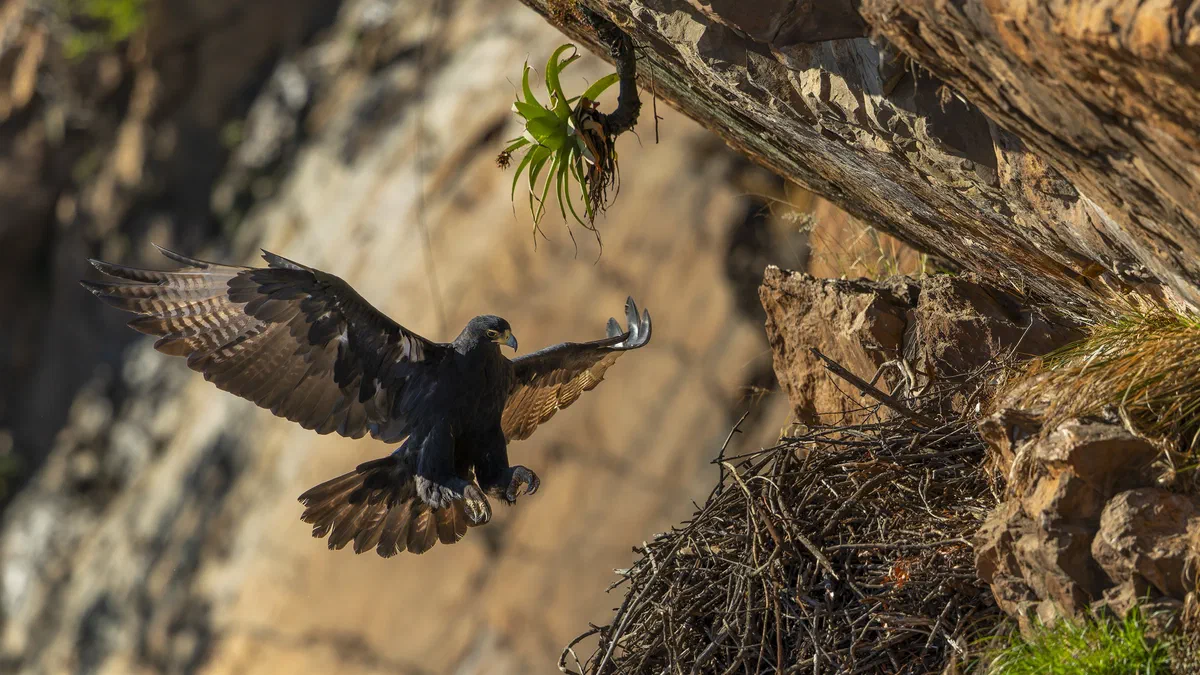
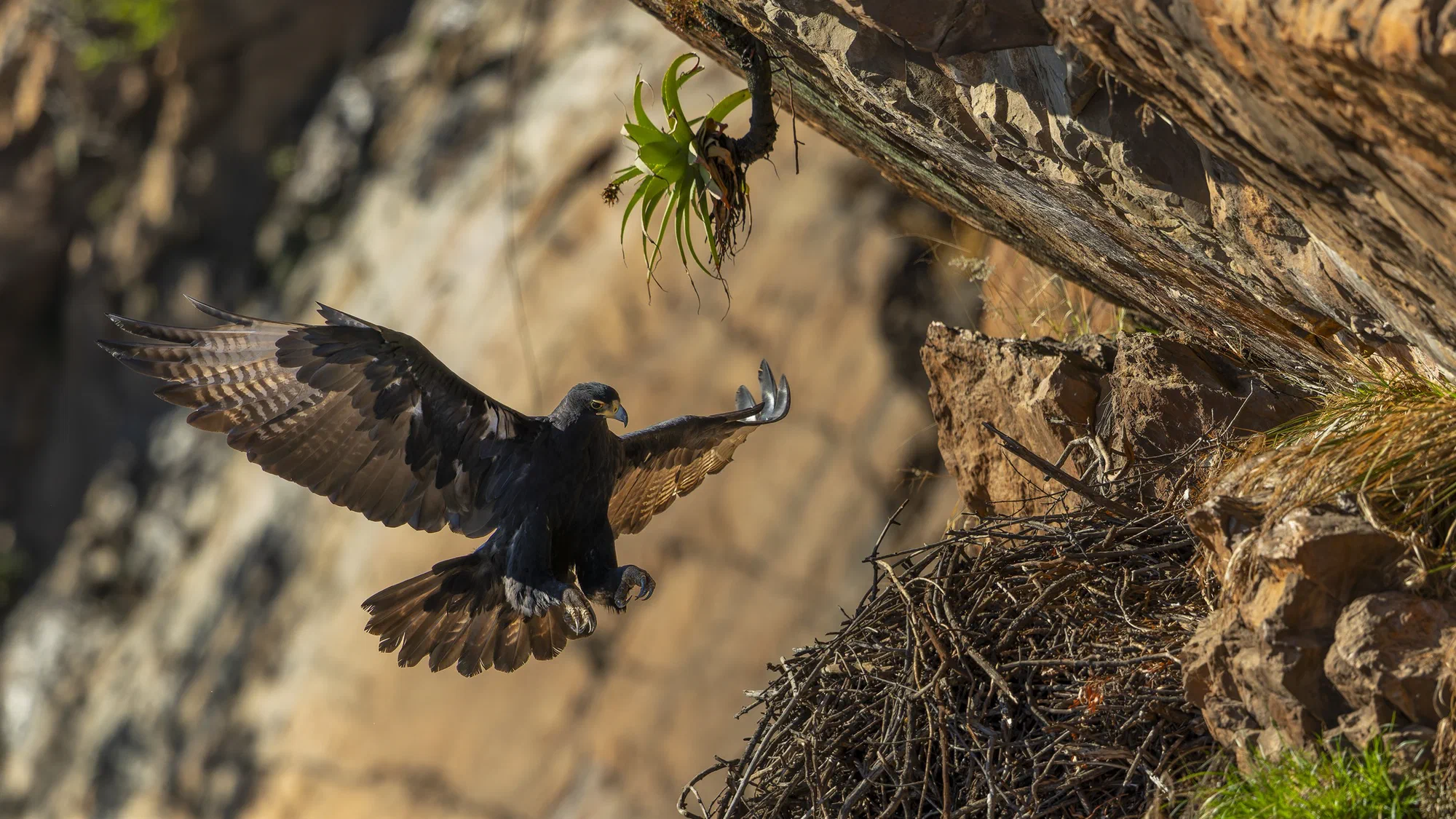
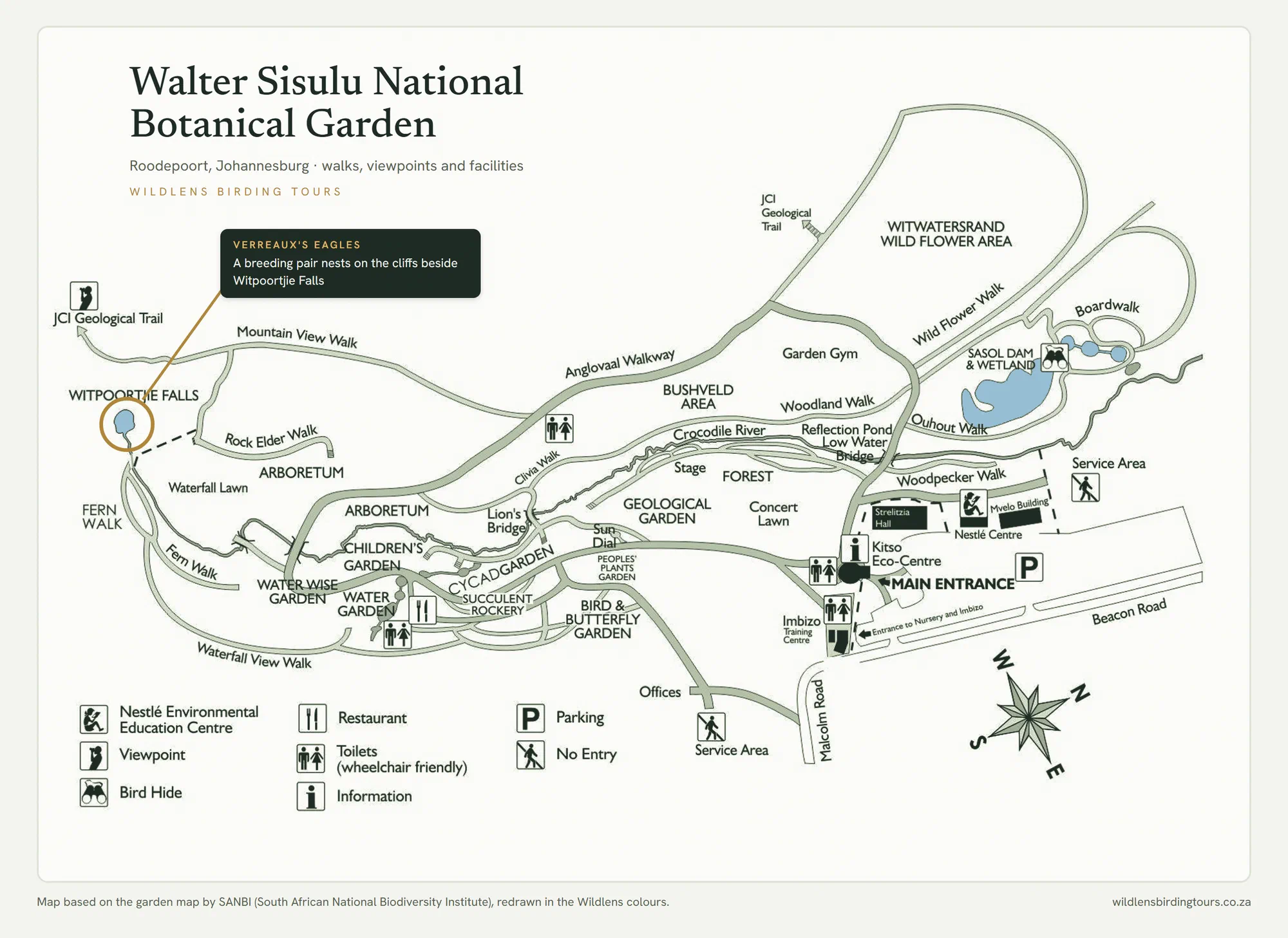
My best advice is to head up to the waterfall lookout point. Here you stand a chance to see and photograph the resident pair of Verreaux’s Eagles, which nest and breed on the cliffs beside the falls.
Verreaux’s Eagles have been recorded on these cliffs since the early 1940s, and they were already nesting here when the garden was established in 1982. Since 1992 they’ve been watched over by the volunteers of the Black Eagle Project Roodekrans, who monitor every breeding season, educate visitors and work to keep the eagles safe. Thanks to them, this is one of the best-documented eagle pairs in Africa.
The birds have changed over the years. The legendary female Emoyeni was first seen here in the early 1970s and outlived two of her mates before she disappeared in 2016. The current female, Makatsa (“surprise”), arrived that same year. The male, Mahlori (“miracle”), turned up in mid-2019 after the previous male, Thulane, vanished while eggs were on the nest.
The eagles’ year
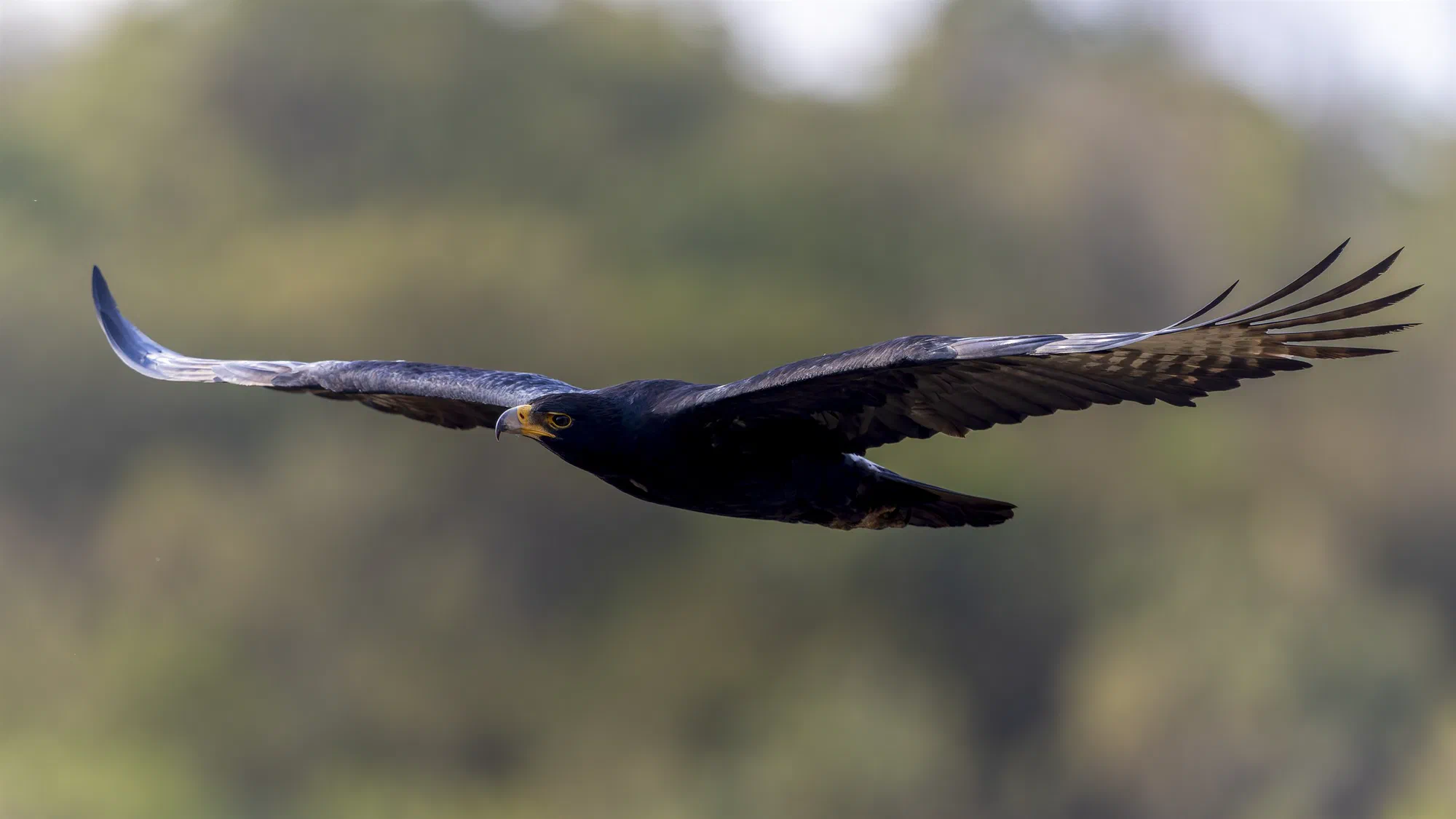
Verreaux’s Eagles are big birds: up to about 4.5 kg, with a wingspan of around two metres. Their main prey is the dassie (Rock Hyrax), which lives on the same rocky slopes. Dassie numbers around the garden have dropped, and the project blames stray and domestic dogs for a large part of that, so the eagles have learnt to take guineafowl, francolins and Red Rock Rabbits as well.
The Black Eagle Project’s records give a good idea of what to expect through the year:
- Late February to April: the pair adds sticks and green sprays to the nest, and courtship and mating start in March.
- Late April to early May: two creamy white eggs are laid four days apart. Both adults incubate, the female doing most of it, for 44 to 45 days.
- Late May to June: the chicks hatch. As with most large eagles, the older chick usually kills the younger one within a few days (this is called cainism), so only one is raised.
- September: the eaglet leaves the nest roughly 97 days after hatching.
- September to December: the adults keep feeding and teaching the youngster for about three months, until it leaves the territory around mid-December.
Winter is the time to watch nest activity, while spring and early summer give you the chance of photographing the juvenile flying with its parents. The eagles are here all year, though, so any visit is worth a try.
Waiting at the lookout
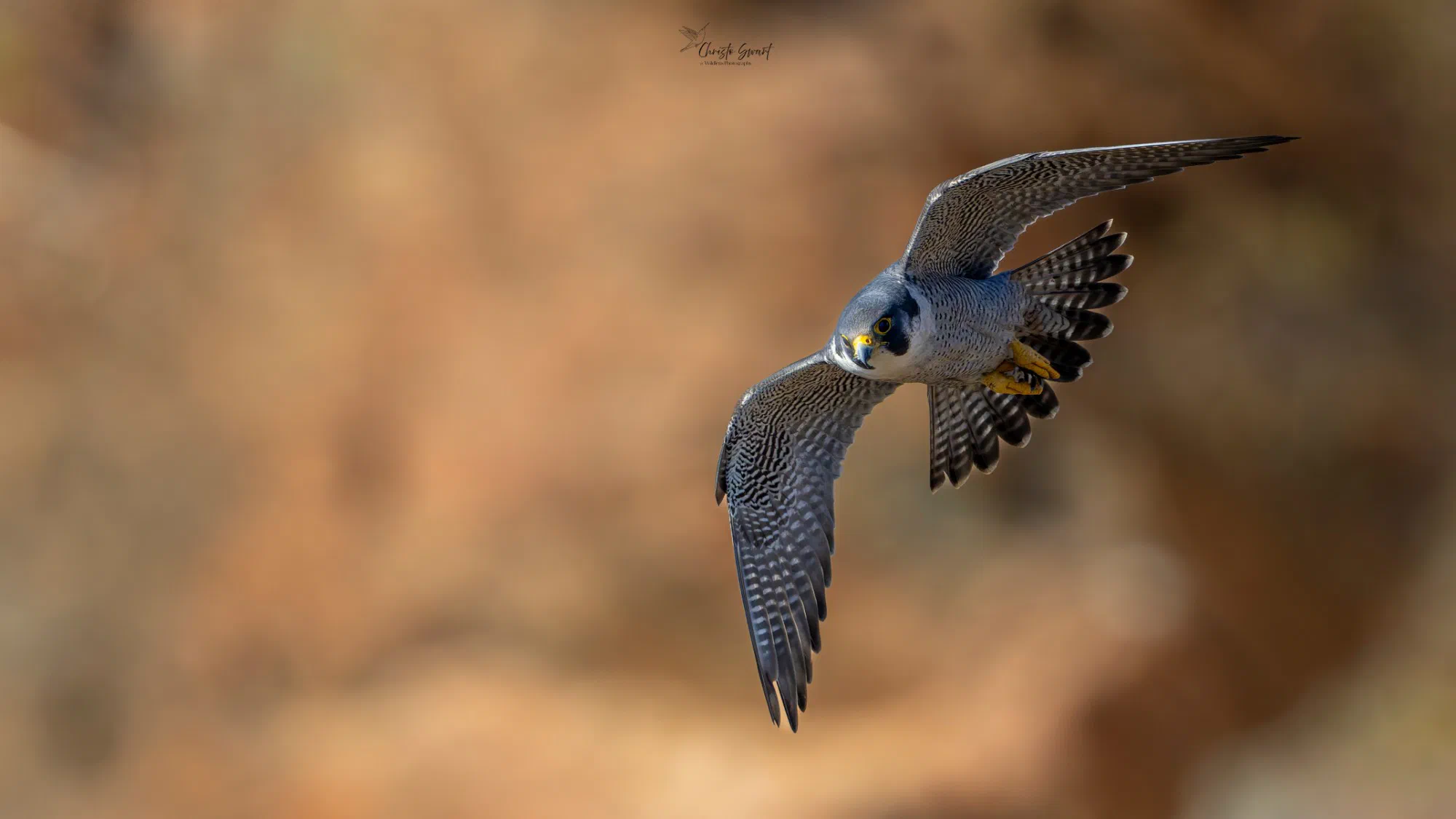
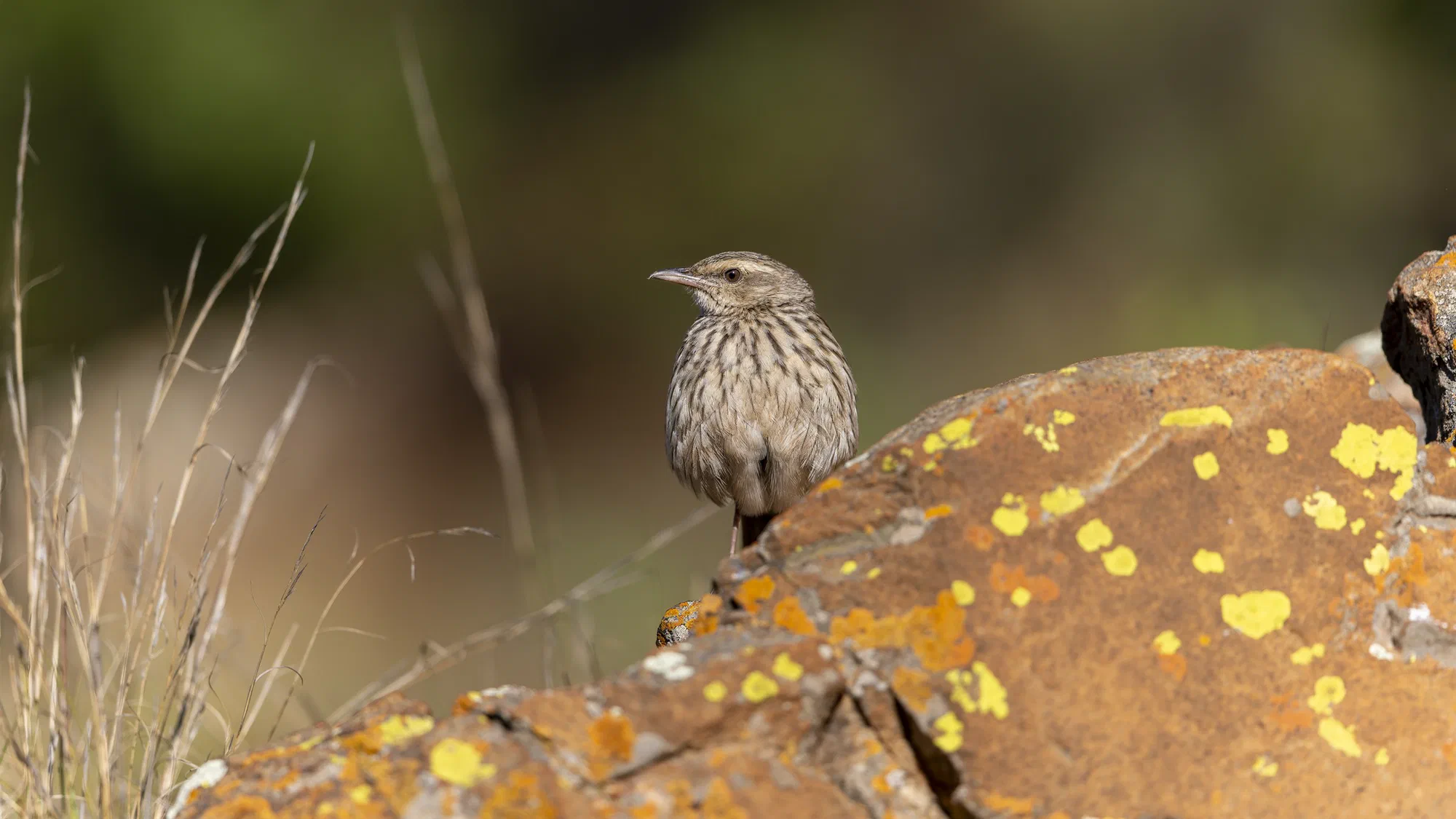
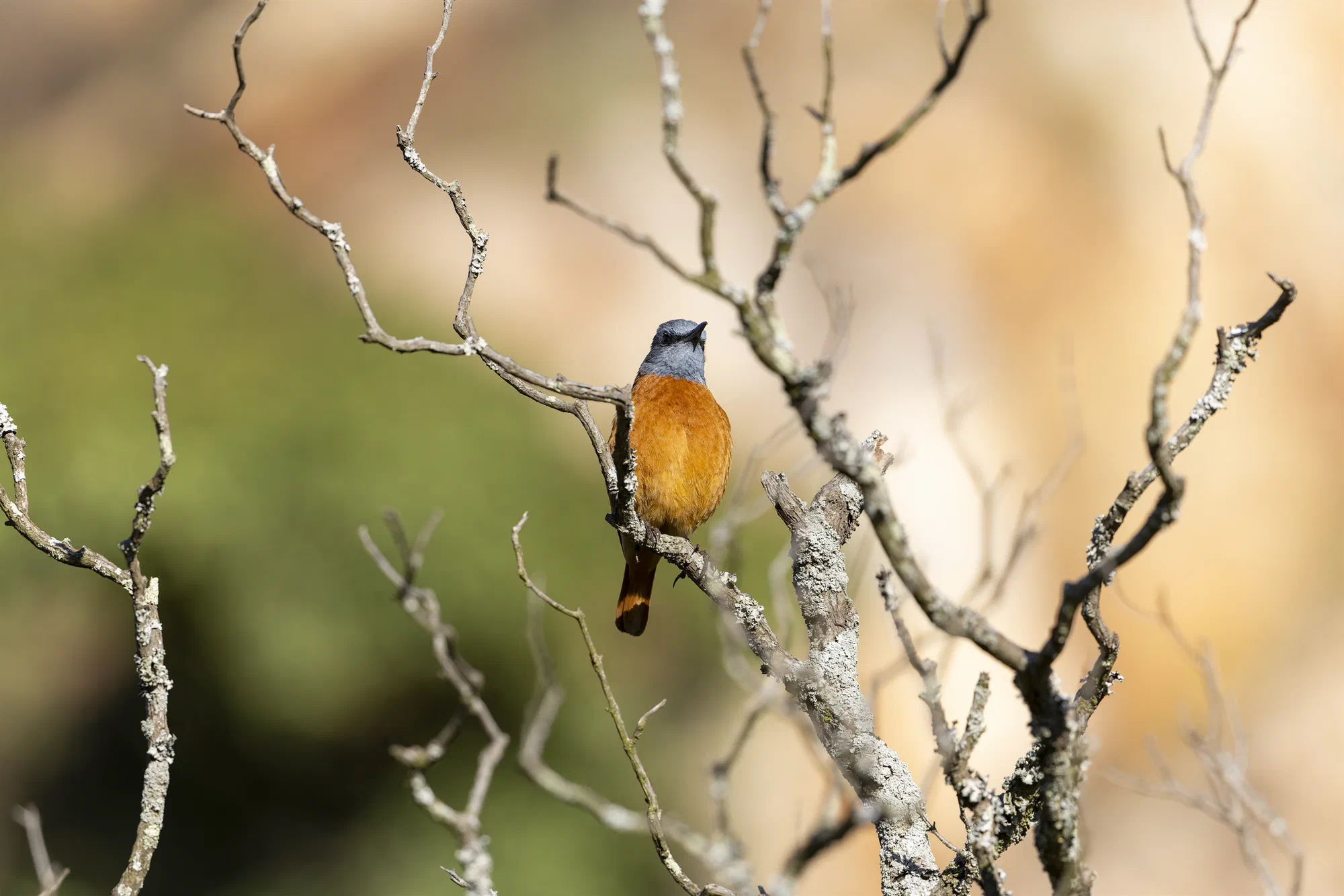
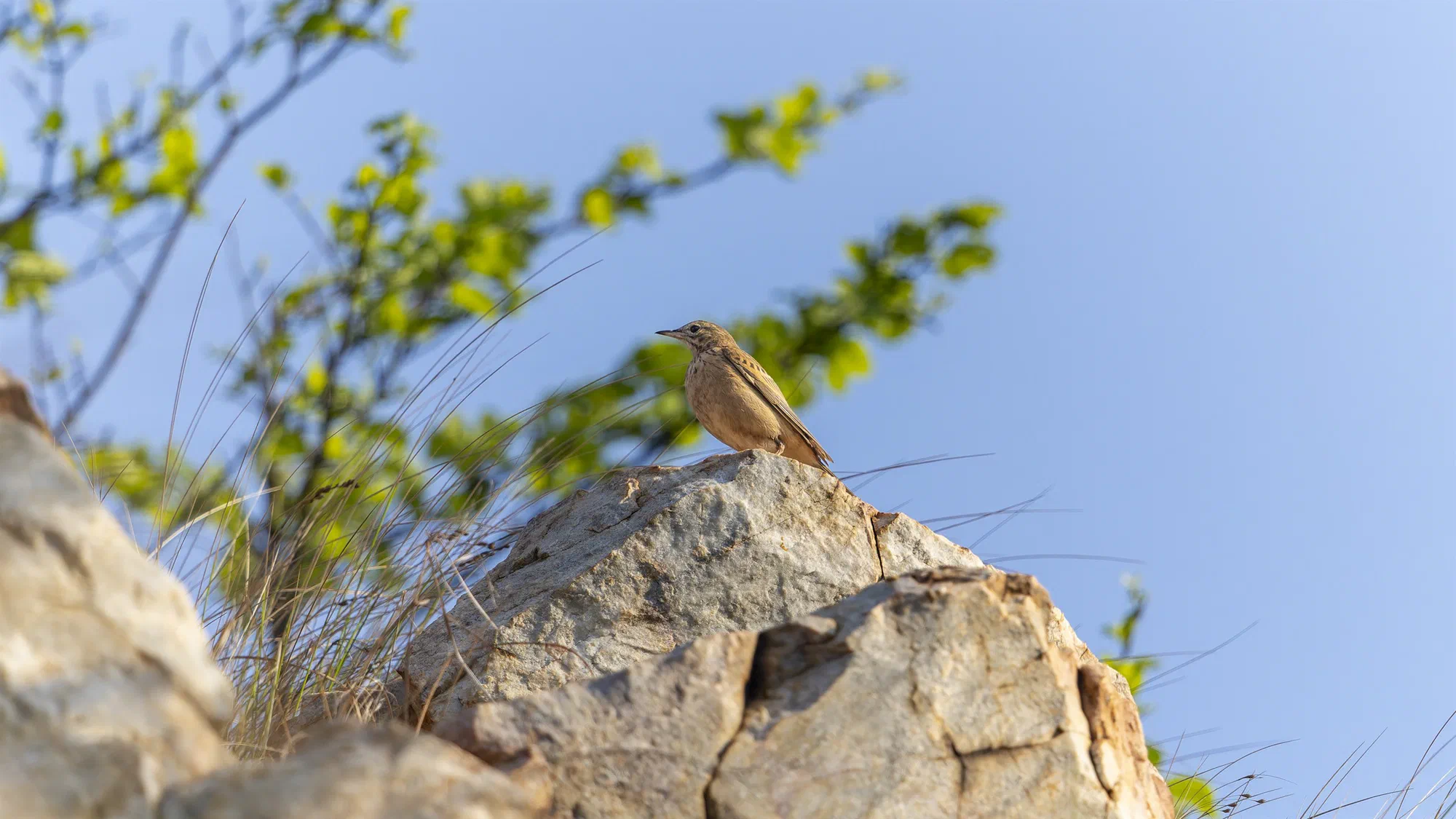
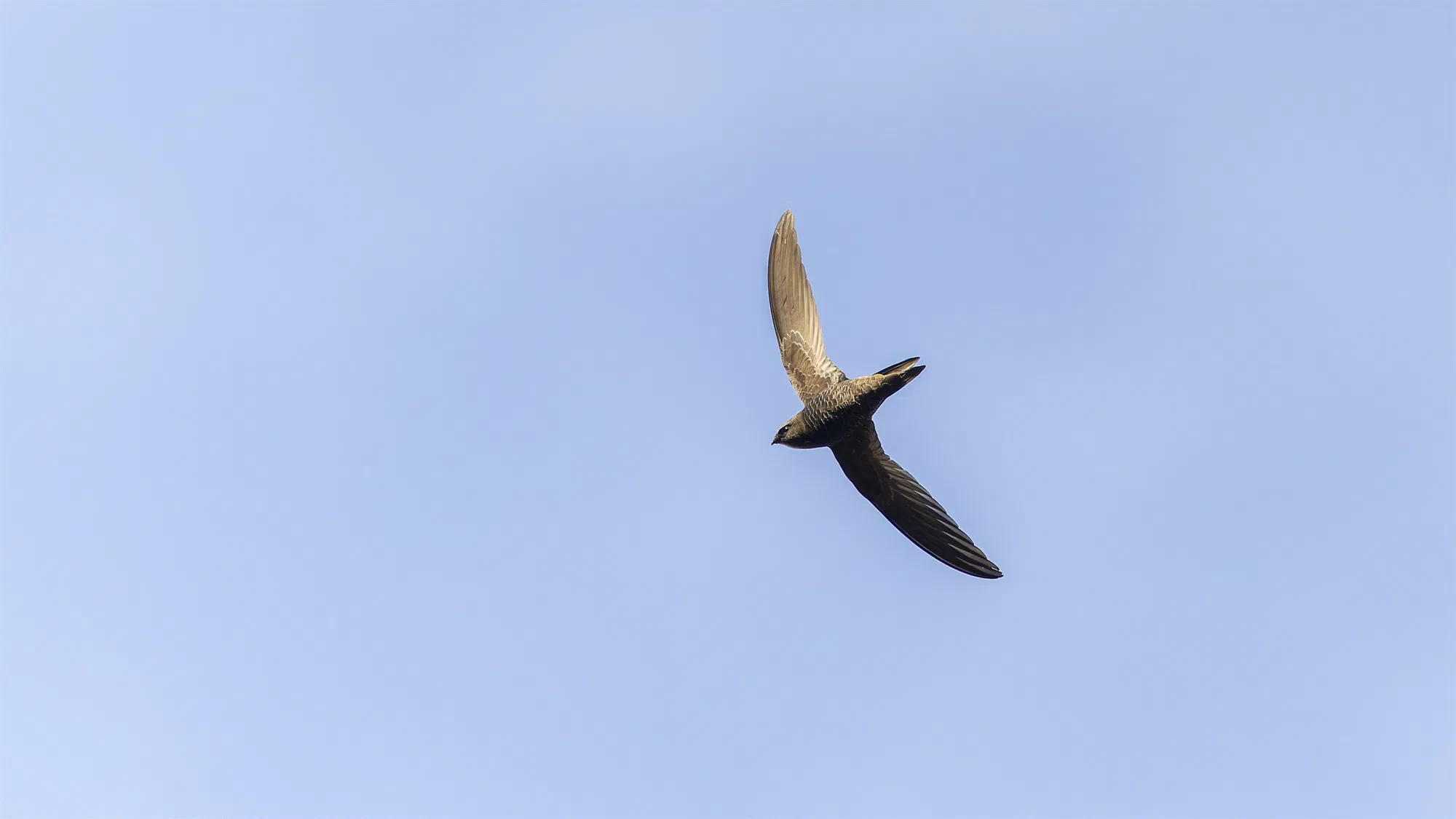
While you wait for the eagles to take to the air once the morning thermals start to rise, you stand a chance of seeing many other species from the lookout, like Striped Pipit, Nicholson’s Pipit, Greater Double-collared Sunbird, Peregrine Falcon and Cape Rock Thrush. African Black Swifts scream along the cliff face in summer.
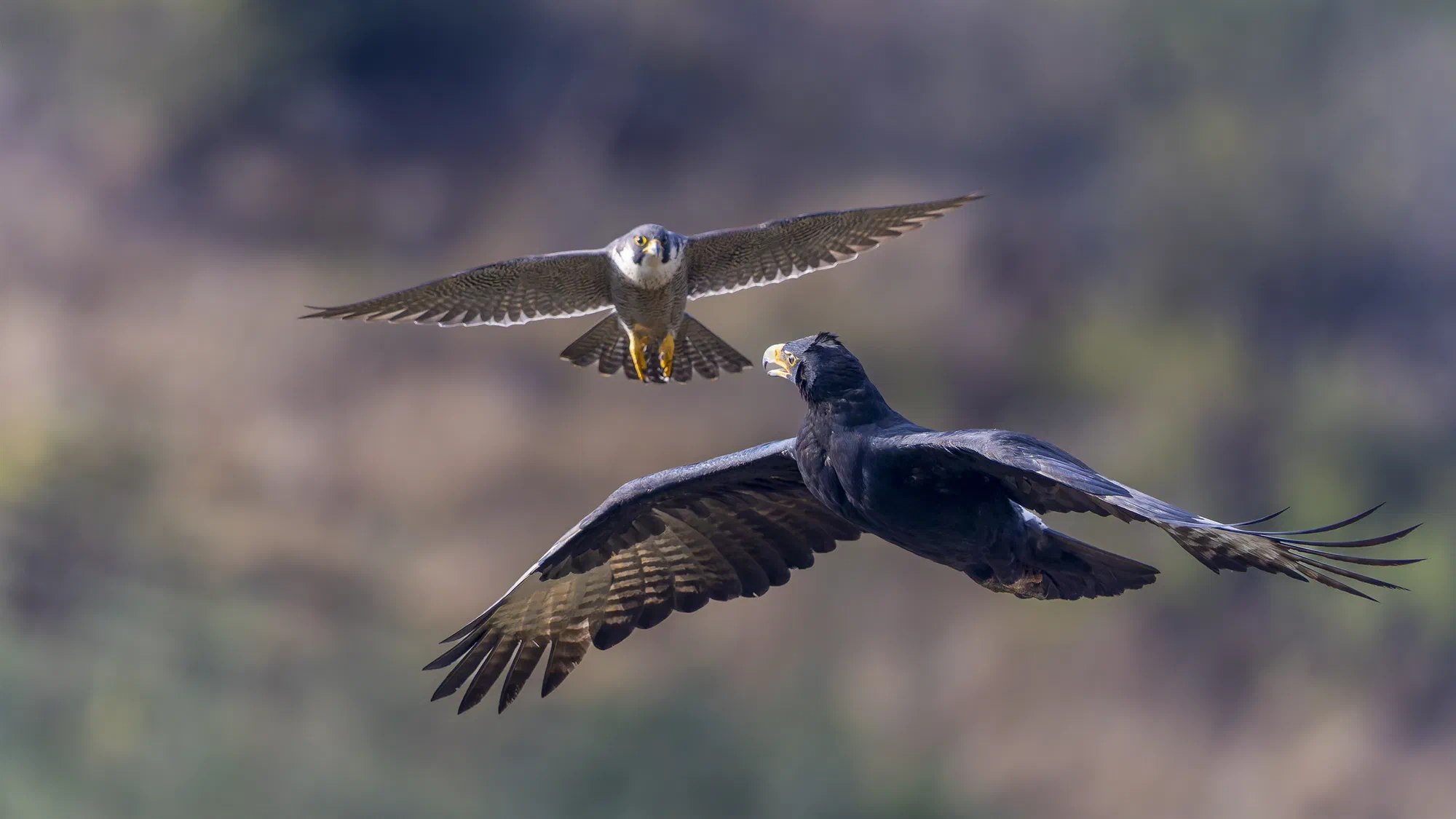
The Peregrines hunt from the same cliffs, and they don’t share them quietly. They regularly harass the much bigger eagles, and the project has recorded seasons where a pair of Peregrines occupying the cliffs gave the eagles a hard time. If you’re on the lookout when it happens, it’s some of the most exciting flight photography you’ll find anywhere near a city.
The rocky slopes and the sugarbushes
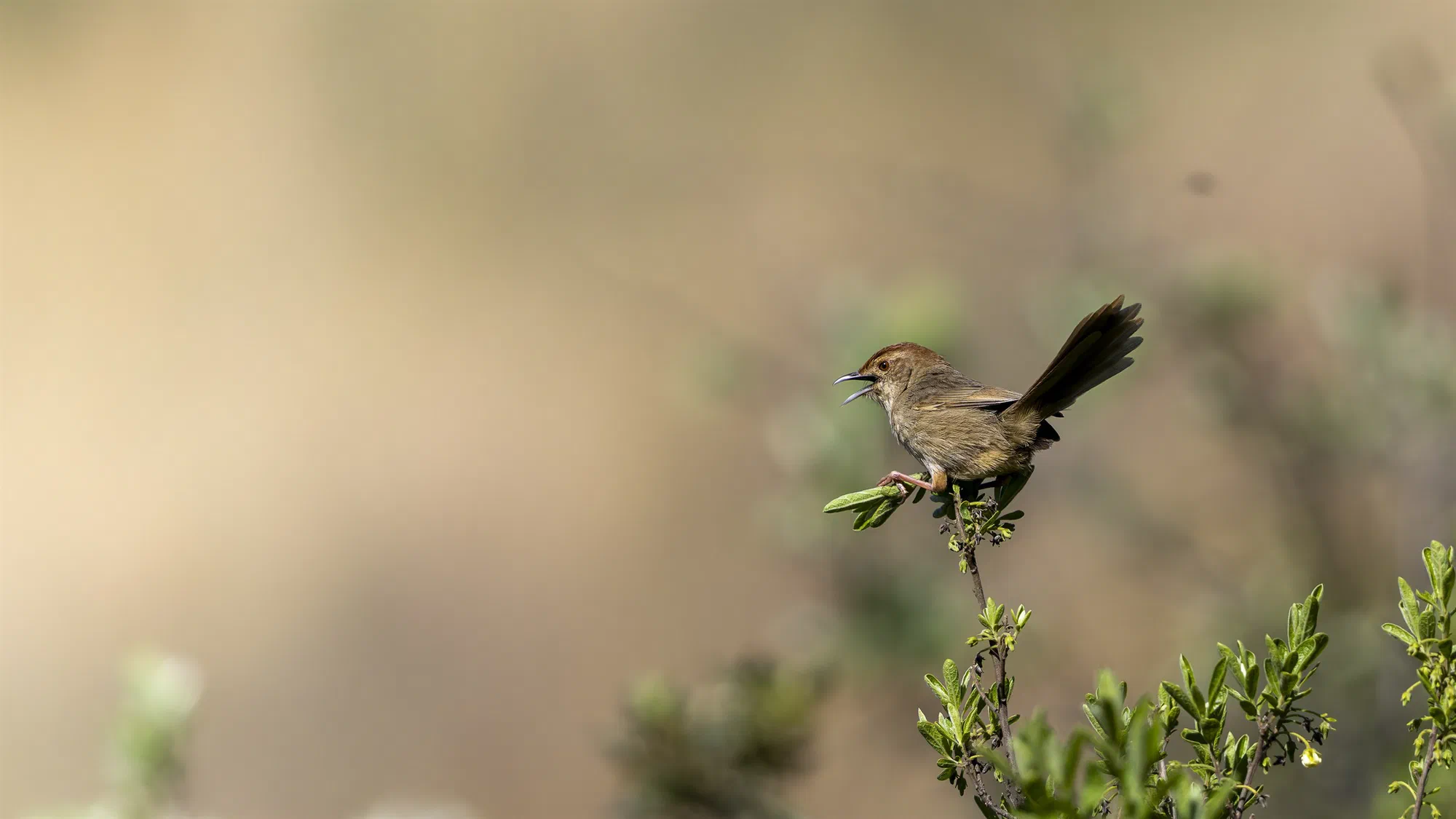
The rocky slopes also hold some awesome species, like Lazy Cisticola, Neddicky and Fairy Flycatcher, which is a winter visitor.
The sugarbushes, mainly the Common Sugarbush (Protea caffra), add another element: they bring Malachite, Amethyst and White-bellied Sunbirds out to feed on the flowers. In winter, the Succulent Rockery is another good place to find sunbirds, including Greater Double-collared.
Grassland and bushveld
The grassland areas provide Rufous-naped Lark, Red-winged Francolin and Zitting Cisticola. Move into the bushveld and you’ll hear Acacia Pied Barbet, Grey Go-away-bird and Orange-breasted Bushshrike calling from the bushes. Keep an ear open for Yellow-fronted Tinkerbird and Brown-backed Honeybird too.
The riverine forest and the river
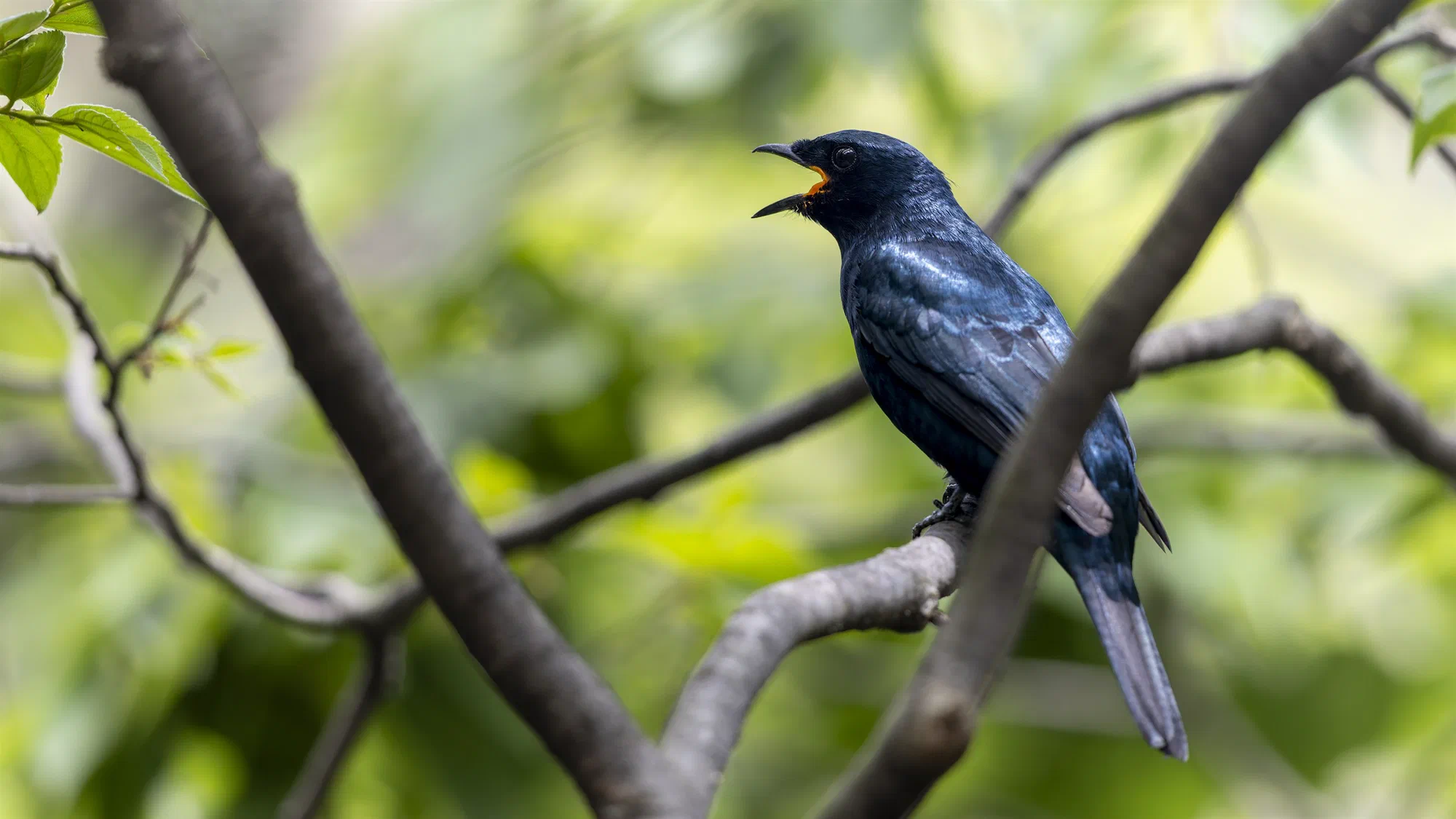
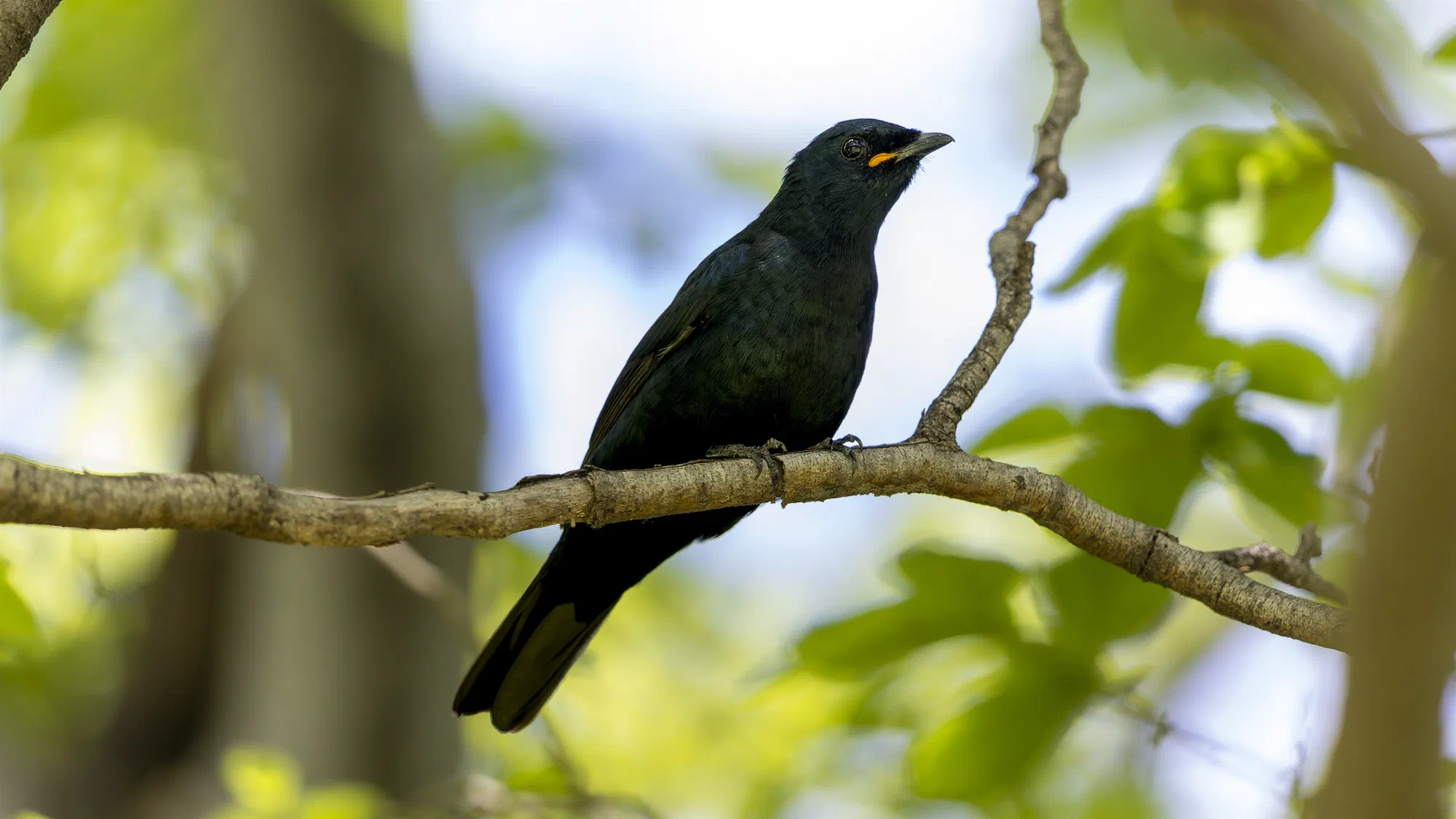
The riverine forest offers one of the better chances in Gauteng for kingfishers, raptors and smaller forest birds. Species include Black, Ovambo and Little Sparrowhawks, Bar-throated Apalis, African Paradise Flycatcher and Black Cuckooshrike, and the river lets Giant and Half-collared Kingfishers thrive in the garden. Brown-hooded Kingfisher, Black-headed Oriole and Kurrichane Thrush are also regulars along the forest edge.
Sasol Dam and the bird hide
At the lower end of the garden, a small dam and wetland are overlooked by the Sasol bird hide. In summer, Southern Red Bishops and Southern Masked Weavers breed in the reeds, Reed Cormorants are regular, and if you’re lucky you’ll pick up a Pied Kingfisher or a Striated Heron. It’s a good, relaxed spot to sit after the walk up to the falls.
Summer cuckoos
Walter Sisulu is also a great place to look for cuckoos visiting and breeding in summer: Black Cuckoo, Red-chested Cuckoo, Diederik Cuckoo, Klaas’s Cuckoo and the ever-skulking Common Cuckoo, which stays silent while it’s in South Africa.
Map and visiting
The main entrance is on the corner of Malcolm and Beacon Roads, Poortview, Roodepoort. For early access from 06:00, book a Seasonal Early Bird ticket on SANBI’s ticketing page, and check it for current prices and dates.
Bring water and comfortable shoes for the walk up to the falls, and a long lens if you have one: a 400 mm or longer makes a big difference for the eagles and the Peregrines.
If you’d like to join our next outing, get in touch.
Planning a trip to South Africa?
Send your dates and the birds you’re hoping to see. Christo replies personally to every enquiry.