
The Best Birding in South Africa Isn't in Kruger: Why Roadside Birding Is the Norm
How to bird in South Africa: skip the queue at the park gate and head for the back roads. From the Devon Grasslands to Zaagkuilsdrift, here's why South African birders do most of their birding on quiet farm roads.
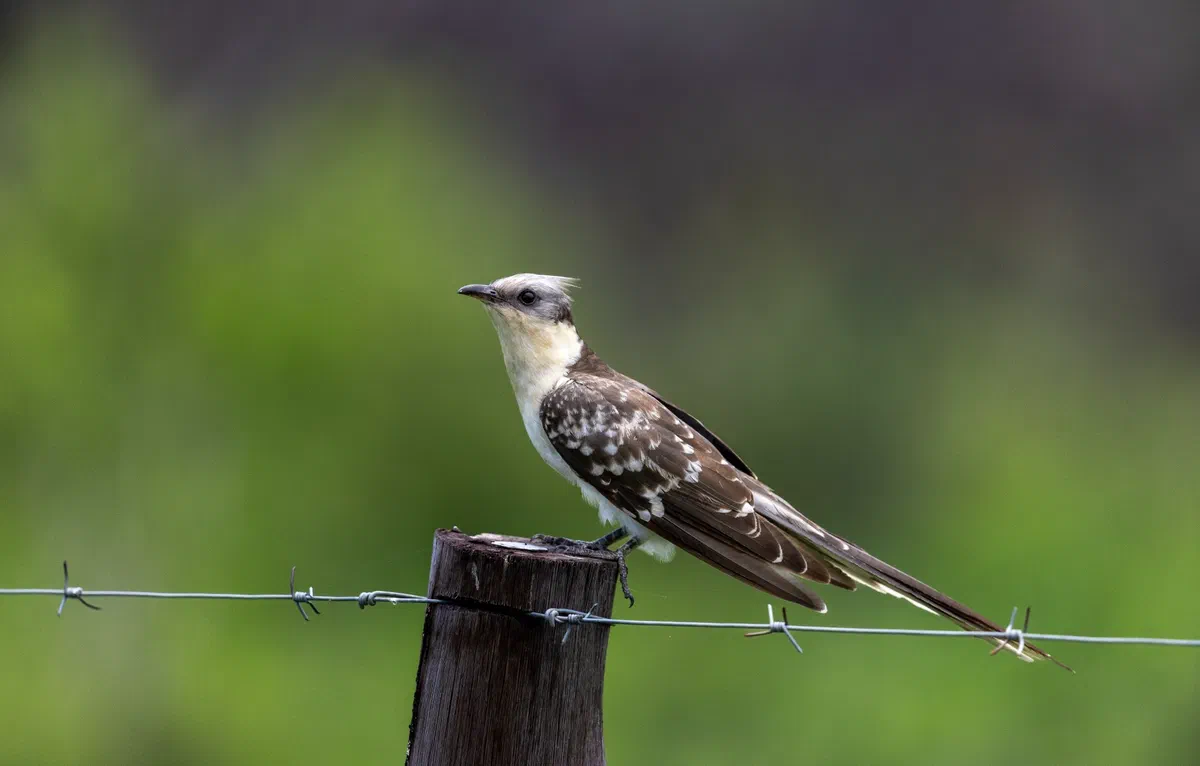
By Christo Swart
Birding in Kruger National Park, or any of our big national parks, is awesome. I’ll never argue with that. But for a birder, and especially for a bird photographer, the big parks come with real drawbacks.
The biggest one is simple: you can’t get out of your car. These parks hold dangerous game: rhino, buffalo, elephant, leopard, lion, hippo and crocodile. Apart from the fenced rest camps, picnic spots and a few hides, you’re inside your vehicle the whole day. You can’t follow a calling bird into the grass, walk to a better angle or wait quietly beside a wetland. You also share the roads with the traffic jams that form at every lion sighting.
What many visitors to South Africa don’t realise is this: roadside birding is the norm here. Most South African birders do most of their birding on quiet back roads that run through farmland, not inside a park. Those roads are often more productive, easier to get to and, for that matter, safe birding.
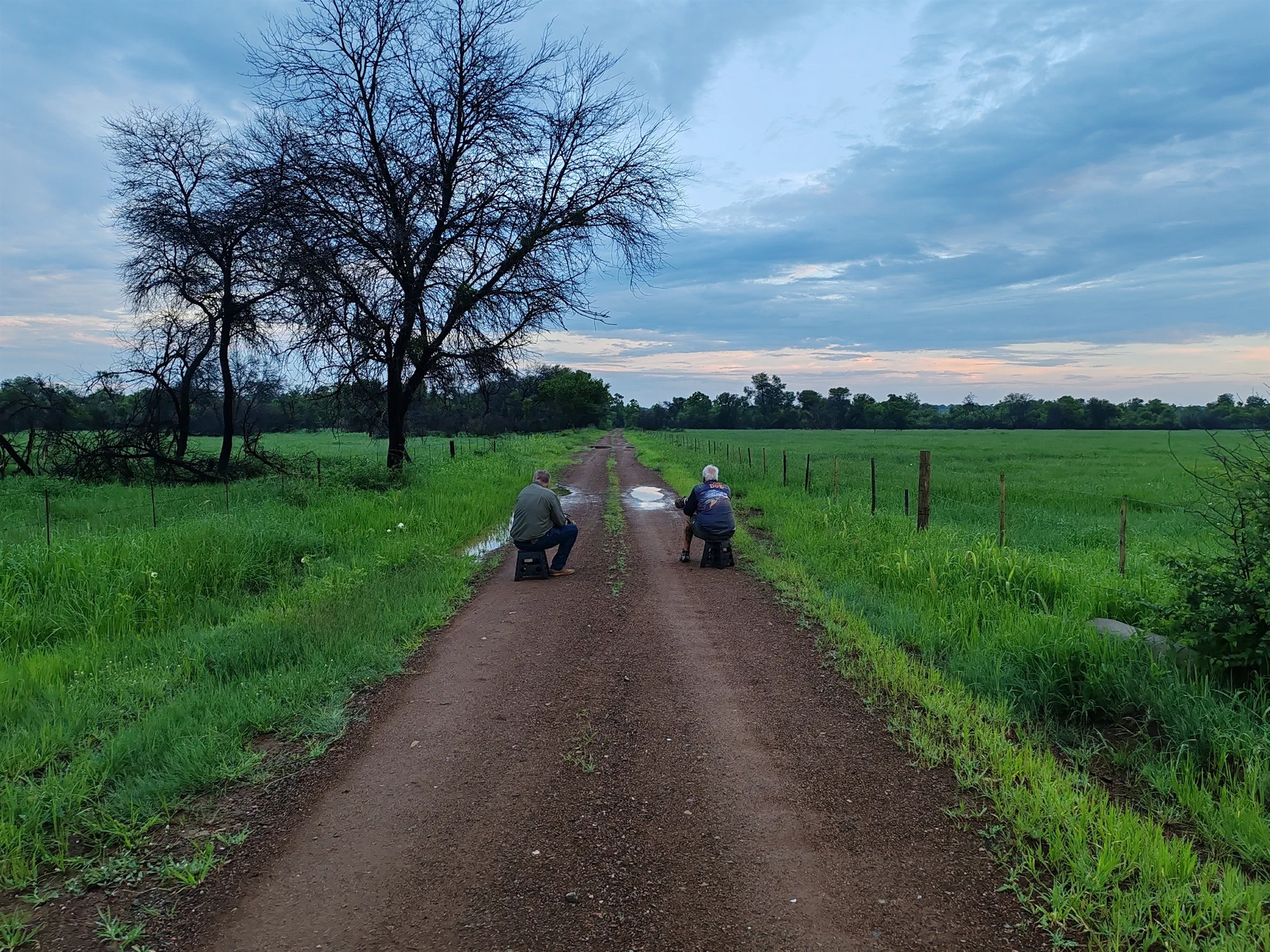
Let me show you what I mean with two of my favourite places.
Devon Grasslands: a farm-road network with world-class grassland birds
About an hour south-east of Johannesburg lie the Devon Grasslands. This isn’t a reserve with a gate and an entrance fee. It’s a large network of public gravel roads winding between cattle and maize farms, with patches of pristine Highveld grassland, seasonal wetlands and farm dams in between. BirdLife International recognises it as an Important Bird and Biodiversity Area of more than 75,000 hectares, largely because of its Blue Cranes (South Africa’s national bird) and Secretarybirds.
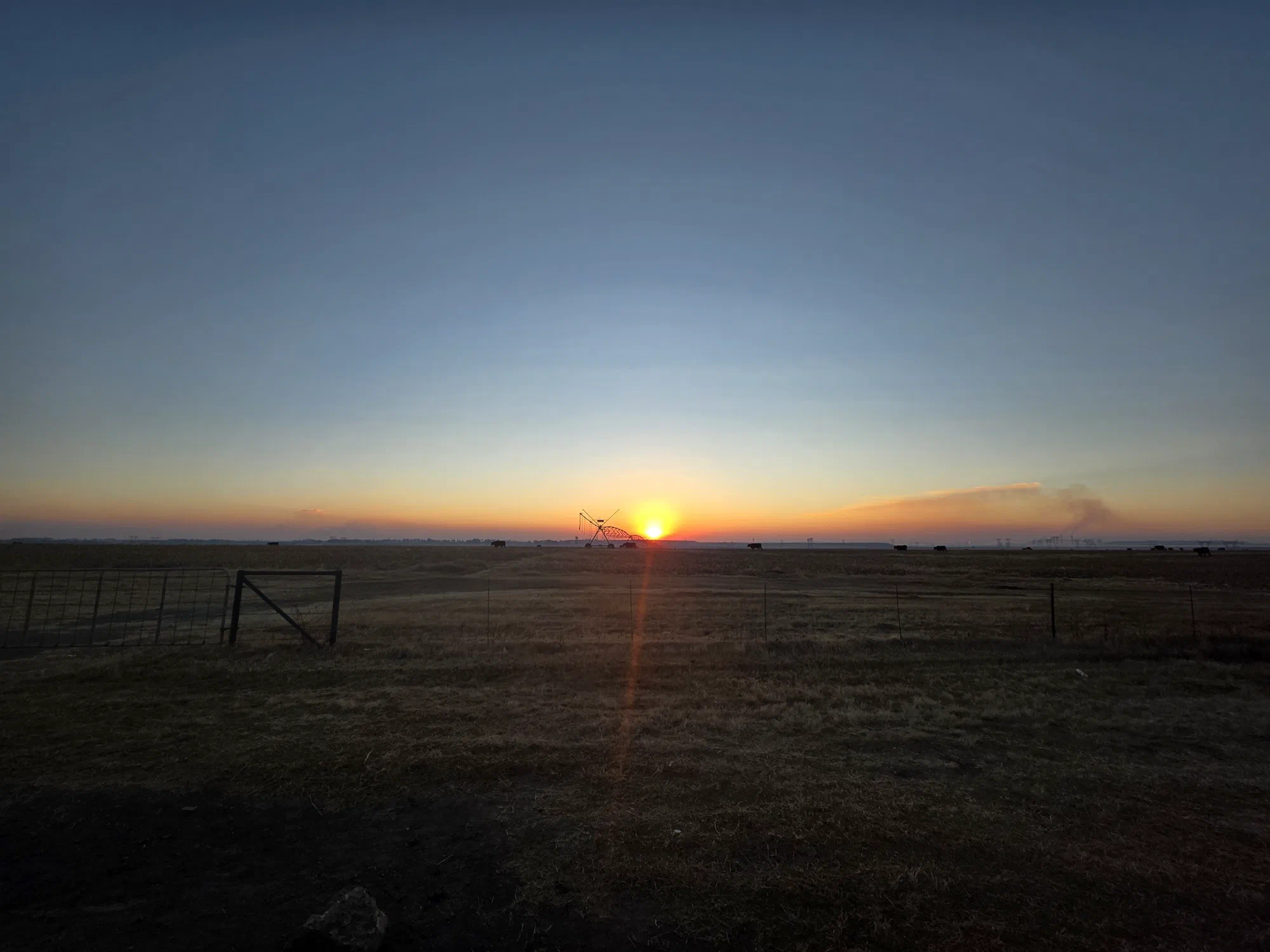
The farmers here play a big role in looking after this habitat. A group of conservation-minded landowners has declared their properties the Devon Protected Environment, about 8,000 hectares, in partnership with BirdLife South Africa and Gauteng’s biodiversity stewardship programme, to help protect the area from mining and prospecting. The relationship between farmers and birders is good, and it stays that way because birders keep to the public roads.
So what can you find from the roadside?
- Blue Korhaan: a South African grassland special. It calls loudly in the early morning but takes careful searching to see well.
- Orange River Francolin: look along the road verges for small coveys.
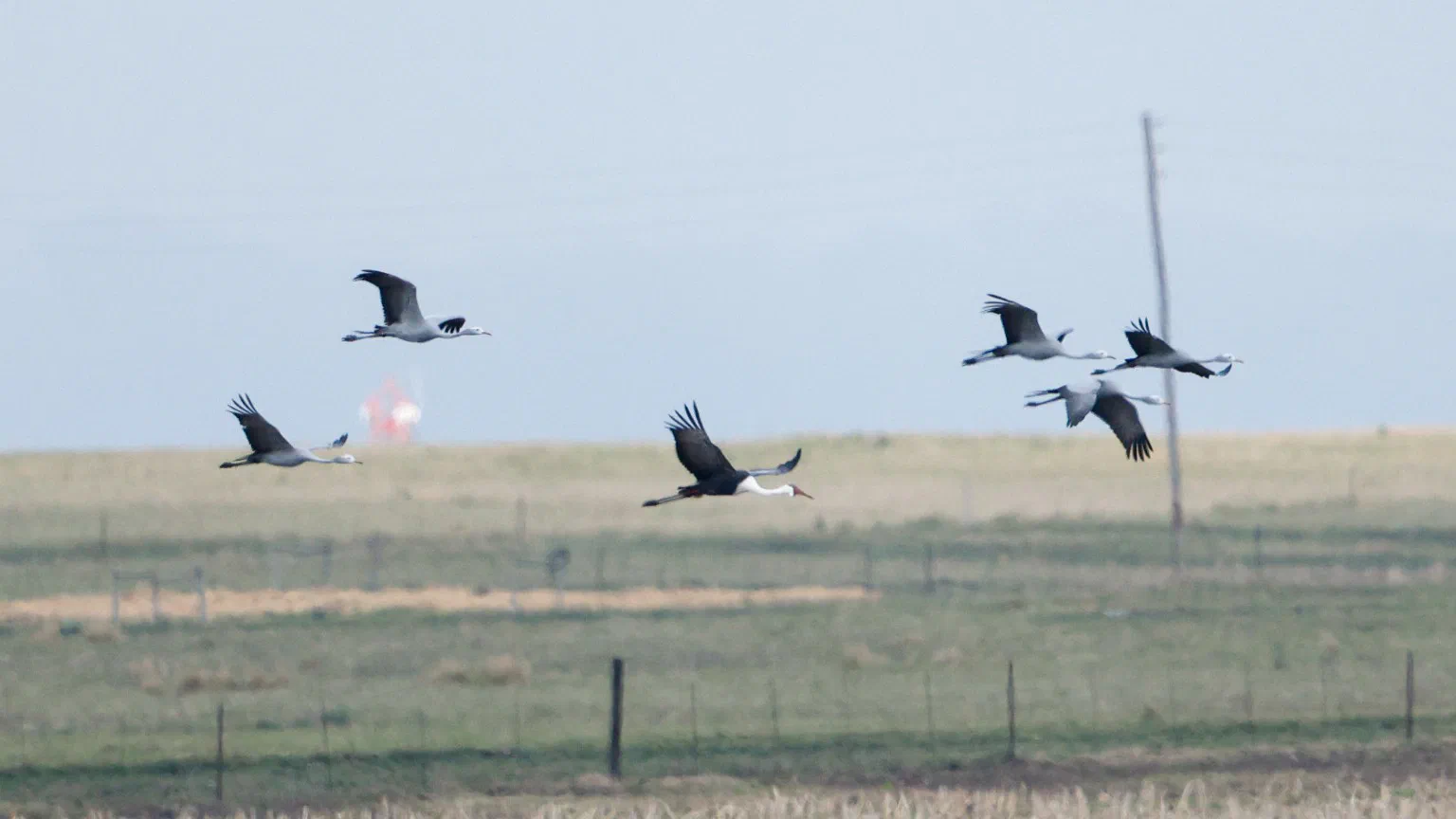
- Blue Crane: flocks gather here in winter.
- Wattled Crane: a real rarity this close to Gauteng. On my October 2026 recce, one flew over with a group of Blue Cranes.
- Secretarybird: striding through the grass.
- Harriers: Black Harrier in winter; Montagu’s and Pallid Harriers in summer.
- Larks and cisticolas: Pink-billed Lark among the far more common Red-capped Larks, and Cloud, Wing-snapping and Pale-crowned Cisticolas displaying overhead in summer.
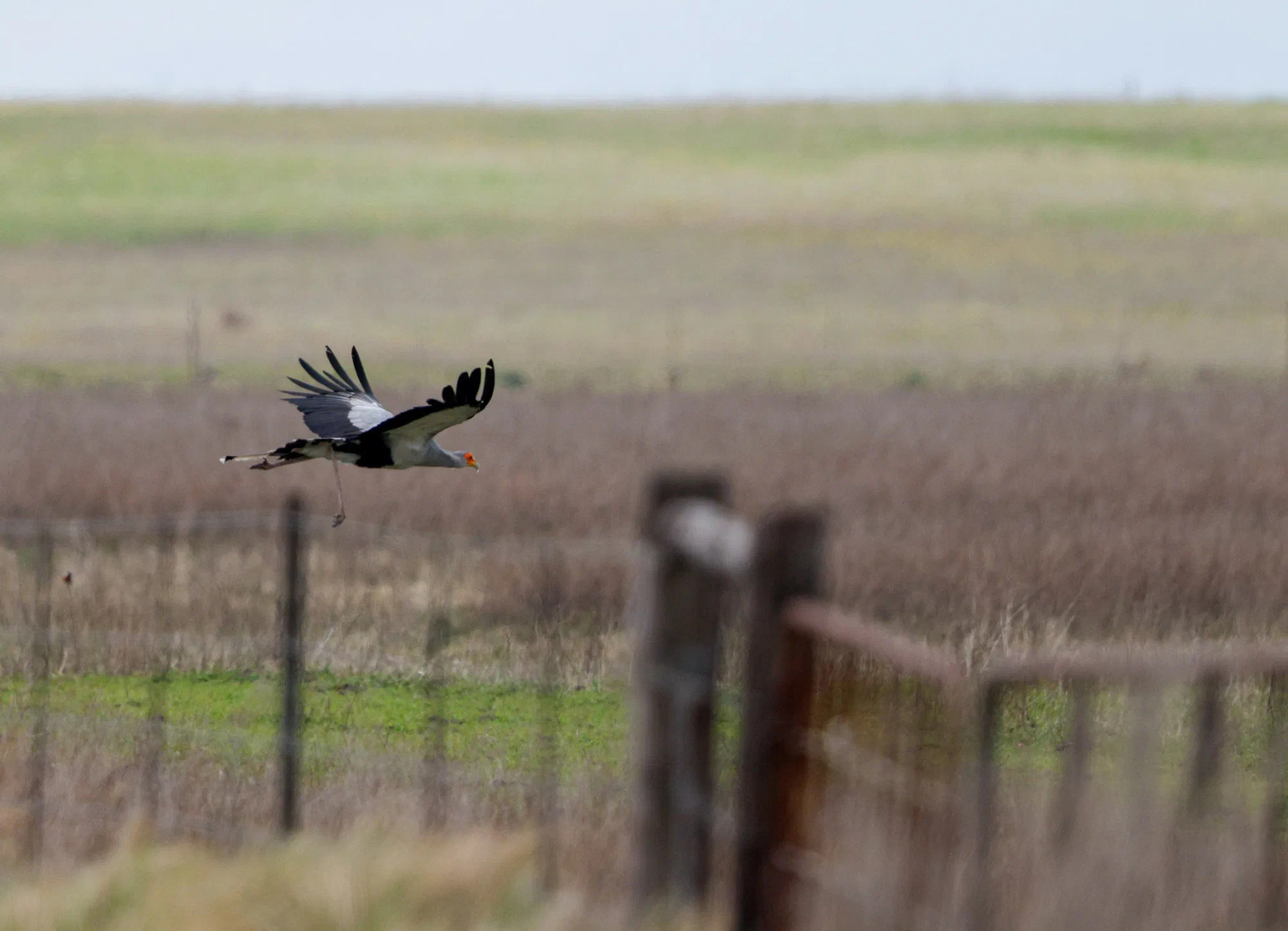
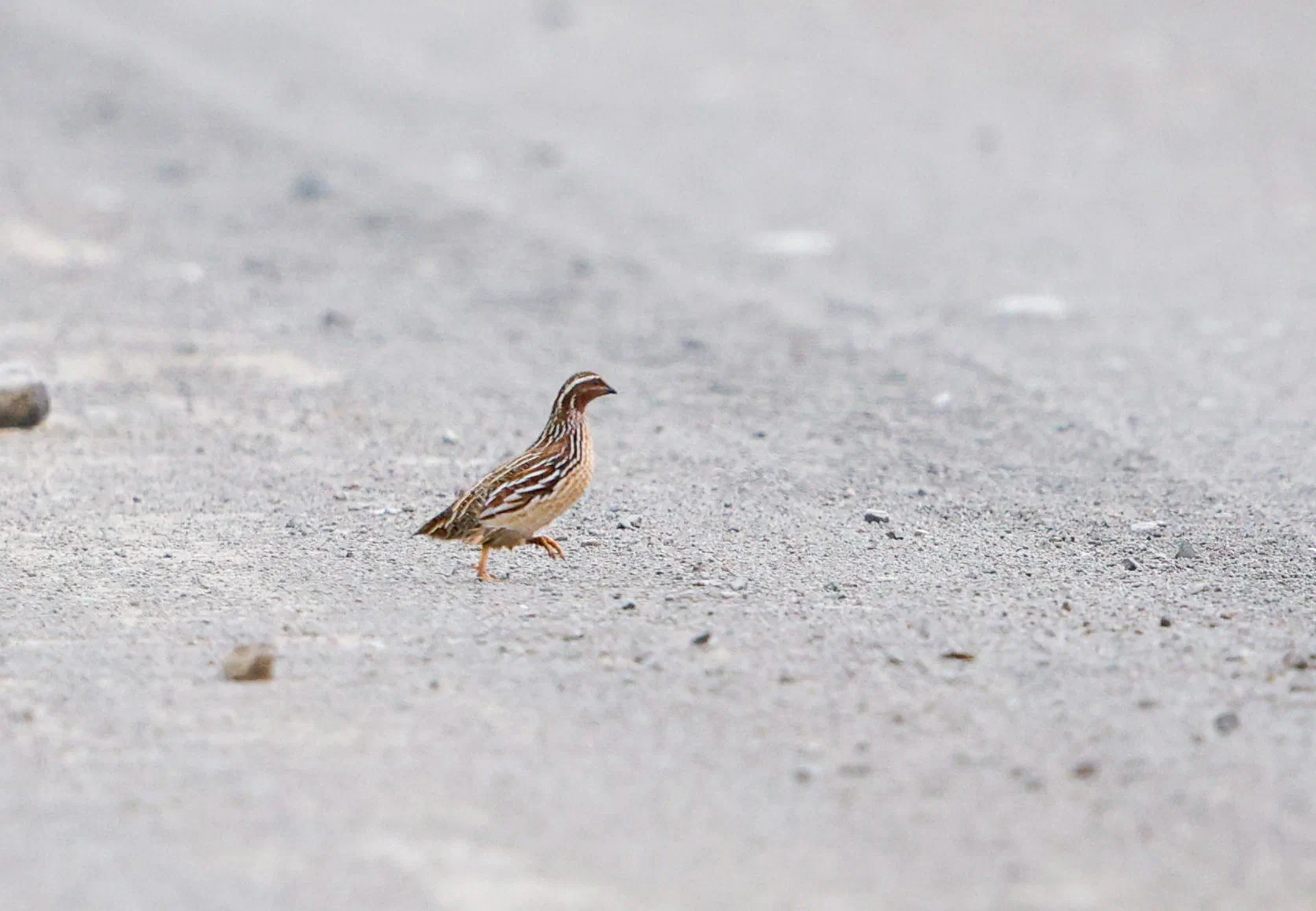
Grasslands like these also support one of our most threatened owls, the African Grass Owl, which is listed as Vulnerable in South Africa. It depends on tall, rank grassland and wetland fringes, and losing that habitat is exactly why places like Devon matter so much.
What I want you to take away, dear reader, is that you don’t need a national park or a nature reserve to have productive, safe birding in South Africa. Farm back roads are often better: easier to reach, no gate times, no entrance fees, and some of the country’s most special birds.
Zaagkuilsdrift: probably the best birding road in the Southern Hemisphere
That brings me to my second point: Zaagkuilsdrift and the Zaagkuilsdrift Bird Sanctuary and Lodge.
I’m going to say it: in my opinion, this is one of the best birding destinations in the Southern Hemisphere. Yep, I said it. The best!
And it’s about 90 minutes’ drive from Pretoria.
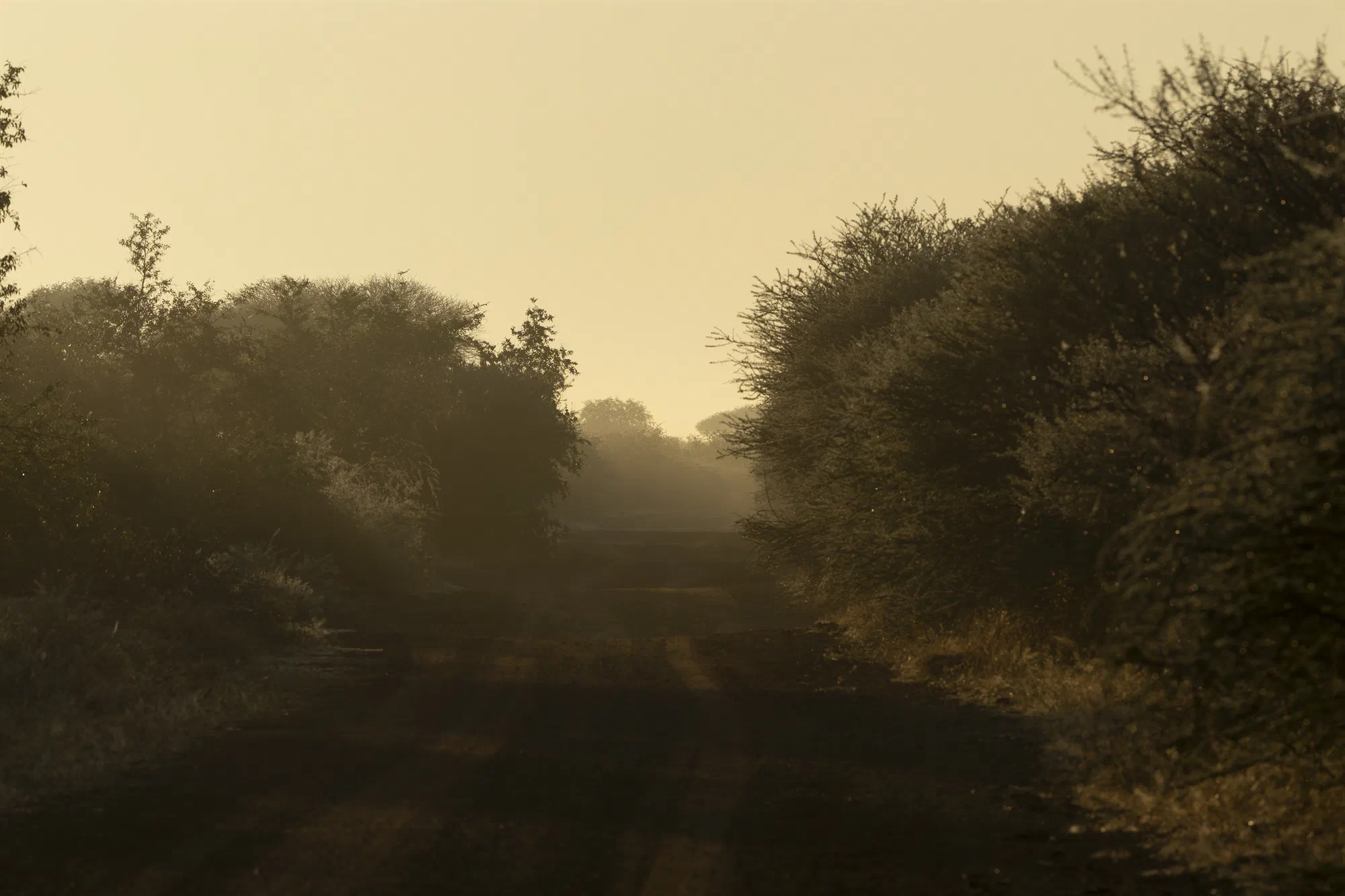
Zaagkuilsdrift lies along another network of farm roads, on the Springbok Flats (Springbokvlakte) near Pienaarsrivier. Within a short distance you get four very different habitats:
- Pristine acacia bushveld, full of shrikes, waxbills, sparrow-larks and Kalahari-type birds.
- Riverine thickets and woodland along the Pienaars River.
- Open grassland, where Temminck’s Courser and Northern Black Korhaan occur.
- The Kgomo-Kgomo floodplain, a huge seasonal wetland. After a good rainy season the whole plain floods and turns green with sedges, reeds and open pools. It’s the closest thing to a mini Okavango Delta that you’ll find this close to a major city.
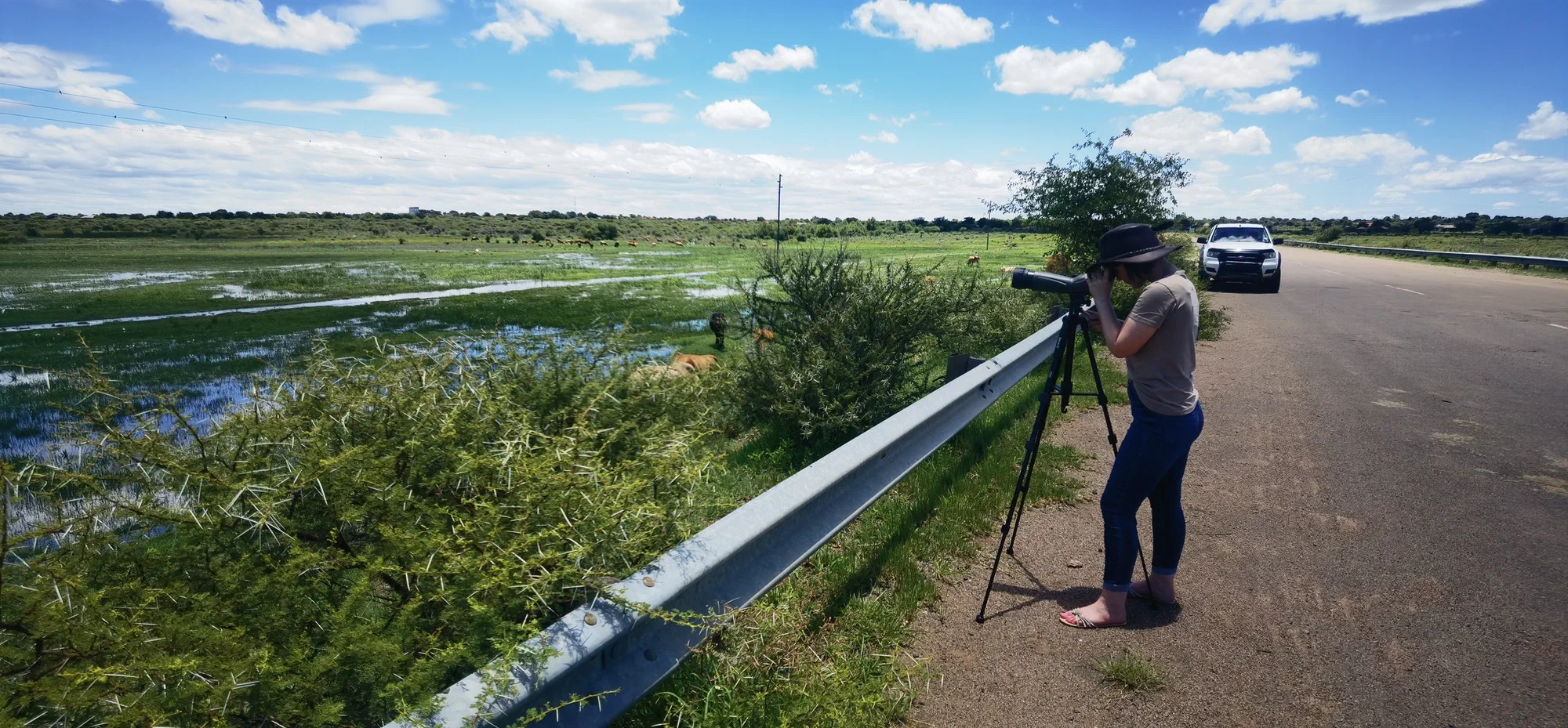
The broader Kgomo-Kgomo floodplain system has a bird list of more than 430 species, and in a good summer, day lists of 150 or more are possible. That’s quite something for what is, in the end, a farm road.
What makes birders drive up from Gauteng (and fly in from overseas) are the specials:
- Migrant warblers in late summer: Olive-tree and Icterine Warblers, and the rare River Warbler. March is the best month for River Warbler, when it starts calling.
- Wetland skulkers in wet years: Dwarf Bittern, Greater Painted-snipe, African Crake and Lesser Moorhen turn up fairly regularly. In exceptional years the floodplain also produces Allen’s Gallinule, Baillon’s Crake, the almost mythical Striped Crake and, very occasionally, Streaky-breasted Flufftail.
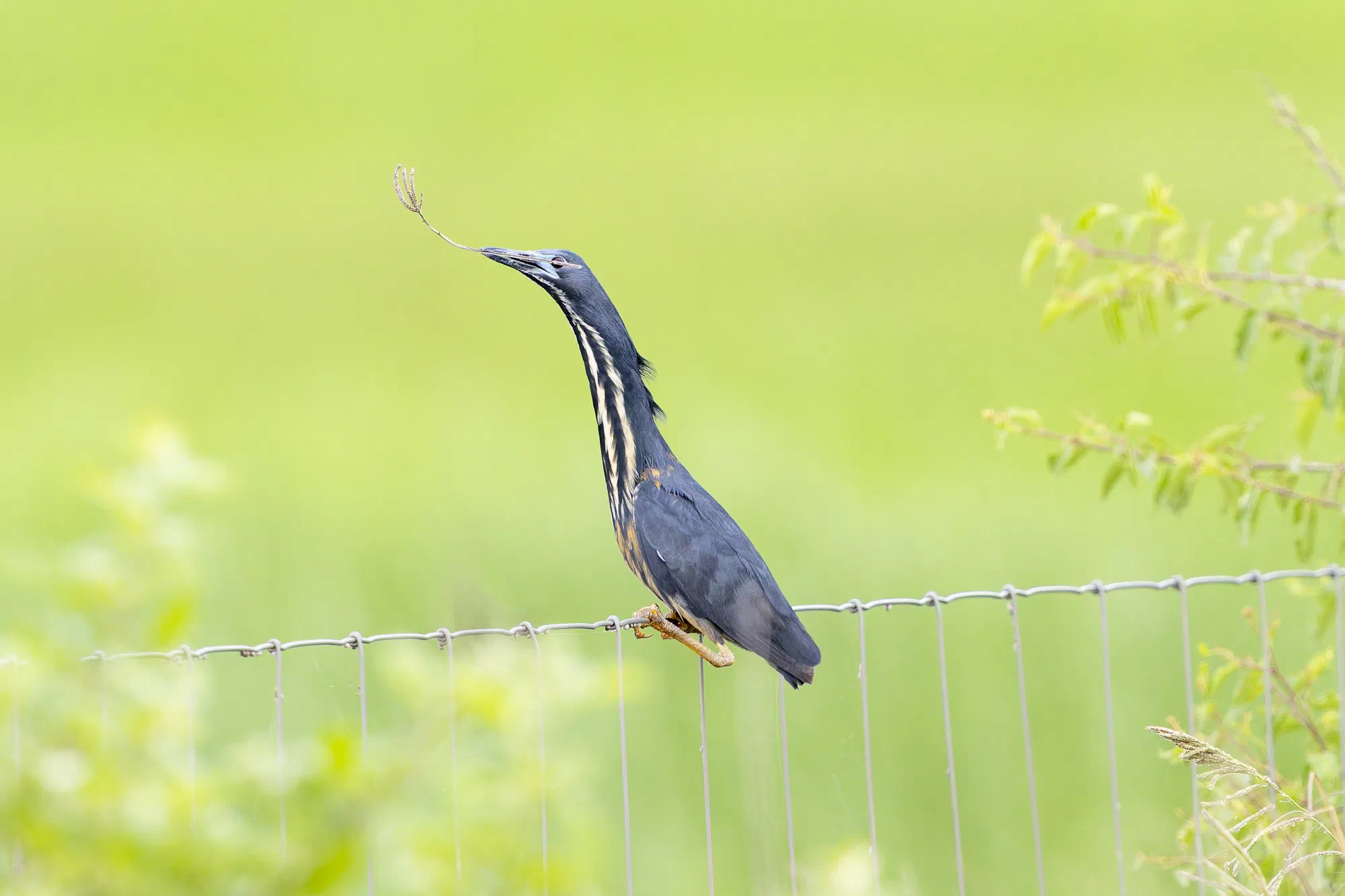
A word of honesty: the floodplain specials depend on the rain. In a dry year the plain stays mostly dry. In a wet year it’s spectacular, and the floodplain roads can need a 4x4. That’s part of the excitement.
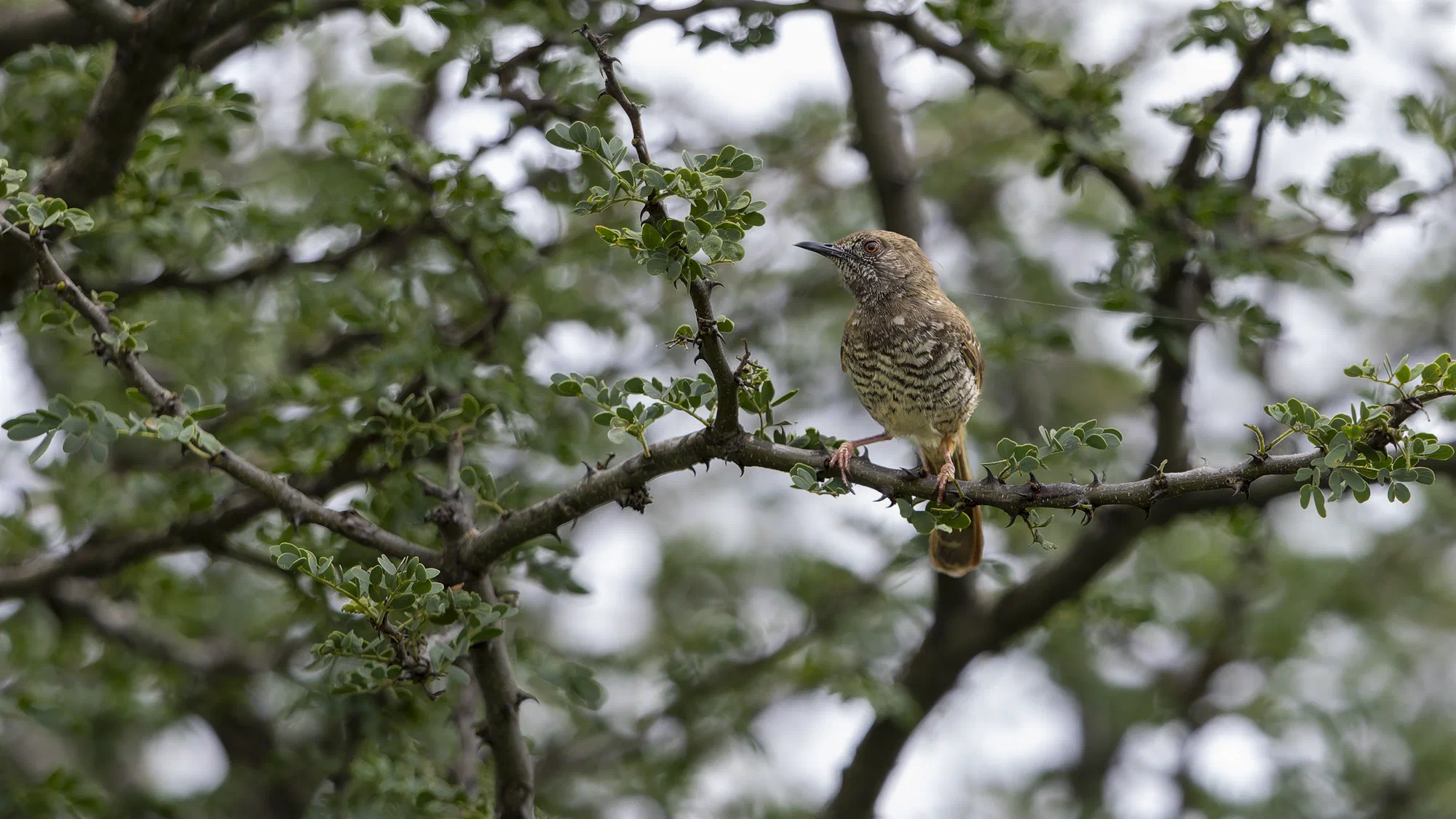
The lodge makes all this very easy for visiting birders. It has comfortable rooms, campsites and its own network of hides, and the birding starts right outside your door. It’s within easy reach of both OR Tambo and Lanseria airports, which makes Zaagkuilsdrift an ideal first stop or base for an international birder arriving in Gauteng.
How to bird in South Africa from the roadside: a few ground rules
If you’d like to try roadside birding yourself:
- Choose quiet gravel and secondary roads. Never stop on a highway or busy main road, and always pull right off the road.
- Stay on the public road. The land on either side is private farmland, so respect fences and gates.
- Use your car as a hide. Birds are often more relaxed with a vehicle than with a person on foot. Switch off the engine for sharper photos and rest your lens on a beanbag in the window.
- Go early. The first few hours after sunrise give the best activity and the best light.
- Be sensible with your gear. Don’t leave cameras on show in a parked car, and keep an eye on your surroundings, as you would anywhere.
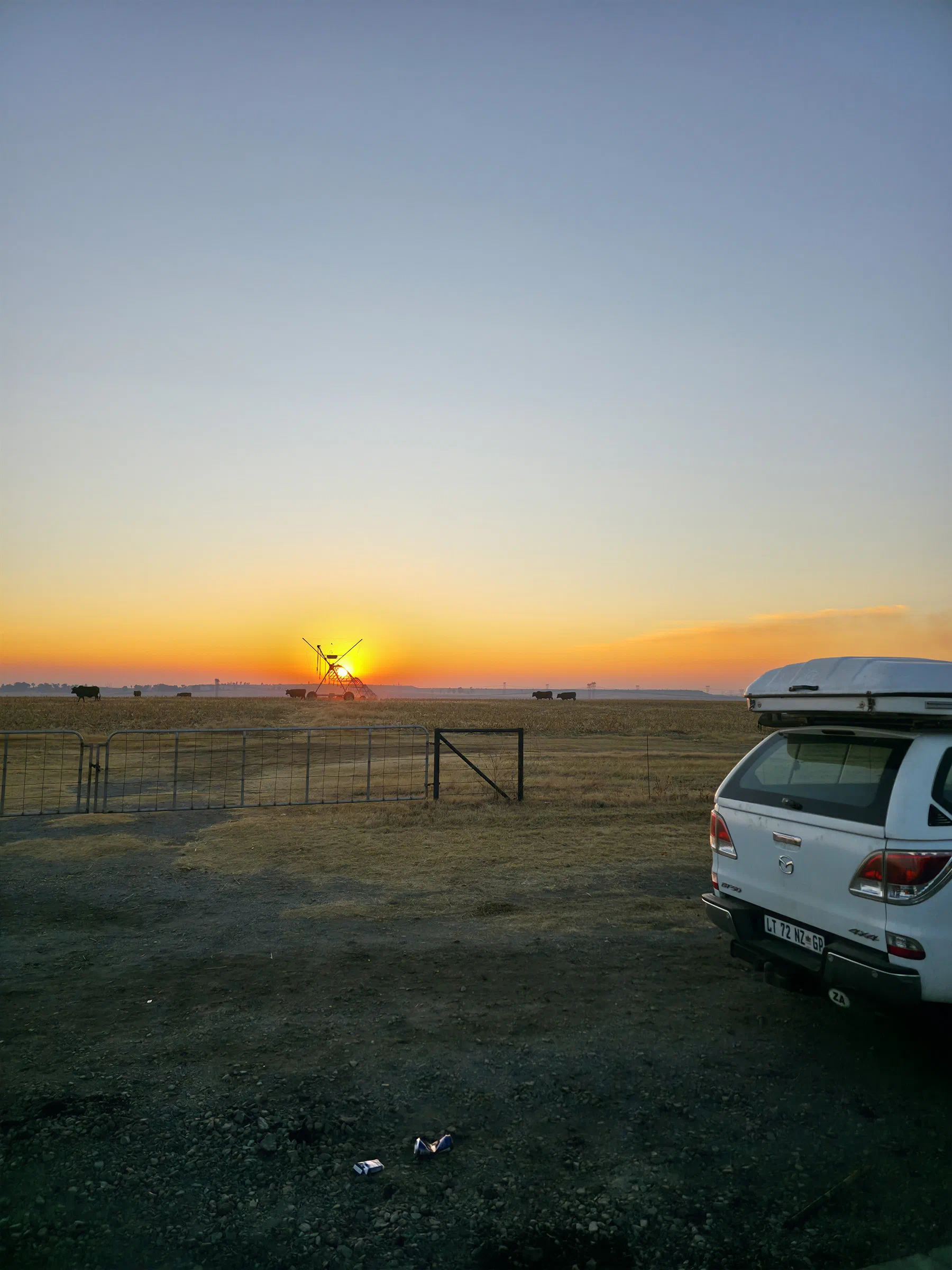
Come and see for yourself
Our big parks are wonderful, and you should visit them. But if you want to know where South Africa’s birders actually spend their weekends, it’s on these quiet farm roads.
I run small-group birding and bird photography day outings to Devon, Zaagkuilsdrift and other back-road sites from Pretoria, never with more than three guests. If you’re planning a trip, have a look at the visitor’s guide or send me a message. I’m always happy to help.
Planning a trip to South Africa?
Send your dates and the birds you’re hoping to see. Christo replies personally to every enquiry.