
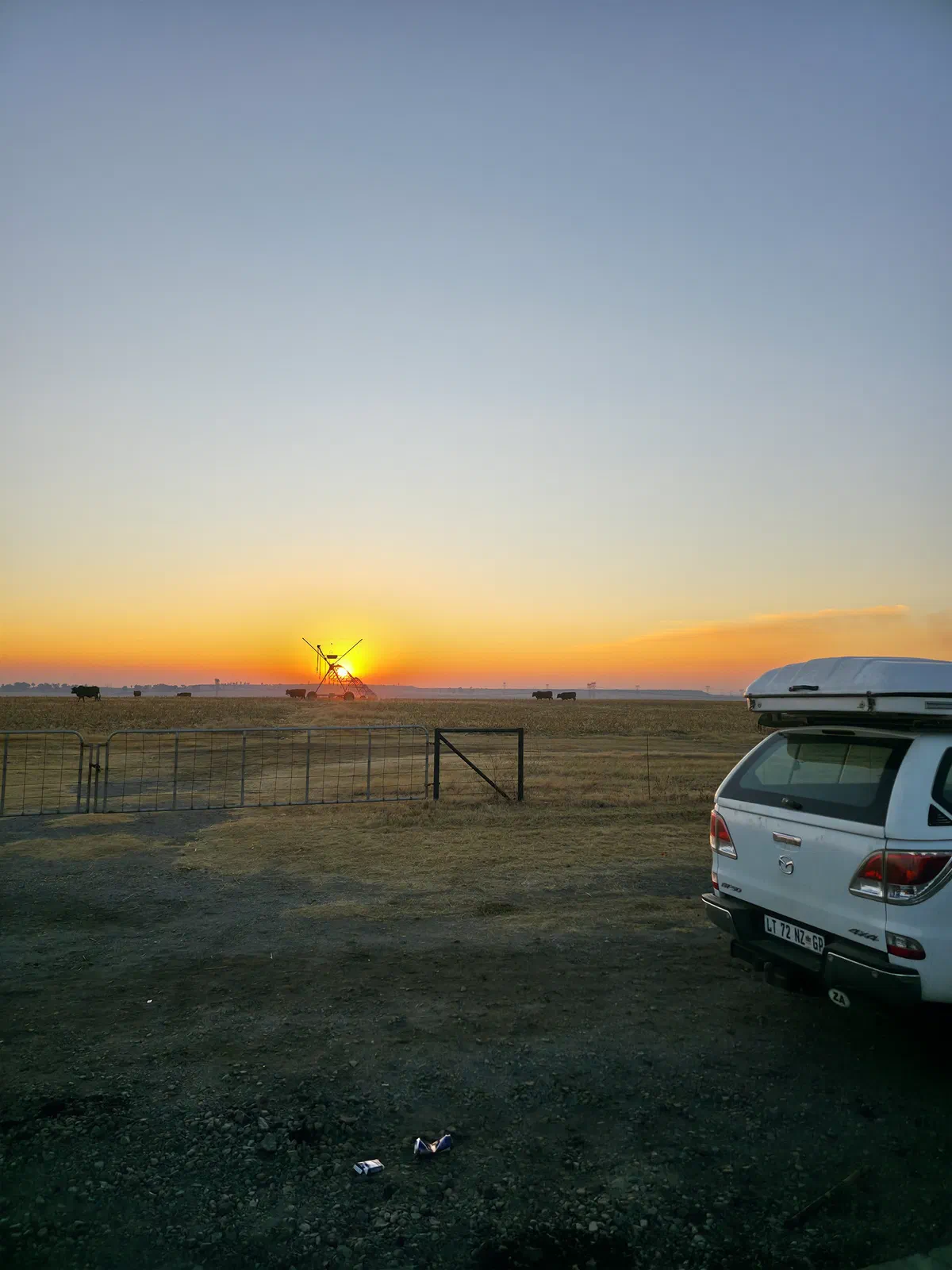
Most overseas birders arrive in South Africa through Johannesburg. Grasslands, wetlands and bushveld full of birds lie within easy reach of the city, and from Pretoria we can be on location before sunrise. This page covers the practical side of a visit: getting to us, where to stay, when to come and what to pack.
Getting to us
Most international flights land at OR Tambo International Airport in Johannesburg, and Lanseria International Airport, north-west of the city, is the smaller alternative. We can collect you from either airport as an optional extra.
Our day outings start from a safe meeting spot in Centurion, in the greater Pretoria area. If you don’t have a car, take an Uber to the meeting spot, or we can collect you from your hotel or guest house for a collection fee, worked out when you book from the distance and the current fuel price.
Where to stay
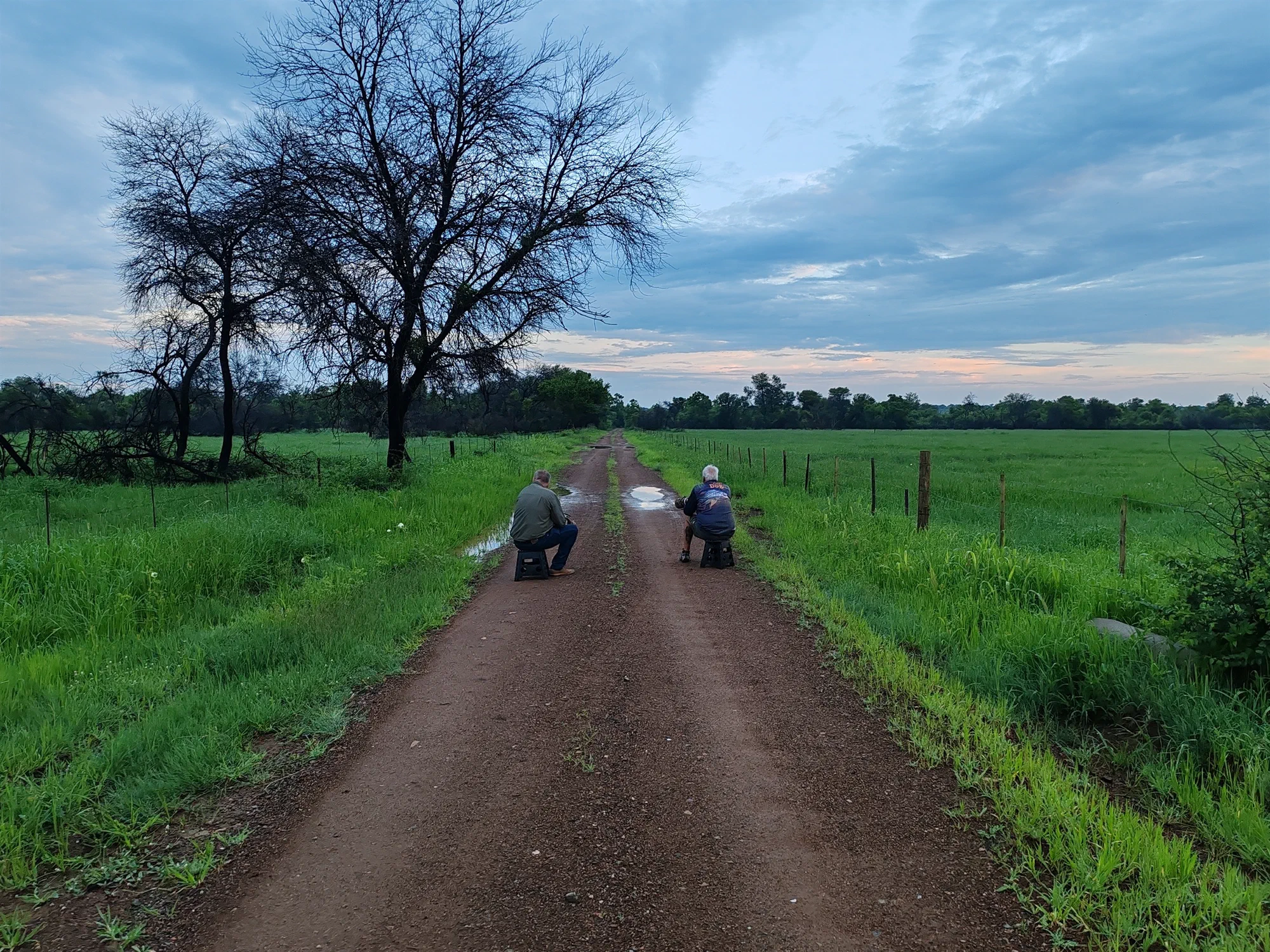
Staying near OR Tambo is handy if you arrive late or fly out early, but for birding, Pretoria is the better base: the day outings start there, and you’ll be closer to the venues. Lynwood, Menlyn, Waterkloof and Irene are all good areas to stay, with safe local birding spots nearby.
Booking several days with us? We’ll take care of everything: accommodation, meals, drinks and all the travelling, wherever you’d like to stay. Travel insurance isn’t included.
When to come
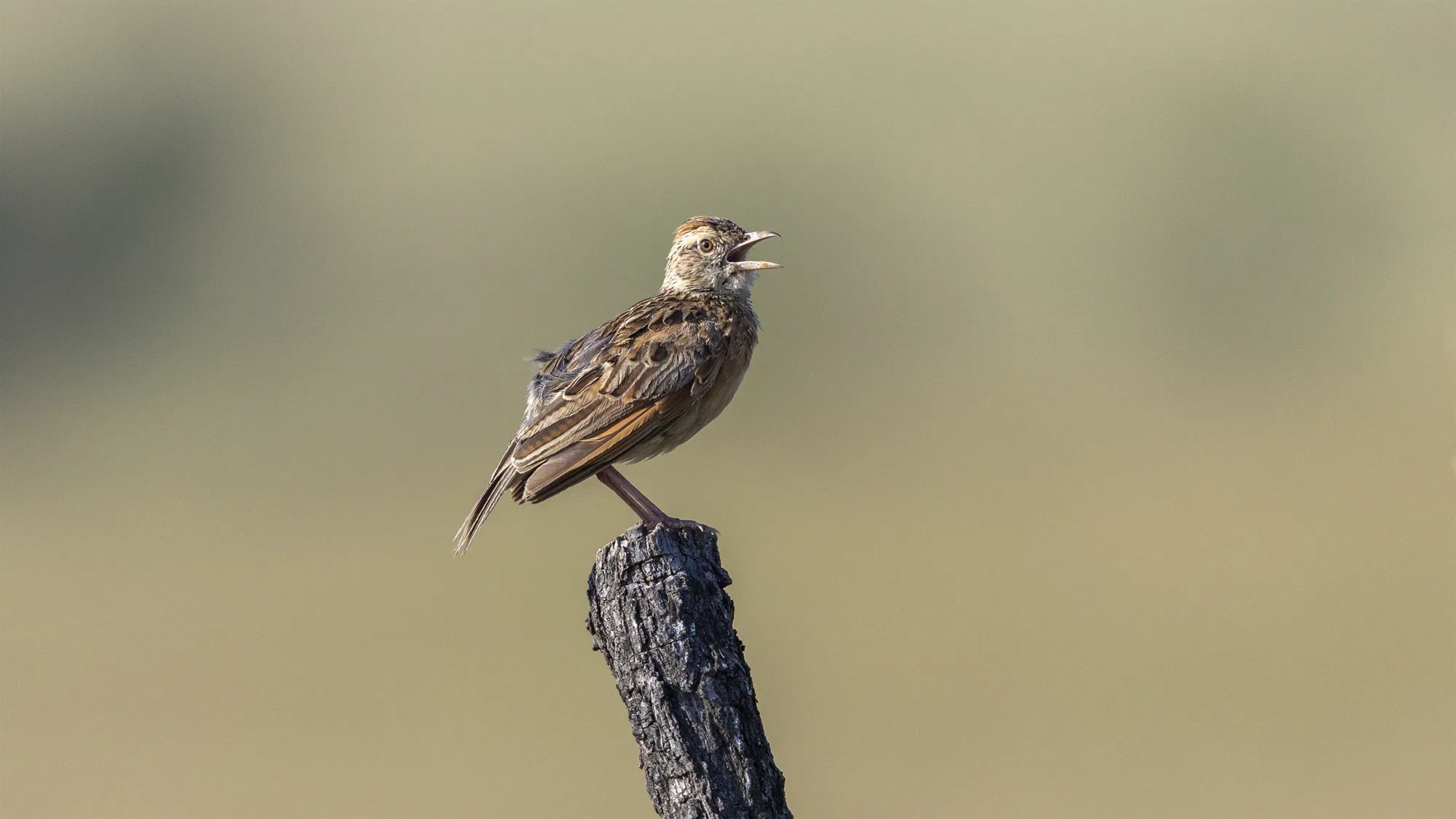
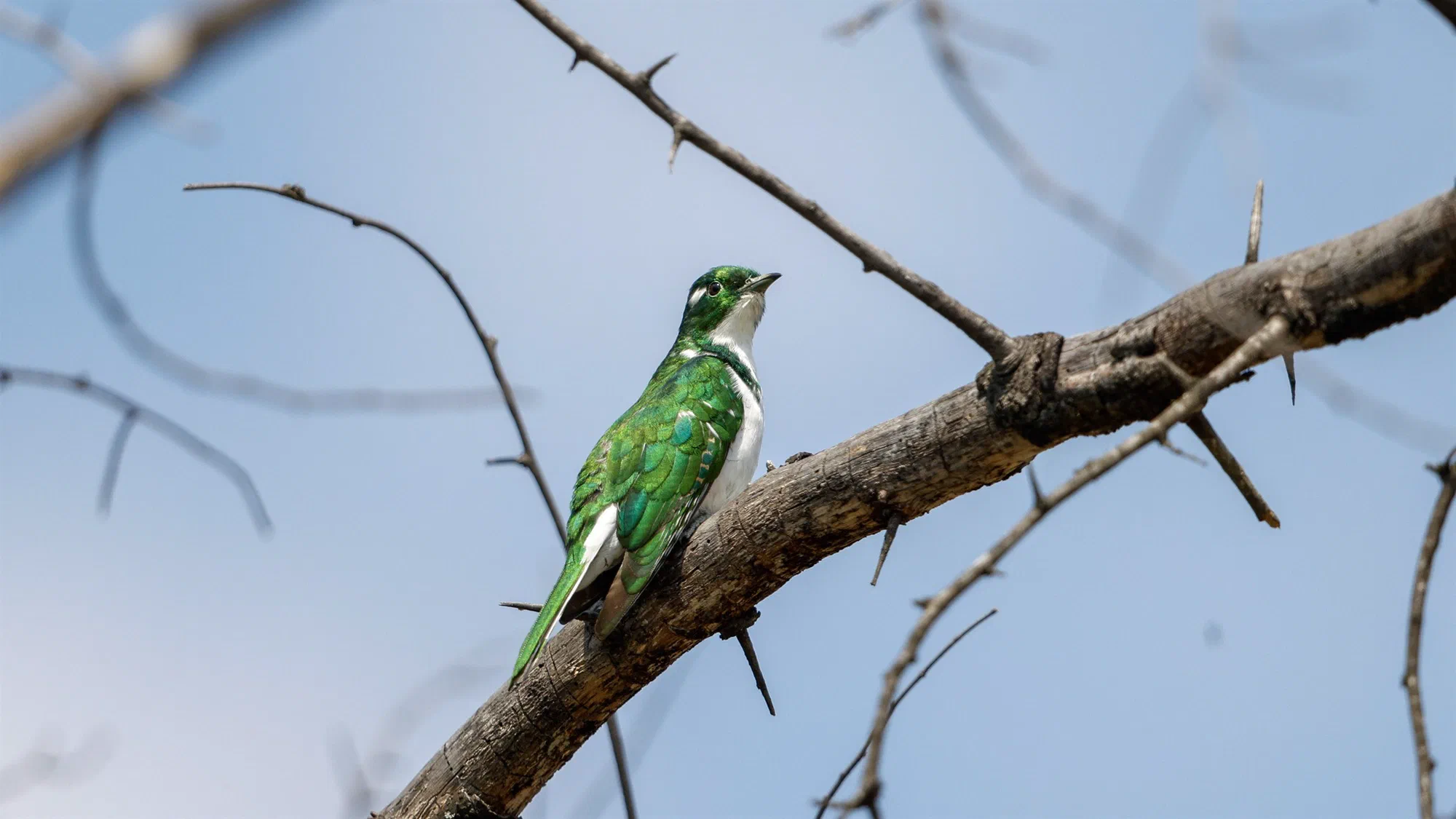
Summer is the best time to bird in South Africa, and early summer, from October to December, is the best of all. This is when the LBJs (the “little brown jobs”: larks, pipits and cisticolas) and many normally difficult species start displaying, and the cuckoos are calling intensely. These are also some of the drier months, so we can still reach the marshy areas while the difficult species are active.
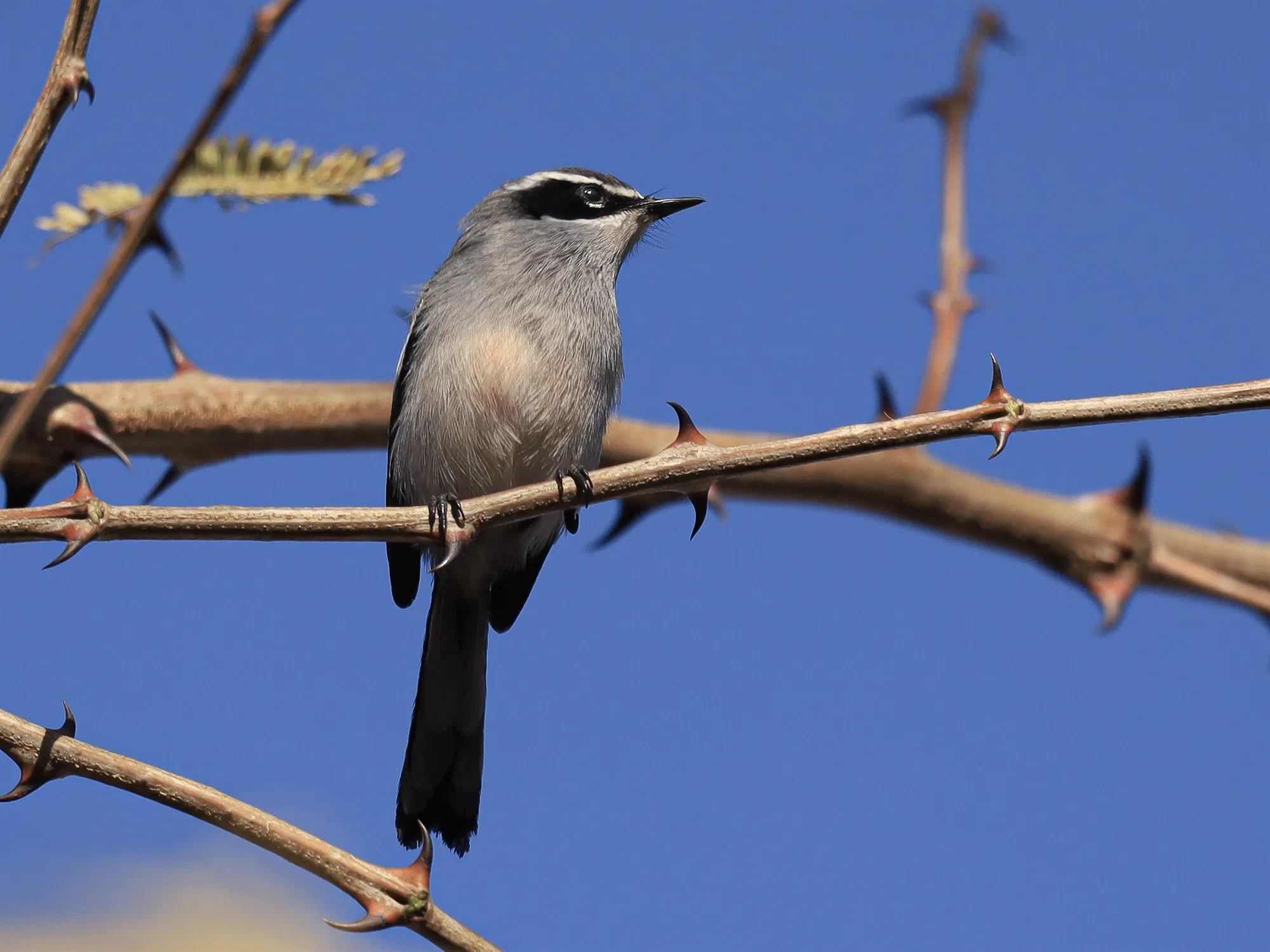
Winter isn’t bad either. Intra-African migrants such as the Swallow-tailed Bee-eater and Fairy Flycatcher visit the Gauteng area in the cooler months.
What to pack
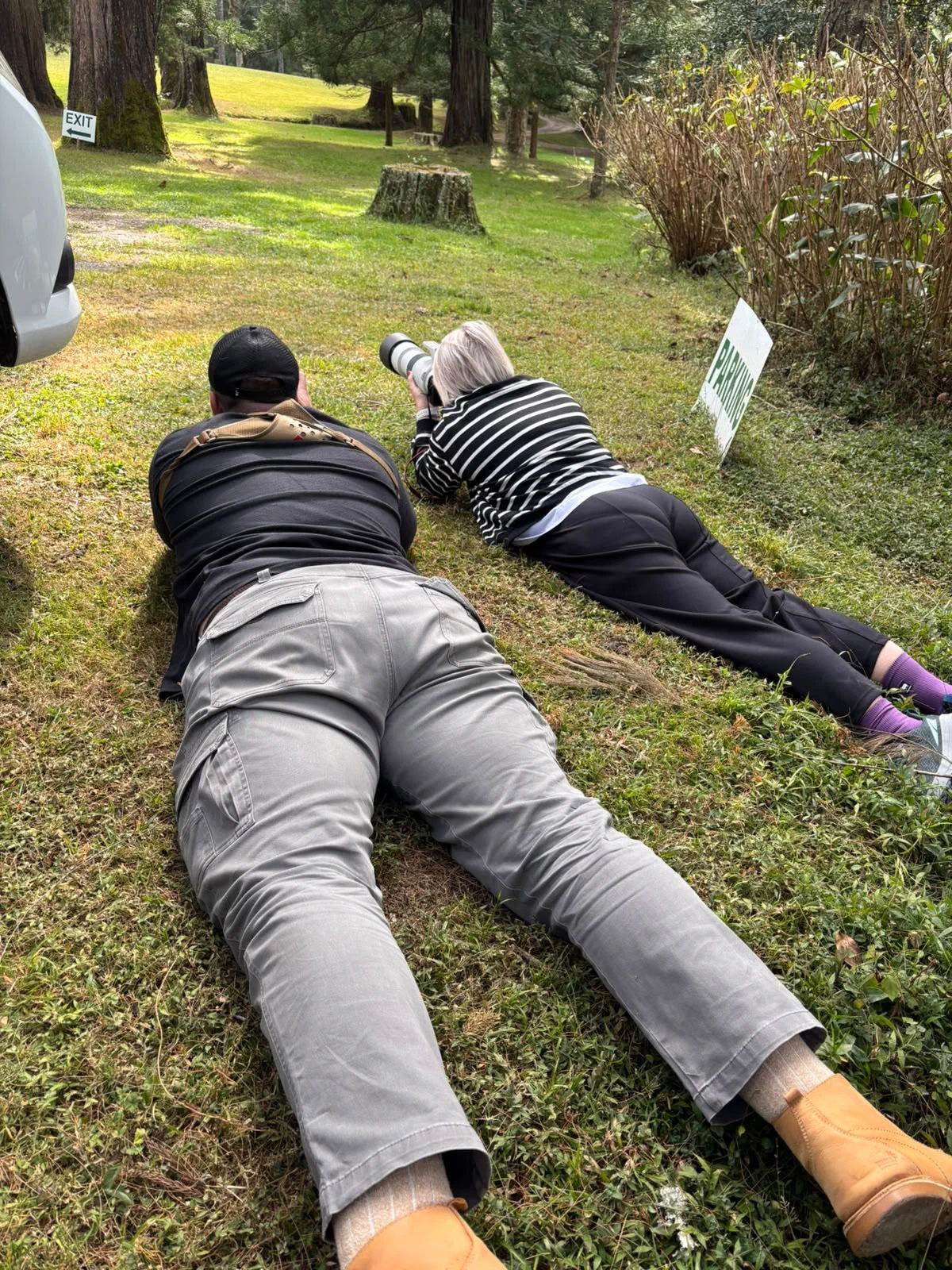
For us, the essentials are sunscreen, anti-tick spray and a proper wide-brimmed hat. Be ready to get a little dirty, too: we often get down low for an eye-level shot, so leave the designer clothes at home. Bring a warm jacket, because we leave before sunrise and the mornings can be chilly.
Add your camera gear and binoculars, spare batteries and memory cards for a long day, comfortable closed shoes, and a light rain jacket in summer, when afternoon thunderstorms are common on the Highveld. South African sockets take type M, N and C plugs (230 V), so pack an adapter.
Good to know
Safety. We always meet at a safe spot. The exact location is shared once full payment has been received.
Health. Gauteng is malaria-free. The Kruger National Park is a low-risk malaria area; if you’re heading there, ask a travel clinic for advice before you travel.
Visas. Many nationalities can visit South Africa without a visa for a short stay. Check the official list on the Department of Home Affairs website.
Money. Prices are in South African rand, and you can pay with PayPal. The currency switcher at the top of the page shows approximate amounts in US dollars, euros or pounds.
Insurance. We strongly recommend travel insurance, taken out as soon as you’ve booked.
Questions? Christo usually replies within 24 hours (South African time, GMT+2). See the FAQ, or send an enquiry.