
Wildlens Birding Tours · Trip report

Zaagkuilsdrift: Beyond the Bird List
There are places you visit for the birds, and then there are places that change the way you look at birding.
- Published
- September 2026
- Route
- Zaagkuilsdrift Road, north of Pretoria
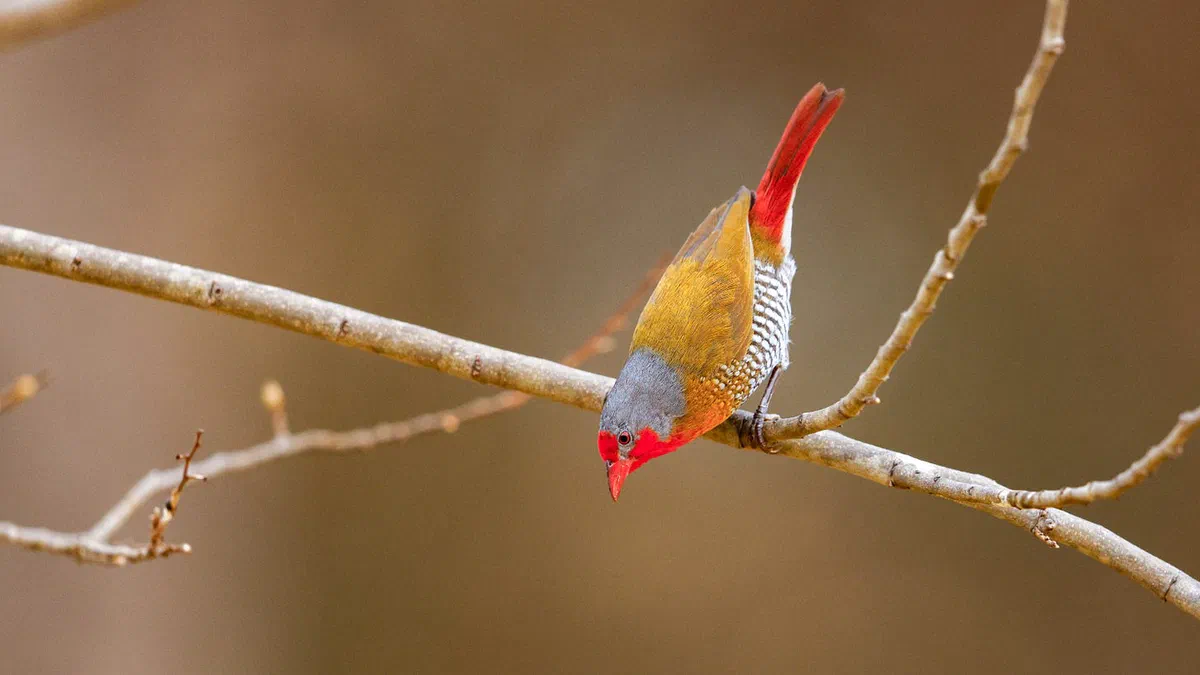
For me, Zaagkuilsdrift has gradually become one of those places.
Zaagkuilsdrift Bird Sanctuary & Lodge sits along the famous Zaagkuilsdrift Road, close to the Pienaars River and the Kgomo-Kgomo floodplain. It is a destination well known among South African birders, but for someone visiting for the first time, it can be slightly confusing. One of the biggest misconceptions is that the lodge itself is the main attraction for birding.
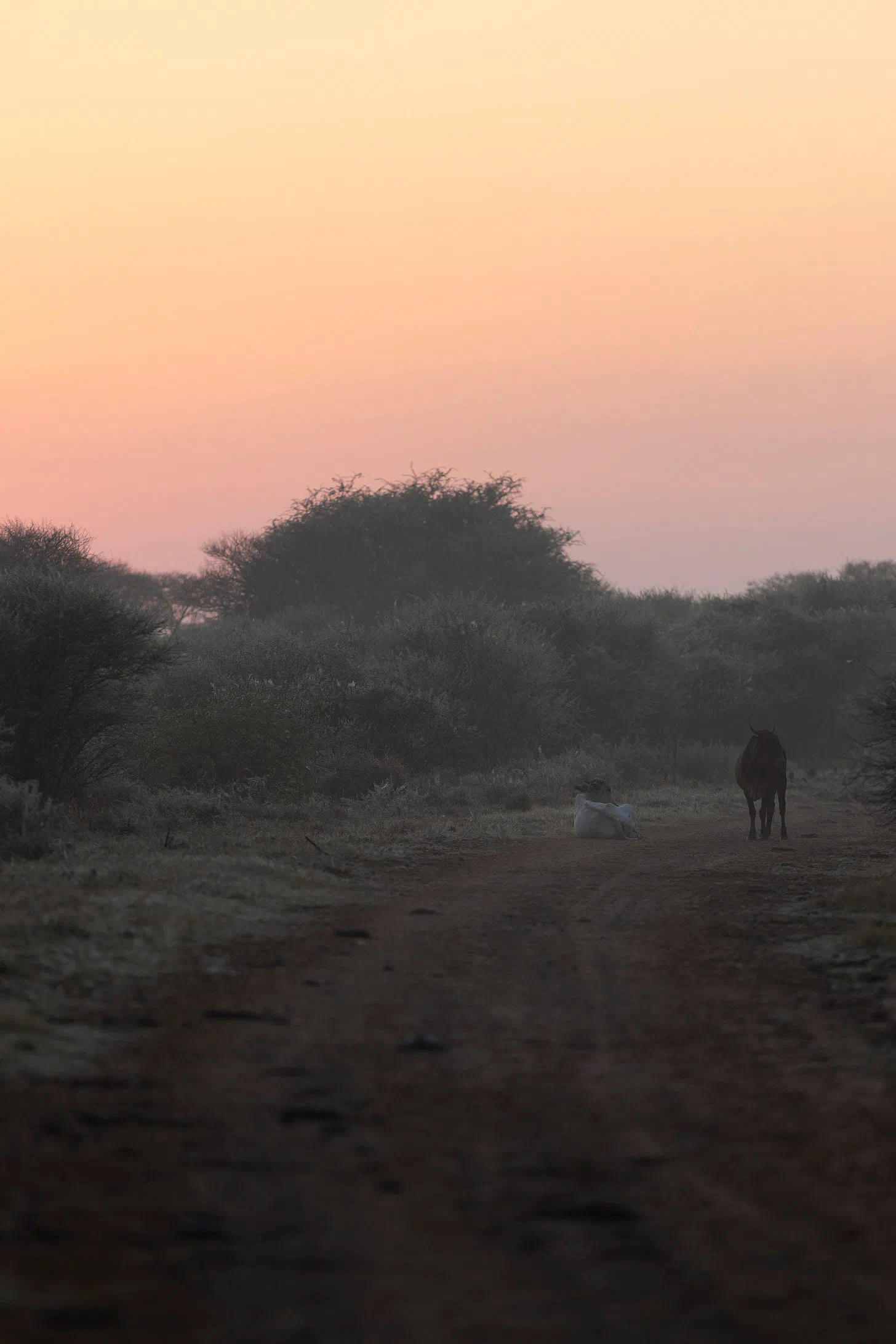
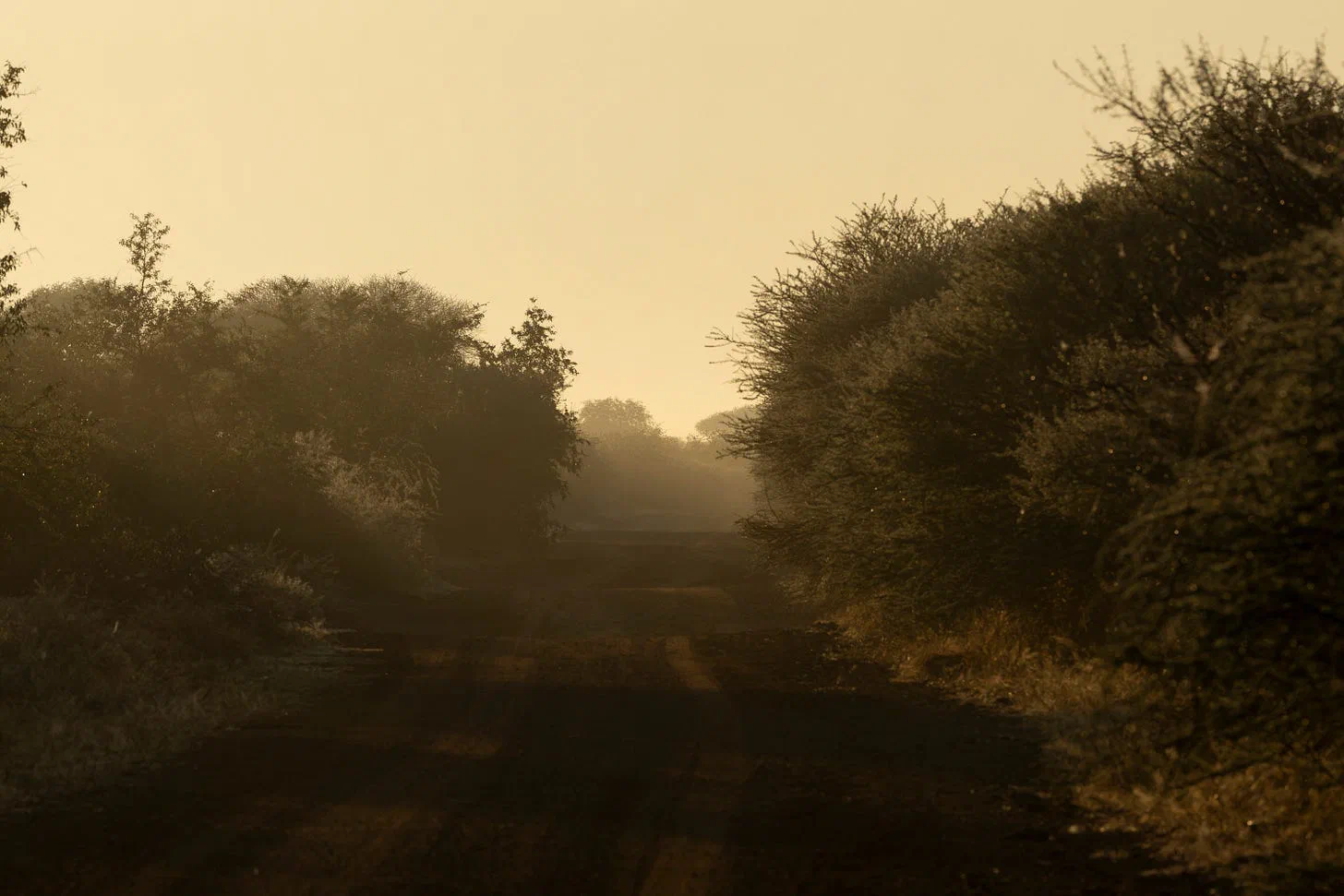
In reality, some of the most productive birding takes place along the public Zaagkuilsdrift Road.
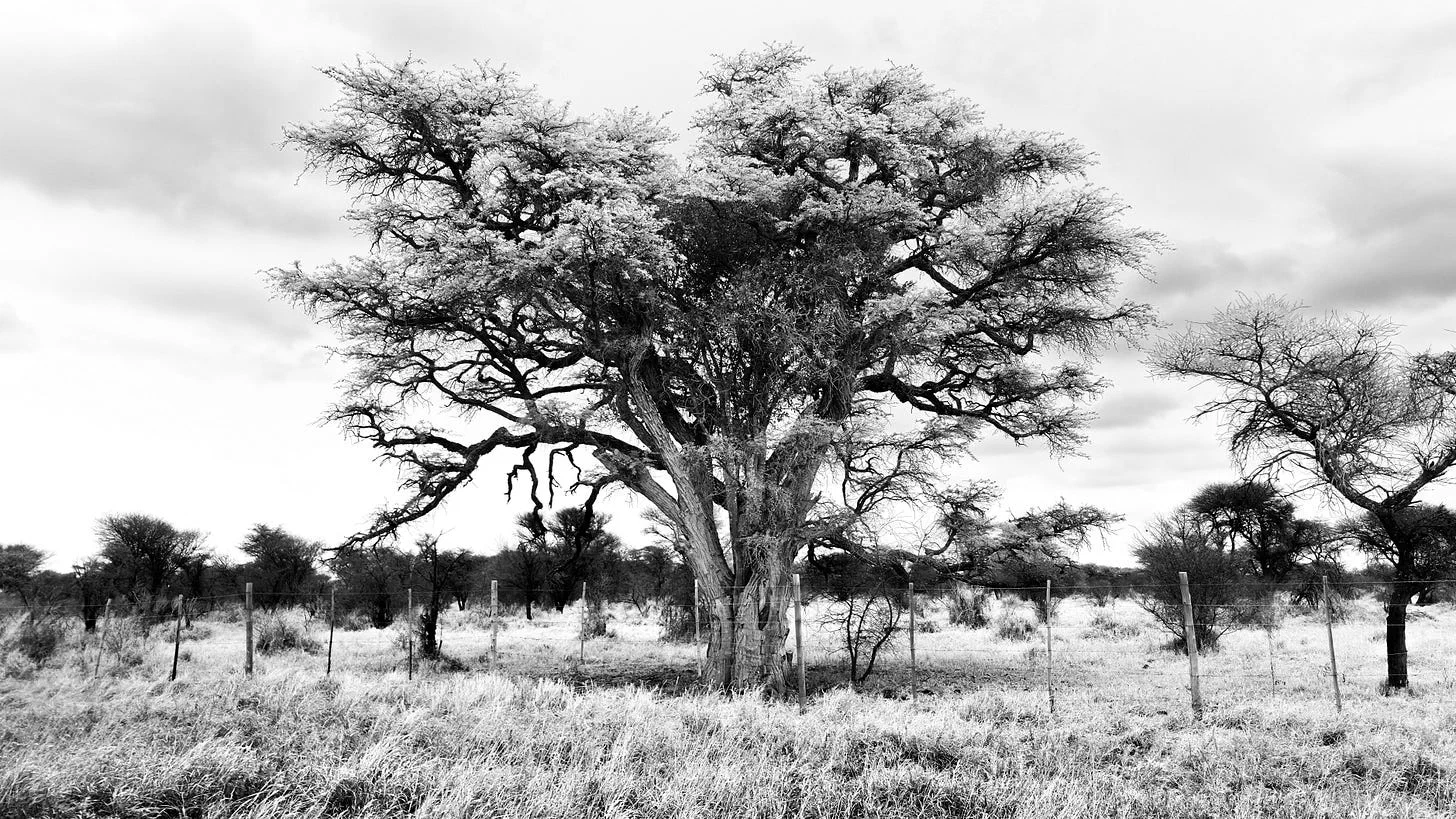
The road stretches for roughly 20 kilometres between Pienaarsrivier and Kgomo-Kgomo, passing through a remarkable mixture of thornveld, grassland, thickets and floodplain habitat. It is this variety that makes the area so productive. BirdLife South Africa describes Zaagkuilsdrift as one of the country’s top bushveld birding destinations and notes that more than 150 species can be recorded on a good day’s birding.
And then there are the warblers.
Zaagkuilsdrift has become something of a pilgrimage site for birders interested in migrant warblers, particularly during the latter part of summer. Species such as Olive-tree Warbler, Marsh Warbler, Icterine Warbler, Great Reed Warbler and the much sought-after River Warbler can occur in the area. The habitat along the road provides exactly the kind of dense vegetation that these small, often elusive birds favour.
But the real excitement begins when the summer rains arrive.
The usually dry Kgomo-Kgomo floodplain can transform dramatically after good rains, creating temporary wetlands that attract an entirely different collection of birds. African Crake, Striped Crake, Baillon’s Crake, Allen’s Gallinule and Lesser Moorhen are among the species that can be encountered when conditions are right. Streaky-breasted Flufftail has also been recorded in exceptionally wet years, although it is a much less predictable visitor.
It is easy to understand why birders become obsessed with the place.
But I have recently started looking at Zaagkuilsdrift differently.
I’m a photographer before I’m a birder
I have always considered myself a photographer before a birder. Yet, somewhere along the way, I realised that I had fallen into the same trap that catches so many birders.
The numbers.
How many species did I see?
How many did I photograph?
Did I get a lifer?
What can I add to my list?
There is nothing wrong with keeping a bird list. In fact, that pursuit is one of the things that makes birding so enjoyable. There is something undeniably exciting about searching for a particular species and finally finding it.
But somewhere along the way, I realised that quantity was no longer what I wanted from my time in the field.
I wanted quality.
I would rather come home with one photograph that I am genuinely proud of than hundreds of photographs of birds that I barely remember taking.
That realisation changed the way I approach places like Zaagkuilsdrift.
Instead of constantly asking myself, “What bird can I find next?”, I have started asking, “What can I do with the bird in front of me?”
And that has led to a philosophy that I now try to follow whenever I am out photographing:
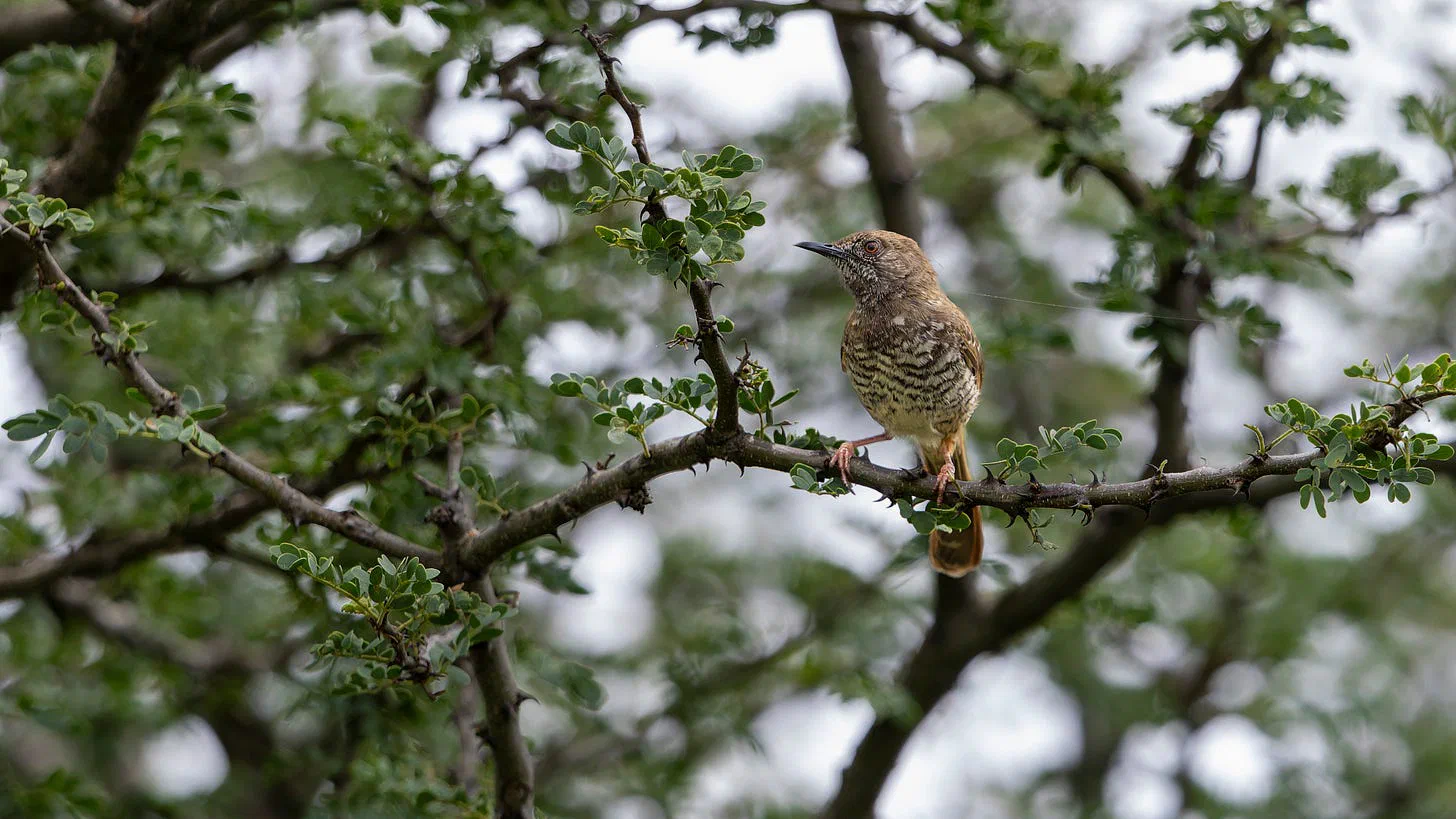
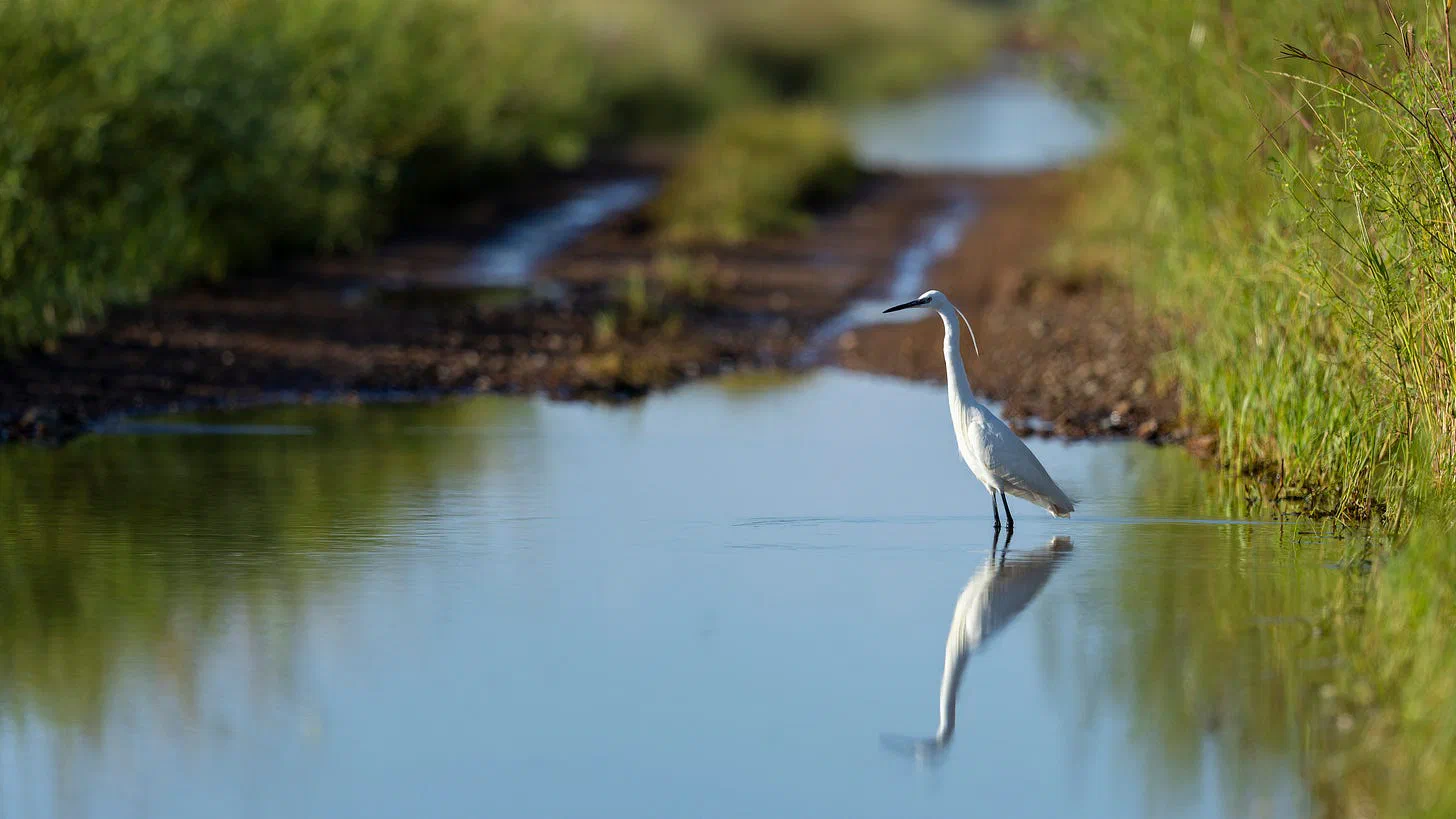
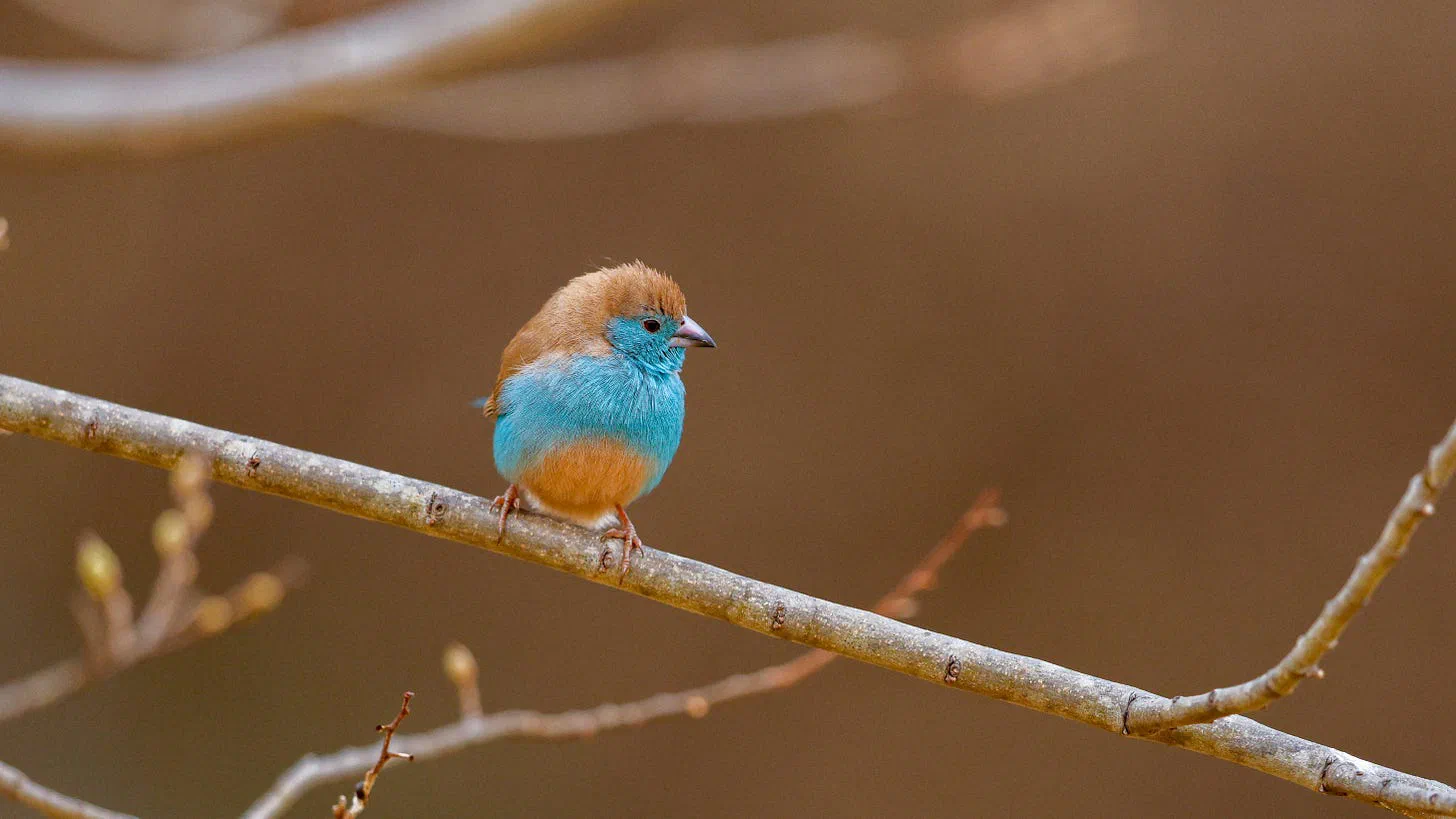
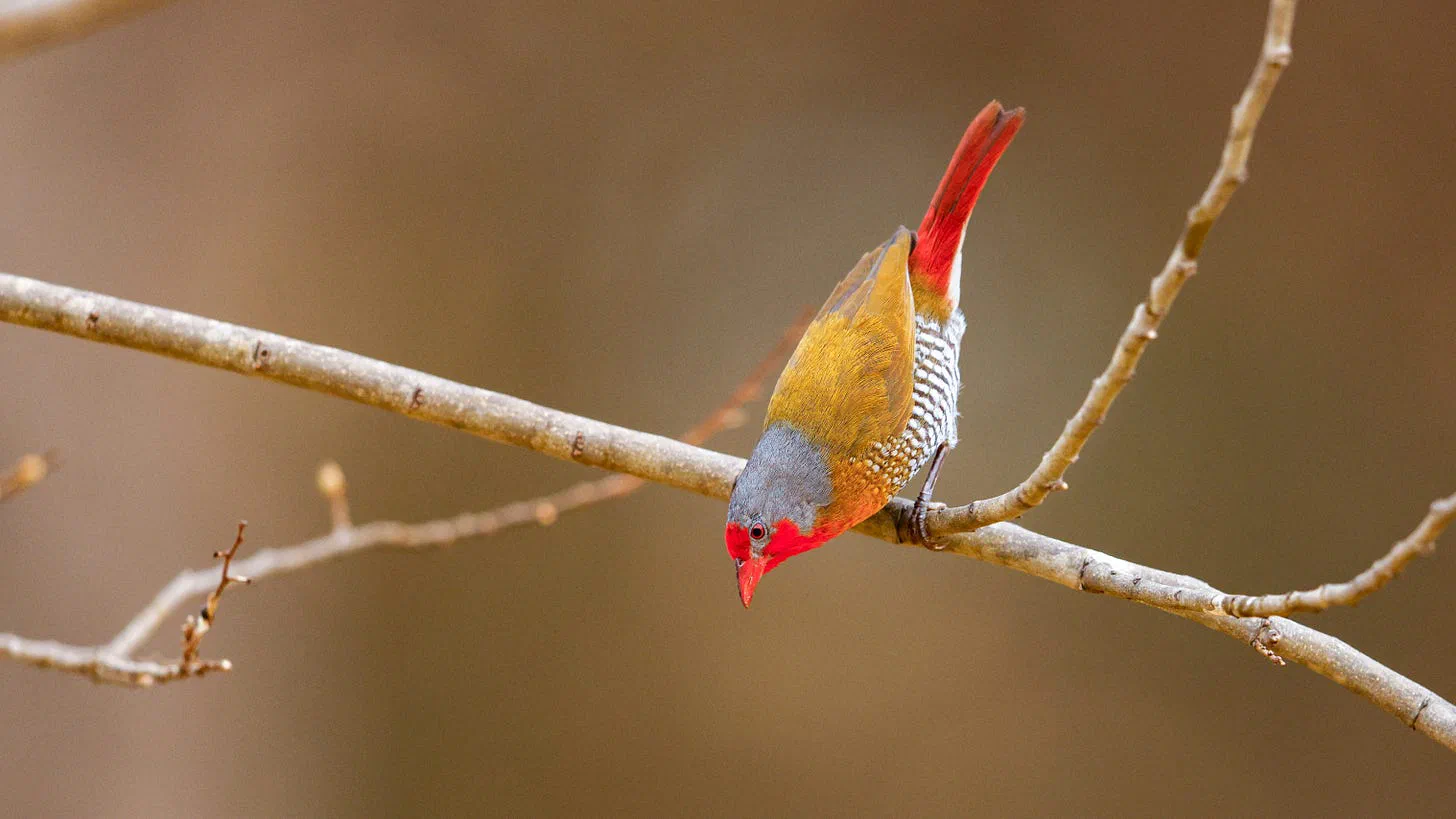
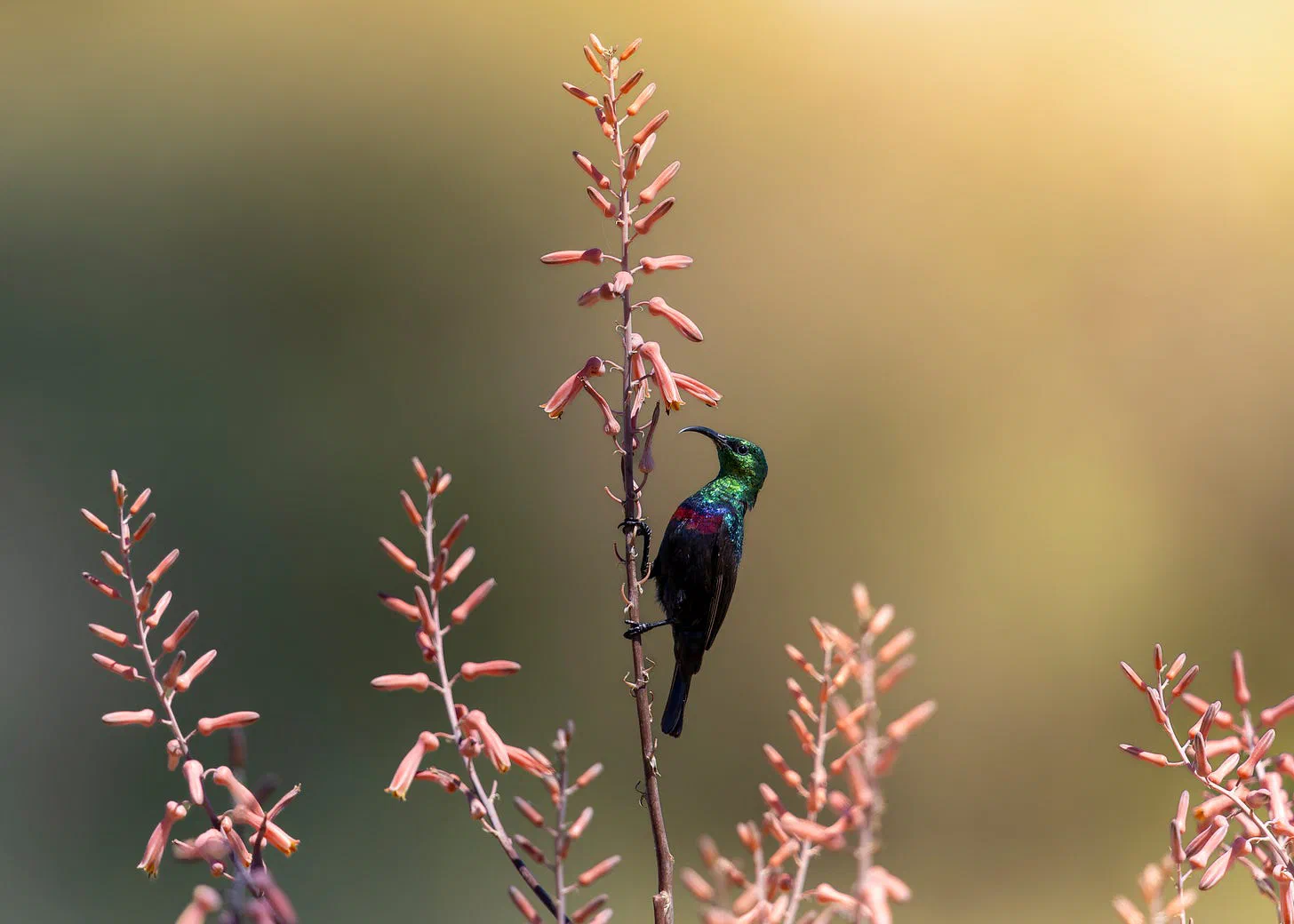
Take uncommon photos of common species.
You don’t always need a rarity to make a great photograph.
Sometimes the most rewarding subject is the bird sitting right in front of you—the one that everybody else has driven past because they were searching for something rarer.
Wait for better light.
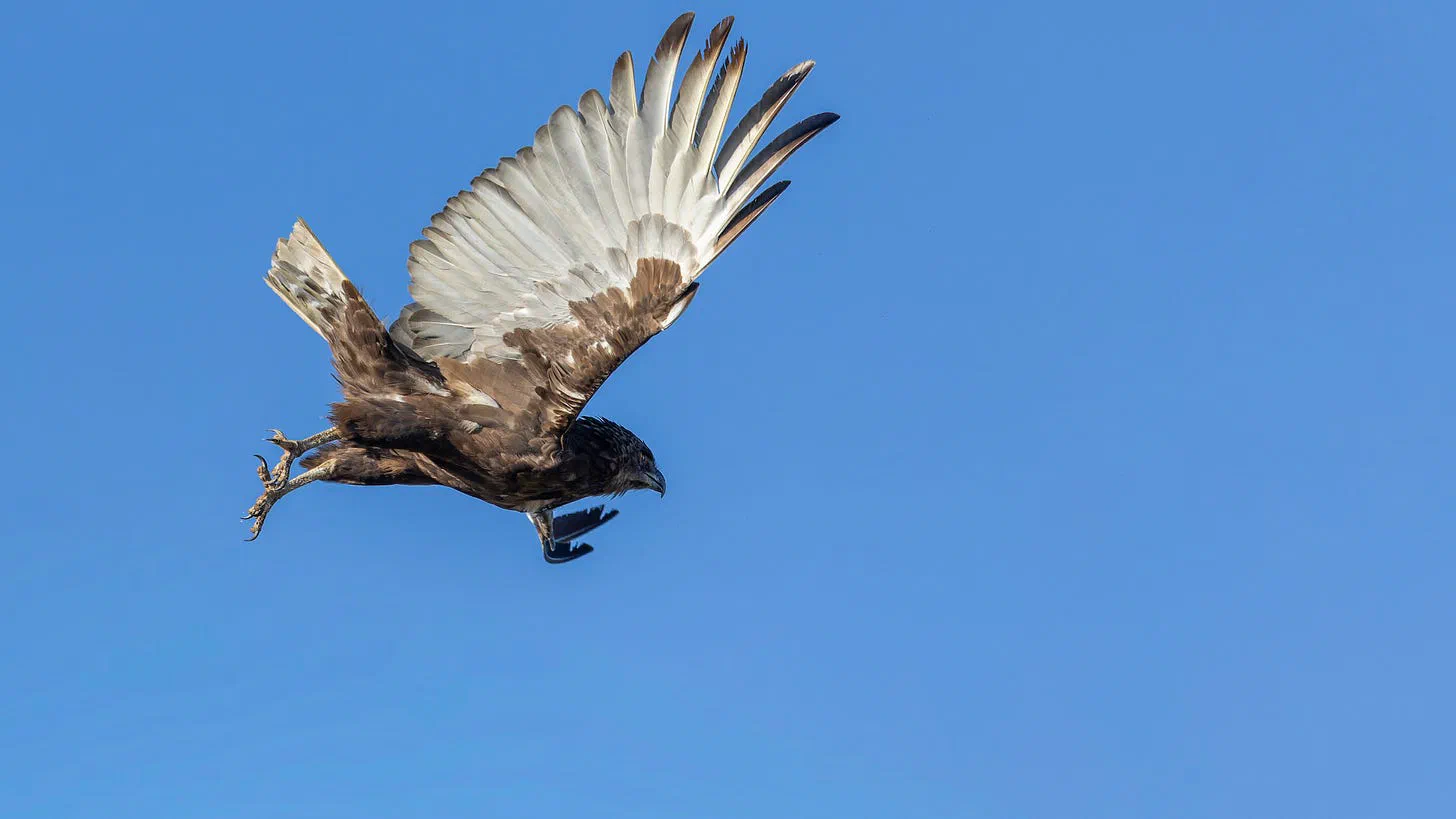
Look for behaviour.
Change your perspective.
Watch the background.
Look for a reflection.
Wait for the right moment.
Instead of trying to photograph every bird you encounter, spend time with one.
That is where Zaagkuilsdrift becomes particularly special for me. It offers an incredible diversity of subjects, but it also gives you the opportunity to slow down and actually work a subject.
More than just a road
The Zaagkuilsdrift experience doesn’t end when you leave the public road.
That is where Zaagkuilsdrift Bird Sanctuary & Lodge becomes such an important part of the experience.
The lodge places you right on the doorstep of this remarkable birding landscape, offering visitors somewhere to stay while exploring the surrounding birding routes. The property itself provides birding opportunities, while the broader area opens up the famous Zaagkuilsdrift Road and Kgomo-Kgomo floodplain.
Accommodation includes en-suite lodge rooms, family chalets and camping options, making it suitable for anything from a dedicated birding weekend to a more relaxed bushveld escape. There is also a swimming pool, restaurant and bar, giving you somewhere to unwind once the day’s birding and photography are finished.
And perhaps that is one of the things I appreciate most about the place.
You can spend the early morning slowly working your way along the road with a camera and a long lens, stopping whenever something catches your attention. You can spend hours searching the floodplain when conditions are right. You can chase a particular warbler, search for crakes or simply stop beside the road because the morning light has suddenly become perfect.
Then, instead of having to rush home, you have somewhere to return to.
Somewhere to sit down.
Have something to eat.
Take a swim.
Have a drink.
And start thinking about what the next morning might bring.
Don’t chase the list
Perhaps the biggest lesson Zaagkuilsdrift has taught me is that there is more than one way to enjoy birding.
You can chase the biggest list.
You can chase lifers.
You can chase rarities.
Or you can chase photographs.
For me, the last option has become increasingly important.
I don’t want to remember a day at Zaagkuilsdrift simply because I saw 100 or 150 species. I want to remember the one bird that gave me an incredible moment. The perfect light. The unusual behaviour. The photograph that I couldn’t have planned.
Because ultimately, birding isn’t a competition against the person sitting in the vehicle next to you.
And photography certainly isn’t.
The next time I drive down that sandy road between Pienaarsrivier and Kgomo-Kgomo, I don’t want to be thinking about how many birds I can tick off.
I want to slow down.
I want to look.
And if I happen to find a common bird sitting in beautiful light, I’ll stop.
Because perhaps the best birding day isn’t the one where you find the most birds.
Perhaps it’s the one where you truly see one.
And that’s what Zaagkuilsdrift has started to mean to me.
Take uncommon photos of common species.
This report first appeared on Christo's Substack.
From the trip
Planning a trip to South Africa?
Send your dates and the birds you’re hoping to see. Christo replies personally to every enquiry.
Join the next trip with Wildlens Birding Tours
Small-group bird photography in South Africa, limited to three guests.
WhatsApp Christo · +27 61 586 5031
www.wildlensbirdingtours.co.za · christo@wildlensbirdingtours.co.za
Read online: https://www.wildlensbirdingtours.co.za/trip-reports/zaagkuilsdrift/