
Wildlens Birding Tours · Trip report

Pafuri: Where Kruger Becomes a Different Kind of Wild
Birds, light and history in the far north of the Kruger National Park, from our stay at RETURN Africa Pafuri Camp on the Luvuvhu River.
- Published
- September 2026
- Route
- Pafuri, northern Kruger National Park
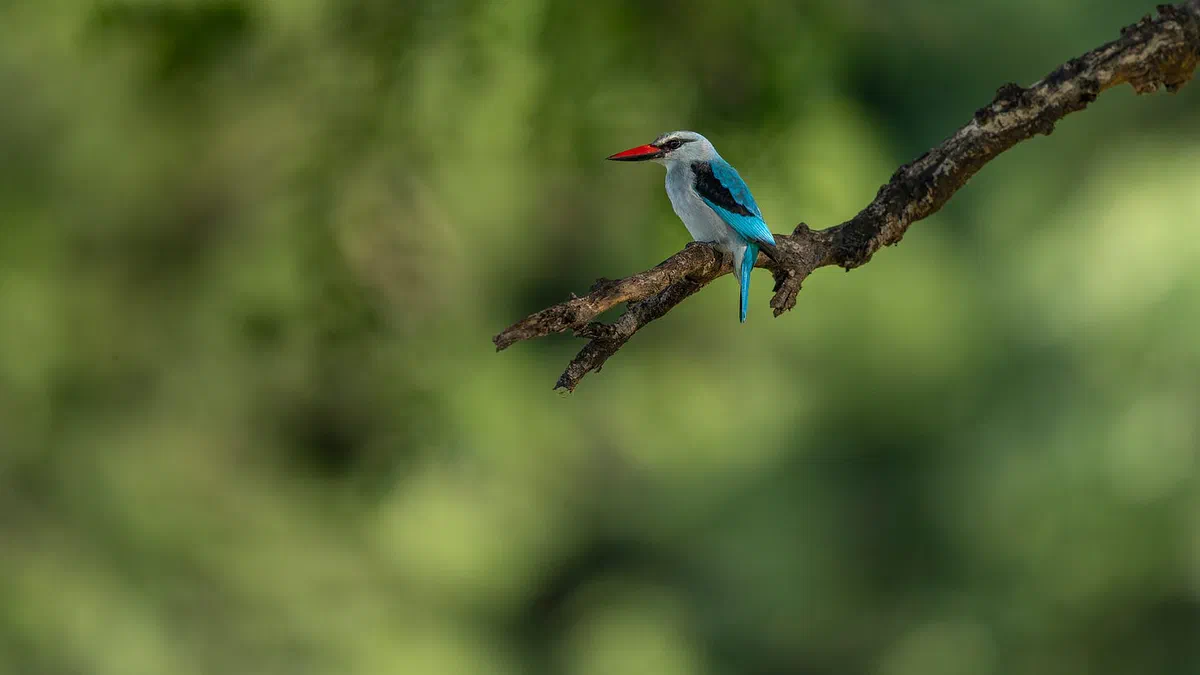
There are places in South Africa where the destination is almost as important as what you hope to see there. Pafuri, in the far north of the Kruger National Park, is one of those places. For a birder or wildlife photographer, it is not simply another section of the park to be explored with a checklist in hand. Pafuri is a meeting point of rivers, forests, floodplains, mopane woodland, baobabs and open savanna, creating an extraordinary concentration of habitats in a relatively small area. It is also a place where the natural history of the region is inseparable from its human history, particularly that of the Makuleke people.
My visit to Pafuri and my stay at RETURN Africa Pafuri Camp gave me an opportunity to experience this landscape not simply as a safari destination, but from the perspective of someone who is constantly looking for birds, light and photographic opportunities. That combination changes the way you experience the bush. You begin listening before you start looking. A call from somewhere in the riverine forest can be just as exciting as movement on the road, and a small bird sitting quietly in the right light can suddenly become the most important sighting of the morning.
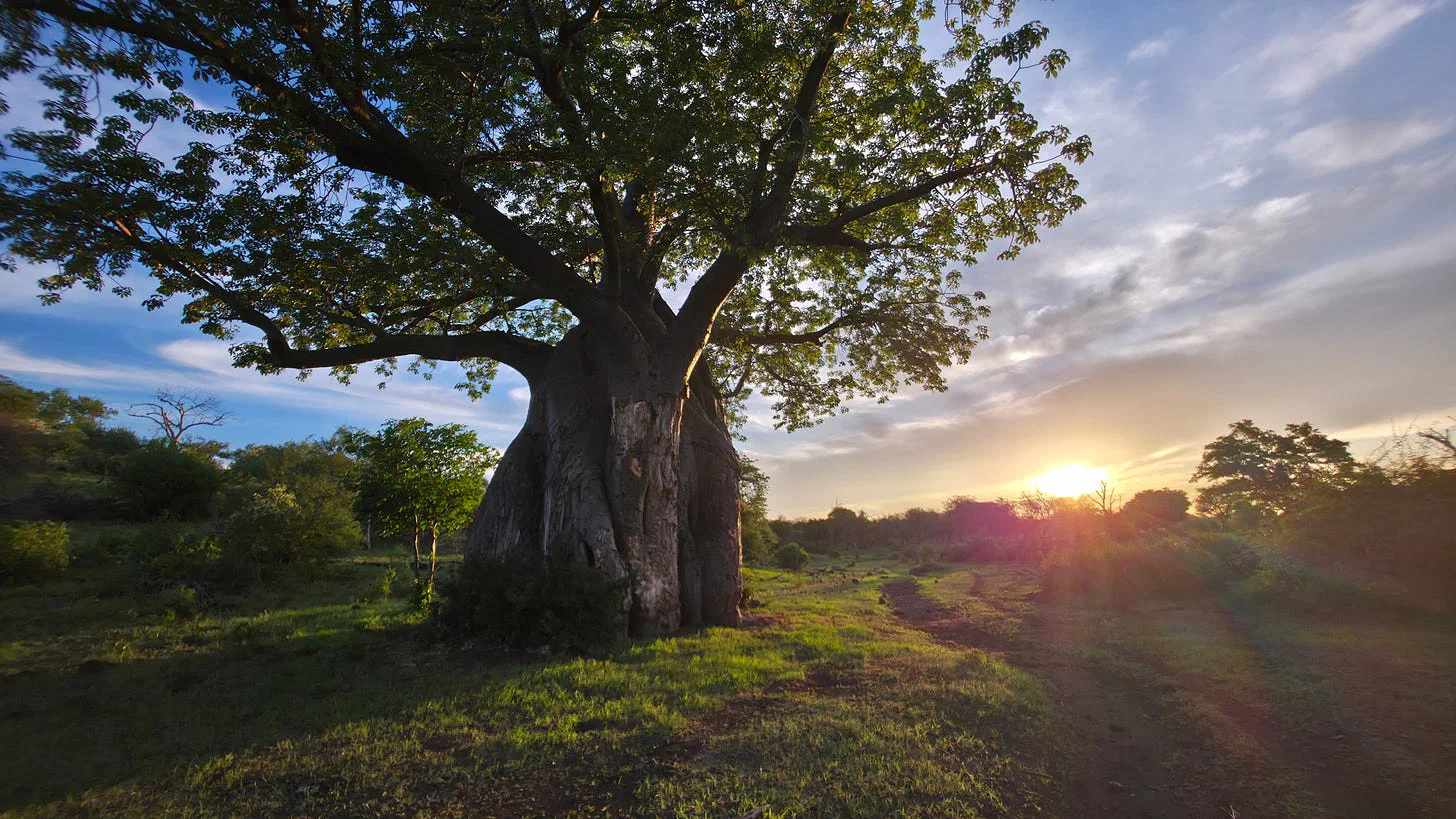
Pafuri occupies the northernmost corner of Kruger, around the meeting of the Luvuvhu and Limpopo rivers. The Luvuvhu is particularly important to the character of the area, supporting dense riverine vegetation and a series of wetlands and floodplains that contrast dramatically with the drier woodland further away from the river. Cross the river and the landscape changes again, with mopane woodland, baobabs and open areas creating a very different visual character. It is this variety of habitats that helps explain why northern Kruger is regarded as one of South Africa’s great birding destinations. BirdLife South Africa notes that a number of species found in the region occur nowhere else in South Africa, or reach the southern edge of their distribution here.
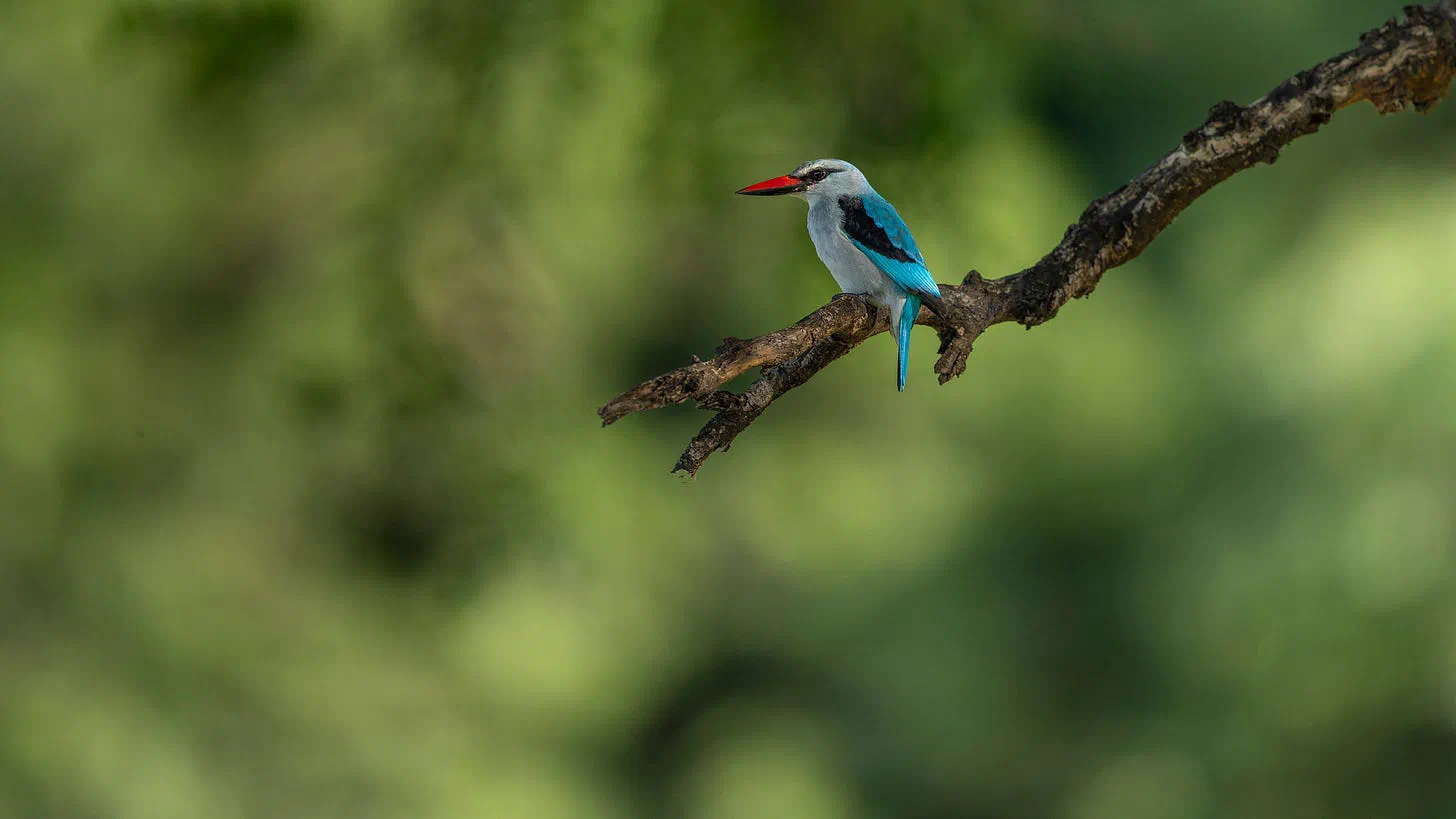
For a photographer, that habitat diversity is particularly valuable. You are not photographing birds against the same background throughout the day. The riverine forests produce deep greens and filtered light, while the open woodland and baobab country offer completely different compositions. Even when the bird itself is common, its surroundings can turn an ordinary record shot into something far more memorable. This is one of the reasons I found myself paying as much attention to the environment around a bird as I did to the bird itself.
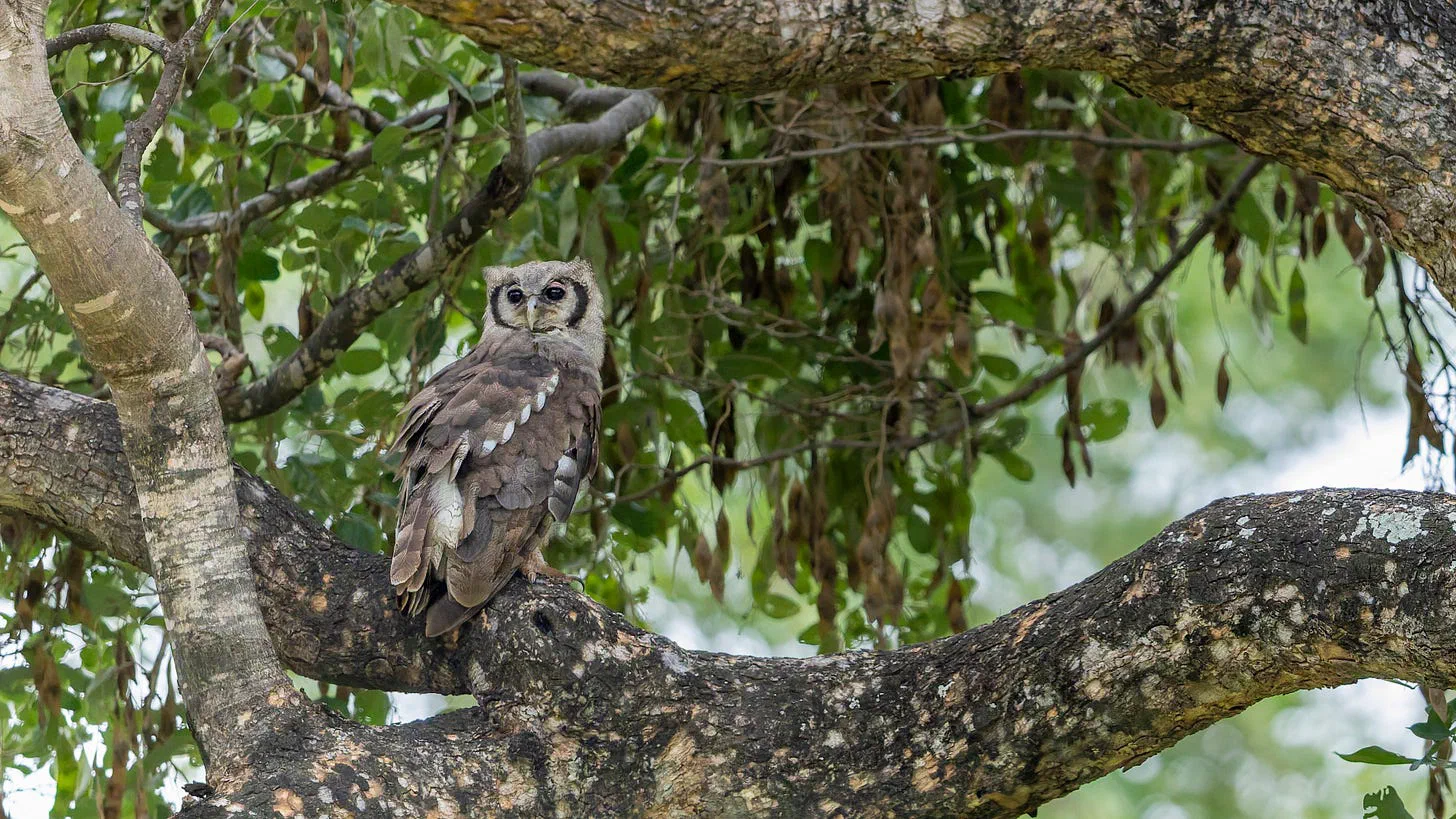
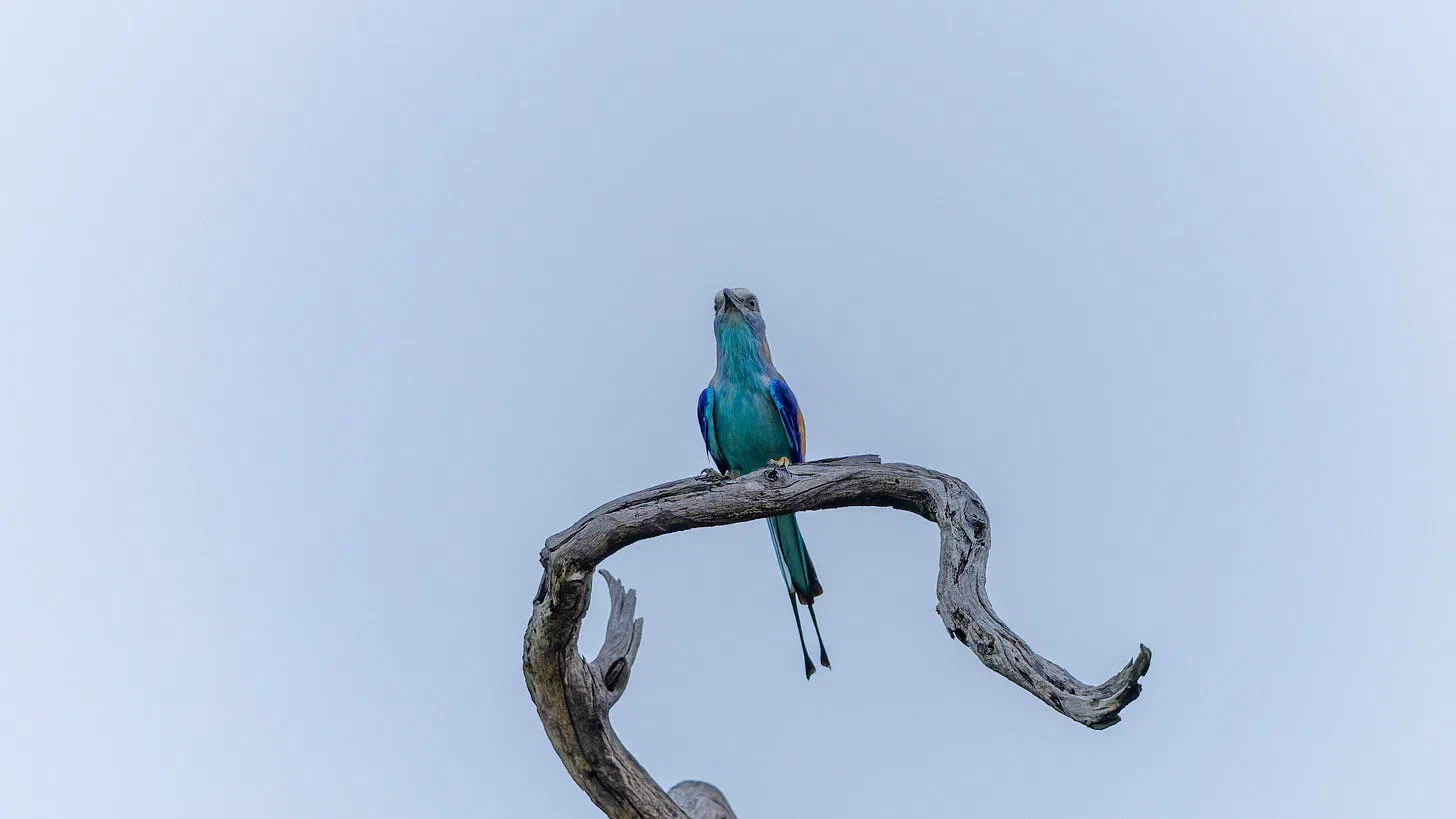
Pafuri has a reputation for species that can make even experienced birders slow down and pay attention. The list of possibilities includes some of the region’s most sought-after birds, from Pel’s Fishing Owl and White-backed Night Heron along the river to Three-banded Courser, Racket-tailed Roller, Arnot’s Chat, Black-throated Wattle-eye and Meves’s Starling in the surrounding habitats. Raptors are another attraction, with species such as Bateleur, Martial Eagle and African Hawk-eagle among the possibilities. The area is particularly productive because of the combination of riverine forest, woodland, dry country and wetlands rather than because of any single habitat.
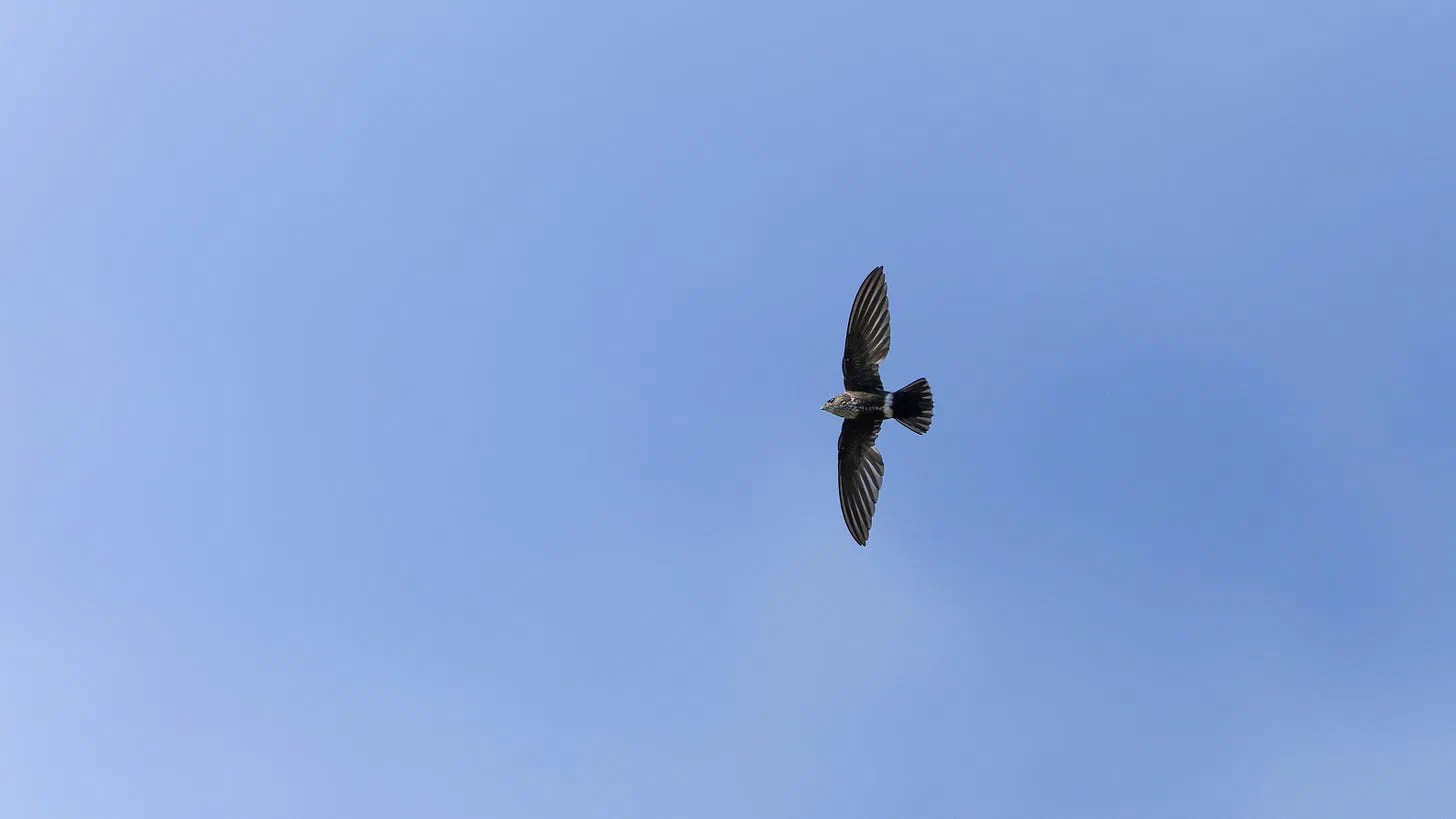
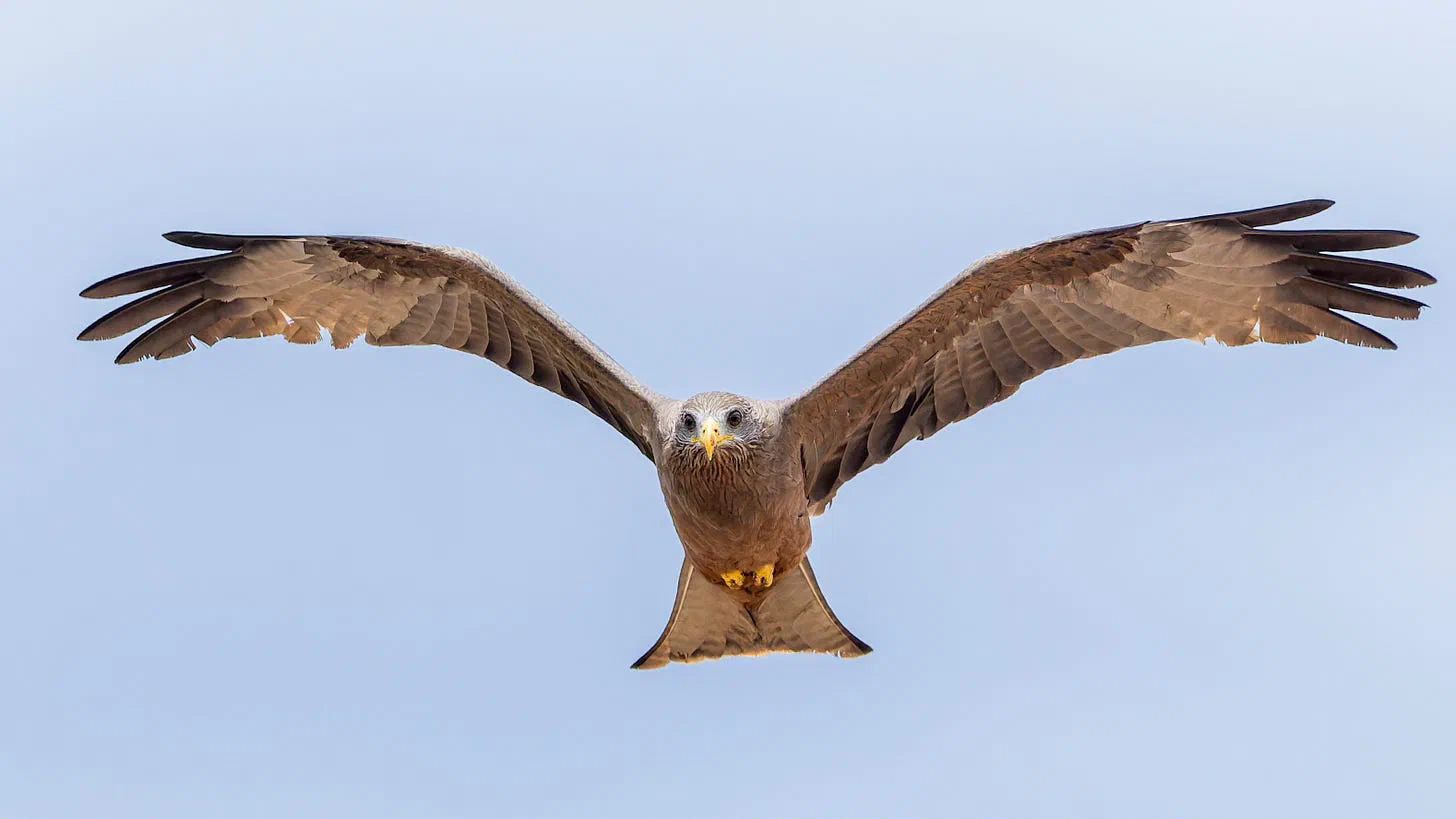
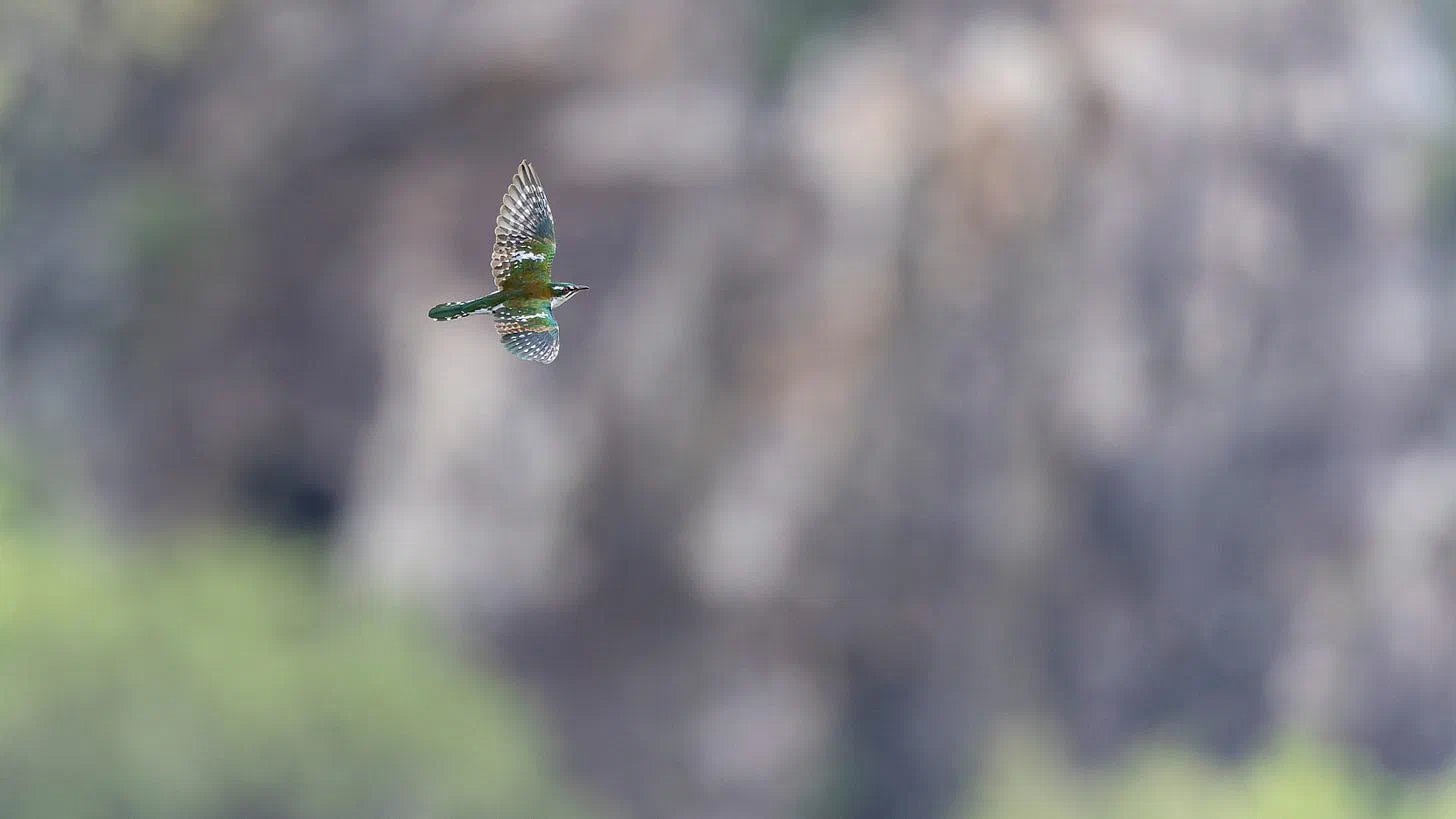
But birding in Pafuri is not necessarily about racing from one sighting to the next. In fact, some of the best experiences come when you stop trying to predict what will happen. During our time there, birds such as Meves’s Starling, Yellow-billed Kite and Black-winged Stilt became part of the photographic story of the trip. Each presented a different challenge. A starling can disappear into the woodland almost as quickly as it appears, a kite demands an entirely different approach to exposure and tracking, while a stilt can turn a shallow pool into a natural studio of reflections and clean lines.
This is where birding and photography begin to overlap. A birder may be satisfied with identifying a species, while a photographer is often waiting for something more: the right perch, the right angle, a clean background, interesting behaviour or a particular quality of light. In Pafuri, the two approaches complement each other. Knowing where particular birds occur gives the photographer a starting point, but patience is what ultimately produces the photograph.
The time of year also makes a substantial difference. Summer brings migrant species into the region and transforms the landscape with rainfall and new growth, making the period from roughly November to March particularly attractive to birders. Winter, however, should not be dismissed. BirdLife South Africa notes that impressive numbers of birds can still be found between May and July, while the cooler and drier conditions can make wildlife viewing and walking particularly rewarding.
There is also a deeper story behind the landscape. The area north of the Luvuvhu and south of the Limpopo is the ancestral land of the Makuleke people. After being forcibly removed during apartheid, the Makuleke successfully reclaimed the land in 1998. The land remains within the broader conservation framework of Kruger, creating an unusual and important model in which conservation, tourism, community interests and cultural heritage intersect. RETURN Africa’s Pafuri operation is built around a partnership with the Makuleke community, making the story of the destination about considerably more than wildlife alone.
That history is important because it changes the way I think about a place like Pafuri. It is easy, when travelling through a national park, to think only about the animals in front of the camera. But landscapes have histories. People lived here long before safari vehicles arrived, and the present-day conservation story is connected to those people and their relationship with the land. The ruins of Thulamela and other archaeological evidence add another layer to a landscape that already feels ancient.
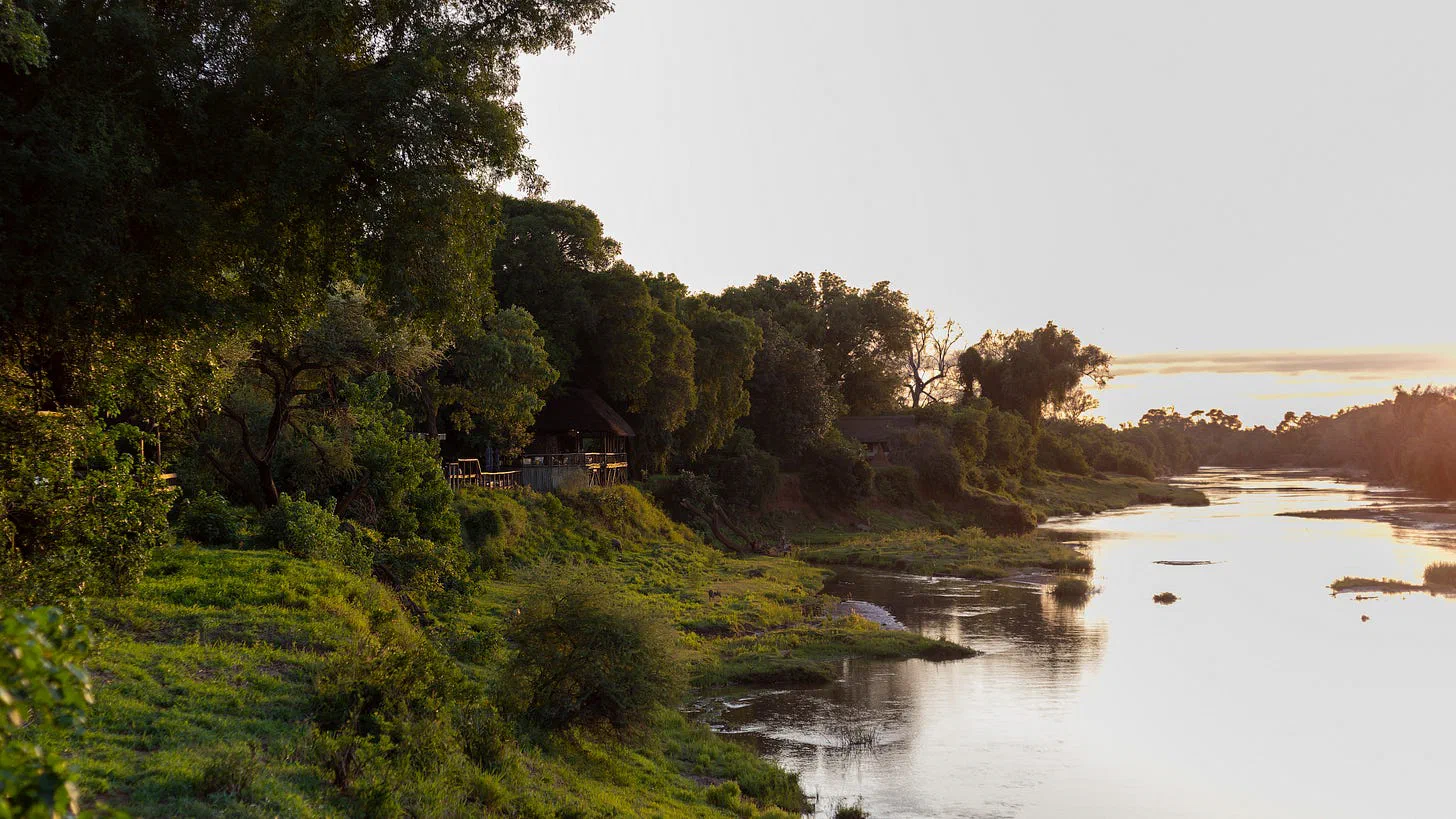
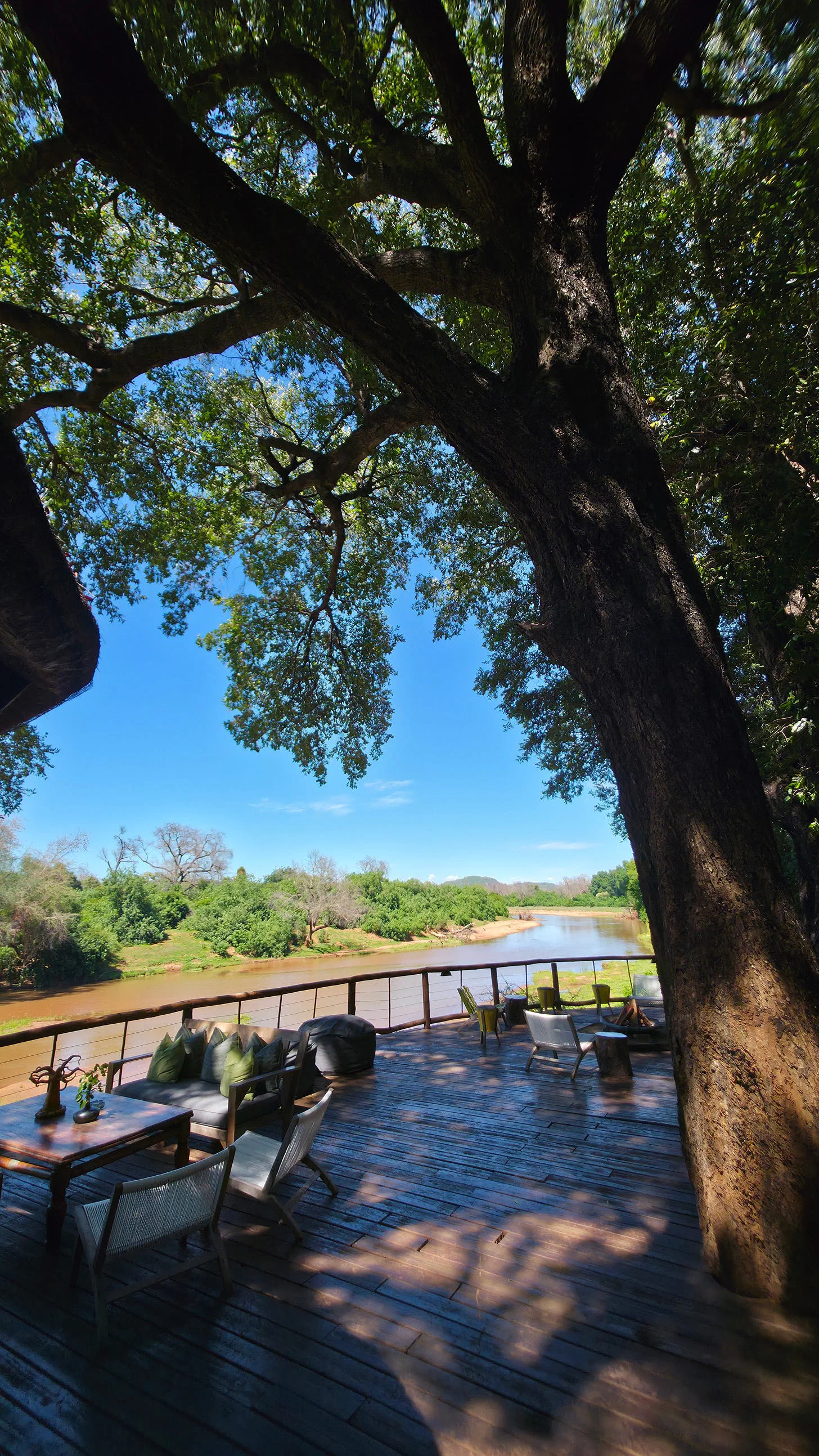
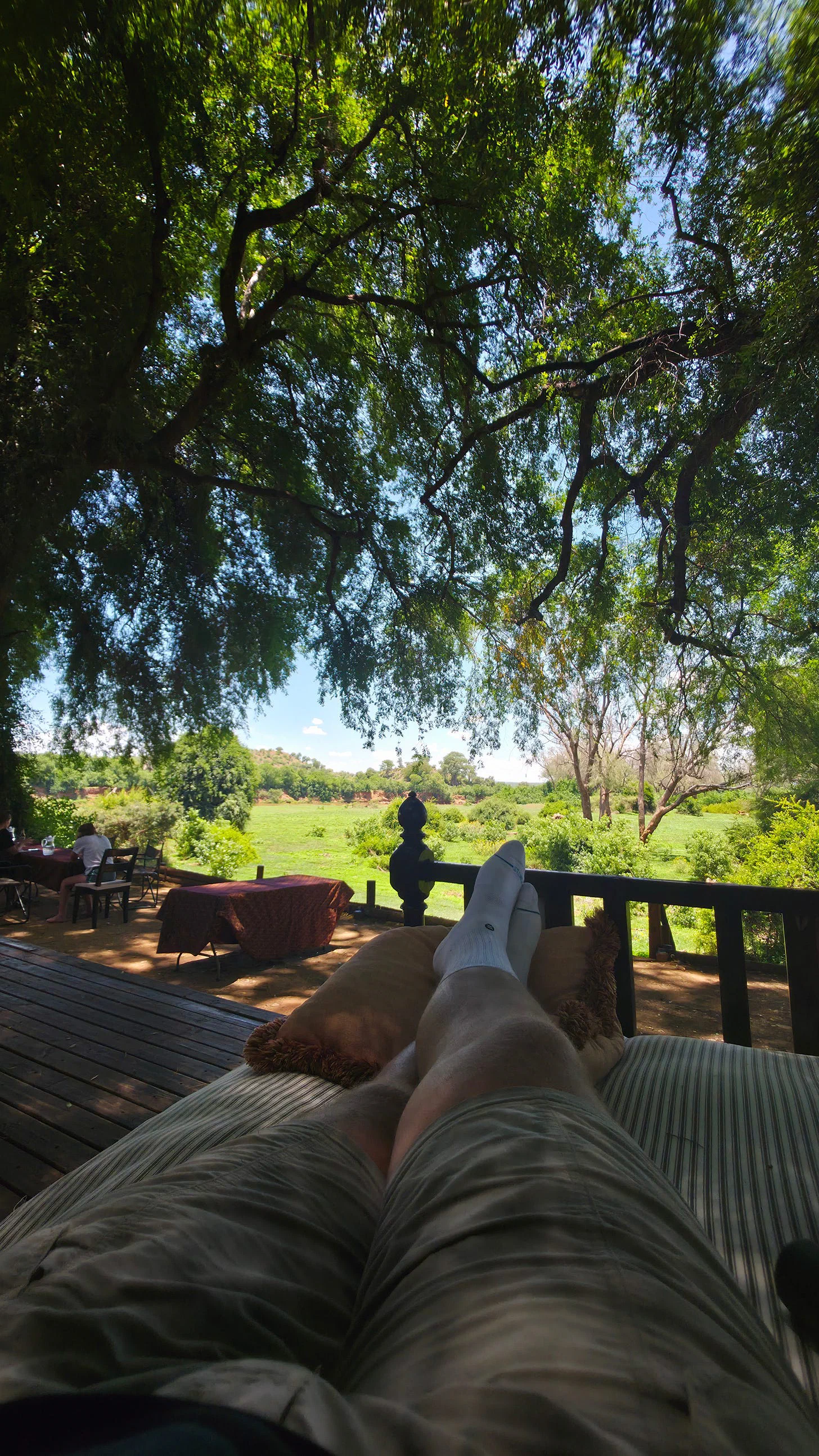
RETURN Africa Pafuri Camp fits naturally into this environment. The camp sits beneath large trees along the Luvuvhu River, with the riverine surroundings becoming part of the experience rather than merely providing a backdrop. The current camp consists of 19 tented suites connected by raised walkways, and its location gives guests immediate access to one of the defining habitats of the Pafuri landscape.
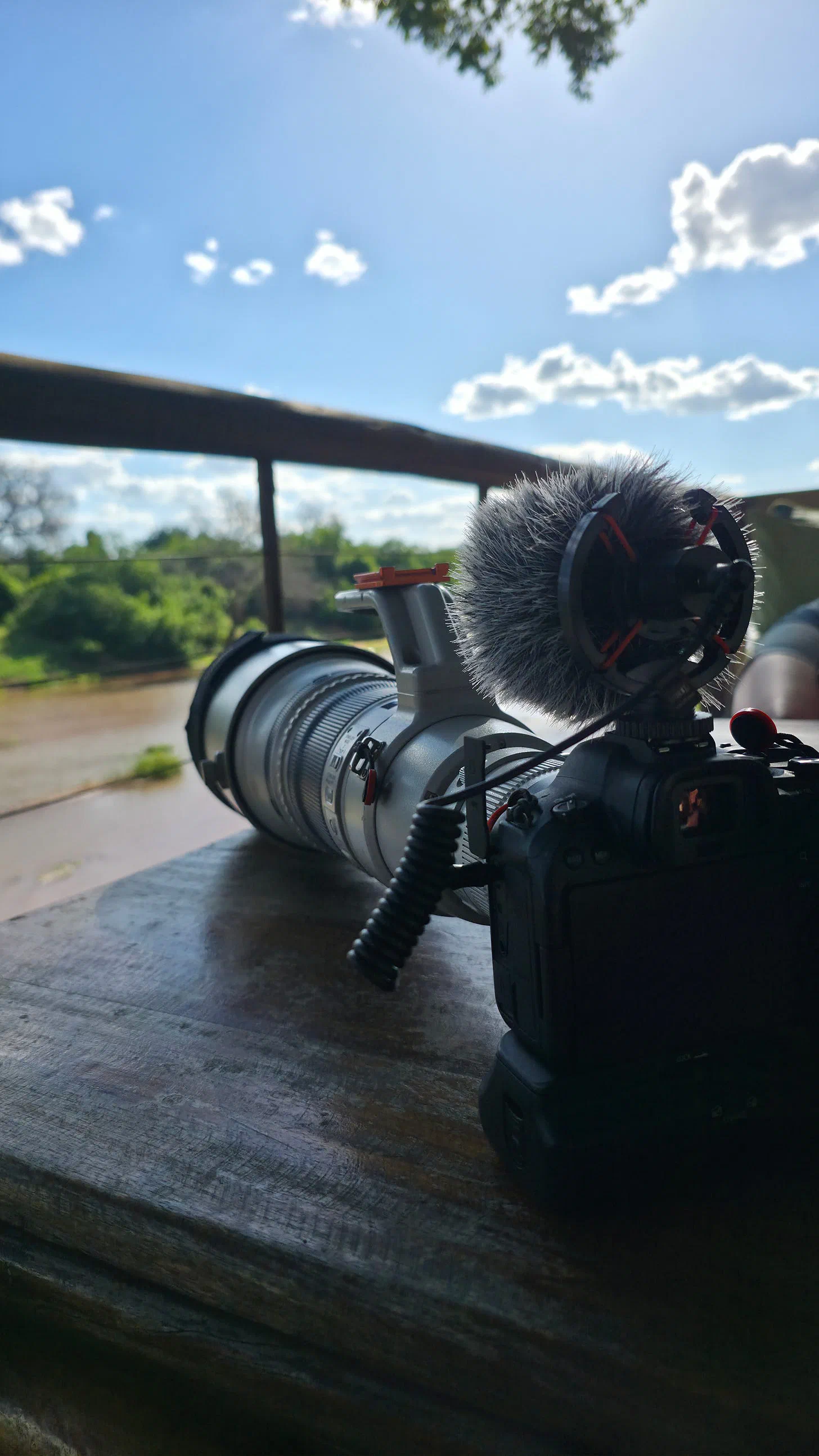
For someone travelling primarily with a camera and binoculars, that setting matters. There is something particularly satisfying about ending a morning in the field and returning to camp still thinking about a bird you could not quite photograph, a call you could not identify or a moment of behaviour that happened too quickly to capture. In a place with this much biodiversity, there is always the possibility that the next outing will provide another opportunity.
And perhaps that is what makes Pafuri so compelling. Kruger is enormous, but the northern reaches have a character of their own. The river systems draw life into the landscape, the vegetation changes dramatically over relatively short distances, and the region’s position at the southern edge of several species’ ranges gives the birding an added sense of anticipation. SANParks itself describes the Pafuri region as one of the country’s birding meccas, while BirdLife South Africa highlights the remarkable diversity and number of range-restricted species found in northern Kruger.
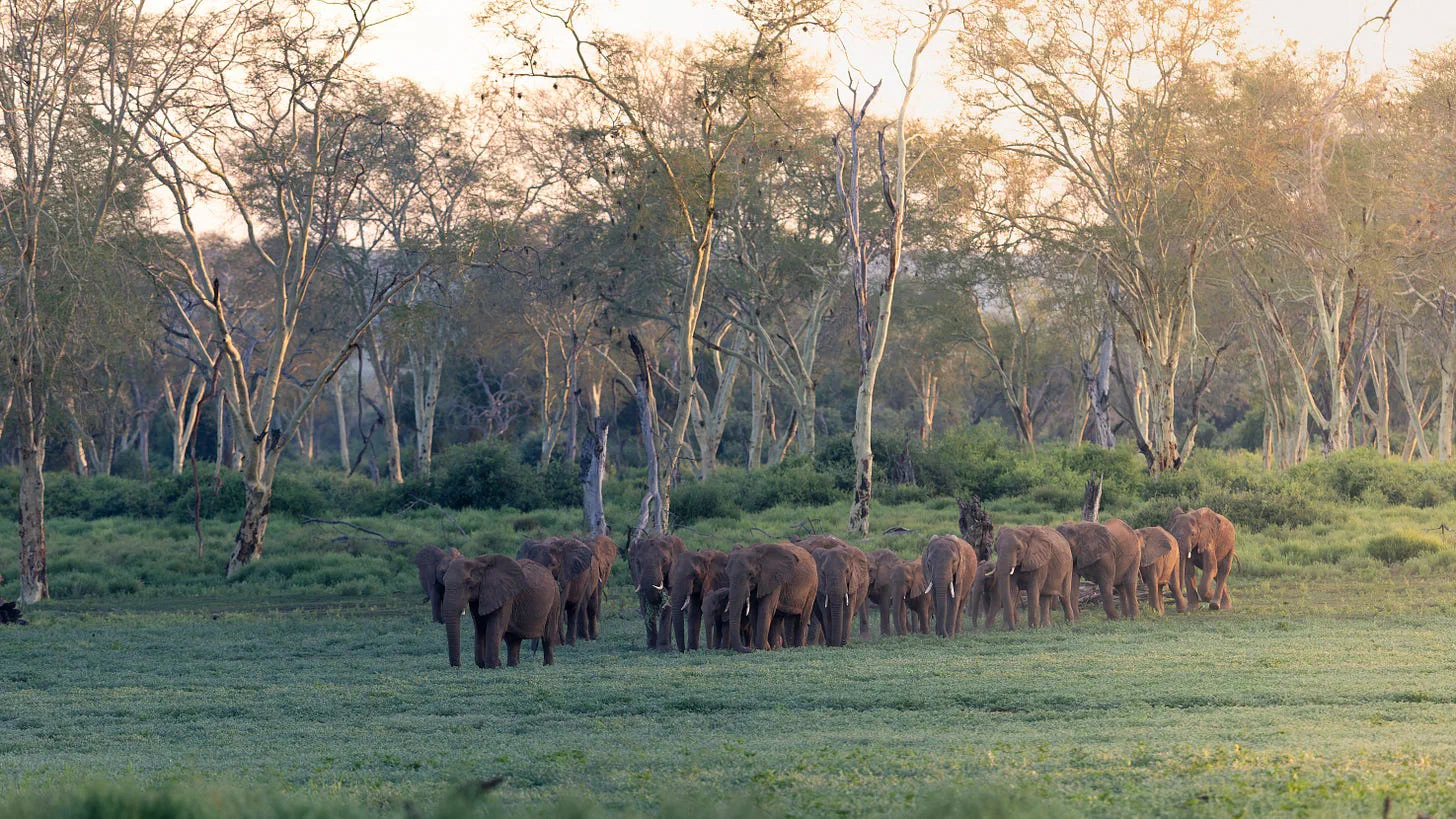
For me, however, the lasting memory of Pafuri is not a particular number on a bird list. It is the feeling of being surrounded by a landscape where almost every direction offers another possibility. You might be watching a bird along the river one minute and photographing a completely different scene a few minutes later. The light moves through the fever trees, the river changes character with the season, and somewhere in the woodland another bird is calling.
That is the real attraction of Pafuri for a wildlife photographer. You arrive looking for photographs, but the landscape keeps reminding you to look beyond the viewfinder. The birds are extraordinary, the wildlife is always present, and the photographic opportunities are almost endless. Yet the longer you spend there, the more you realise that Pafuri is not really about collecting sightings.
It is about becoming part of the rhythm of the place, even if only for a few days. You feel like it’s your true home❤️
And when it is time to leave, you find yourself already wondering what might be waiting there the next time you return.
This report first appeared on Christo's Substack.
From the trip
Planning a trip to South Africa?
Send your dates and the birds you’re hoping to see. Christo replies personally to every enquiry.
Join the next trip with Wildlens Birding Tours
Small-group bird photography in South Africa, limited to three guests.
WhatsApp Christo · +27 61 586 5031
www.wildlensbirdingtours.co.za · christo@wildlensbirdingtours.co.za
Read online: https://www.wildlensbirdingtours.co.za/trip-reports/pafuri/