
Wildlens Birding Tours · Trip report

Moreleta Kloof: A Wild Gem in the Heart of Pretoria
A first visit to Moreleta Kloof Nature Reserve: woodland, grassland and around 160 recorded bird species, all within reach of an after-work walk in Pretoria.
- When
- September 2026
- Route
- Moreleta Kloof Nature Reserve, Pretoria
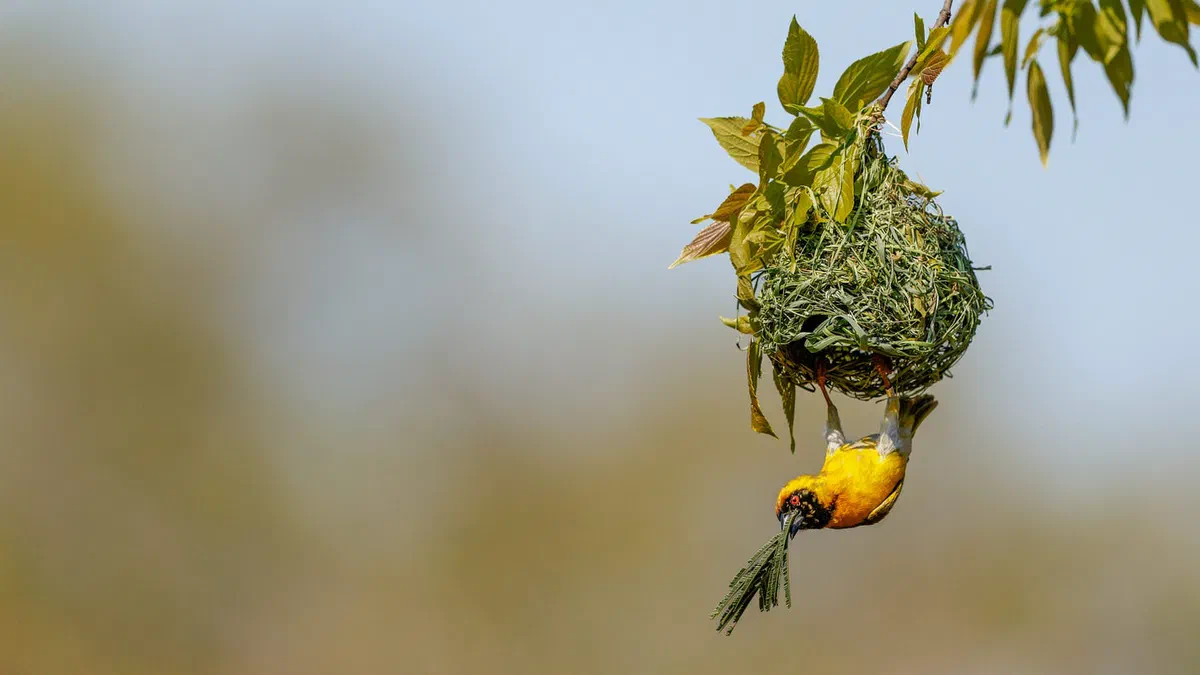
Yesterday, I stopped at Moreleta Kloof Nature Reserve for a quick walk and photography session. It was my first time ever visiting the reserve, and I honestly wasn’t expecting quite as much as I found. Tucked away in the eastern suburbs of Pretoria, Moreleta Kloof is one of those places that reminds you just how much wild space can survive within a major city. At roughly 100 hectares, the reserve isn’t enormous by South African game-reserve standards, but once you’re on the trails, the surrounding suburbs almost disappear. The reserve protects a mixture of woodland, grassland, rocky areas and drainage-line habitat, with the Moreleta Spruit system adding another important ecological component. It genuinely feels wild.
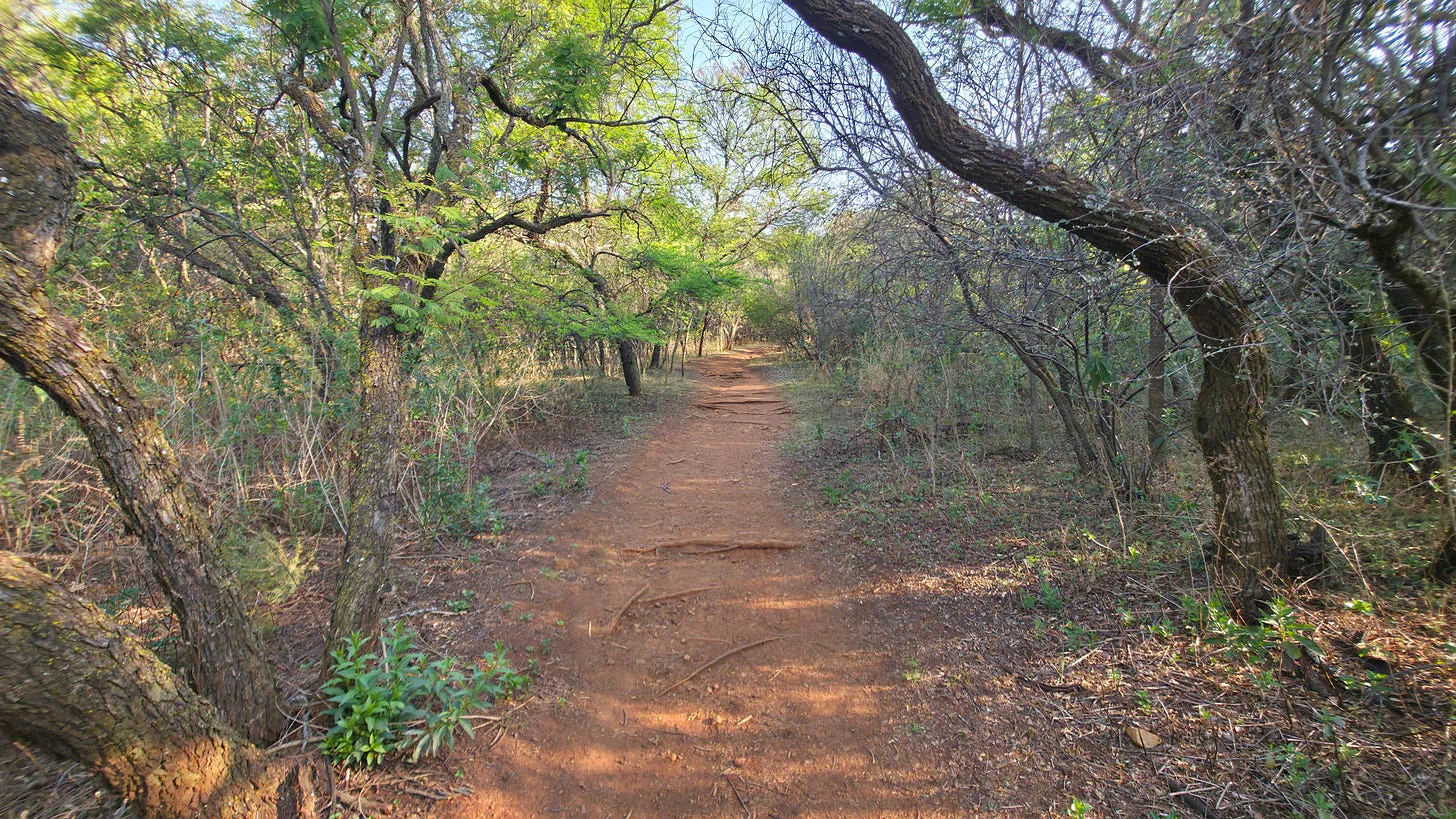
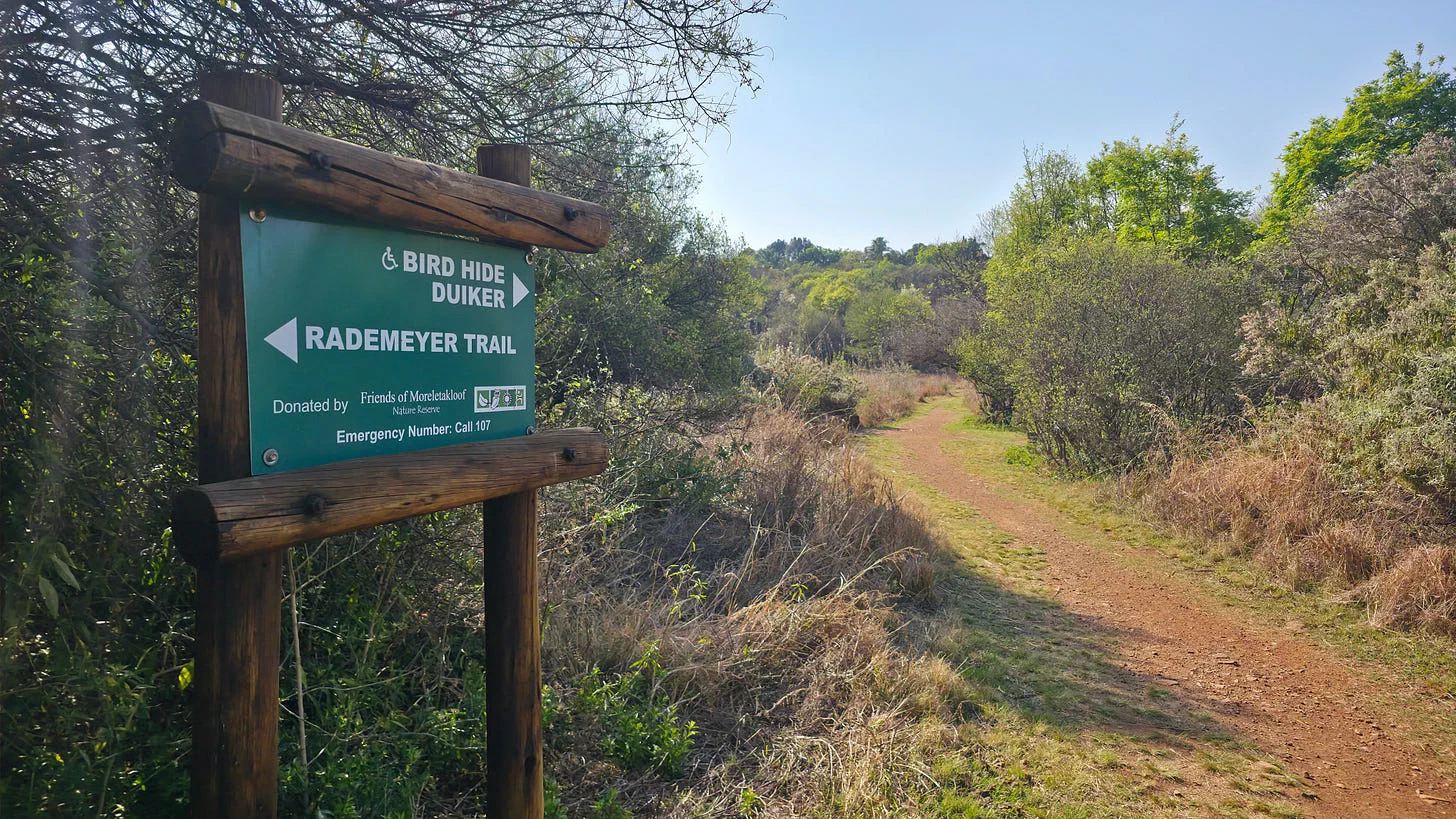
Moreleta Kloof Nature Reserve provides some fantastic opportunities for photographers. Whether you’re simply walking with a camera and photographing whatever happens to cross your path, or you’re going in with a particular conceptualised shot in mind, there is plenty to work with. The reserve has a network of walking trails covering roughly 7.5 km, with sections ranging from relatively easy walks to more demanding routes through the kloof.
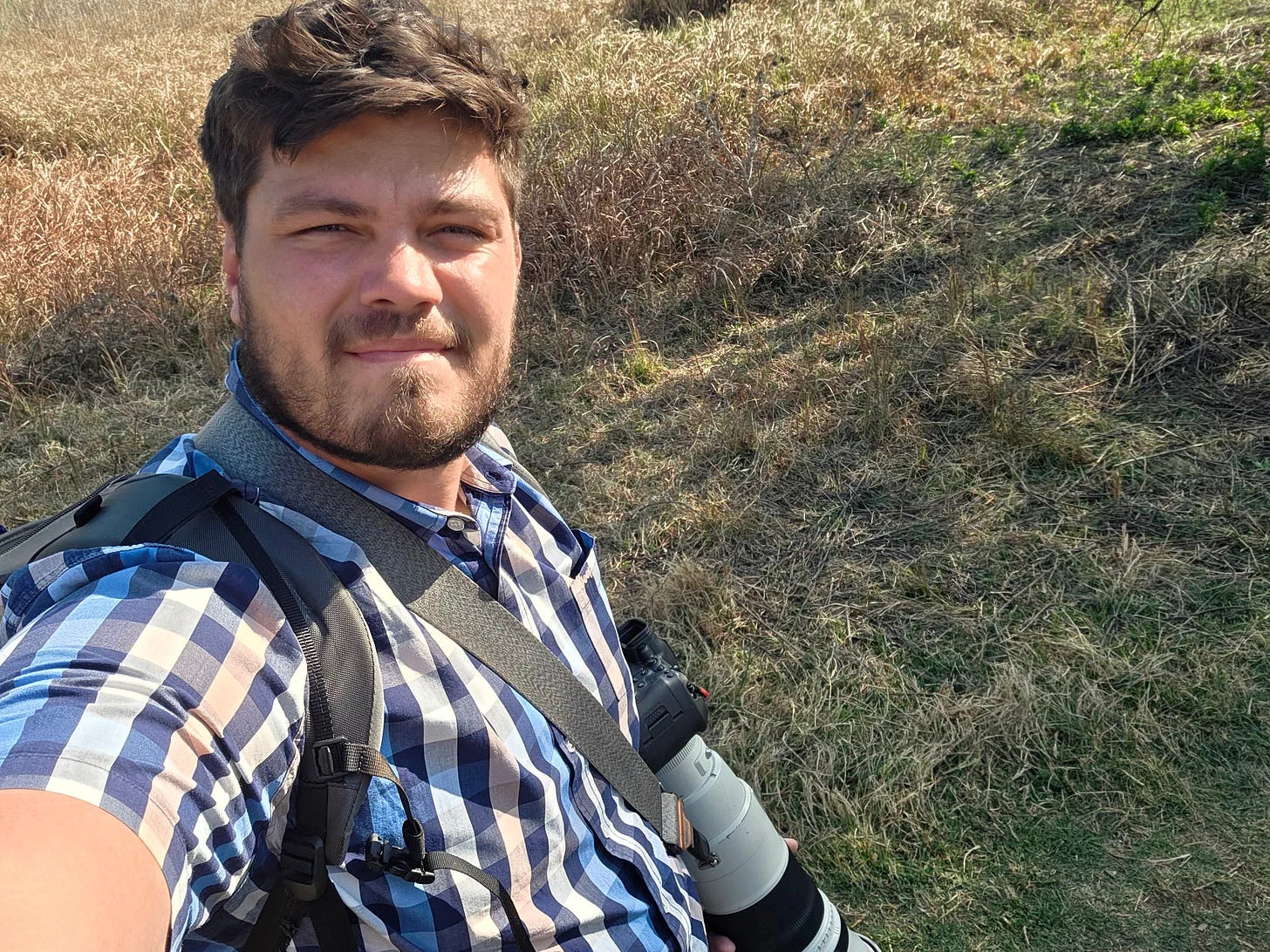
For me, one of the biggest positives was how comfortable I felt carrying serious camera equipment. I had my 500mm prime with me, and at no point did I feel particularly vulnerable walking around with it. From arriving at the reserve to leaving, I felt safe and relaxed. Obviously, normal situational awareness is still important when walking anywhere with valuable camera equipment, but my experience was an extremely positive one.
And perhaps that’s the real appeal of Moreleta Kloof for photographers. You don’t need to plan an entire day around it. You can finish work, drive over, put on your camera gear and spend an hour or two walking through genuine natural habitat before heading home. In fact, I was literally still wearing my work clothes and work shoes when I went for my walk! It’s a comfortable environment to explore, yet you can still find yourself surrounded by wildlife, birds and some beautiful Pretoria bushveld.
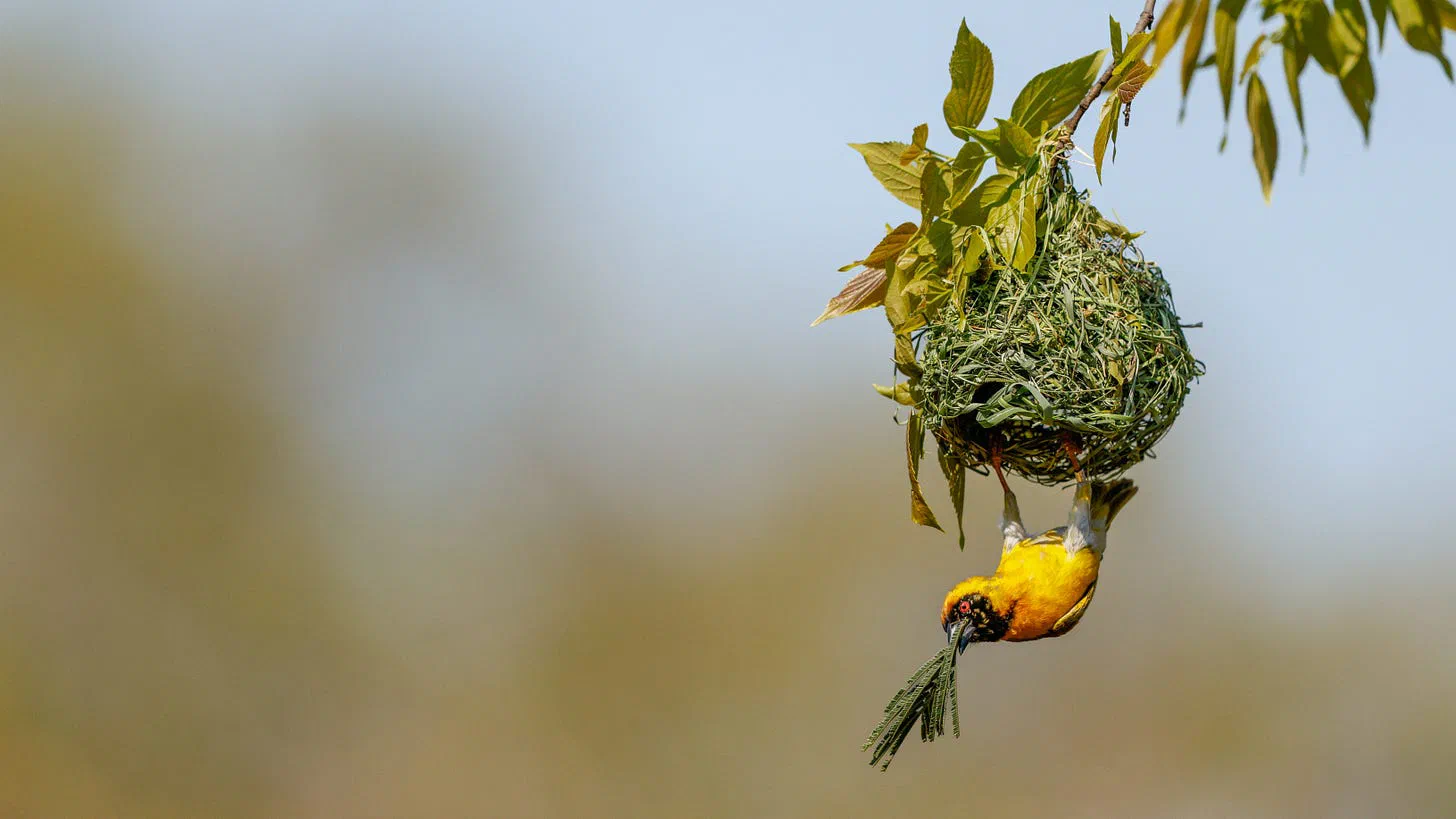
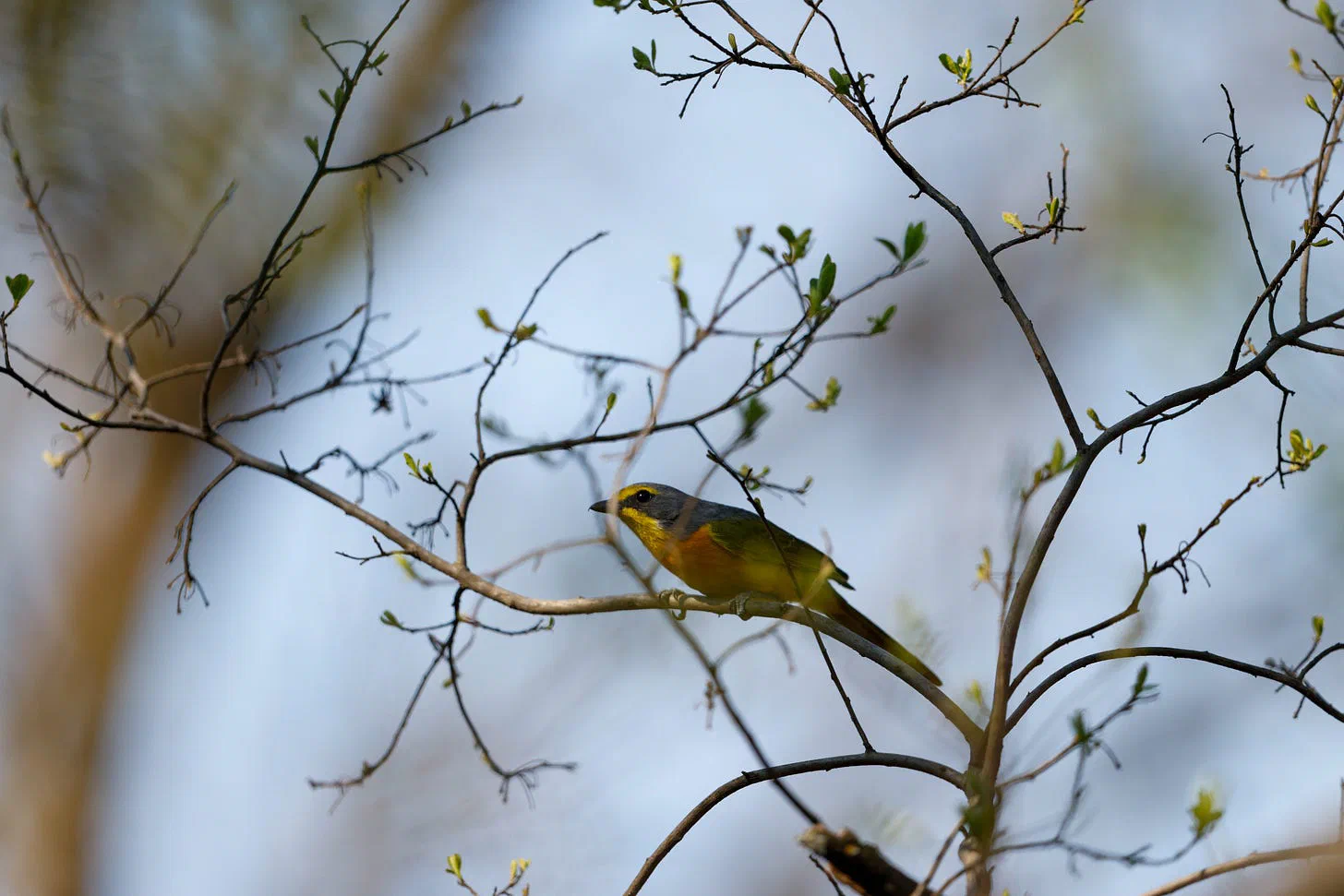
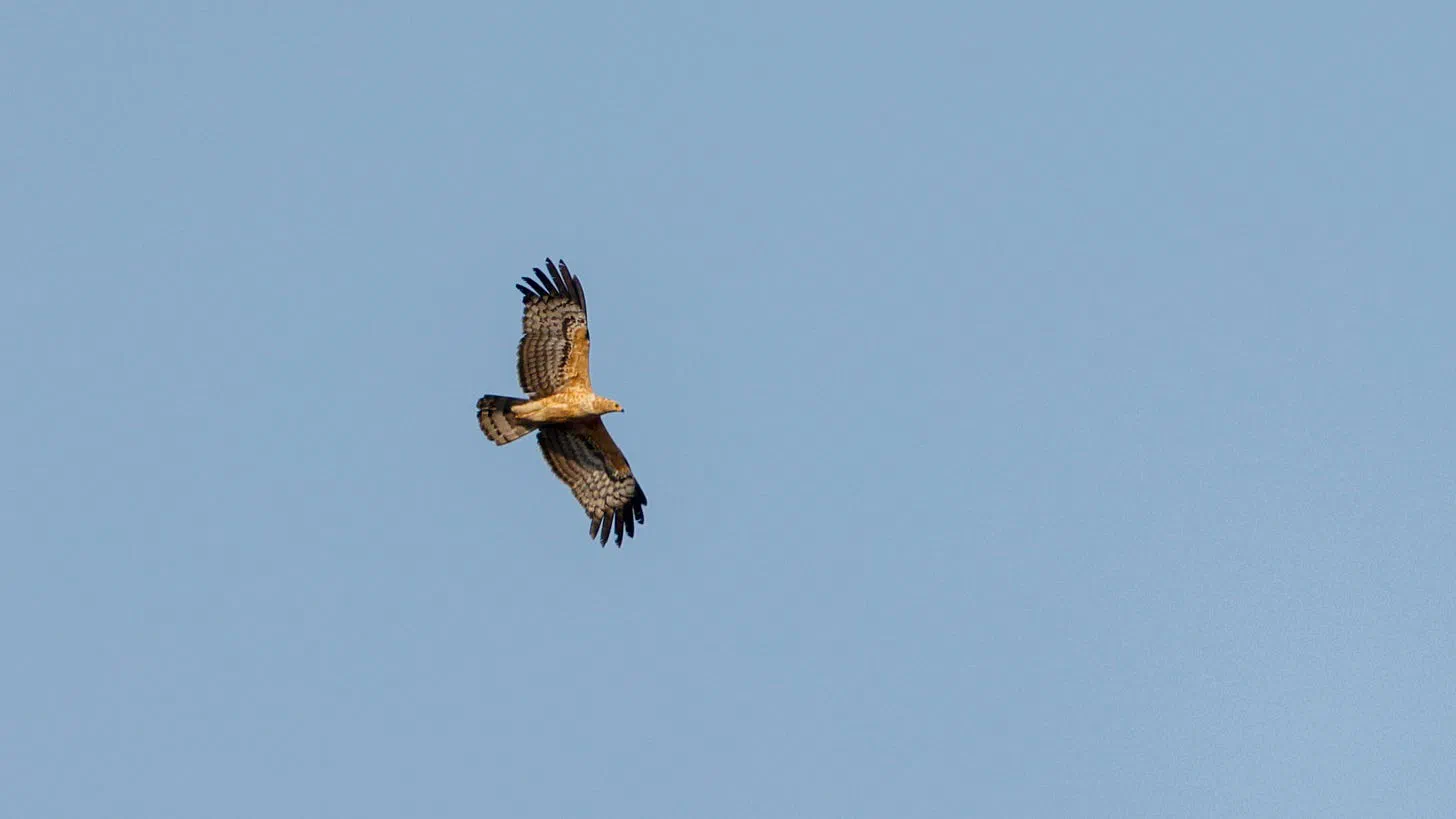
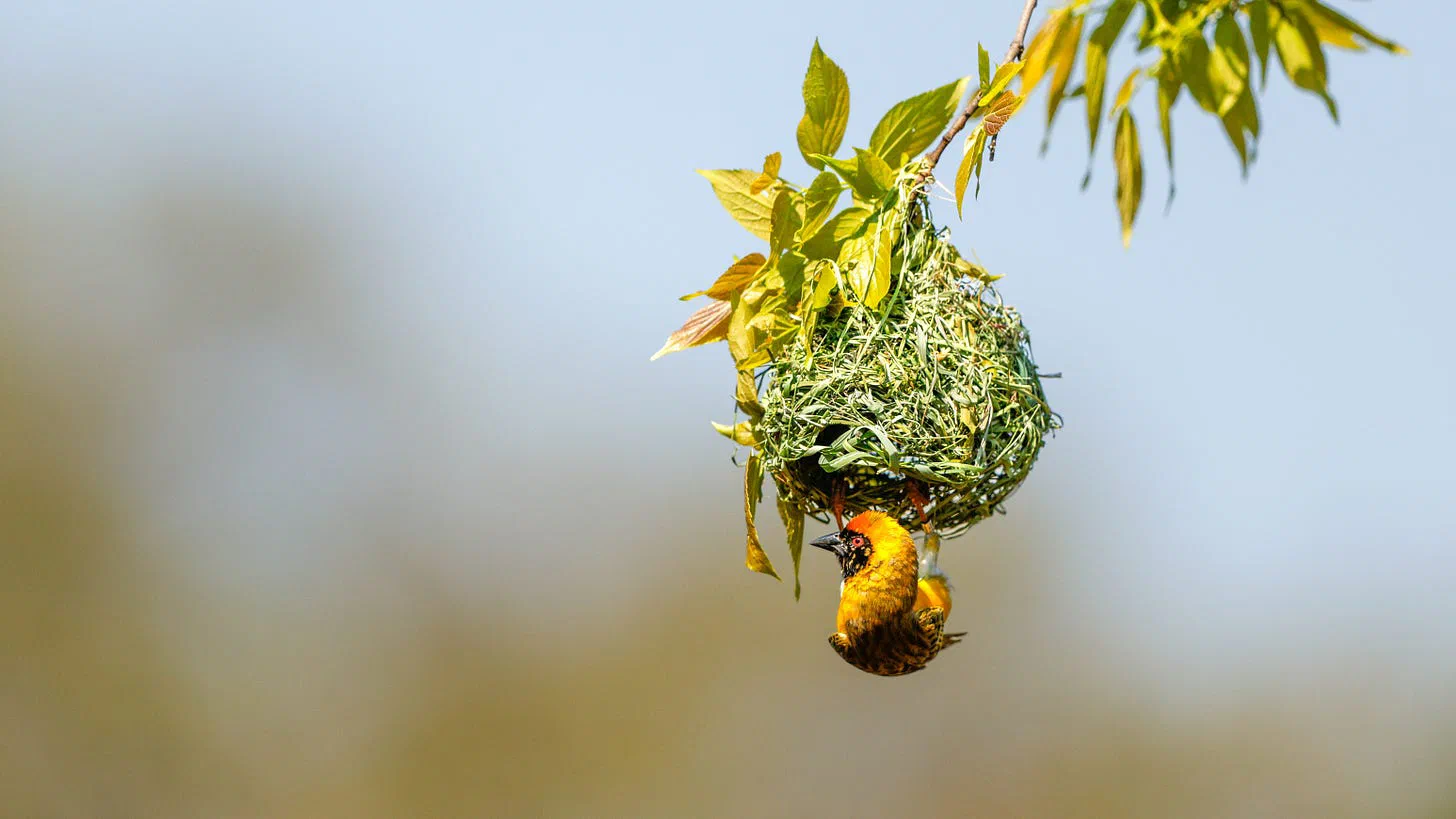
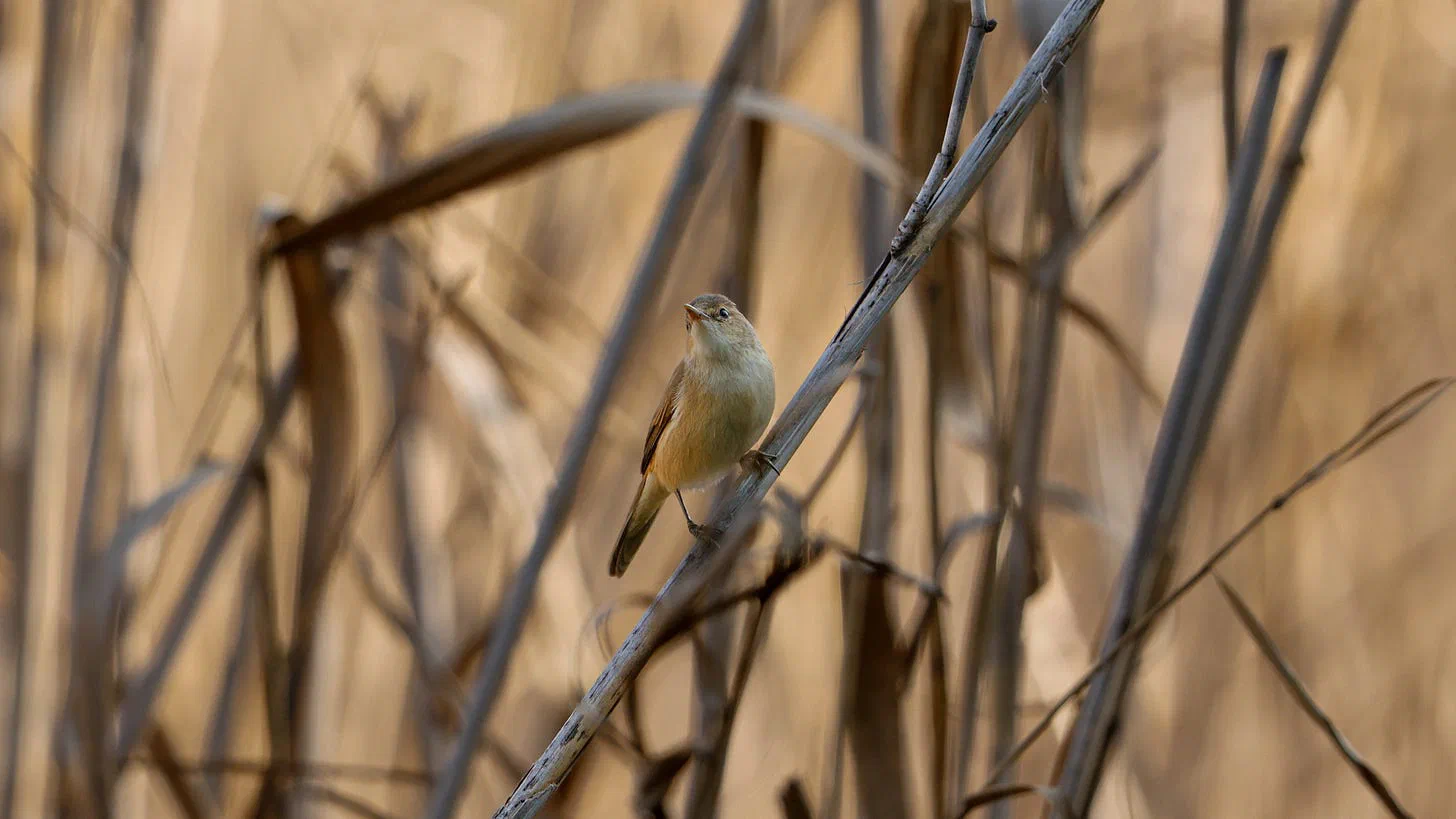
This is where Moreleta Kloof becomes particularly interesting for bird photographers. The reserve has a surprisingly impressive bird list, with around 160 species having been recorded. But it isn’t simply the number of species that makes the reserve interesting. There are some genuinely sought-after birds on the list, including species such as Red-chested Flufftail, Ovambo Sparrowhawk, Fairy Flycatcher, Black Cuckooshrike, Jameson’s Firefinch, Orange-breasted Waxbill, Sharp-billed Honeyguide, Marico Sunbird, Marsh Owl, Golden-tailed Woodpecker and Long-billed Crombec. These aren’t birds you can necessarily expect to photograph on every visit, but that’s exactly what makes a place like this so exciting. You never quite know what might turn up.
The reserve has also been involved in bird-ringing projects, with thousands of birds having been ringed during long-running ringing programmes.
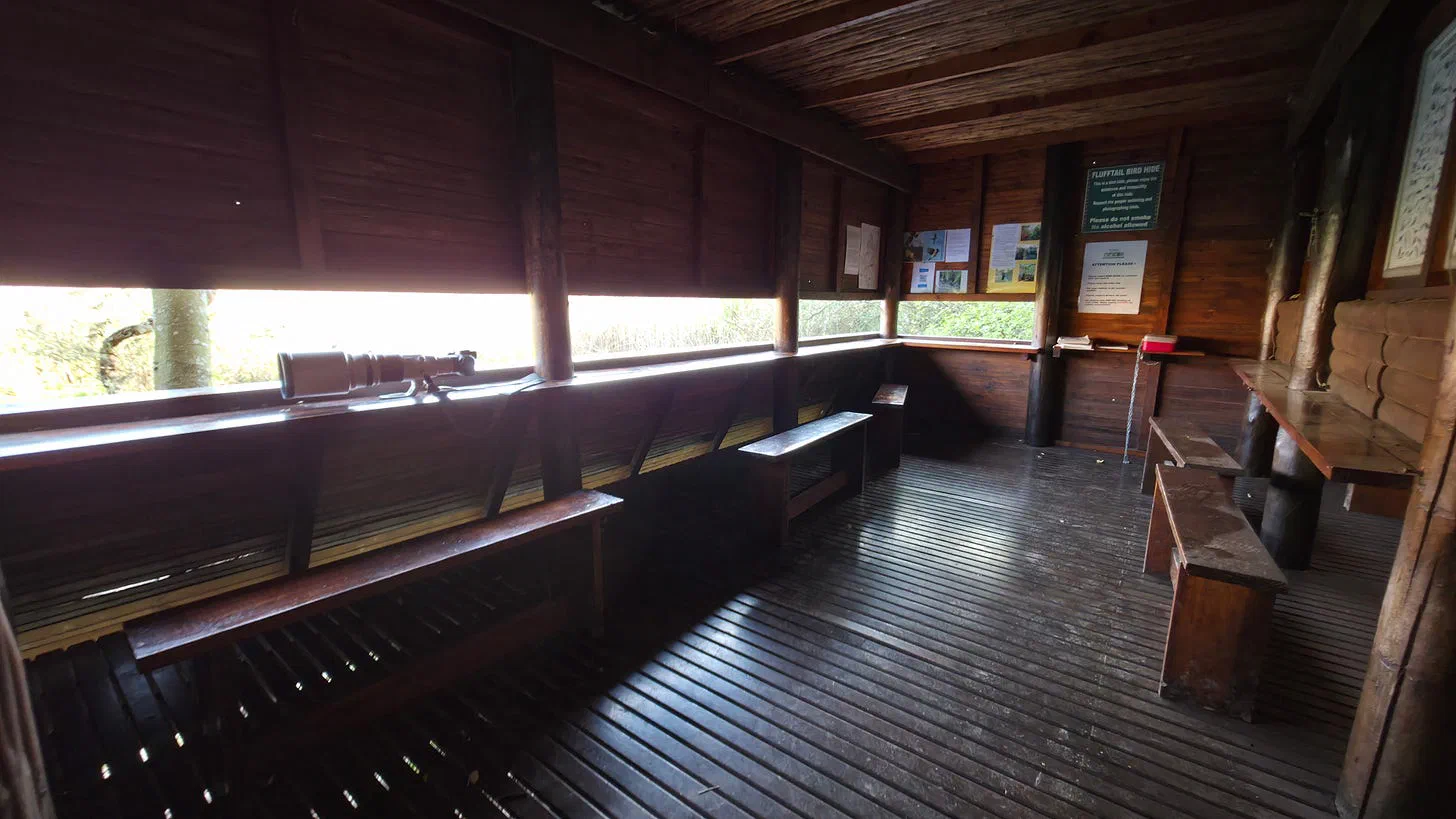
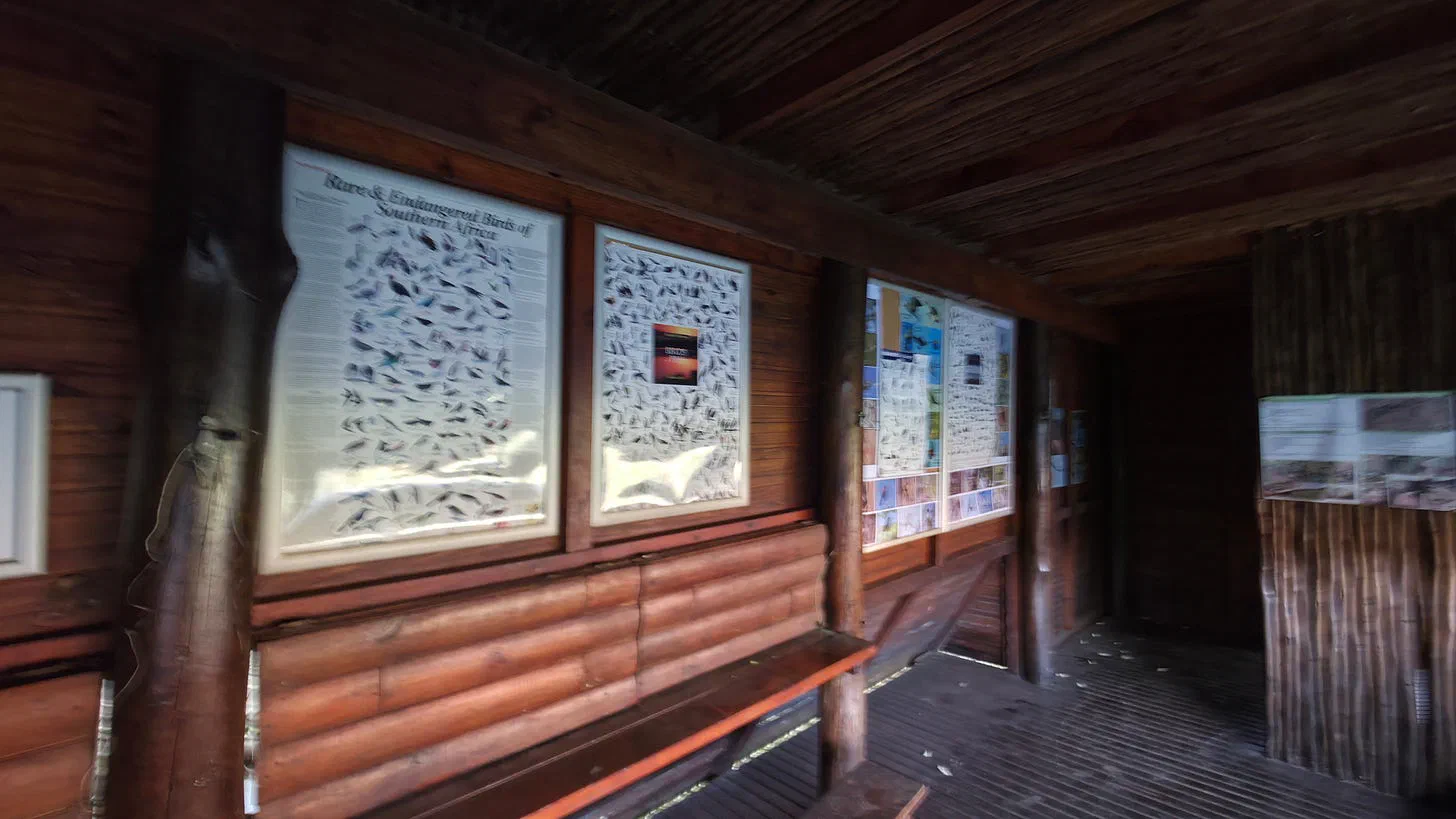
For bird photographers, the Flufftail Bird Hide adds another interesting dimension to the reserve.
The hide provides a sheltered place to sit and watch the surrounding woodland, and the information displayed inside gives you a better appreciation of the birdlife that can be found in the area.
But Moreleta Kloof isn’t only about the birds. The reserve is also home to a selection of small and medium-sized game, including springbok, blesbok, impala, zebra, bushbuck, ostrich and mountain reedbuck. That combination makes the reserve particularly attractive to wildlife photographers because you can potentially spend an afternoon photographing smaller birds in the woodland before encountering antelope or zebra in the more open sections of the reserve. There is something quite surreal about photographing zebra or blesbok while knowing that one of Pretoria’s major urban areas is still relatively close by.
The reserve also has an interesting history. The land formed part of the old Garsfontein farm, which was acquired by Jacobus Cornelius Rademeyer in 1859. A house built in 1903 still survives and is associated with Rademeyer’s restaurant, while an older house from the late nineteenth century was later converted into a chapel. It gives the reserve an interesting mixture of natural, cultural and historical significance.
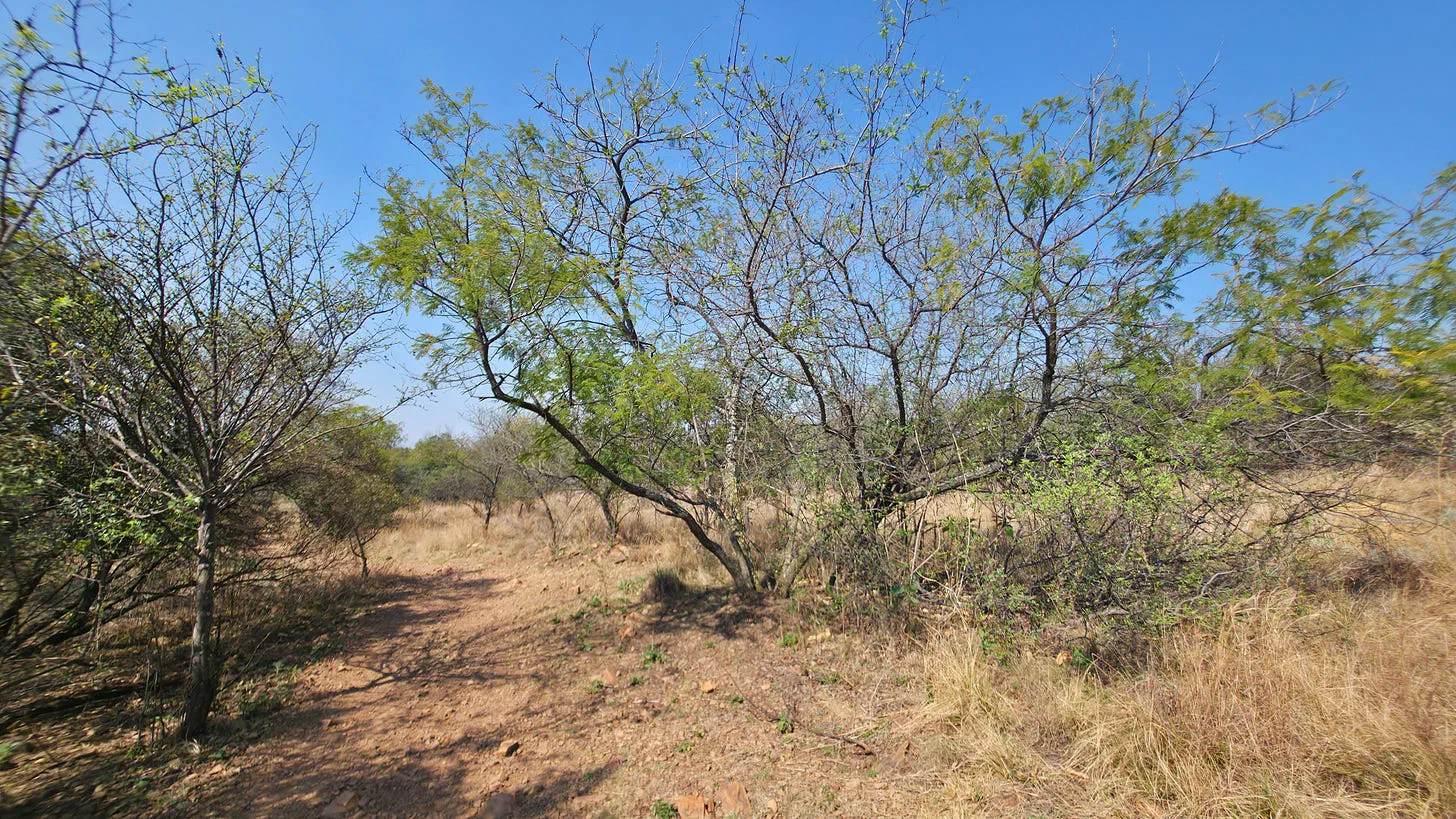
Another aspect I really enjoyed was the vegetation. Moreleta Kloof isn’t simply one uniform block of bush. There is a mixture of woodland, open grassland, rocky areas and denser vegetation along the drainage lines. The reserve falls within vegetation types associated with Gauteng Shale Mountain Bushveld and Marikana Thornveld, creating a surprisingly diverse landscape for such a relatively small reserve.
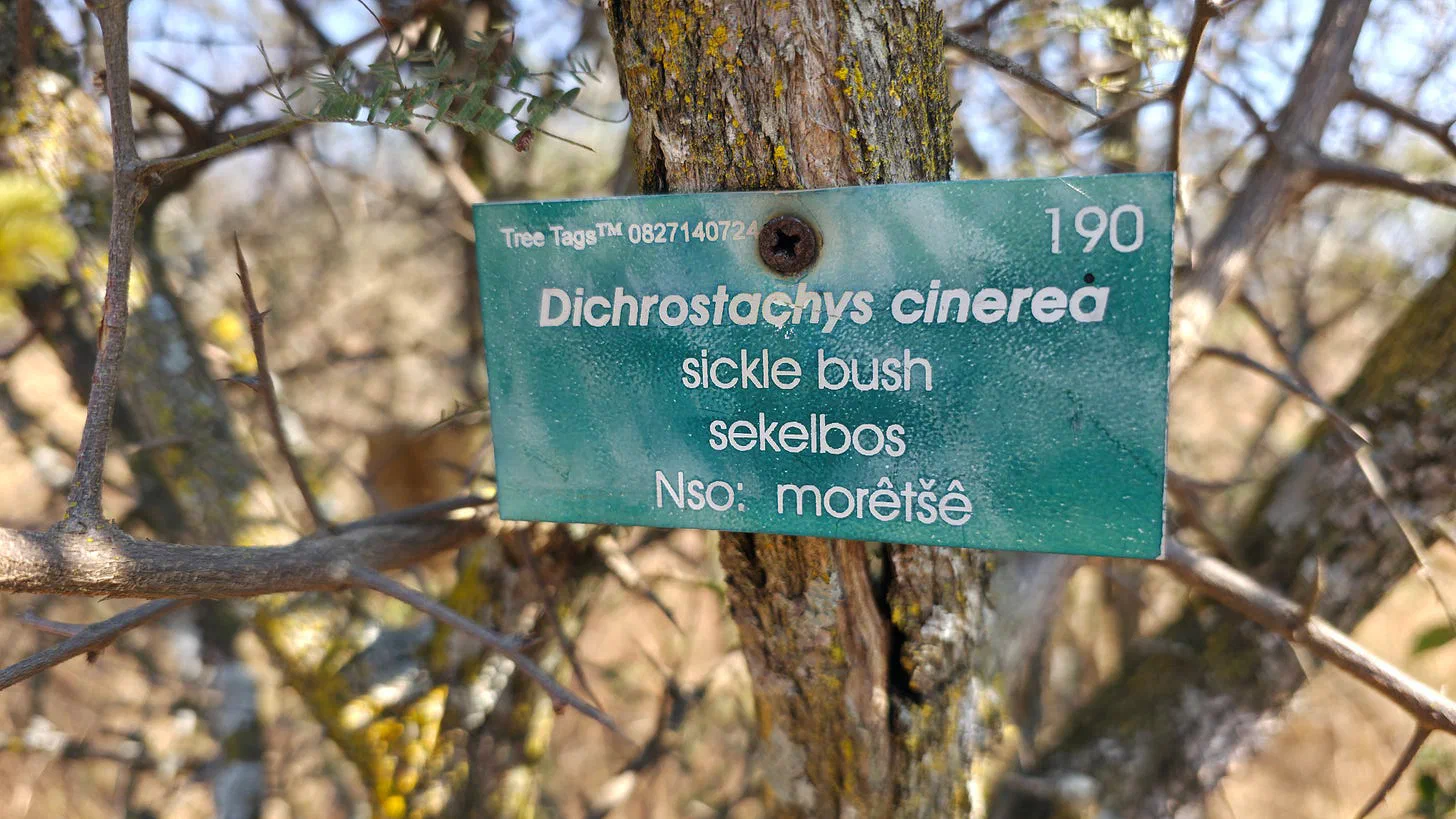
There is also an impressive variety of indigenous trees and woody species throughout the reserve, including African weeping wattle, stinkwood, monkey thorn, sicklebush, sweet thorn, buffalo thorn and river bushwillow, among others. The sicklebush, Dichrostachys cinerea, was one of the species I came across during my walk, with the reserve’s tree-identification signs making it much easier to appreciate some of the plants along the trails.
Even if you’re not particularly interested in botany, these different habitats make a noticeable difference to the photography. The open grassland provides completely different opportunities from the dense woodland, while the rocky sections and thicker vegetation create natural backgrounds and interesting compositions. As the seasons change, the character of the reserve changes with them.
My visit yesterday was relatively short, but that was actually part of the appeal. Moreleta Kloof doesn’t necessarily require an entire day off, a packed lunch, a 4x4 or a massive amount of preparation. It can be a quick escape into nature after work. You can arrive, walk a trail, spend some time photographing birds or wildlife, enjoy the landscape and be back in the city before the day is over.
And sometimes that’s exactly what you need.
For wildlife photographers living around Pretoria, I think Moreleta Kloof deserves a lot more attention. It is small compared with the larger reserves, but what it lacks in size it makes up for with habitat diversity, wildlife, birdlife, accessible trails and that wonderful feeling of being somewhere much further away from the city than you actually are.
Yesterday was my first visit, and it was a lovely afternoon out.
It definitely won’t be my last.
This report first appeared on Christo's Substack.
From the trip
Planning a trip to South Africa?
Send your dates and the birds you’re hoping to see. Christo replies personally to every enquiry.
Join the next trip with Wildlens Birding Tours
Small-group bird photography in South Africa, limited to three guests.
WhatsApp Christo · +27 61 586 5031
www.wildlensbirdingtours.co.za · christo@wildlensbirdingtours.co.za
Read online: https://www.wildlensbirdingtours.co.za/trip-reports/moreleta-kloof/