 Departure 1
KwaZulu-Natal Bird Photography Expedition
28 June to 4 July 2027, 7 days
From Centurion to Benvie Gardens, Mtunzini, Dlinza, Ongoye, St Lucia and Cape Vidal
3 seats available
R22,000per person


Wildlens Birding Tours · Trip report
Forty minutes with a Spotted Ground Thrush on the iGwala Gwala Trail, twinspots at Cape Vidal and a surprise African Finfoot on the estuary.
After a wonderful few days around Mtunzini and Umlalazi Nature Reserve, we continued north towards St Lucia. By this stage of the trip, we had already experienced some of KwaZulu-Natal’s most remarkable forest birding, but St Lucia would introduce us to an entirely different combination of habitats and species. With coastal forest, sand forest, grassland, wetlands, estuary and ocean all occurring within the broader iSimangaliso landscape, it is one of those places where almost every outing can produce something unexpected.
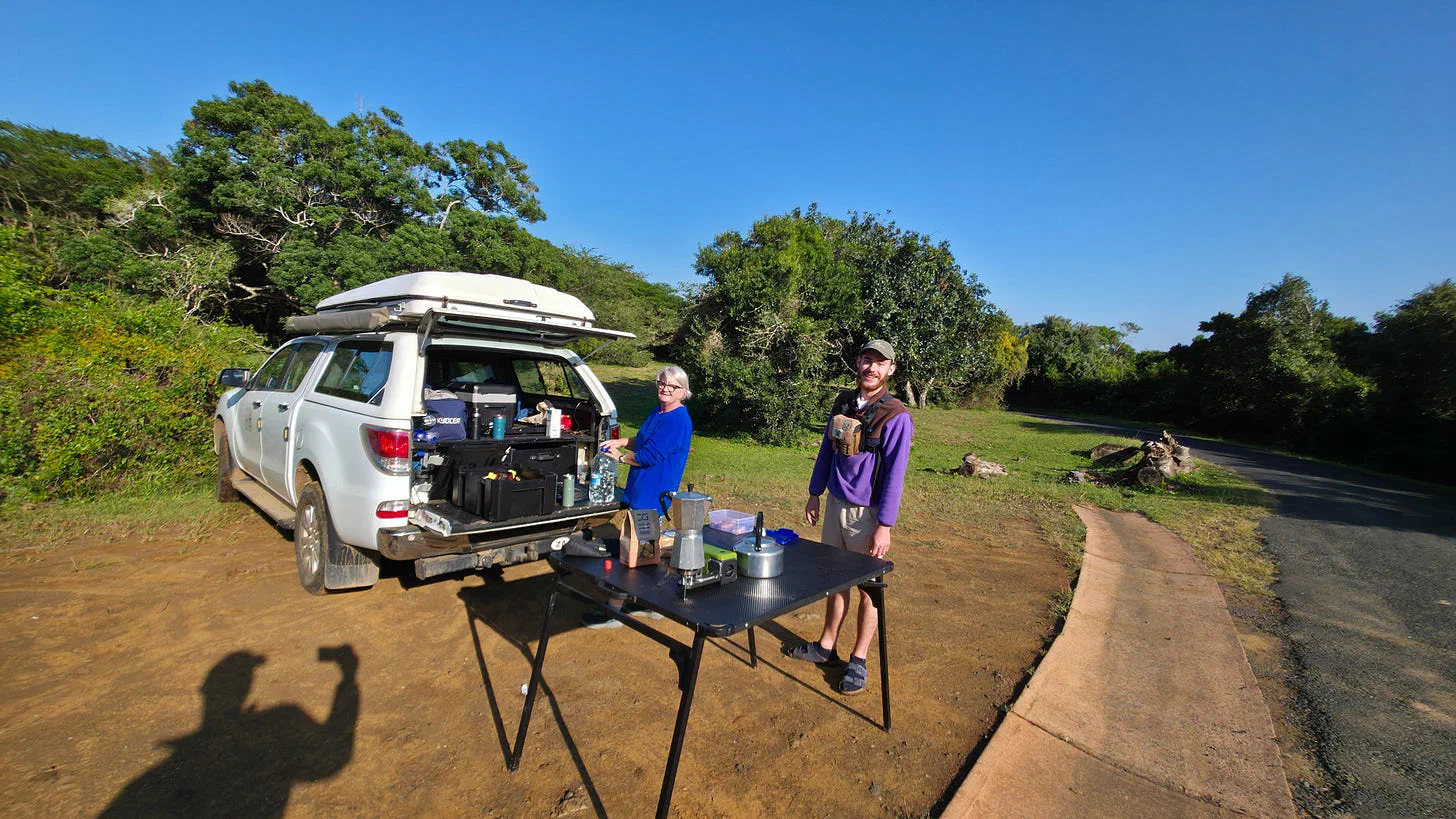
We arrived in St Lucia at around midday and immediately set about getting camp organised before heading out for our first afternoon of birding. We had planned to walk the iGwala Gwala Forest Trail, a well-known trail through the coastal forest along the edge of the St Lucia estuary, but before we had even left camp, the area had already given us our first surprise.
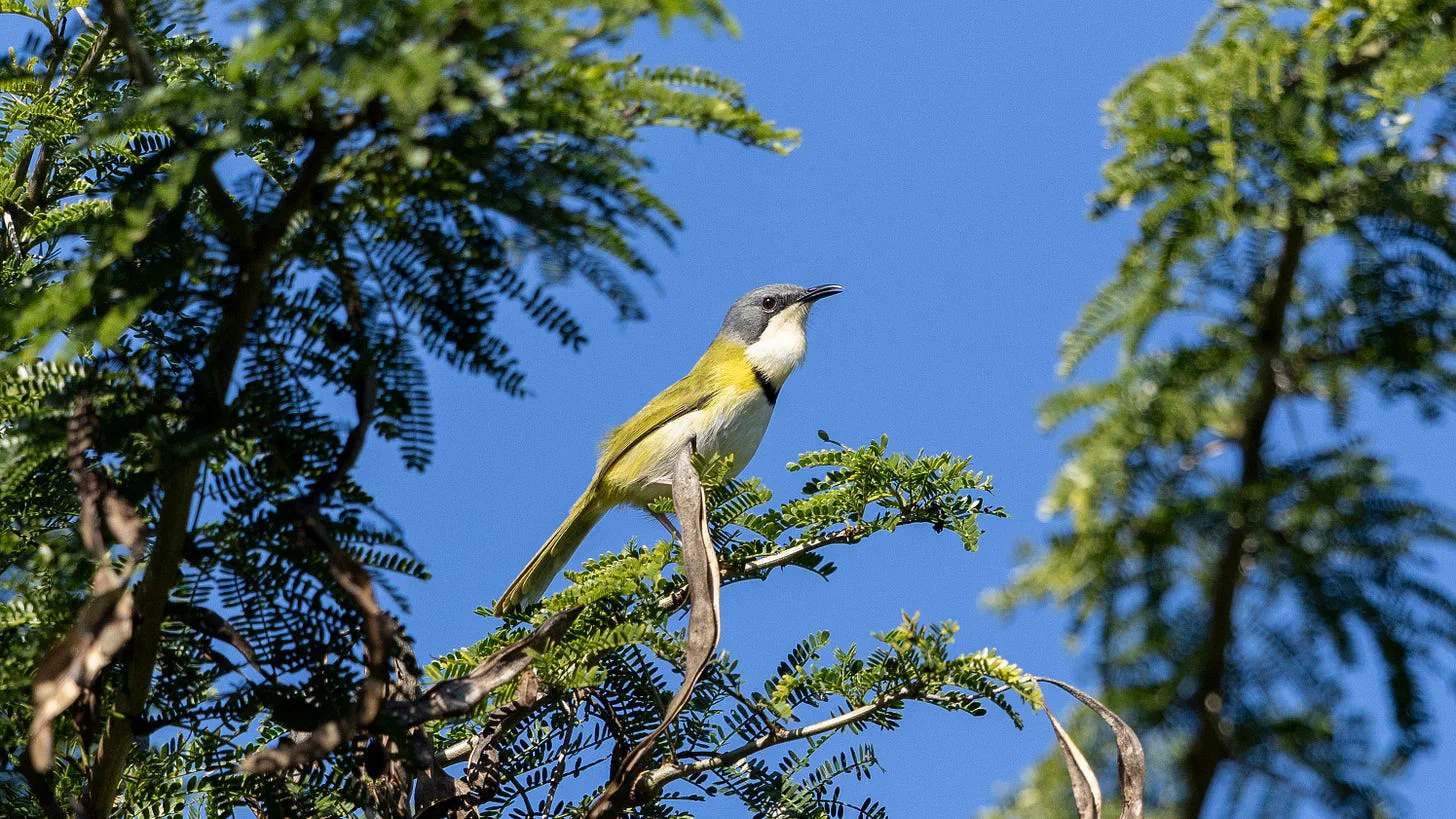
From somewhere near the top of a tree came the distinctive call of a Rudd’s Apalis. I immediately called it out to my guests, and their reaction said everything. Rudd’s Apalis is a highly localised species in South Africa, with its distribution concentrated in the north-eastern parts of the country, particularly northern KwaZulu-Natal and the Maputaland region. For anyone interested in South African birds, encountering one is a memorable experience, and to have it calling around our campsite before we had even started our afternoon walk was a fantastic introduction to St Lucia.
With camp finally sorted, we made our way into town to pick up a few things for dinner before heading to the forest trail. None of us could have known at that point that the afternoon would produce what would arguably become the most memorable encounter of the entire trip.
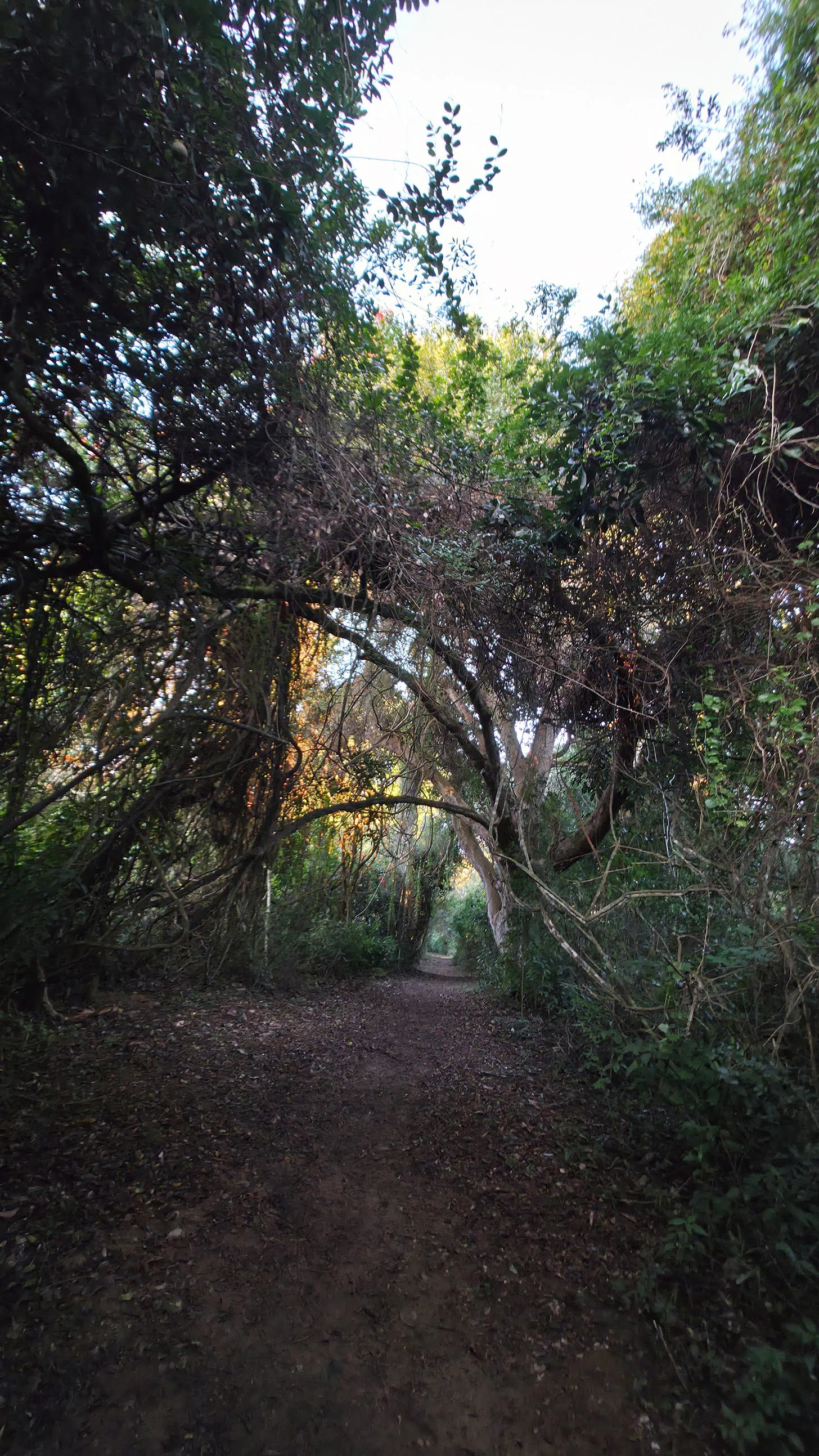
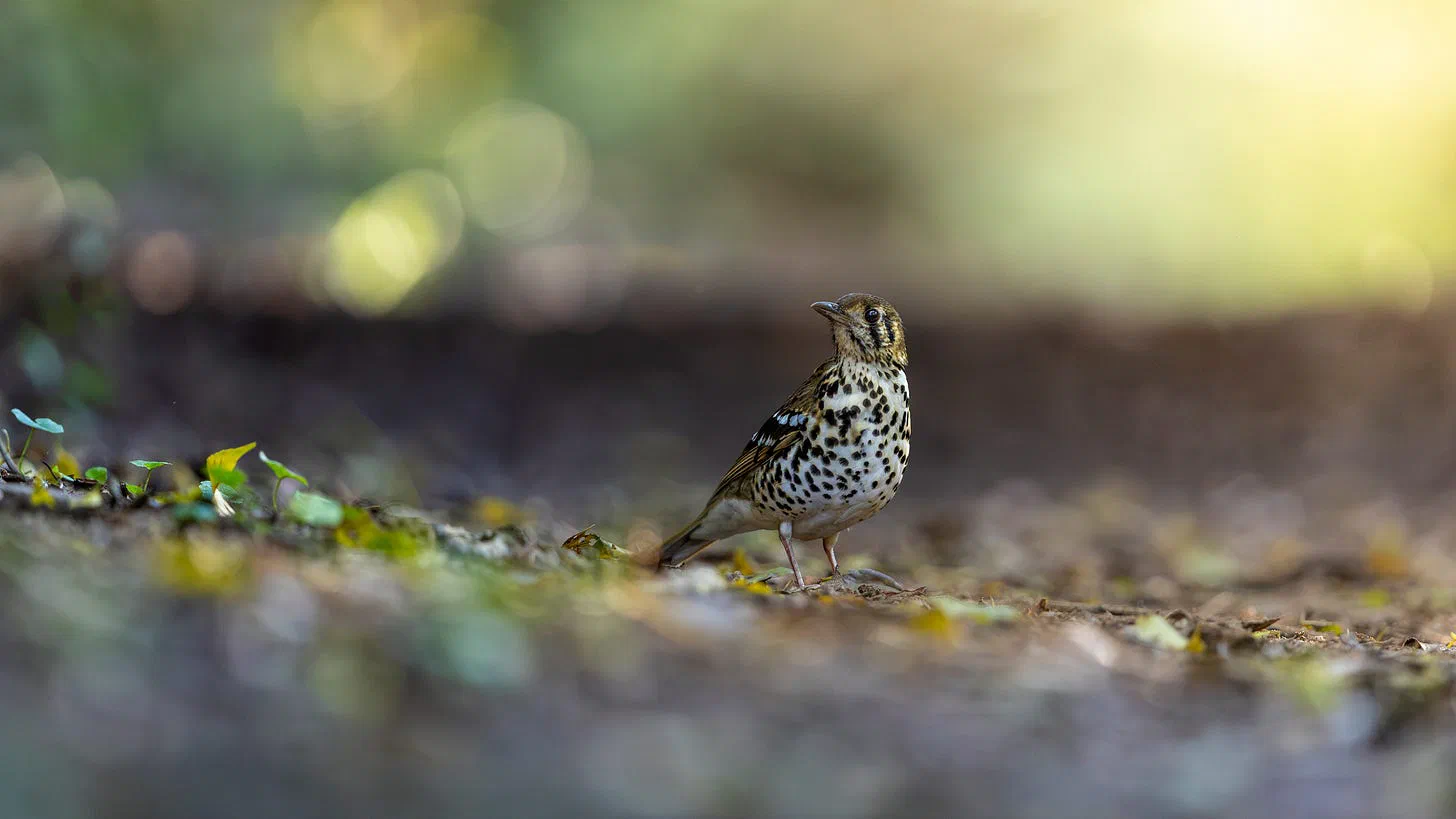
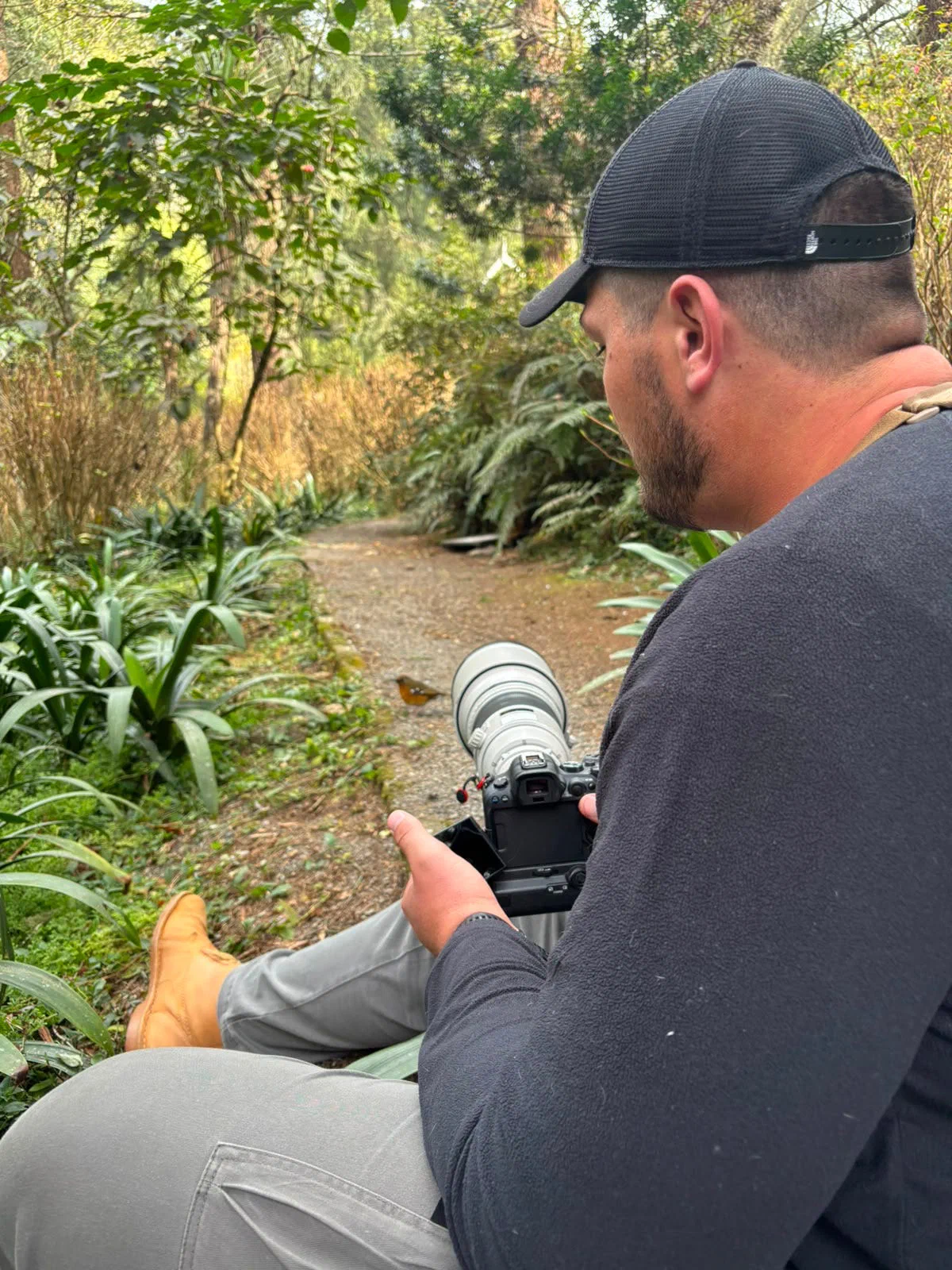
The iGwala Gwala Trail takes you through a beautiful section of coastal forest, and we had barely begun walking when we noticed a Spotted Ground Thrush sitting right in the middle of the footpath. Having already encountered this species at Dlinza Forest, we knew just how fortunate we were to find it again, but this encounter was something completely different.
The bird was exceptionally habituated to people and showed very little concern about our presence. More remarkably, it was sitting in beautiful light, completely exposed and at exactly the sort of distance a wildlife photographer dreams about. We were able to sit down and photograph it at eye level rather than trying to find a small, elusive bird somewhere beneath the forest canopy.
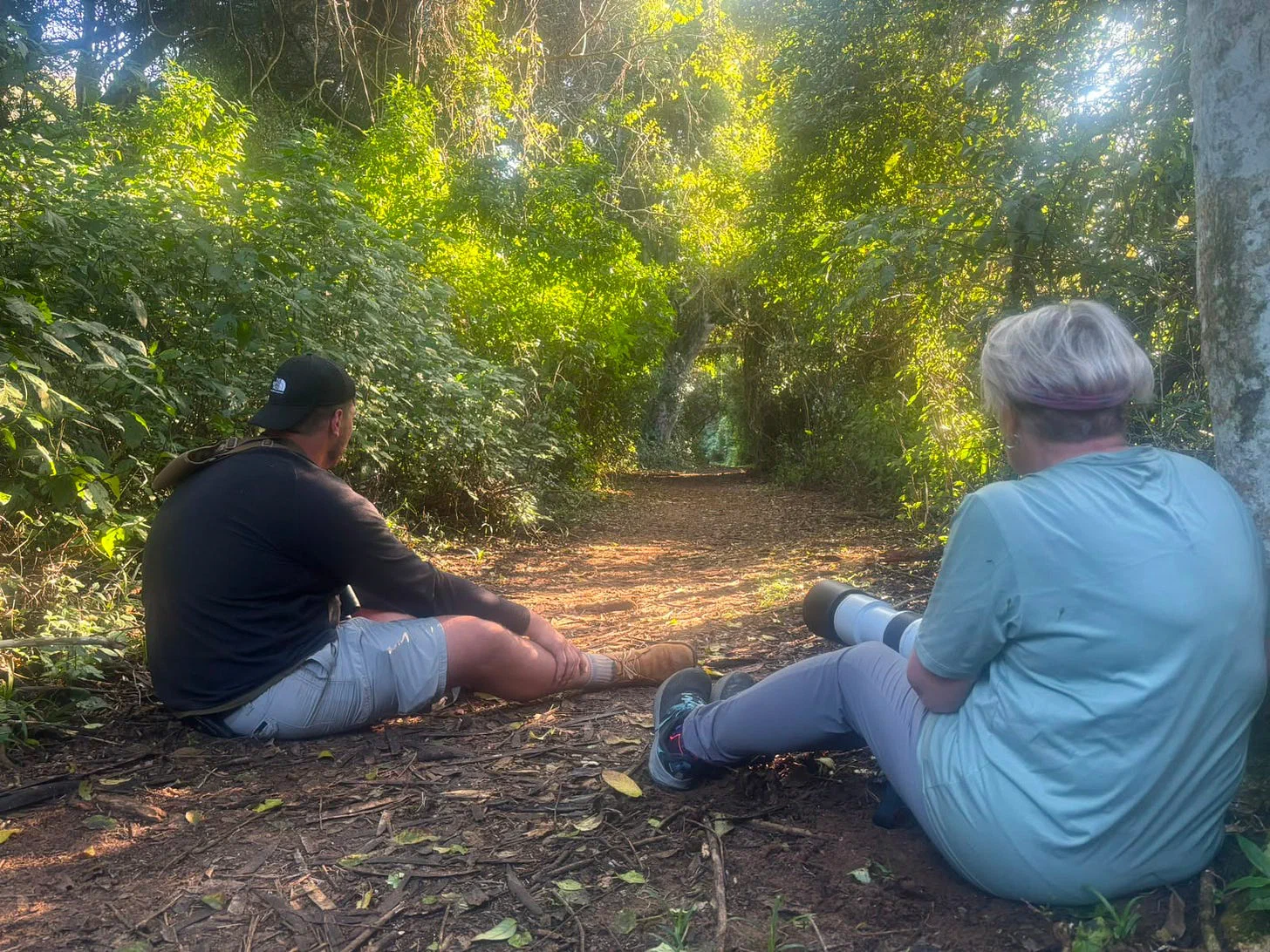
We remained with it for roughly forty minutes, simply enjoying the experience and photographing it as it moved around the path. Encounters like this are what make a birding trip particularly special for a photographer. Seeing a species is rewarding in itself, but being given the opportunity to spend an extended period observing it without having to disturb or pursue it is something else entirely.
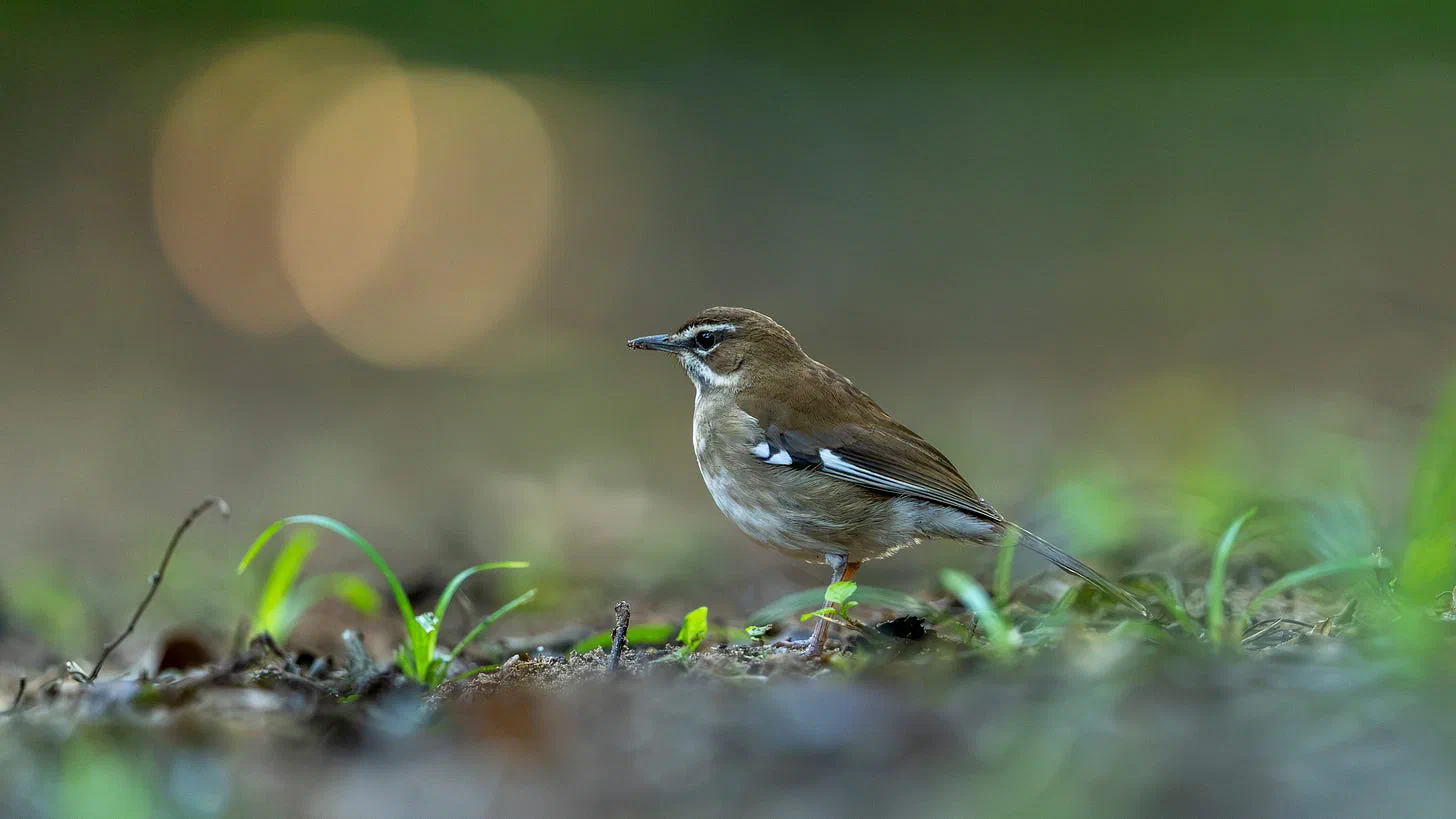
Eventually, the thrush moved off into the forest and we continued along the trail. Not long afterwards, we encountered another bird that seemed to have adopted exactly the same attitude towards us. A Brown Scrub-robin was sitting in the middle of the path, seemingly completely unconcerned by the photographers now approaching it.
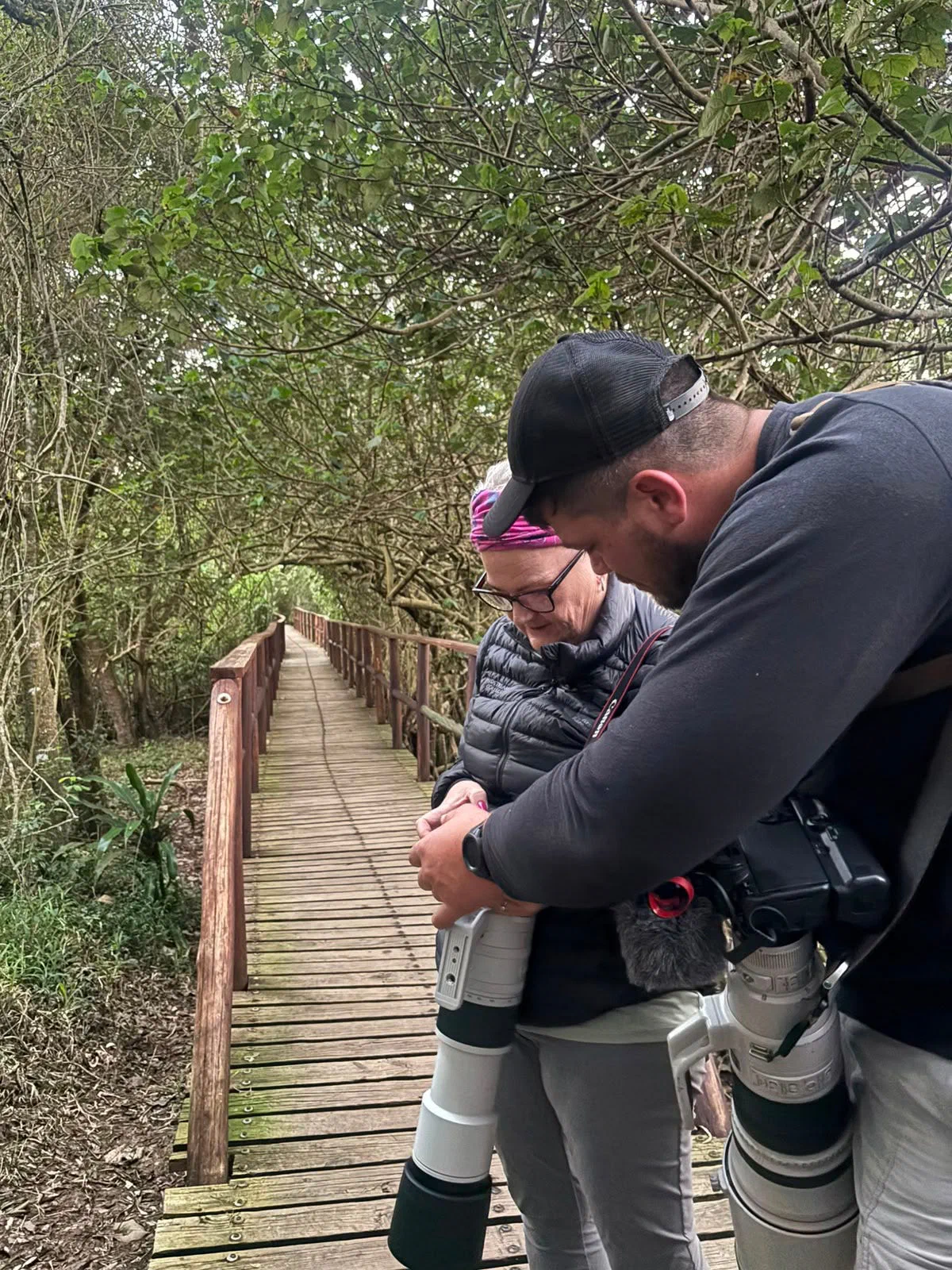
By this stage, we knew what to do. We sat down, got ourselves as low as possible and began photographing it from eye level. Another thirty minutes disappeared almost without us noticing. For the guests, these close encounters were a wonderful opportunity to experience the difference between simply adding a species to a list and actually spending time with a wild bird.
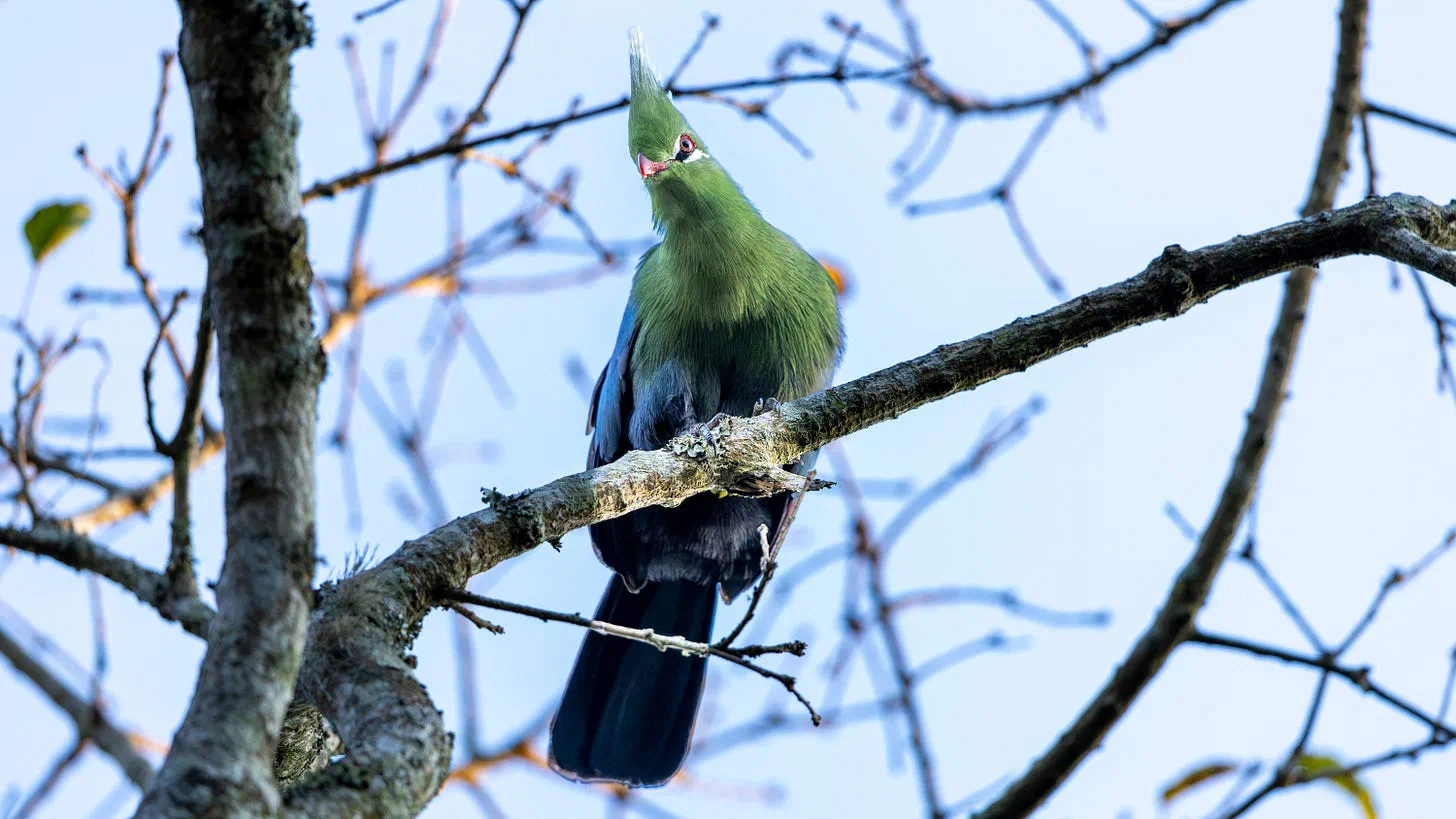
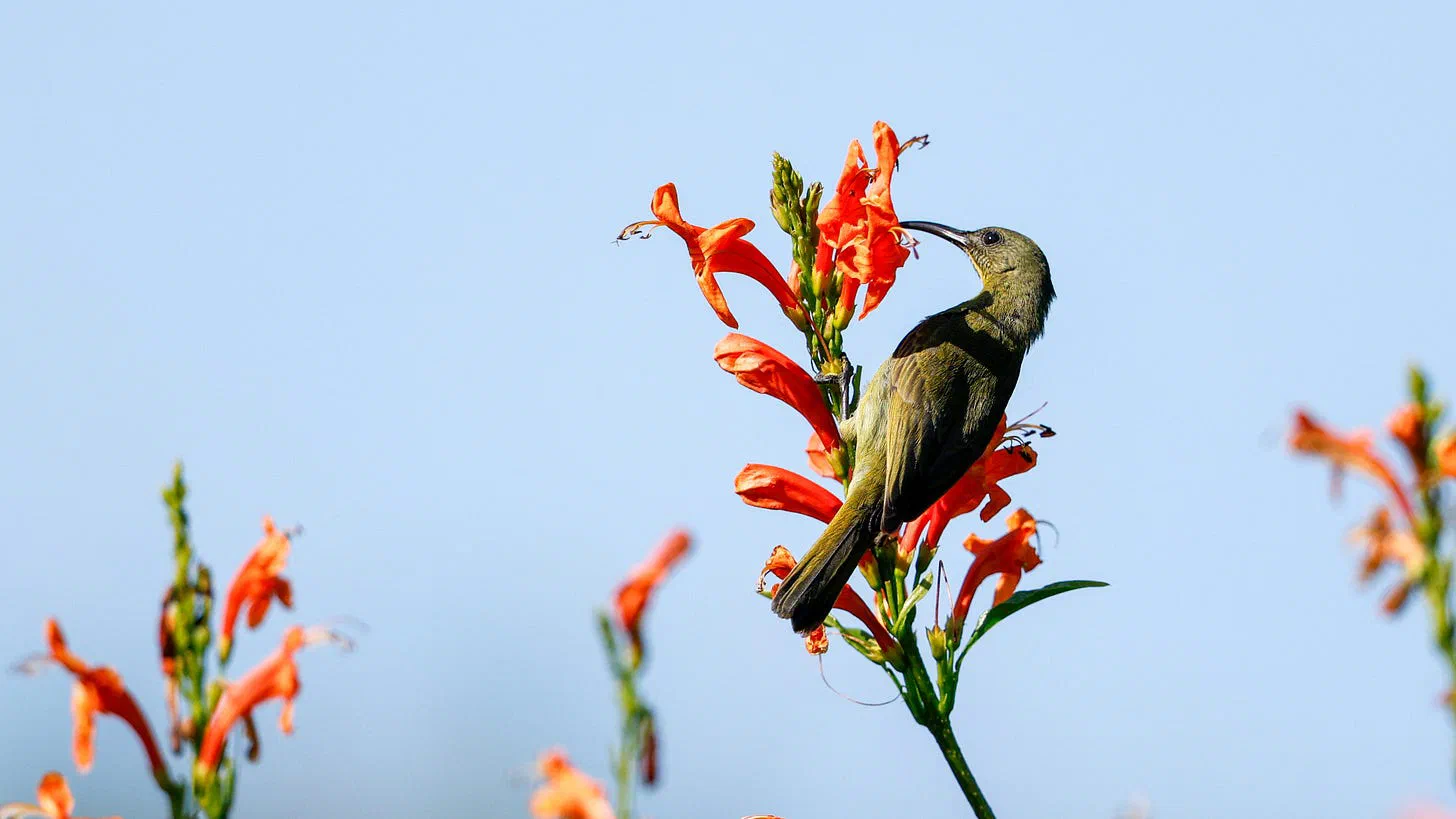
As we continued towards the end of the trail, the forest produced several more species, including Collared Sunbird, Dark-backed Weaver, Livingstone’s Turaco and Square-tailed Drongo, along with a number of other birds that kept us interested throughout the walk.
It had been an exceptional first afternoon in St Lucia, and the trip still had another full day ahead of it.
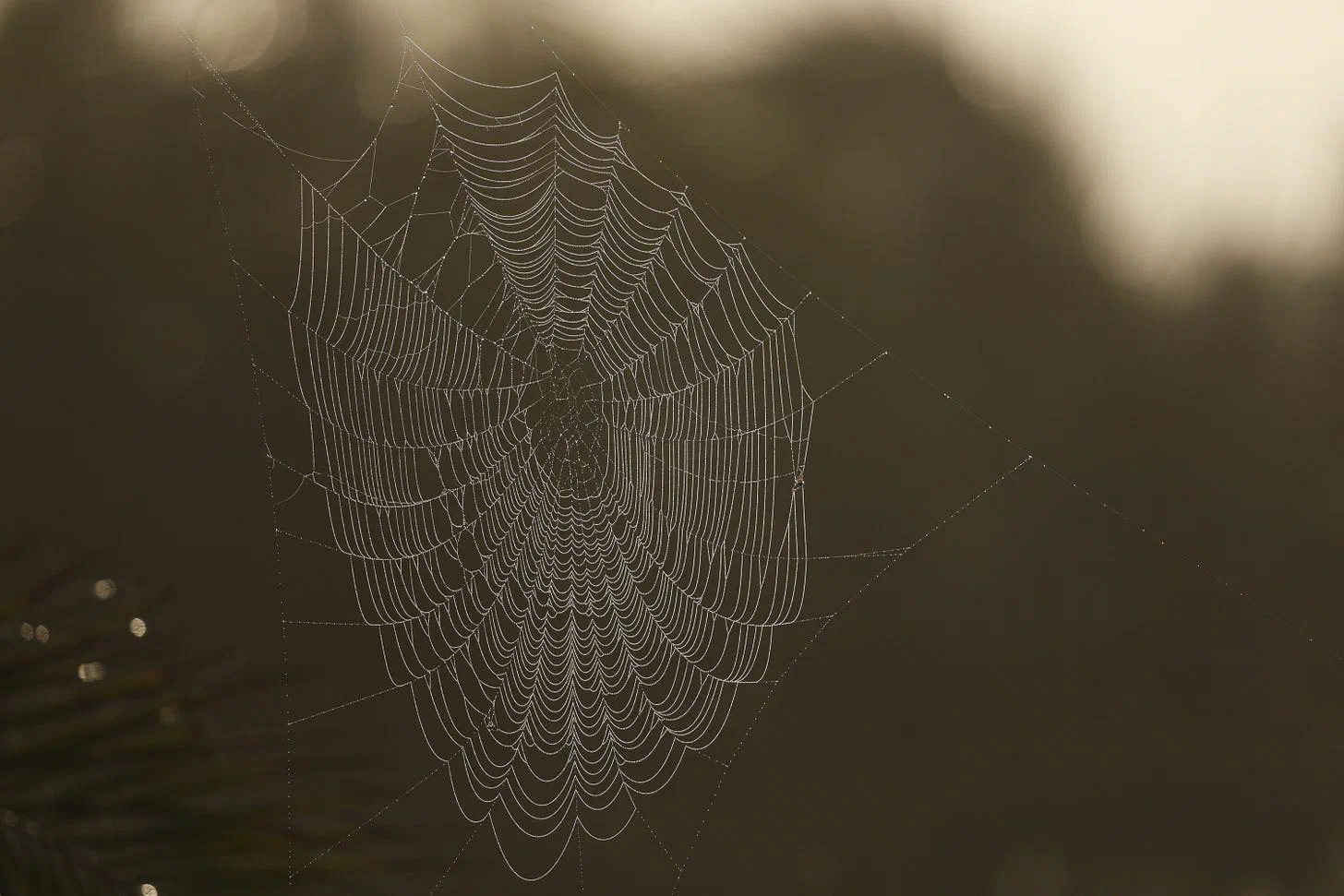
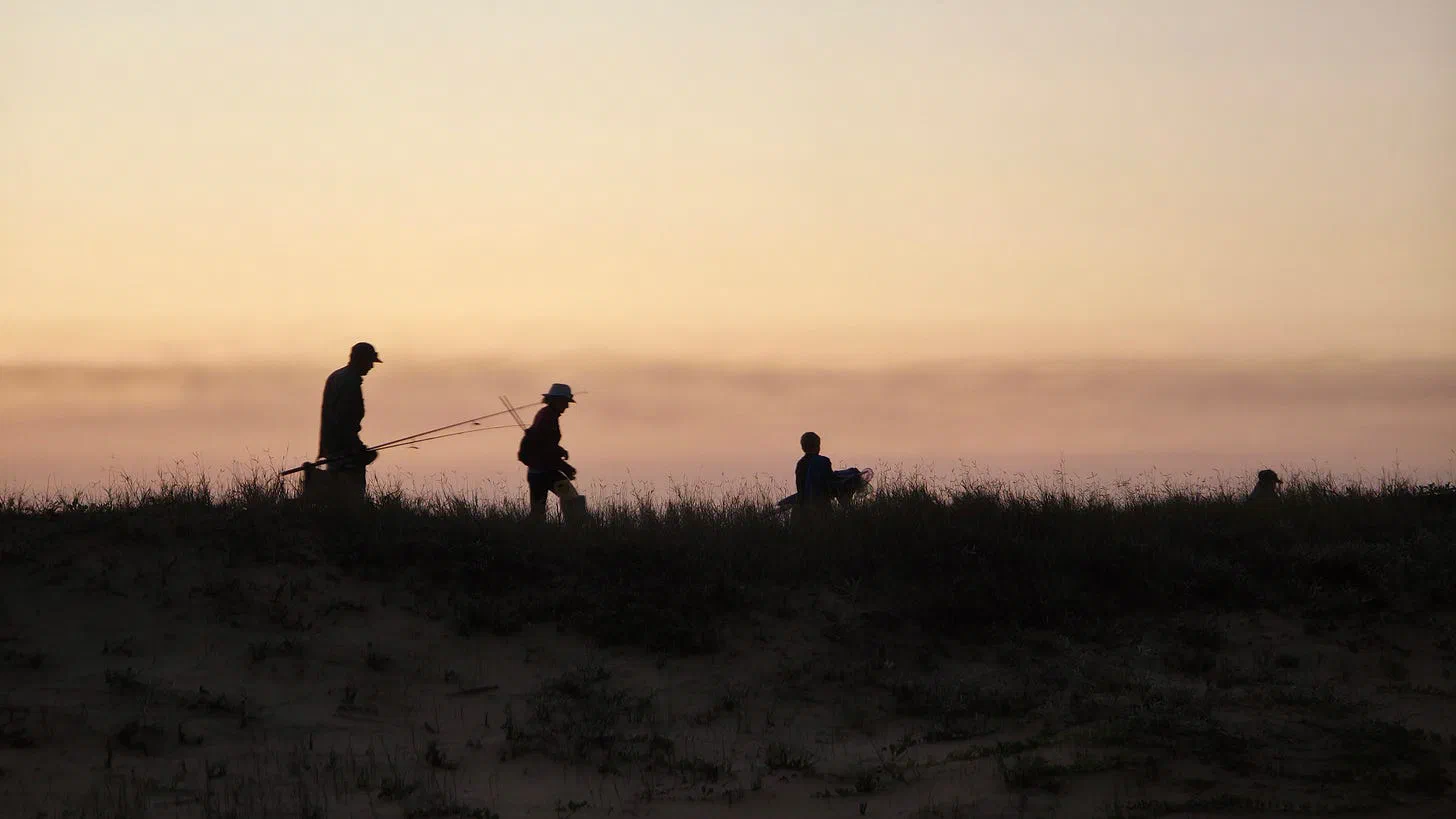
The following morning began early, as most birding mornings tend to do. At around 06:00 we entered the iSimangaliso Wetland Park, with Cape Vidal as our destination. The conditions were completely different from the previous afternoon. Mist and fog hung over the landscape as we made our way through the park, creating a quiet and atmospheric start to the day.
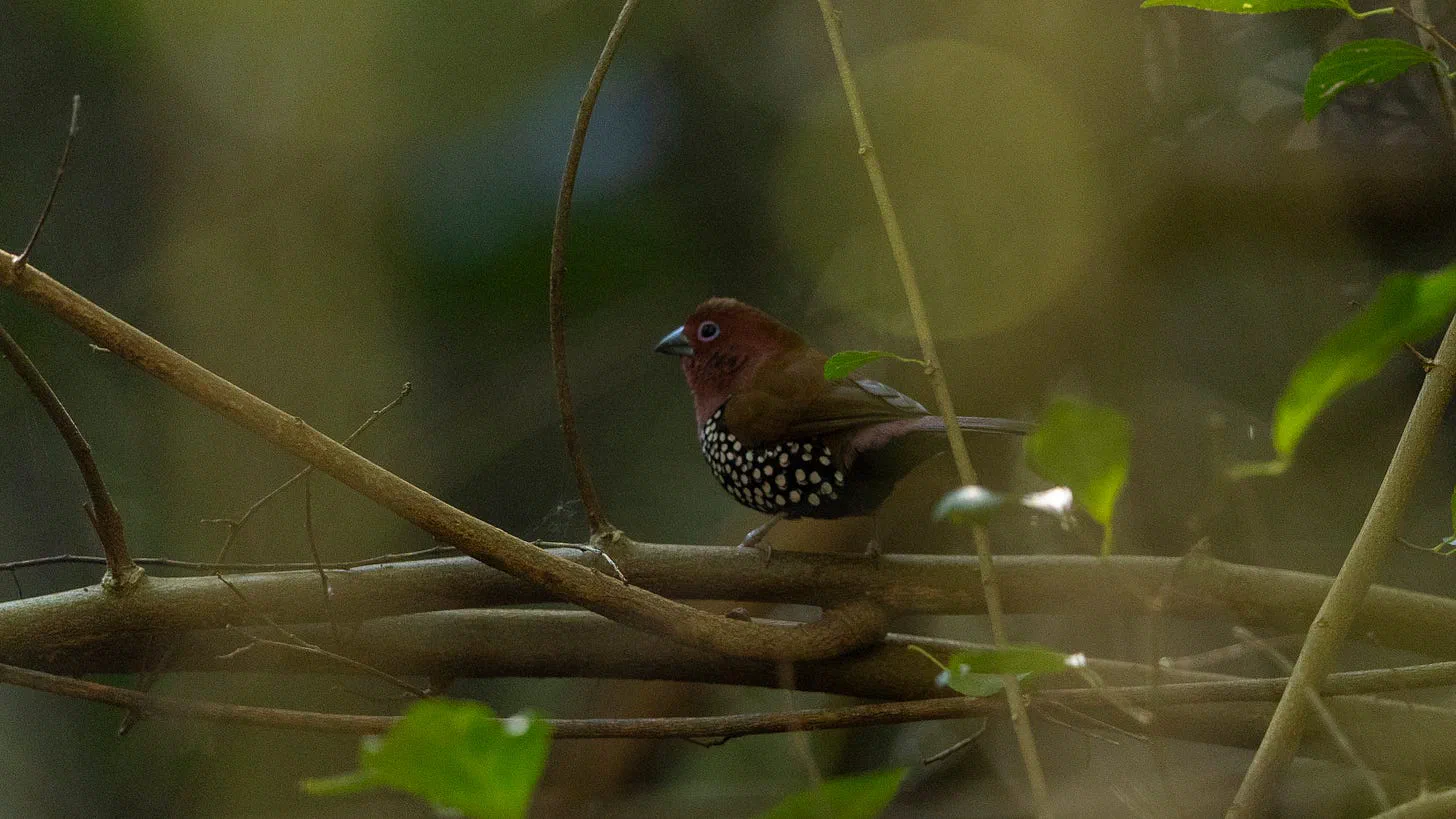
Although the scenery alone would have been enough reason to enjoy the drive, we had a particular objective in mind. We were heading towards Cape Vidal in search of twinspots, with both Green Twinspot and the much more sought-after Pink-throated Twinspot high on our list.
Cape Vidal and the surrounding coastal forests provide important habitat for a remarkable range of forest and coastal species. The diversity of habitats within iSimangaliso is one of the defining features of the park, with coastal forest, sand forest, grasslands, wetlands, estuaries and marine environments all forming part of this extraordinary landscape.
Finding the twinspots, however, proved considerably more difficult than we had hoped.
We spent around an hour and a half searching, moving through suitable habitat and listening carefully for any indication that the birds were nearby. At one point, it seemed almost amusing that we were finding other sought-after species more easily than the birds we had actually come to look for. The White-starred Robin, for example, made its presence known despite not being one of our targets.
Eventually, our persistence paid off. We located both the Green Twinspot and the species we had particularly hoped to find, the Pink-throated Twinspot. After such a long search, finally seeing both species was immensely rewarding, particularly for the guests who had patiently worked their way through the forest with us.
After making our way back towards St Lucia, we spent some time exploring the estuary and its surrounding boardwalks. We had already experienced an exceptional few days, but St Lucia still had one more surprise in store.
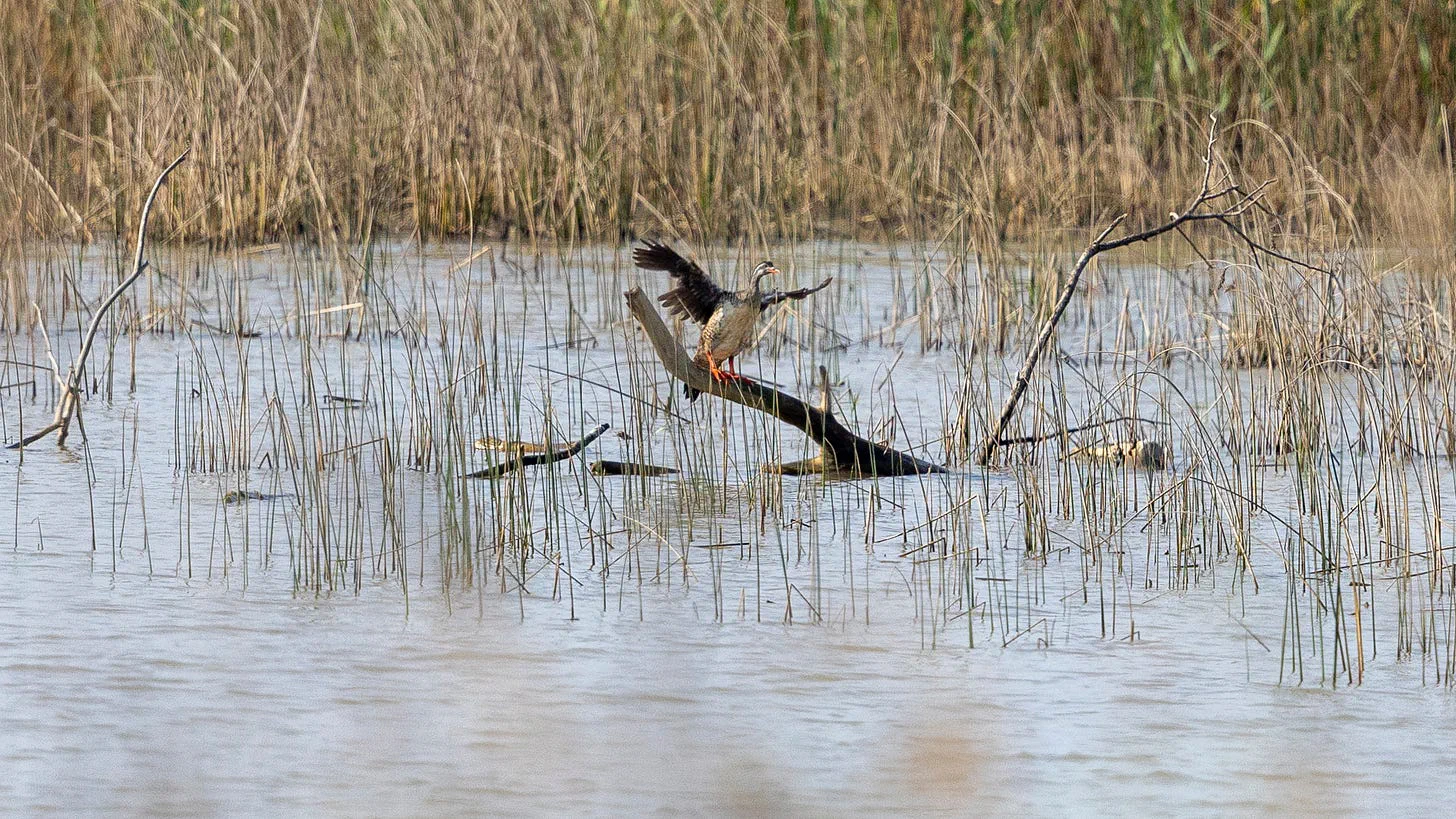
While walking along the boardwalk, we found a Black-throated Wattle-eye, but it was what appeared further away that really caught our attention. In the distance was an African Finfoot.
It was not the close photographic encounter we had enjoyed with the ground thrush and Brown Scrub-robin, but what made the sighting more special, we had not been specifically searching for it at that moment, and after such an intensive few days of birding, having an African Finfoot unexpectedly appear in the landscape felt like a wonderful final gift from St Lucia.
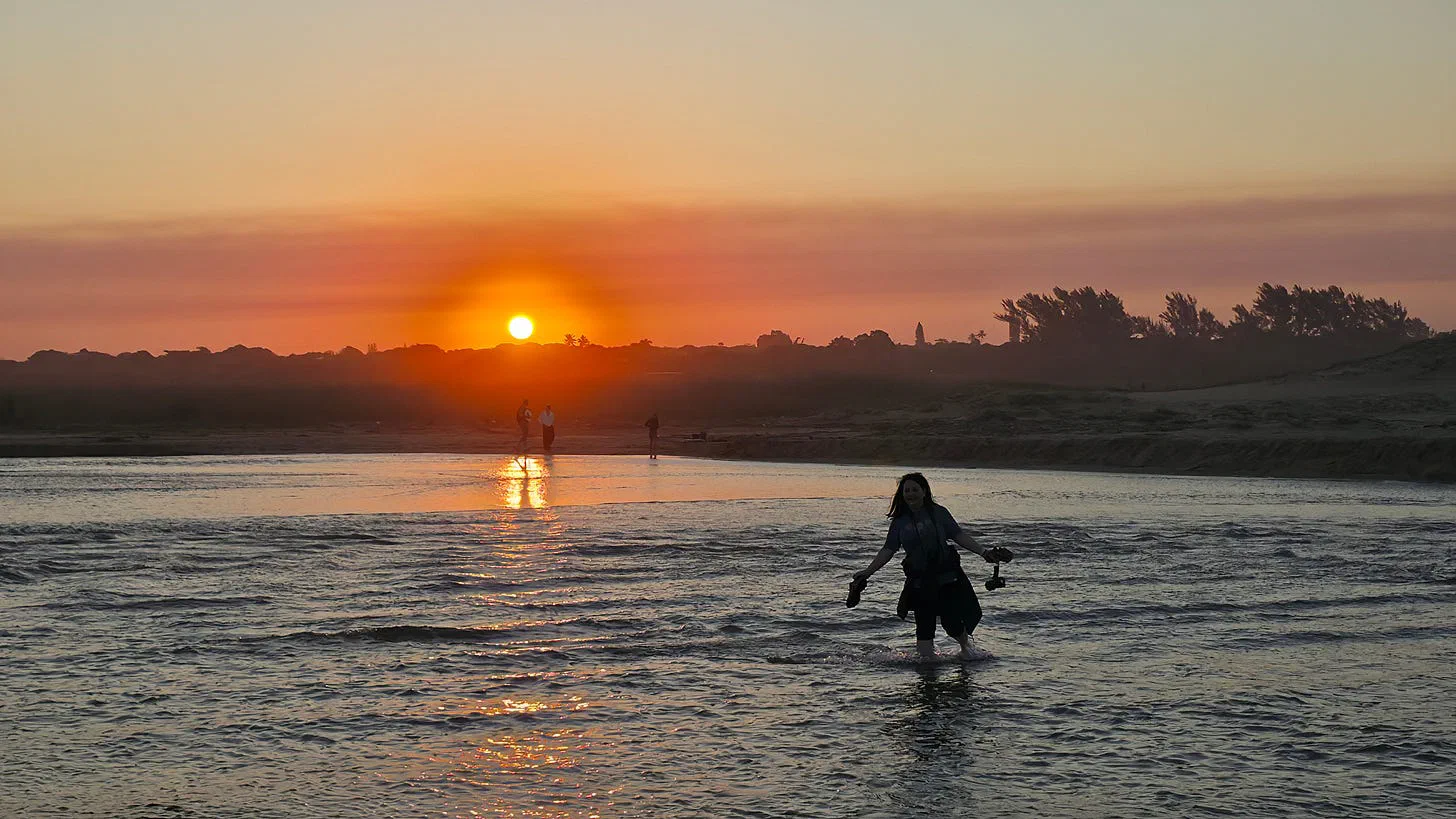
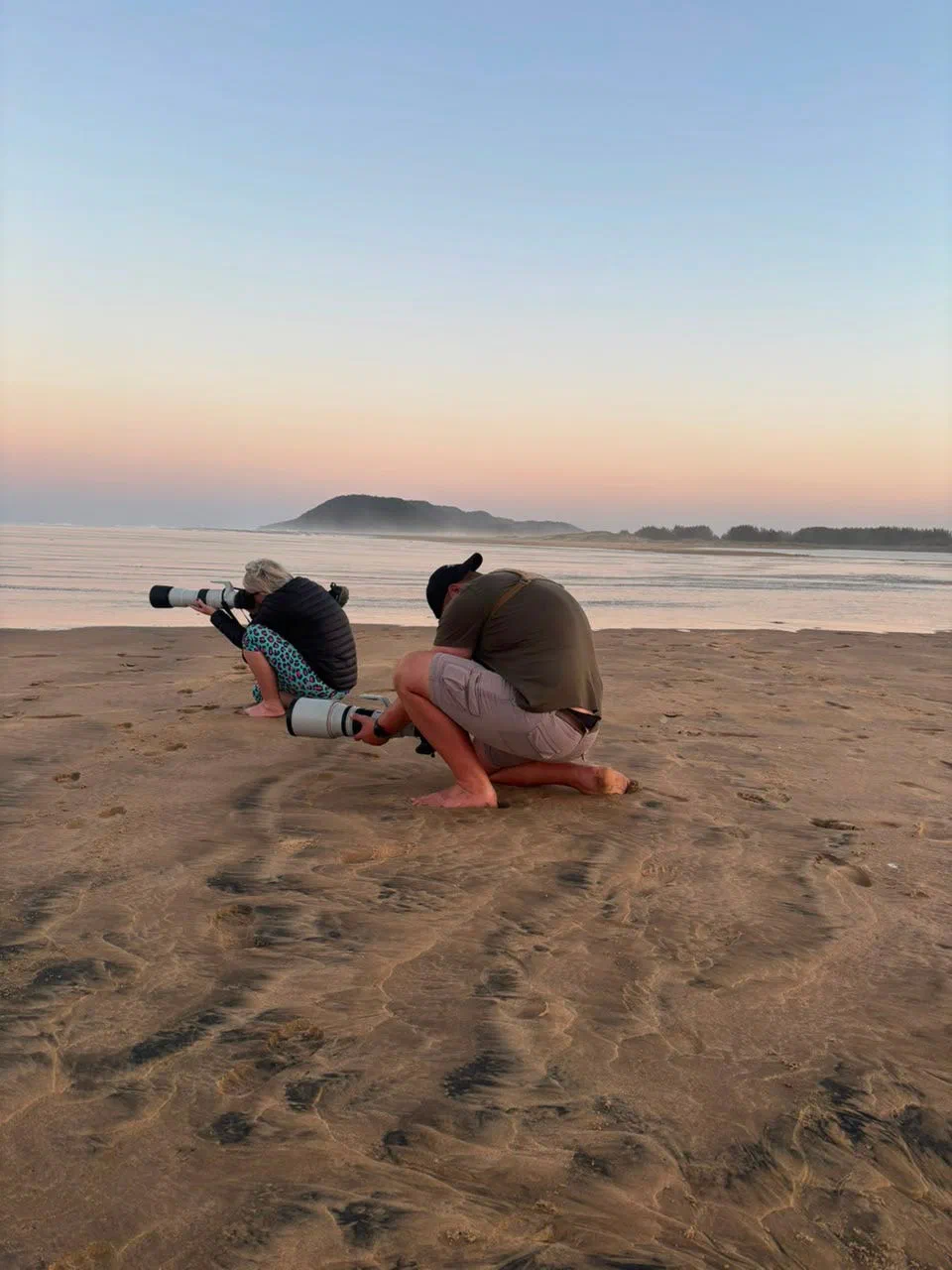
That evening, we headed down to the estuary for sunset. The views across the water were spectacular, and after several days of early mornings and searching through forests, it was a chance to slow down and simply take in the landscape.
The tern roost was considerably smaller than what can be experienced during the summer months, with Swift Terns and Common Terns making up most of the birds present, accompanied by a lone Kelp Gull.
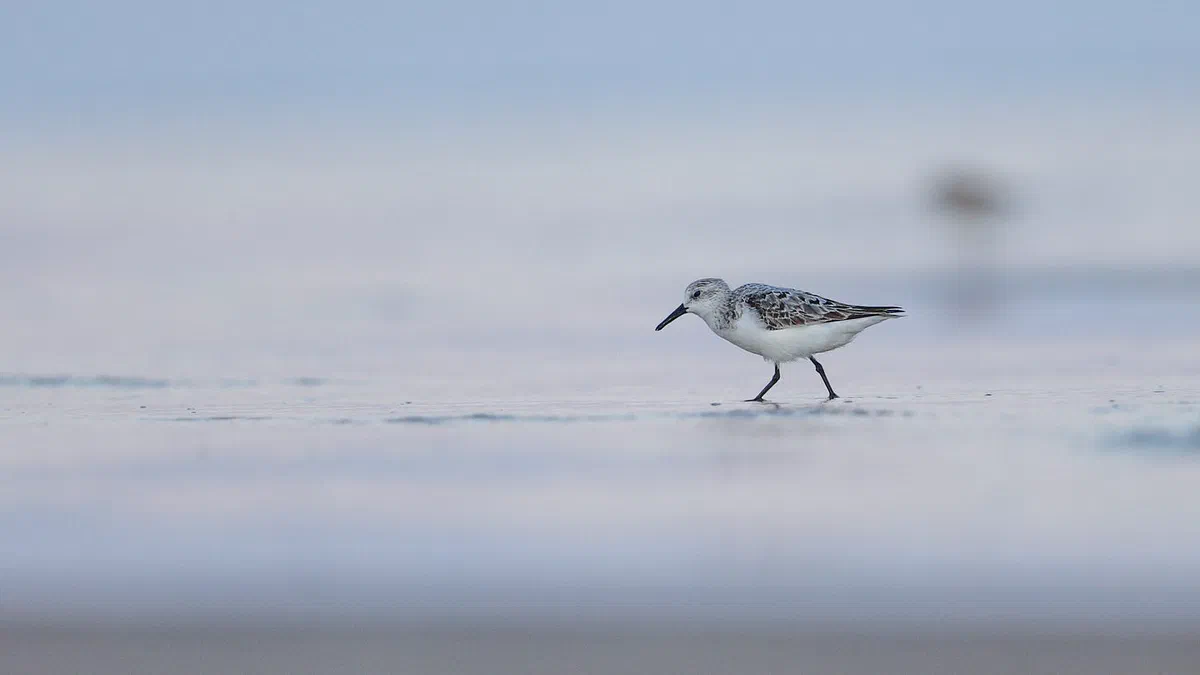
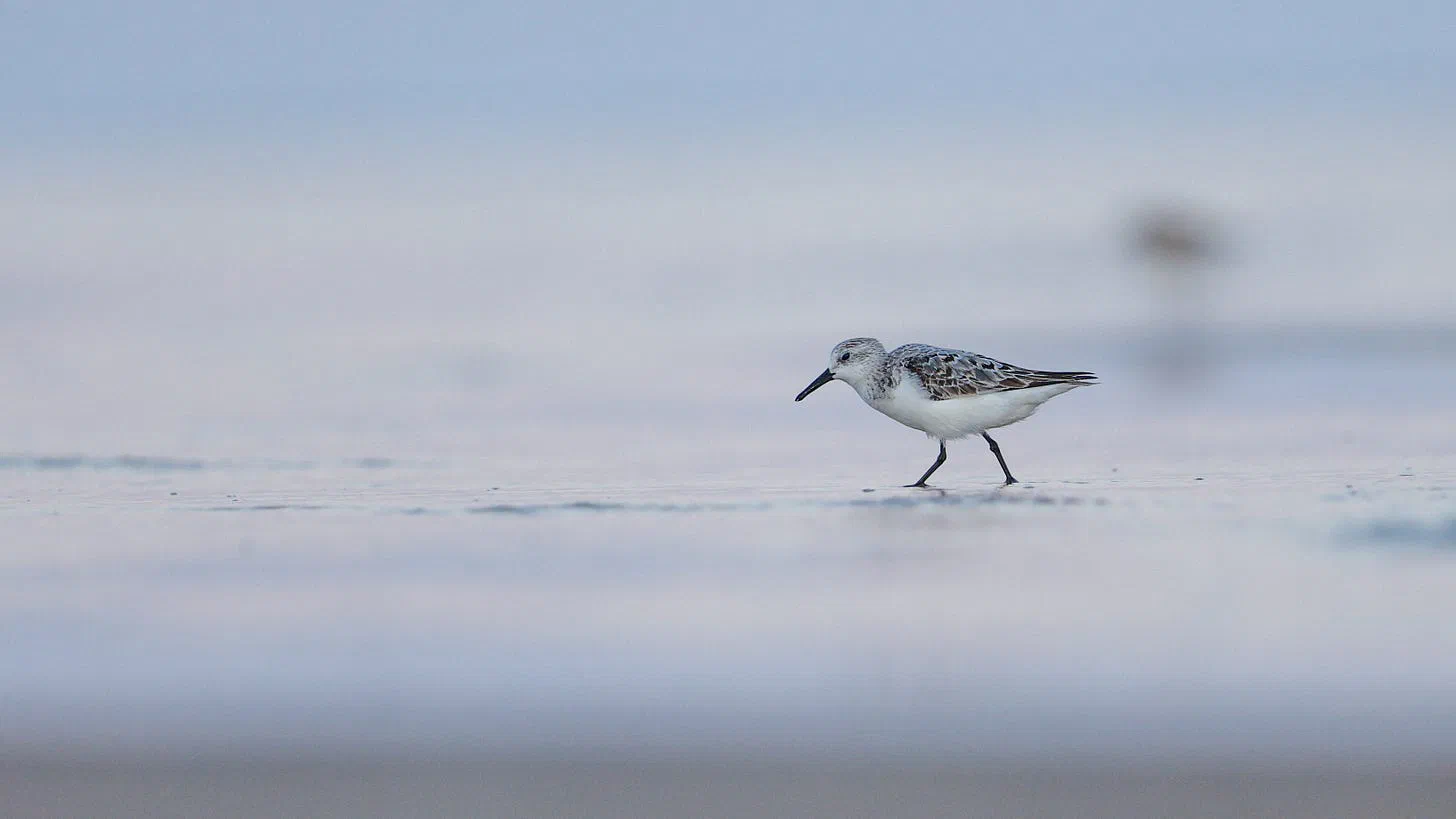
Along the beach, Sanderlings and White-fronted Plovers provided plenty of opportunities for photography, and we spent some enjoyable time working with the birds as the light began to soften.
It was a peaceful end to what had been an exceptionally busy birding trip.
St Lucia is arguably one of the most versatile birding destinations in South Africa. Within a relatively compact area, the surrounding landscape offers an extraordinary mixture of habitats, from Zululand grasslands and coastal forest to sand forest, wetlands, estuary and the Indian Ocean. That diversity is reflected in the remarkable variety of birds that can be encountered here.
For a bird photographer, it is an especially rewarding destination. One outing can involve searching for a tiny forest specialist, while another might take you along an estuary or onto the beach to photograph shorebirds and terns. The range of photographic opportunities is almost as impressive as the species list itself.
For our group, however, St Lucia became about much more than the birds we managed to photograph. It was the experience of sitting quietly on a forest path with a Spotted Ground Thrush for forty minutes, watching a Brown Scrub-robin behave as though we weren’t there, finally finding the twinspots after a long search and then being surprised by an African Finfoot when we least expected it. These are the moments that remain with you long after the cameras have been packed away.
The following morning, we packed up and began the journey home. Looking back over the entire KZN Bird Photography Experience 2026, the trip had delivered far more than the species we had set out to find. We had travelled through an extraordinary variety of landscapes, shared countless hours in the field and experienced some of the most memorable bird encounters I have had in South Africa.
And perhaps that is what makes St Lucia so special. It is a place where the birding, the landscape and the feeling of being immersed in Africa come together so naturally. You can arrive with a list of targets, but you leave remembering the unexpected encounters, the beautiful places and the moments that could never have been planned.
For me, that is what a birding experience should be about — not simply the birds you find, but the places they take you and the memories you create along the way.
And St Lucia was the perfect place to end our journey.
This report first appeared on Christo's Substack.
This trip is also on Cloudbirders, the international archive of birding trip reports (PDF).
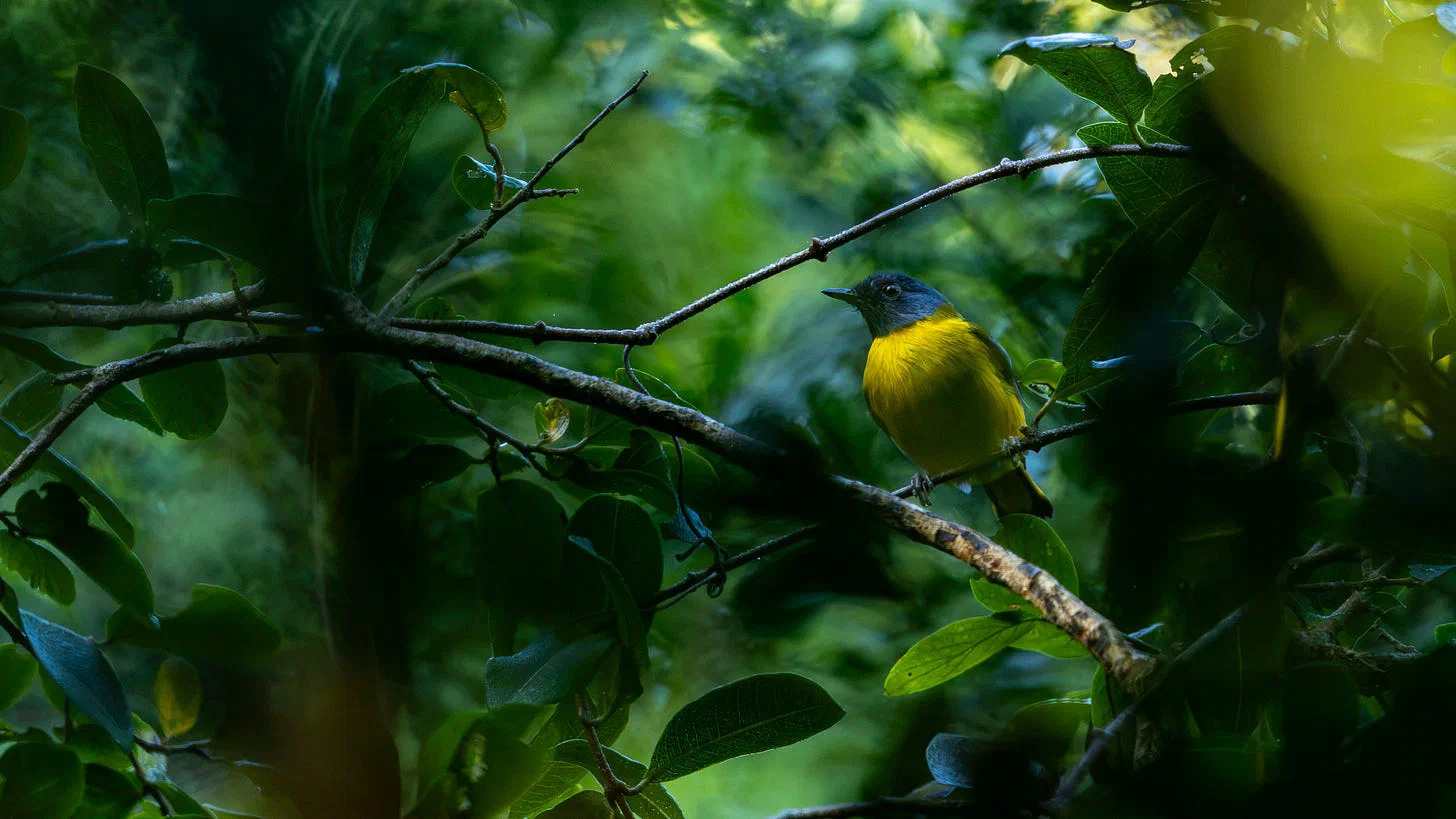
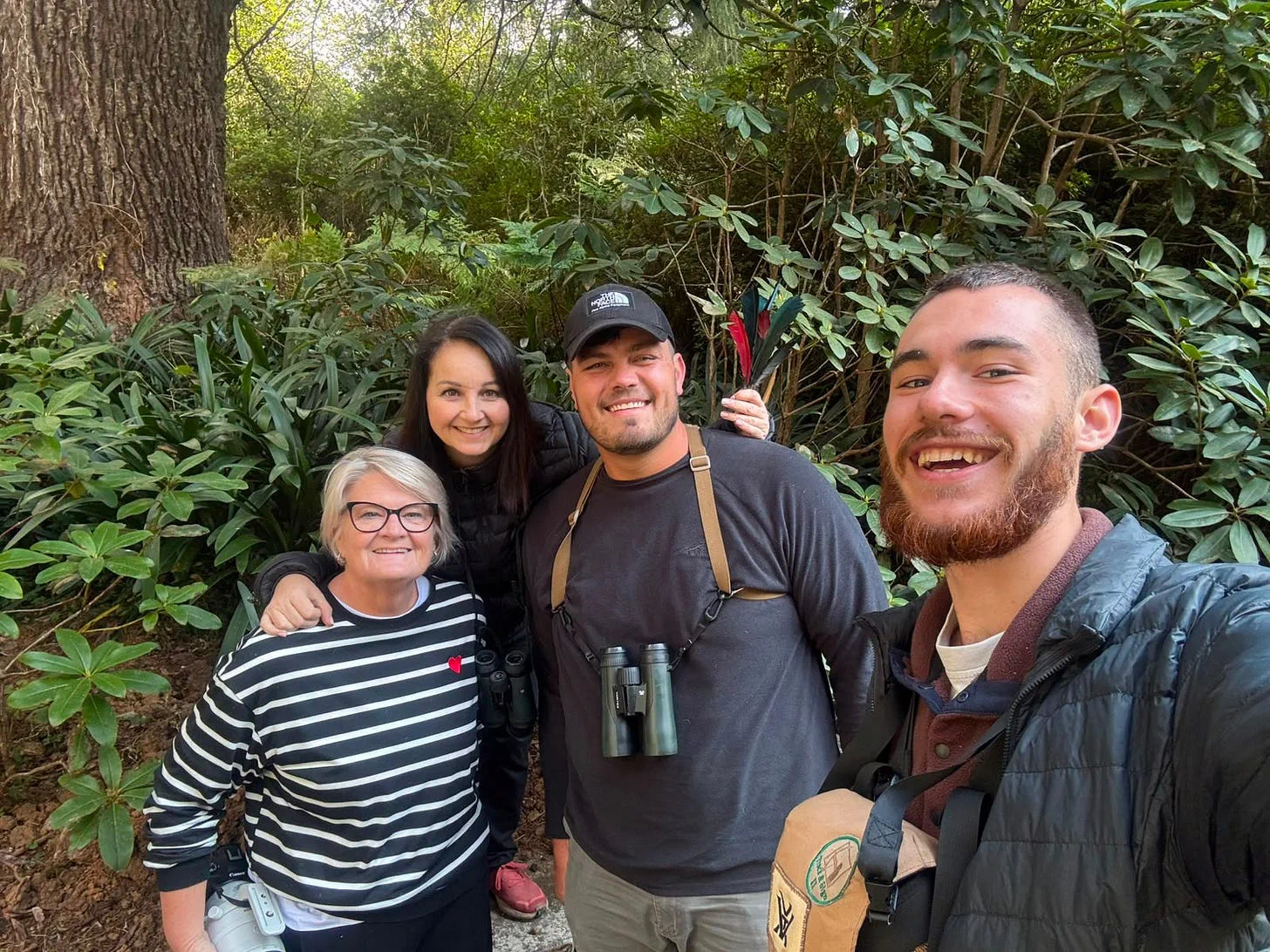
Names and order follow the IOC World Bird List (version 15.2). Birds marked (H) were heard but not seen.
| Species (IOC) | Scientific name |
|---|---|
| Ducks, Geese, Swans (Anatidae) | |
| White-faced Whistling Duck | Dendrocygna viduata |
| Egyptian Goose | Alopochen aegyptiaca |
| Yellow-billed Duck | Anas undulata |
| Guineafowl (Numididae) | |
| Southern Crested Guineafowl | Guttera edouardi |
| Swifts (Apodidae) | |
| African Palm Swift | Cypsiurus parvus |
| Turacos (Musophagidae) | |
| Livingstone's Turaco | Tauraco livingstonii |
| Cuckoos (Cuculidae) | |
| Burchell's Coucal | Centropus burchellii |
| Green Malkoha | Ceuthmochares australis |
| African Emerald Cuckoo | Chrysococcyx cupreus |
| Pigeons, Doves (Columbidae) | |
| Red-eyed Dove | Streptopelia semitorquata |
| African Green Pigeon | Treron calvus |
| Finfoots (Heliornithidae) | |
| African Finfoot | Podica senegalensis |
| Rails, Crakes & Coots (Rallidae) | |
| African Swamphen (H) | Porphyrio madagascariensis |
| Black Crake | Zapornia flavirostra |
| Grebes (Podicipedidae) | |
| Little Grebe | Tachybaptus ruficollis |
| Stone-curlews, Thick-knees (Burhinidae) | |
| Spotted Thick-knee | Burhinus capensis |
| Plovers (Charadriidae) | |
| Three-banded Plover | Thinornis tricollaris |
| White-fronted Plover | Anarhynchus marginatus |
| Jacanas (Jacanidae) | |
| African Jacana | Actophilornis africanus |
| Sandpipers, Snipes (Scolopacidae) | |
| Sanderling | Calidris alba |
| Gulls, Terns, Skimmers (Laridae) | |
| Greater Crested Tern | Thalasseus bergii |
| Grey-headed Gull | Chroicocephalus cirrocephalus |
| Kelp Gull | Larus dominicanus |
| Storks (Ciconiidae) | |
| Marabou Stork | Leptoptilos crumenifer |
| African Woolly-necked Stork | Ciconia microscelis |
| Anhingas, Darters (Anhingidae) | |
| African Darter | Anhinga rufa |
| Cormorants, Shags (Phalacrocoracidae) | |
| Reed Cormorant | Microcarbo africanus |
| Ibises, Spoonbills (Threskiornithidae) | |
| Hadada Ibis | Bostrychia hagedash |
| Herons, Bitterns (Ardeidae) | |
| Little Heron | Butorides atricapilla |
| Western Cattle Egret | Ardea ibis |
| Black-headed Heron | Ardea melanocephala |
| Hamerkop (Scopidae) | |
| Hamerkop | Scopus umbretta |
| Pelicans (Pelecanidae) | |
| Great White Pelican | Pelecanus onocrotalus |
| Secretarybird (Sagittariidae) | |
| Secretarybird | Sagittarius serpentarius |
| Kites, Hawks, Eagles (Accipitridae) | |
| Crowned Eagle | Stephanoaetus coronatus |
| African Hawk-Eagle | Aquila spilogaster |
| African Goshawk | Aerospiza tachiro |
| Little Sparrowhawk | Tachyspiza minulla |
| African Fish Eagle | Icthyophaga vocifer |
| Mousebirds (Coliidae) | |
| Red-faced Mousebird | Urocolius indicus |
| Hornbills (Bucerotidae) | |
| Southern Red-billed Hornbill | Tockus rufirostris |
| Southern Yellow-billed Hornbill | Tockus leucomelas |
| Crowned Hornbill | Lophoceros alboterminatus |
| Trumpeter Hornbill | Bycanistes bucinator |
| Rollers (Coraciidae) | |
| Lilac-breasted Roller | Coracias caudatus |
| Kingfishers (Alcedinidae) | |
| Brown-hooded Kingfisher | Halcyon albiventris |
| Striped Kingfisher | Halcyon chelicuti |
| Mangrove Kingfisher | Halcyon senegaloides |
| African Pygmy Kingfisher | Ispidina picta |
| Malachite Kingfisher | Corythornis cristatus |
| African Barbets (Lybiidae) | |
| White-eared Barbet | Stactolaema leucotis |
| Yellow-rumped Tinkerbird | Pogoniulus bilineatus |
| Woodpeckers (Picidae) | |
| Golden-tailed Woodpecker | Campethera abingoni |
| Cardinal Woodpecker | Dendropicos fuscescens |
| Wattle-eyes, Batises (Platysteiridae) | |
| Woodwards' Batis (H) | Batis fratrum |
| Black-throated Wattle-eye | Platysteira peltata |
| Bushshrikes (Malaconotidae) | |
| Olive Bushshrike | Chlorophoneus olivaceus |
| Black-backed Puffback | Dryoscopus cubla |
| Drongos (Dicruridae) | |
| Fork-tailed Drongo | Dicrurus adsimilis |
| Square-tailed Drongo | Dicrurus ludwigii |
| Monarchs (Monarchidae) | |
| Blue-mantled Crested Flycatcher | Trochocercus cyanomelas |
| African Paradise Flycatcher | Terpsiphone viridis |
| Shrikes (Laniidae) | |
| Southern Fiscal | Lanius collaris |
| Crows, Jays (Corvidae) | |
| Pied Crow | Corvus albus |
| Nicators (Nicatoridae) | |
| Eastern Nicator | Nicator gularis |
| Larks (Alaudidae) | |
| Rufous-naped Lark | Corypha africana |
| Bulbuls (Pycnonotidae) | |
| Sombre Greenbul | Andropadus importunus |
| Yellow-bellied Greenbul | Chlorocichla flaviventris |
| Terrestrial Brownbul | Phyllastrephus terrestris |
| Common Bulbul | Pycnonotus barbatus |
| Swallows, Martins (Hirundinidae) | |
| Black Saw-wing | Psalidoprocne pristoptera |
| Reed Warblers & Allies (Acrocephalidae) | |
| Lesser Swamp Warbler (H) | Acrocephalus gracilirostris |
| Cisticolas & Allies (Cisticolidae) | |
| Rattling Cisticola (H) | Cisticola chiniana |
| Zitting Cisticola | Cisticola juncidis |
| Tawny-flanked Prinia | Prinia subflava |
| Rudd's Apalis | Apalis ruddi |
| Yellow-breasted Apalis | Apalis flavida |
| Green-backed Camaroptera | Camaroptera brachyura |
| White-eyes (Zosteropidae) | |
| Cape White-eye | Zosterops virens |
| Southern Yellow White-eye | Zosterops anderssoni |
| Starlings, Rhabdornises (Sturnidae) | |
| Common Myna | Acridotheres tristis |
| Black-bellied Starling | Notopholia corusca |
| Burchell's Starling | Lamprotornis australis |
| Oxpeckers (Buphagidae) | |
| Red-billed Oxpecker | Buphagus erythroryncha |
| Thrushes (Turdidae) | |
| Spotted Ground Thrush | Geokichla guttata |
| Chats, Old World Flycatchers (Muscicapidae) | |
| Brown Scrub Robin | Tychaedon signata |
| Pale Flycatcher | Agricola pallidus |
| Ashy Flycatcher | Fraseria caerulescens |
| Southern Black Flycatcher | Melaenornis pammelaina |
| Fiscal Flycatcher | Sigelus silens |
| African Dusky Flycatcher | Muscicapa adusta |
| White-starred Robin | Pogonocichla stellata |
| Red-capped Robin-Chat | Cossypha natalensis |
| Cape Robin-Chat | Dessonornis caffer |
| African Stonechat | Saxicola torquatus |
| Sunbirds (Nectariniidae) | |
| Collared Sunbird | Hedydipna collaris |
| Olive Sunbird | Cyanomitra olivacea |
| Amethyst Sunbird | Chalcomitra amethystina |
| Old World Sparrows, Snowfinches (Passeridae) | |
| Southern Grey-headed Sparrow | Passer diffusus |
| Weavers, Widowbirds (Ploceidae) | |
| Thick-billed Weaver | Amblyospiza albifrons |
| Spectacled Weaver | Ploceus ocularis |
| Eastern Golden Weaver | Ploceus subaureus |
| Village Weaver | Ploceus cucullatus |
| Dark-backed Weaver | Ploceus bicolor |
| Long-tailed Widowbird | Euplectes progne |
| Waxbills, Munias & Allies (Estrildidae) | |
| Bronze Mannikin | Spermestes cucullata |
| Green Twinspot | Mandingoa nitidula |
| Pink-throated Twinspot | Hypargos margaritatus |
| Wagtails, Pipits (Motacillidae) | |
| Cape Wagtail | Motacilla capensis |
| African Pied Wagtail | Motacilla aguimp |
| Yellow-throated Longclaw | Macronyx croceus |
| African Pipit | Anthus cinnamomeus |
| Finches, Euphonias (Fringillidae) | |
| Yellow-fronted Canary | Crithagra mozambica |
This route runs again. Seats are limited to three guests per departure.
Departure 128 June to 4 July 2027, 7 days
From Centurion to Benvie Gardens, Mtunzini, Dlinza, Ongoye, St Lucia and Cape Vidal
 Departure 2
12 to 18 July 2027, 7 days
From Centurion to Benvie Gardens, Mtunzini, Dlinza, Ongoye, St Lucia and Cape Vidal
Send your dates and the birds you’re hoping to see. Christo replies personally to every enquiry.
Join the next trip with Wildlens Birding Tours
Small-group bird photography in South Africa, limited to three guests.
WhatsApp Christo · +27 61 586 5031
www.wildlensbirdingtours.co.za · christo@wildlensbirdingtours.co.za
Read online: https://www.wildlensbirdingtours.co.za/trip-reports/kzn-2026-part-3-st-lucia-cape-vidal/