 Departure 1
KwaZulu-Natal Bird Photography Expedition
28 June to 4 July 2027, 7 days
From Centurion to Benvie Gardens, Mtunzini, Dlinza, Ongoye, St Lucia and Cape Vidal
3 seats available
R22,000per person


Wildlens Birding Tours · Trip report
From coastal forests to mangrove-lined lagoons, the second chapter of our KwaZulu-Natal birding adventure took us deep into one of the province's most rewarding birding regions.
After leaving Benvie Gardens behind, our journey continued towards the coast and the small town of Mtunzini.
If Benvie had been about getting close to forest birds in a beautiful garden setting, Mtunzini was going to be something completely different. Here, the birding landscape opens up into a mixture of coastal forest, grassland, mangroves, wetlands and estuary… each habitat offering its own collection of species.
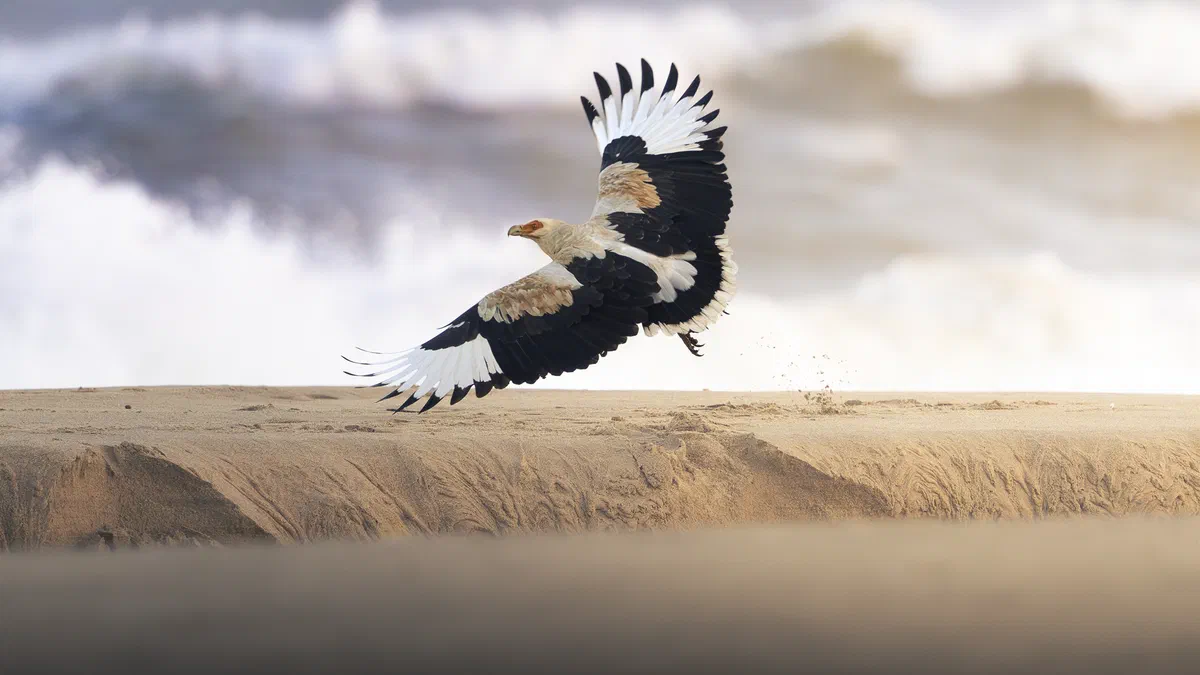
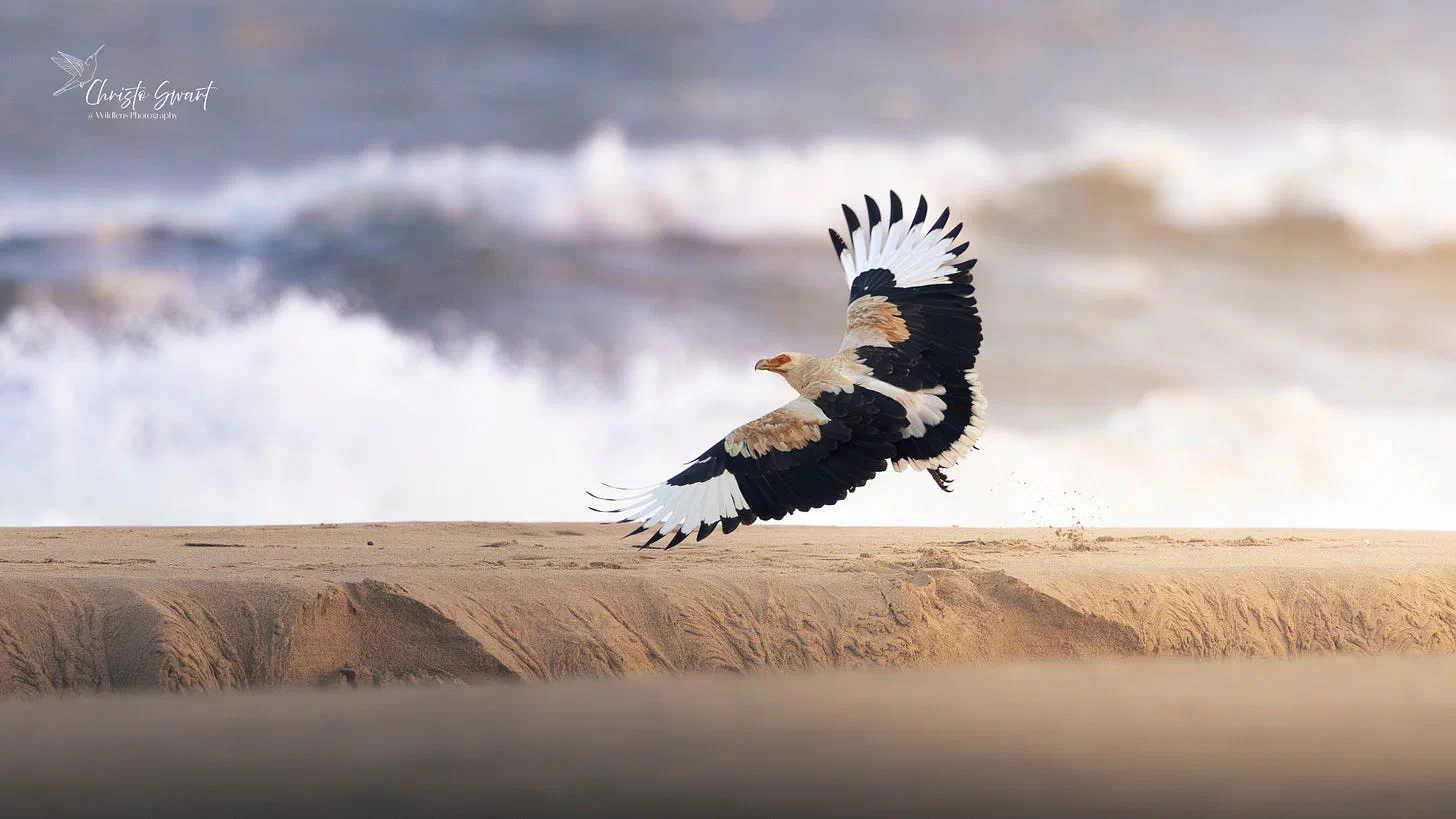
We based ourselves at Umlalazi Nature Reserve, which was to become our home for the next two nights. The reserve is particularly well known among birders for species such as Mangrove Kingfisher, African Finfoot, Eastern Golden Weaver, Palm-nut Vulture and Southern Banded Snake Eagle, amongst many others.
There was plenty to look forward to.
But our first evening wasn’t spent birding.
We had the opportunity to visit friends and watch the Wimbledon men’s final, eventually returning to camp at around 20:00. It was a fairly relaxed end to the day, but we knew the alarm would be going off early the following morning.
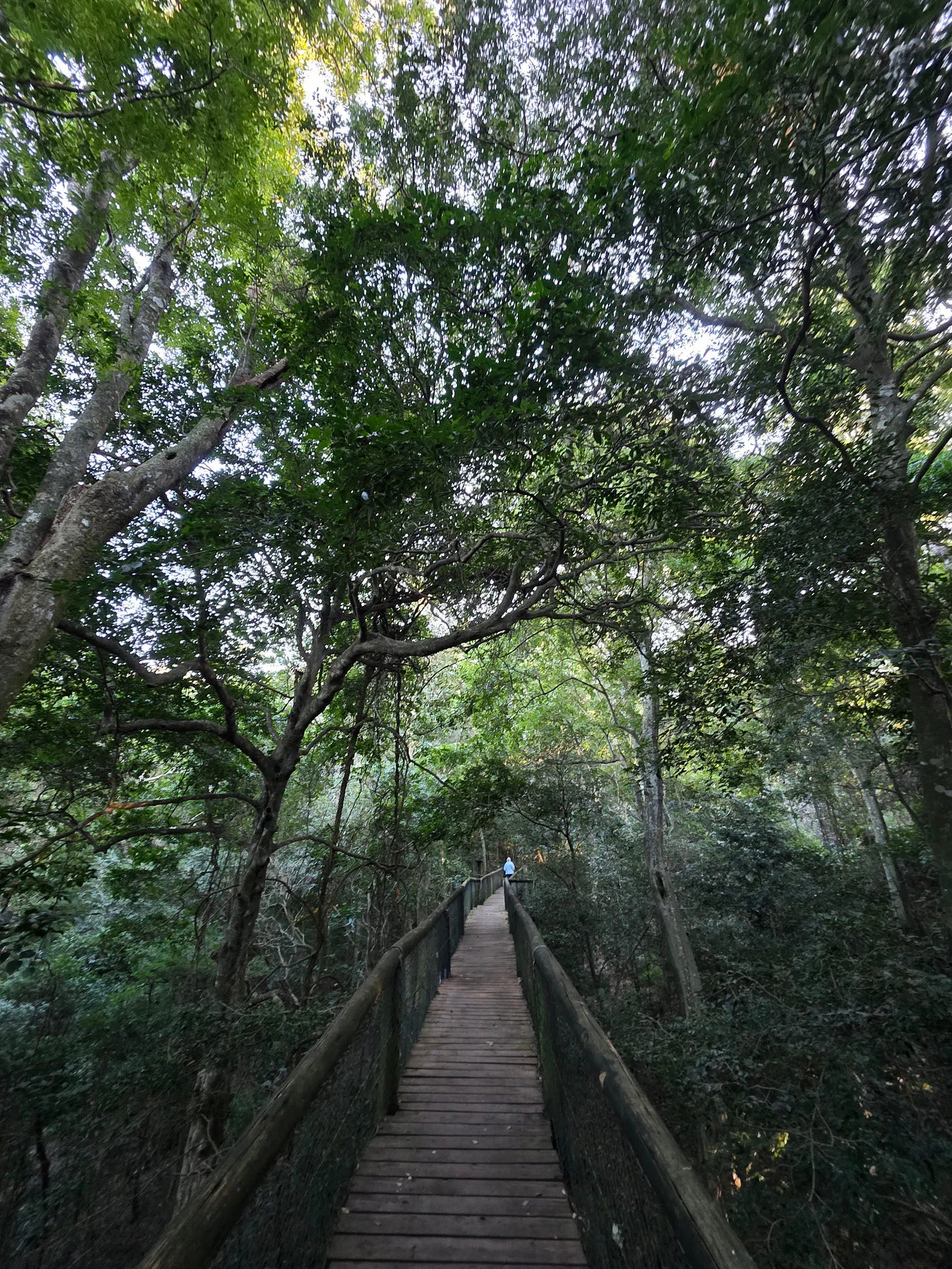
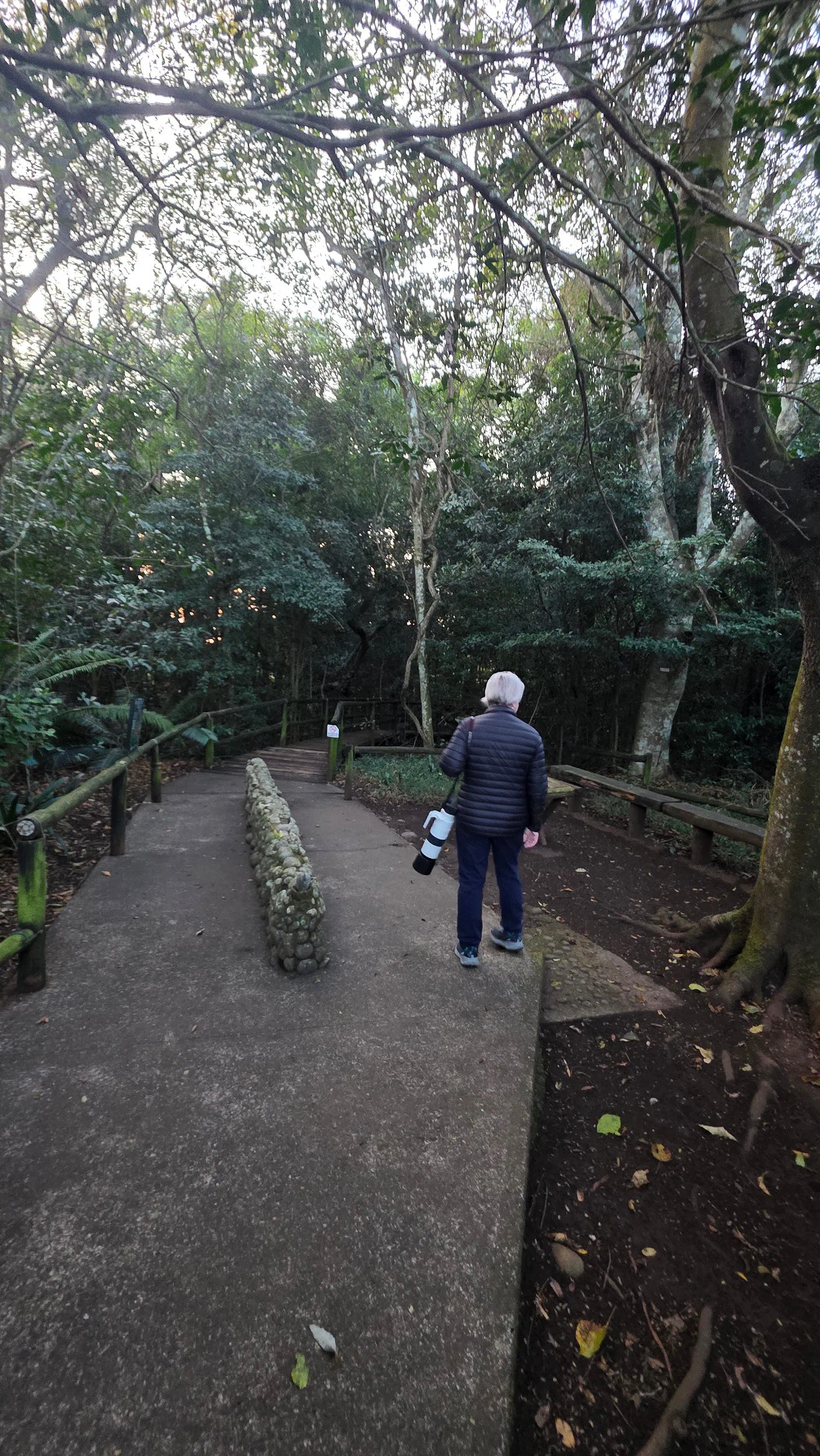
Our target was Dlinza Forest.
There is something special about entering an indigenous forest early in the morning.
The light is still soft, the temperature is cool and the forest seems to be waking up around you. Instead of looking across an open landscape, you are constantly searching between trunks, branches and layers of vegetation, trying to work out where that movement or call came from.
Dlinza Forest is one of the most important remaining patches of coastal scarp forest in KwaZulu-Natal and is well known for its remarkable collection of forest birds.
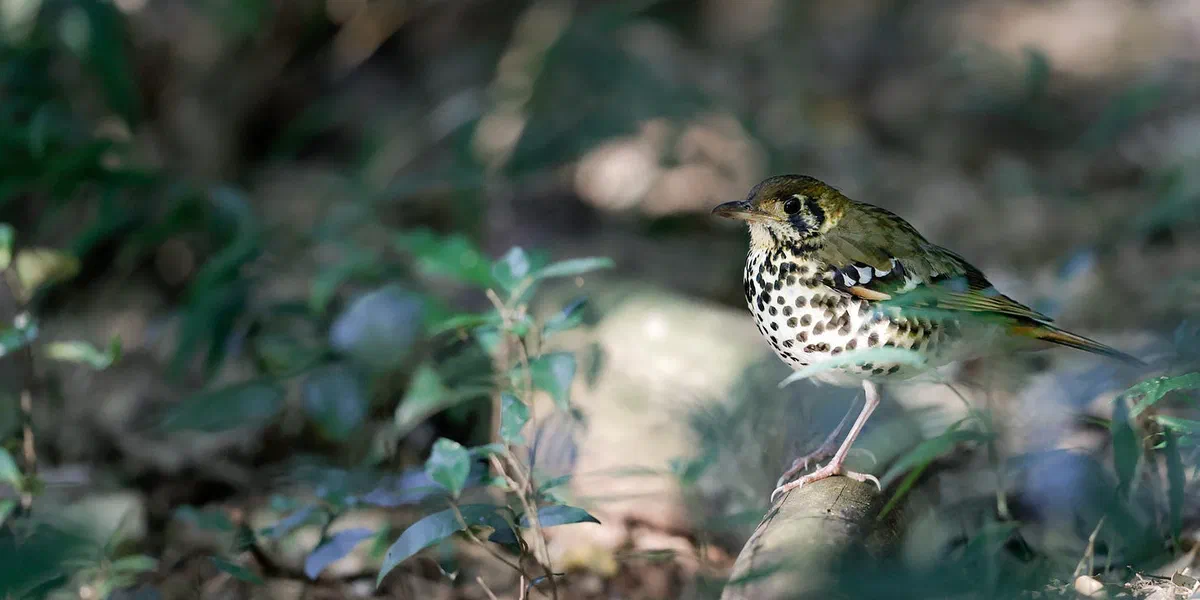
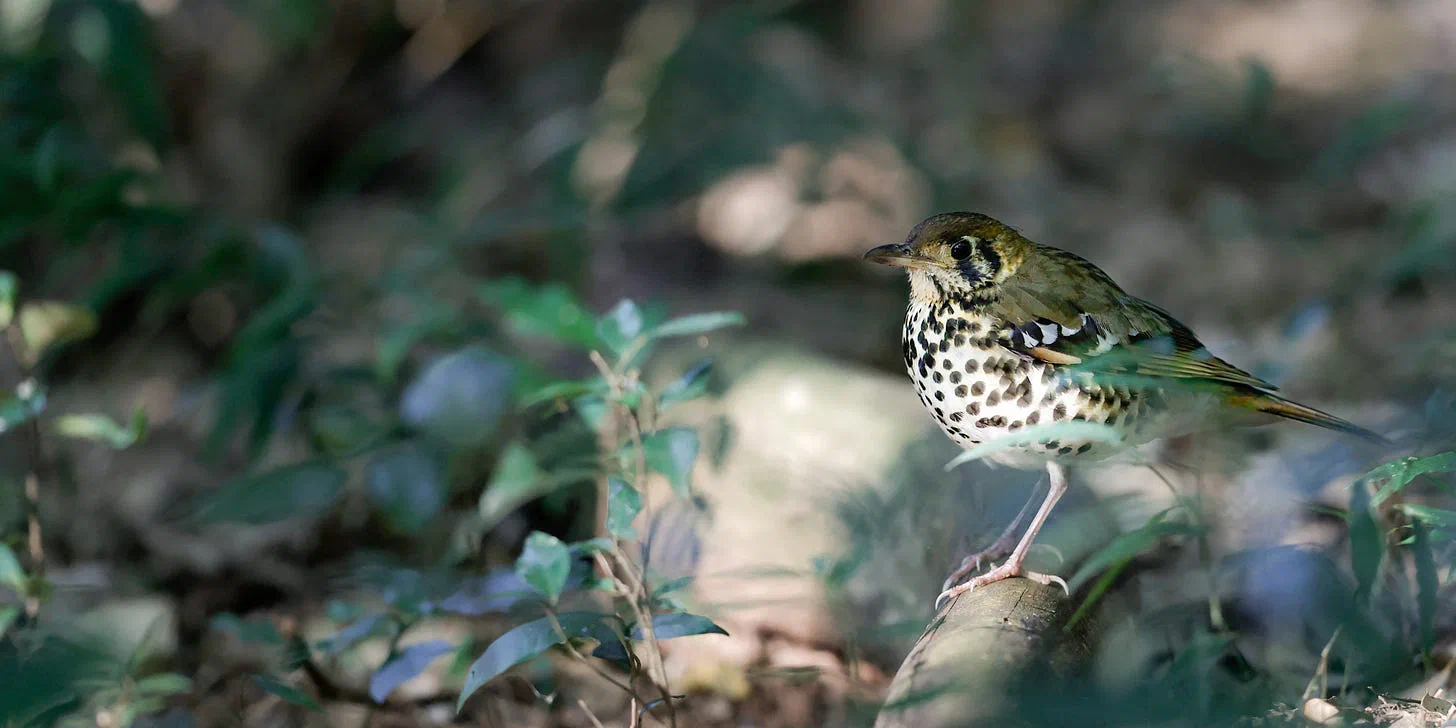
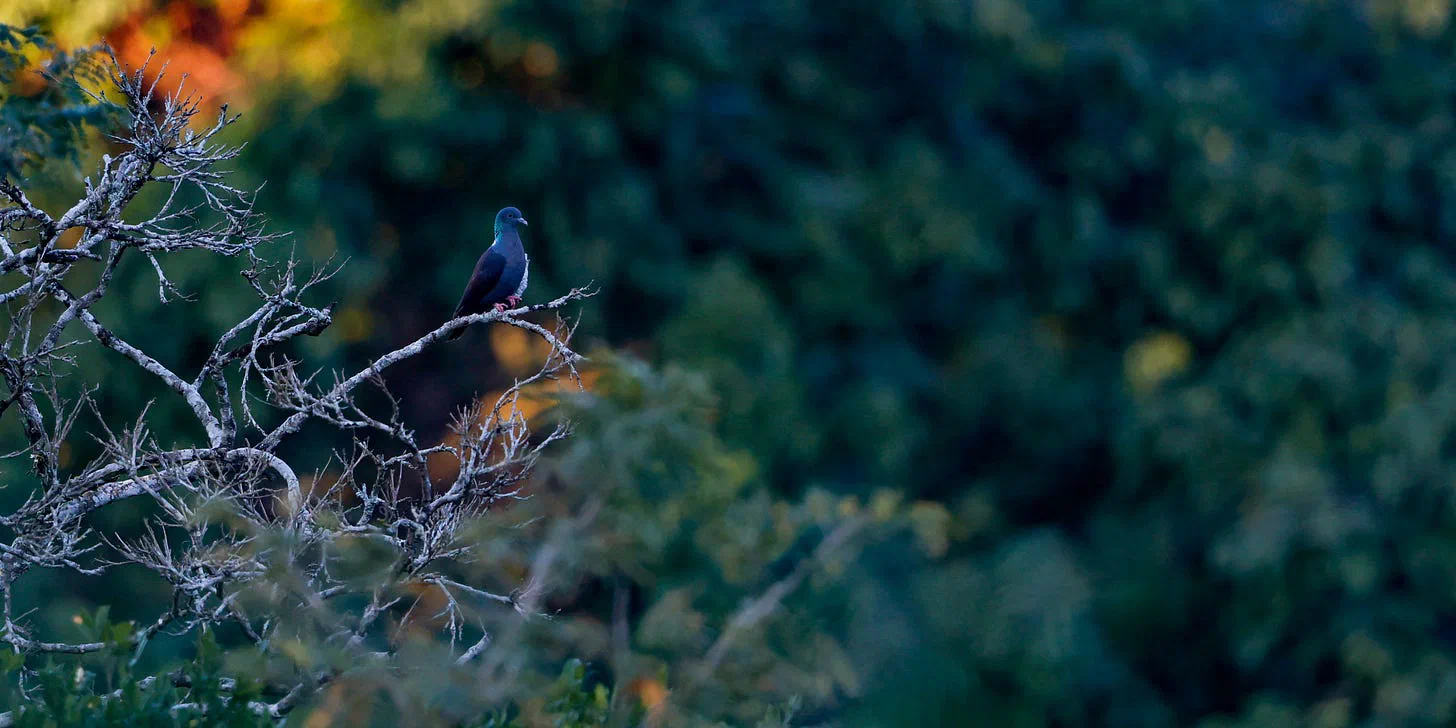
We had two particular targets in mind: Eastern Bronze-naped Pigeon and Spotted Ground Thrush.
Both can be difficult birds to find. The Bronze-naped Pigeon is often associated with the canopy, while the Spotted Ground Thrush spends much of its time on the forest floor, quietly working through the leaf litter.
Fortunately, we didn’t have to spend the entire morning searching.
We got both.
Finding birds like these is one of the great rewards of travelling specifically for birding. You can spend months looking at photographs, reading about a species and wondering whether you’ll actually get a decent view when you finally reach its habitat.
Then suddenly, there it is.
And just like that, the kilometres travelled seem completely worthwhile.
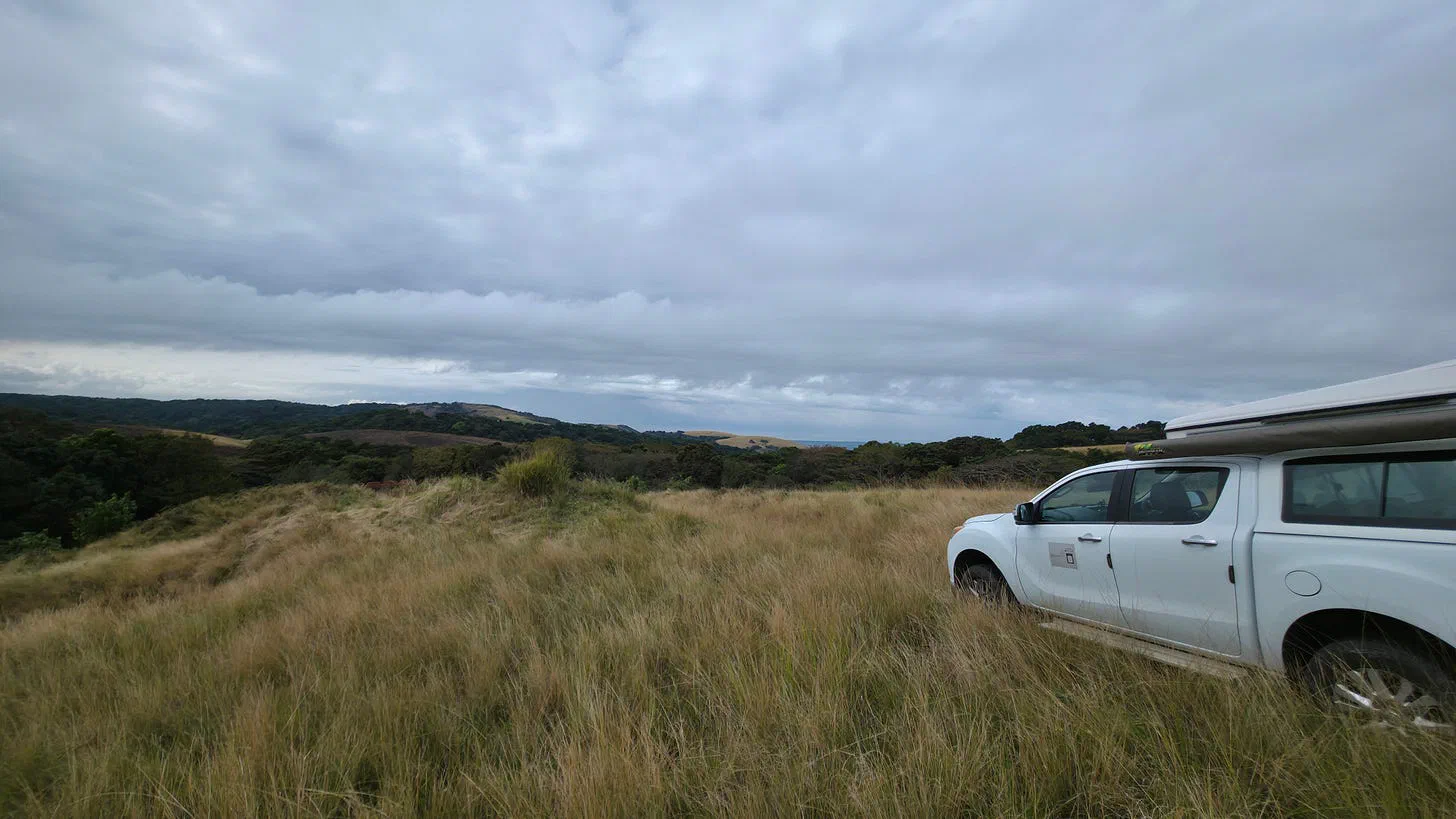
Our next stop was oNgoye Forest.
oNgoye is a fascinating place.
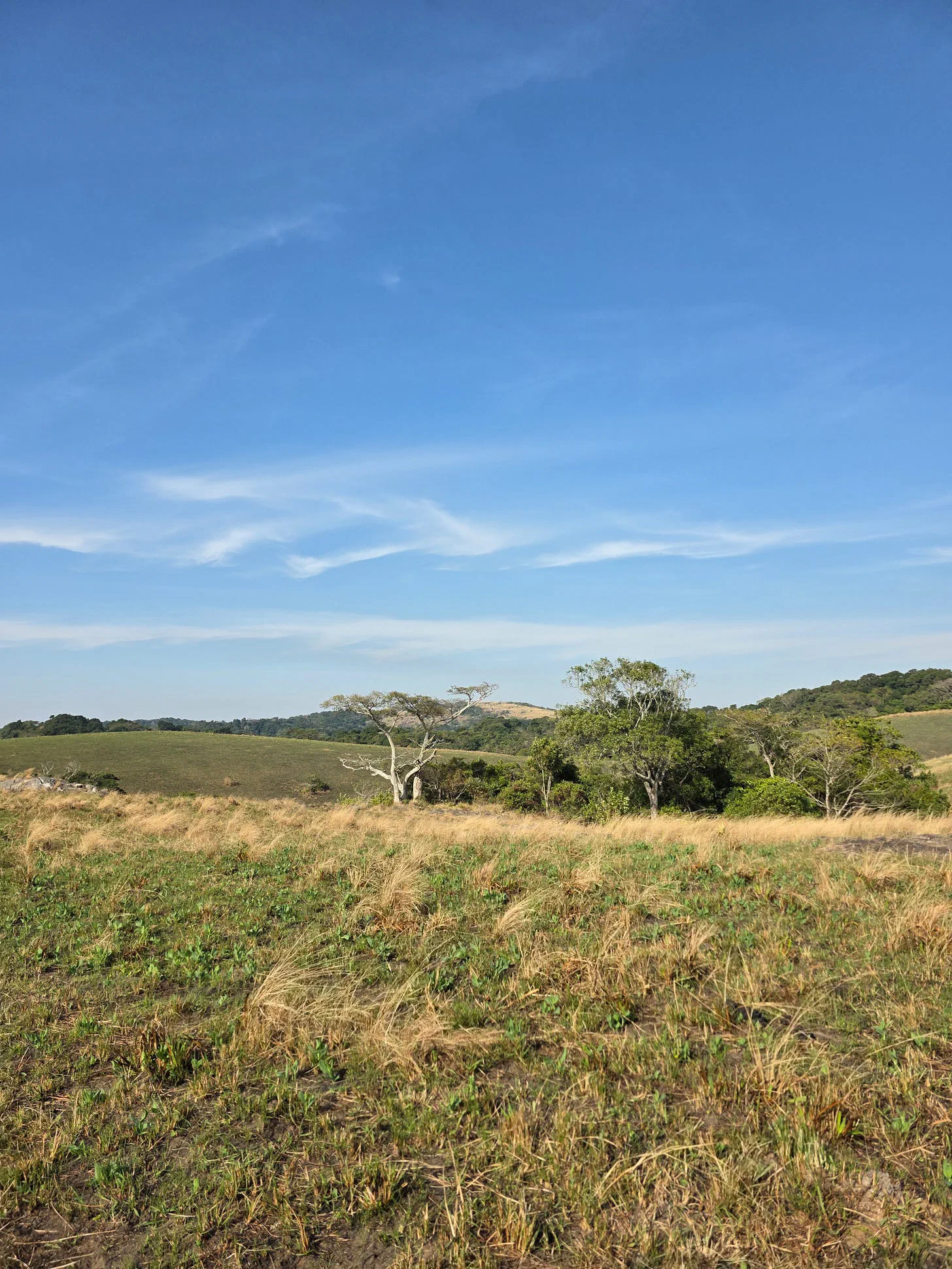
Unlike a continuous block of forest, the reserve is a mixture of indigenous forest, grassland and rugged terrain, creating a landscape where the habitat can change dramatically within a relatively short distance.
And somewhere within that forest lives one of South Africa’s most sought-after birds.
The Green Barbet.
Previously known as Woodward’s Barbet, the South African population of this species is restricted to oNgoye Forest. That makes the forest exceptionally important for its conservation, and it is one of the reasons birders travel here from all over the country.
We spent a few lovely hours exploring the surrounding grasslands, searching for some of the other specials associated with the area.
Among our targets were Black-rumped Buttonquail and Plain-backed Pipit, along with whatever else happened to cross our path.
This is one of the things I really enjoy about birding oNgoye. You aren’t restricted to one habitat. You can spend time scanning the grasslands before turning your attention towards the forest, and the next bird can be completely different from the one you were looking for five minutes earlier.
After a few hours, we decided to make our way back towards Mtunzini.
We still had some time, so we headed down to the Mtunzini lagoon.
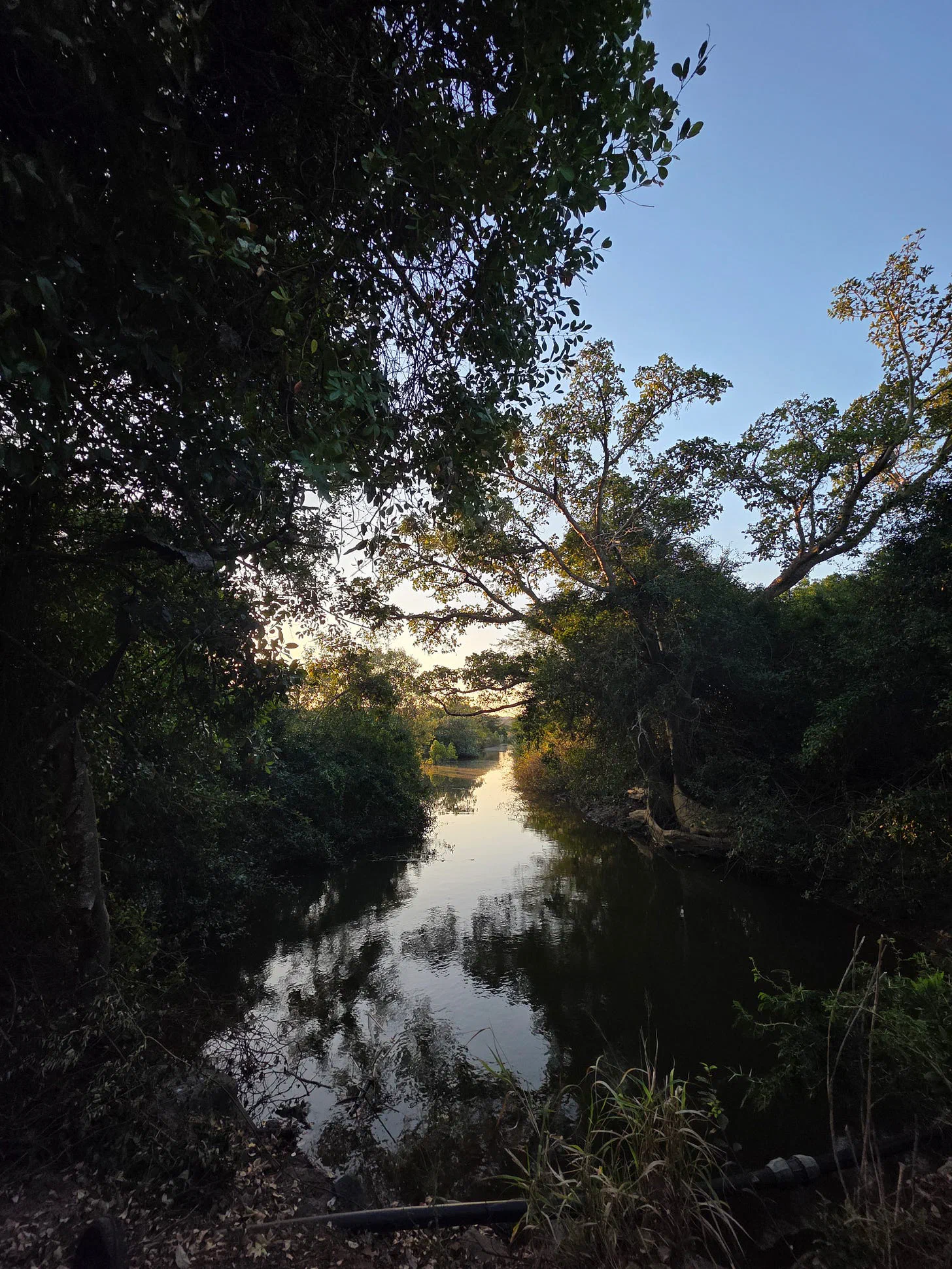
After spending the morning surrounded by forest and grassland, the change in habitat was immediately noticeable. The lagoon and surrounding mangroves provide habitat for an entirely different collection of birds.
And this was where we found two more of the area’s specialities.
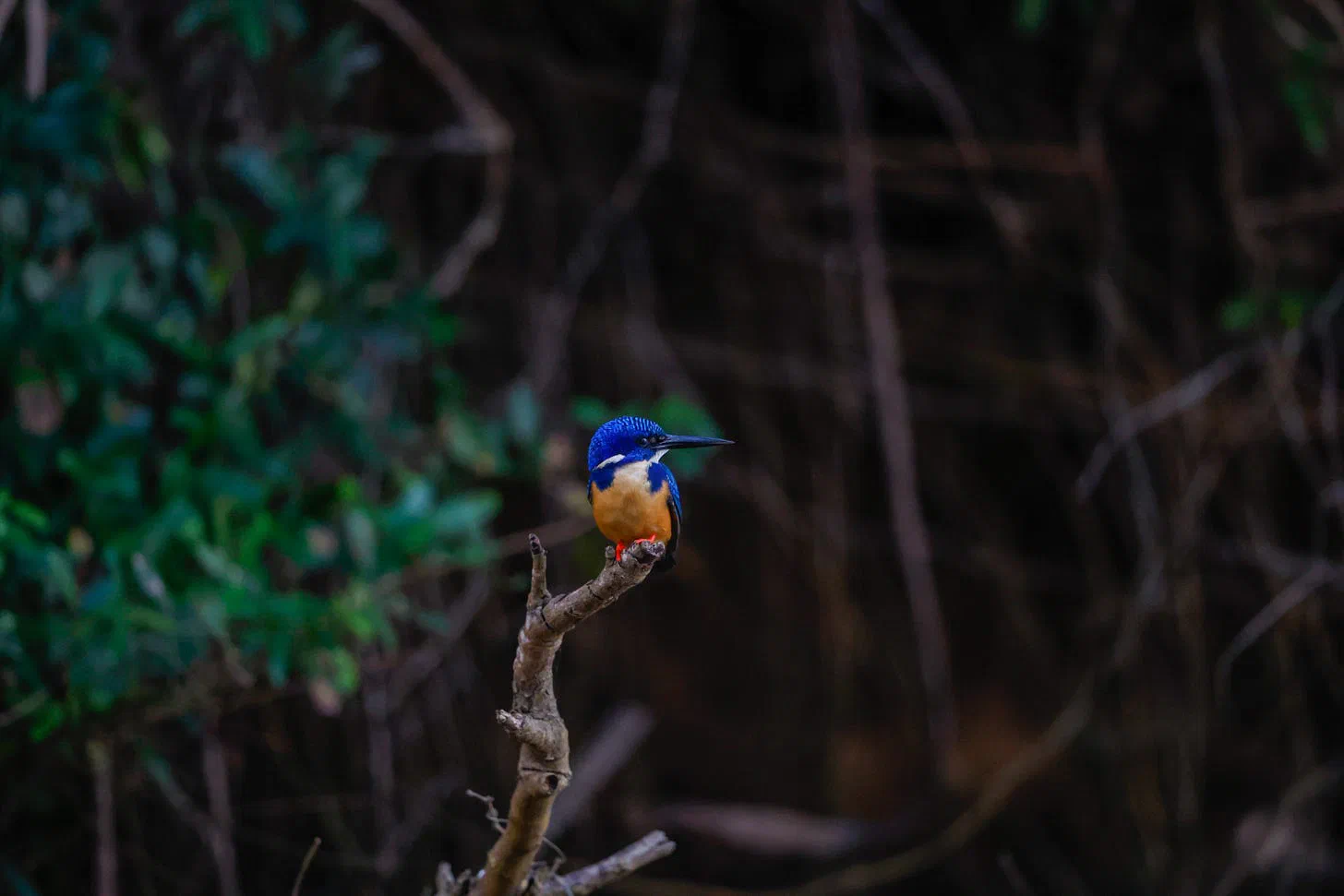
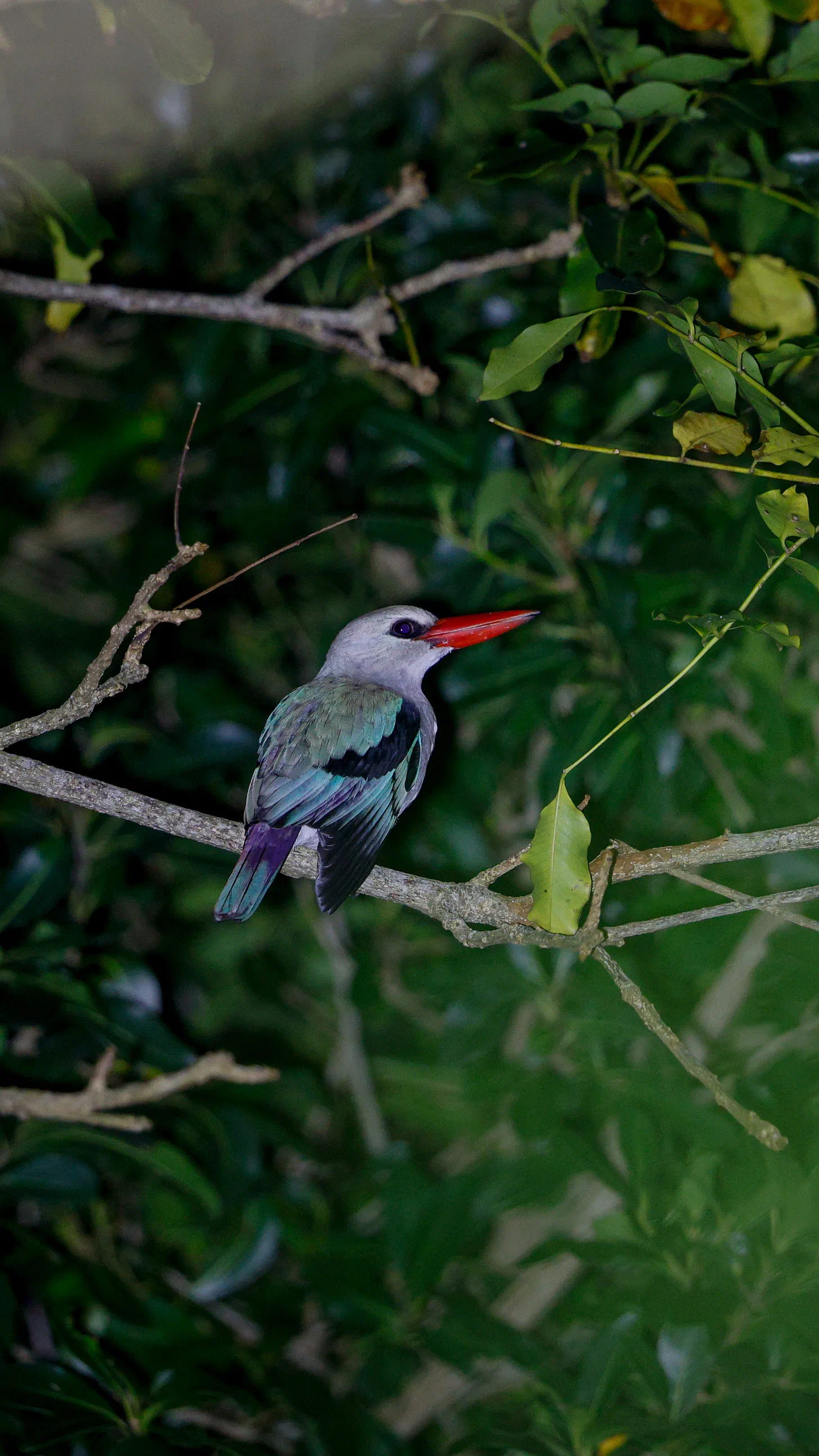
Half-collared Kingfisher.
And Mangrove Kingfisher.
The Mangrove Kingfisher was particularly high on our list for Mtunzini. This is a species strongly associated with mangrove and coastal forest habitats, and Umlalazi is one of the better places in South Africa to look for it.
Getting good views of both kingfishers was a fantastic way to finish the day.
The following morning we returned to the lagoon again before packing up camp.
There was always the possibility that another bird might appear — and that is one of the things that makes birding so addictive. You can visit the same place twice in a row and have two completely different experiences.
Eventually, though, it was time to leave.
We packed up and began making our way towards St Lucia, the next destination on our KwaZulu-Natal adventure.
But even before we reached St Lucia, the birding wasn’t quite finished.
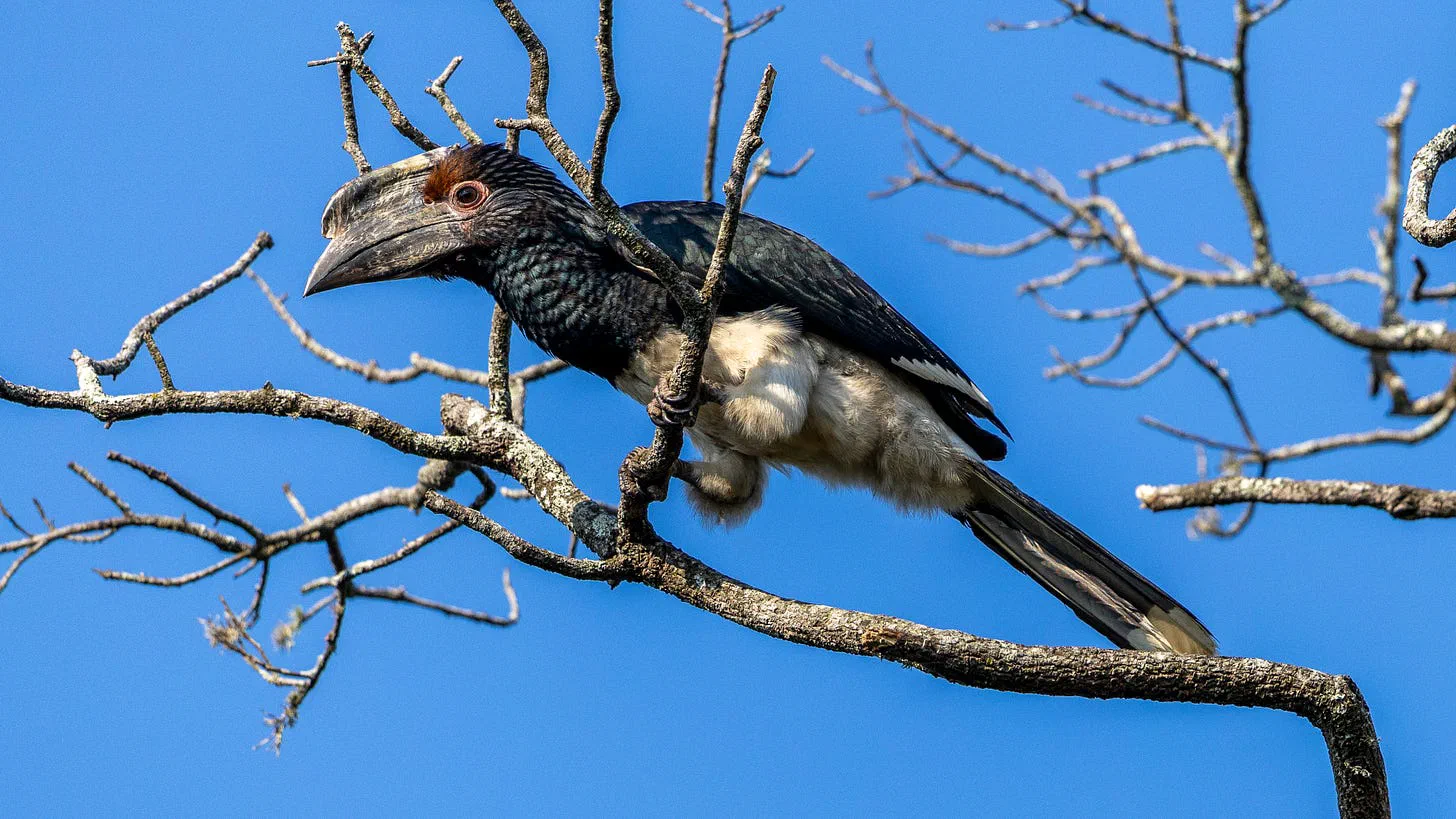
A group of Trumpeter Hornbills gave us some excellent views along the way, providing one last memorable sighting as we left the Mtunzini area behind.
The next chapter of the journey would take us into the wetlands and coastal wilderness around St Lucia.
But for now, we were leaving Mtunzini with another collection of incredible birds, several difficult targets successfully photographed, and a much greater appreciation for just how much biodiversity can be packed into this corner of KwaZulu-Natal.
And there was still plenty more to come.
This report first appeared on Christo's Substack.
This trip is also on Cloudbirders, the international archive of birding trip reports (PDF).
This route runs again. Seats are limited to three guests per departure.
Departure 128 June to 4 July 2027, 7 days
From Centurion to Benvie Gardens, Mtunzini, Dlinza, Ongoye, St Lucia and Cape Vidal
 Departure 2
12 to 18 July 2027, 7 days
From Centurion to Benvie Gardens, Mtunzini, Dlinza, Ongoye, St Lucia and Cape Vidal
Send your dates and the birds you’re hoping to see. Christo replies personally to every enquiry.
Join the next trip with Wildlens Birding Tours
Small-group bird photography in South Africa, limited to three guests.
WhatsApp Christo · +27 61 586 5031
www.wildlensbirdingtours.co.za · christo@wildlensbirdingtours.co.za
Read online: https://www.wildlensbirdingtours.co.za/trip-reports/kzn-2026-part-2-mtunzini-dlinza-ongoye/