
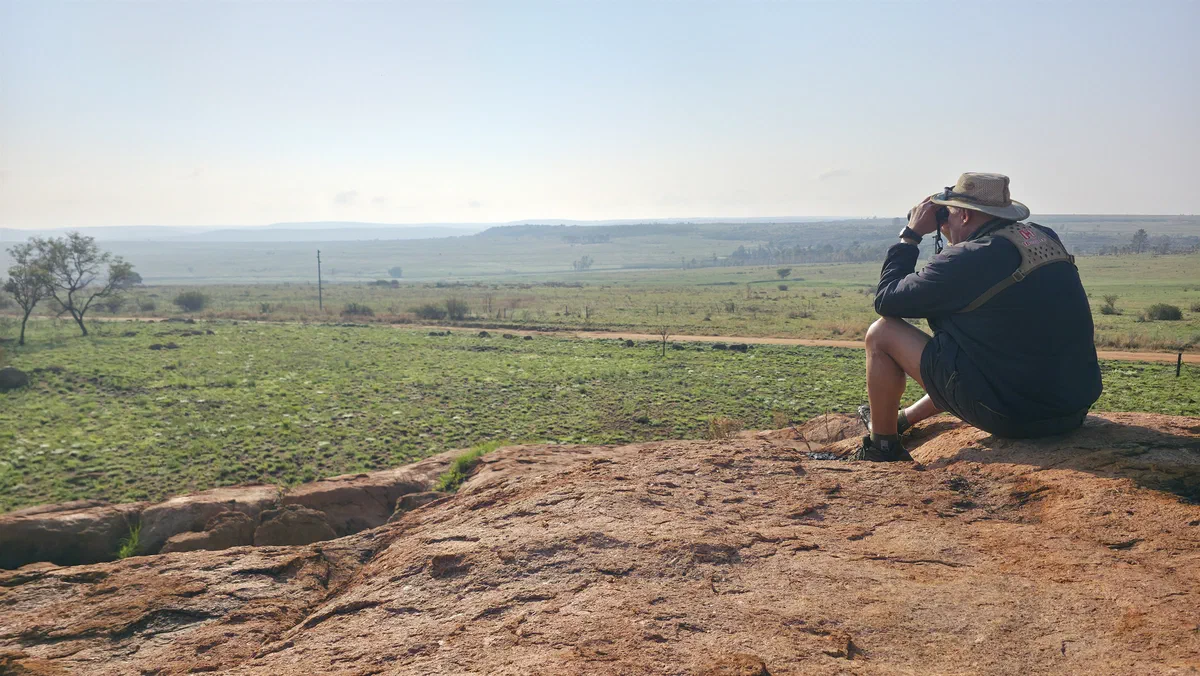
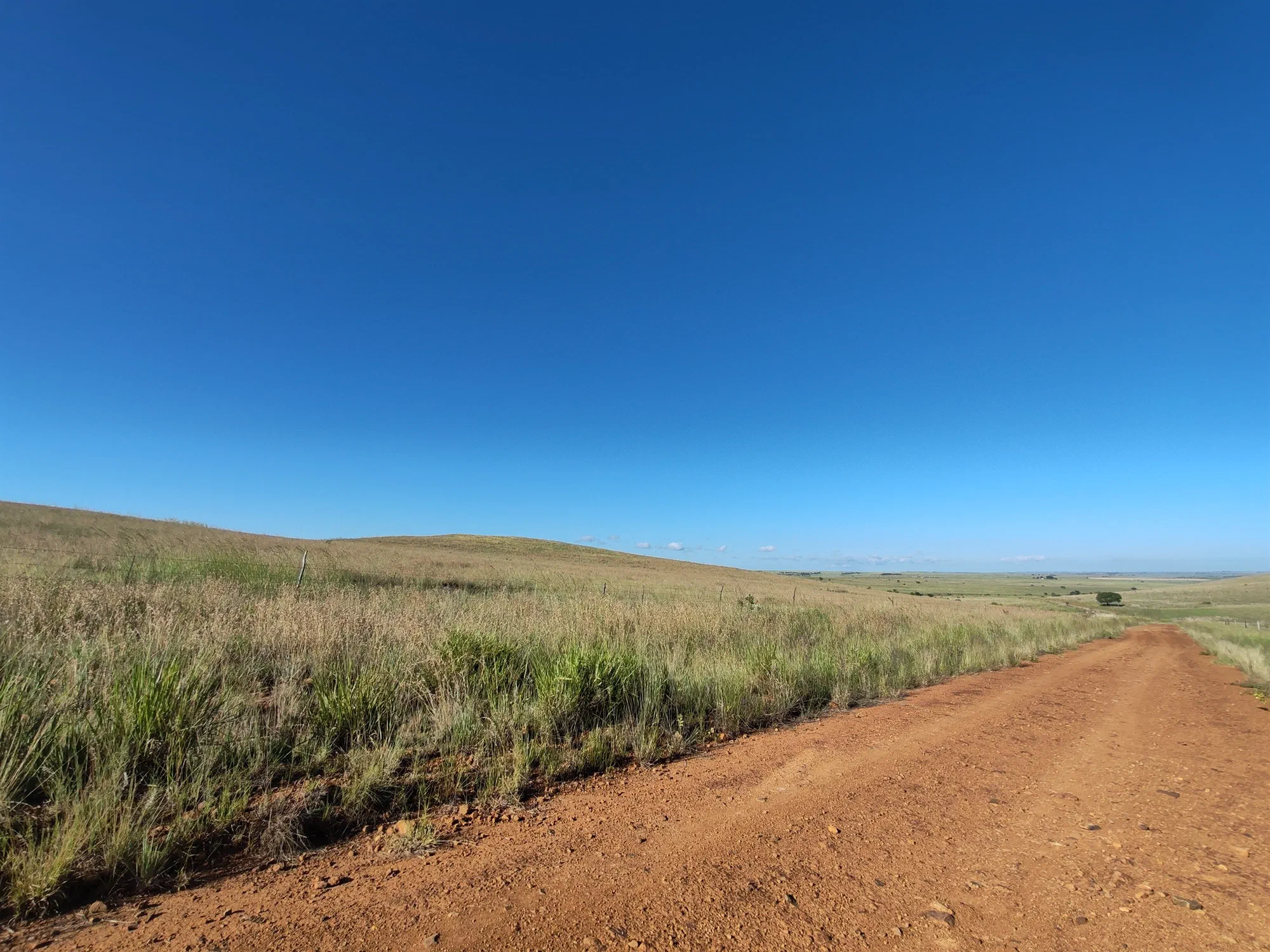
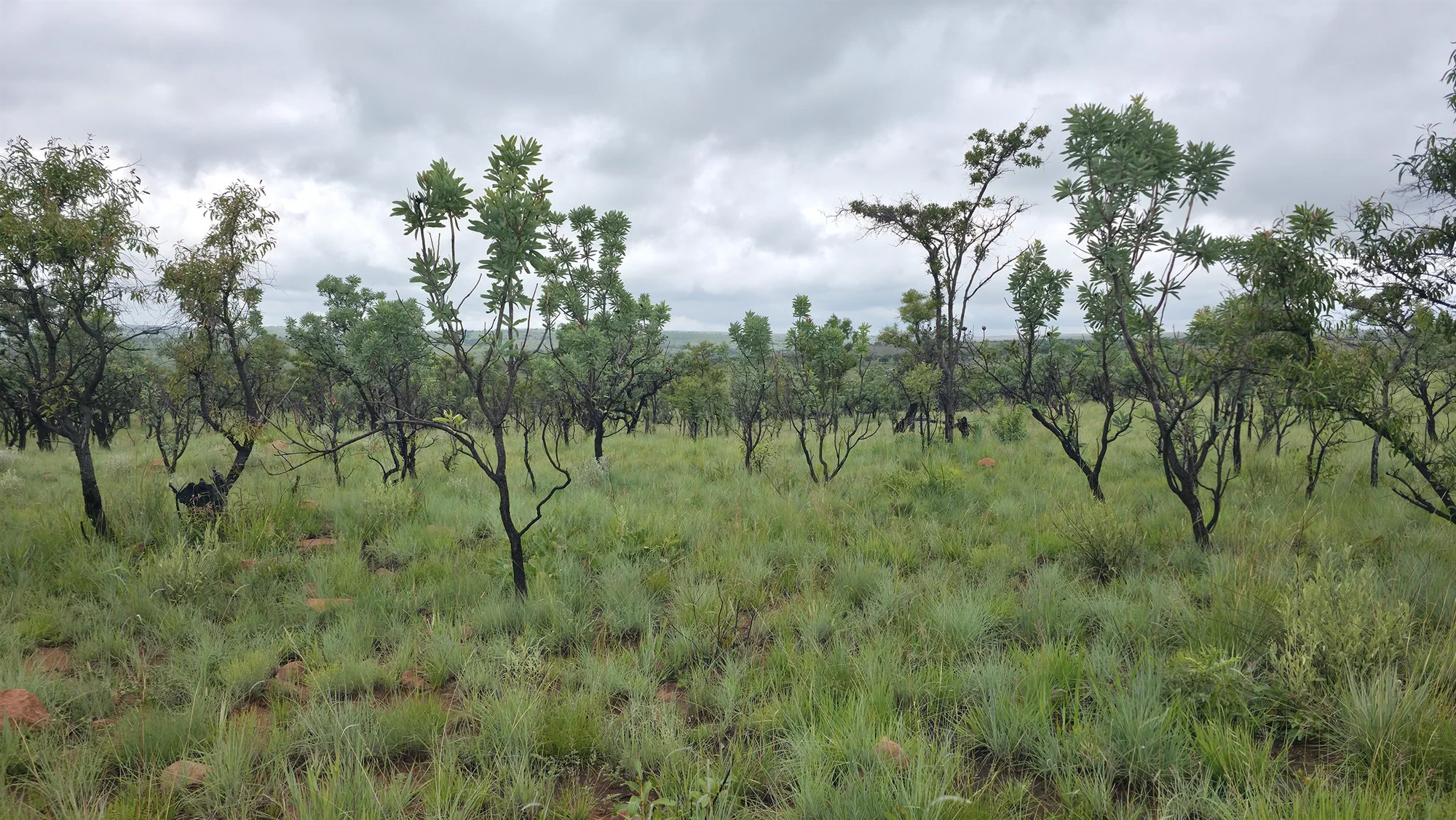
Verena Grasslands and Mabusa Nature Reserve sit close together, yet they feel like two different worlds. Verena is broad, rolling Highveld grassland with seasonal wetlands and open hillsides. Mabusa turns into rocky country, with broad-leaved woodland and riverine bush. That contrast is the beauty of this day: we get to work two completely different sets of birds without covering huge distances.
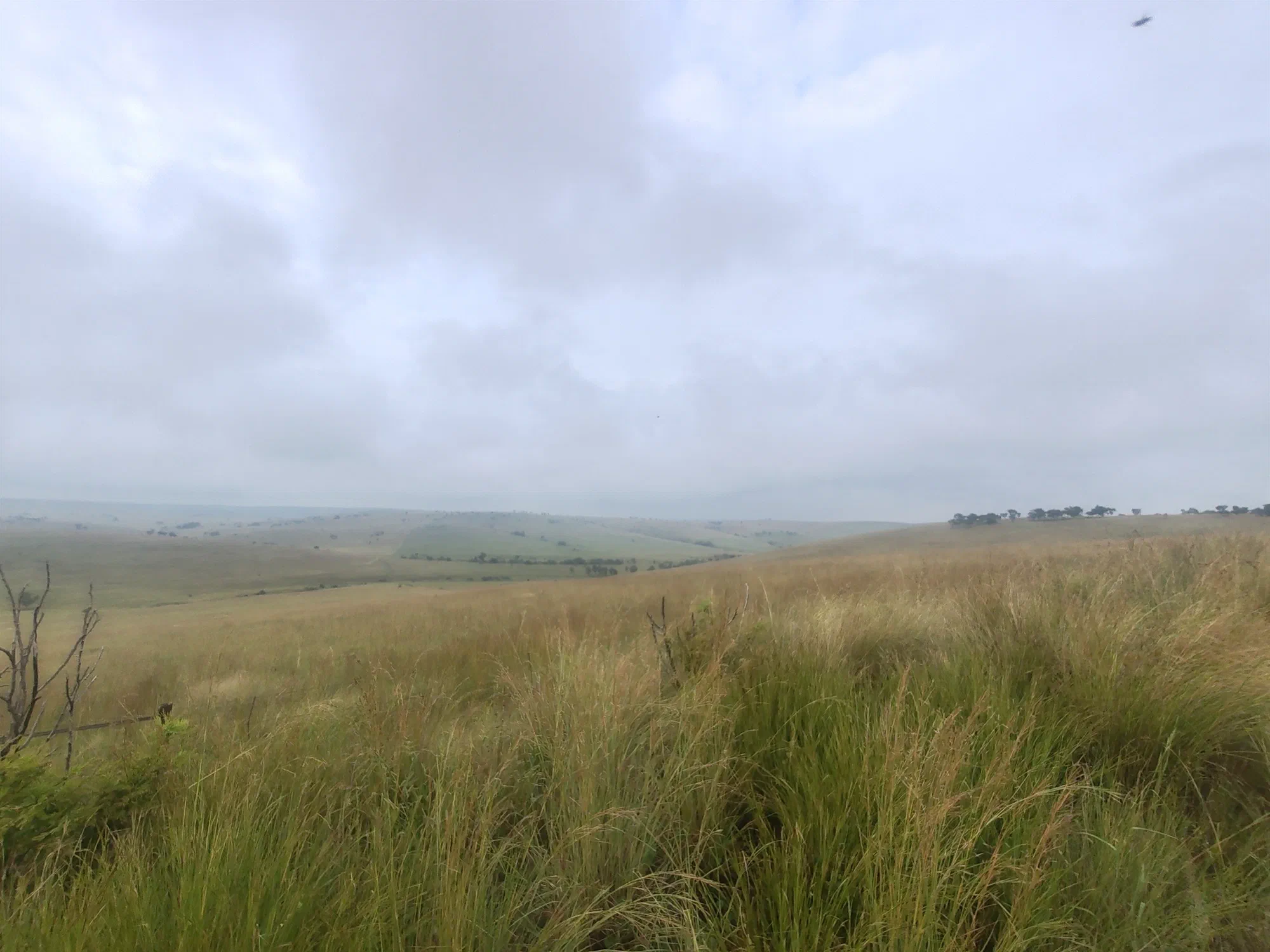
The Verena grasslands
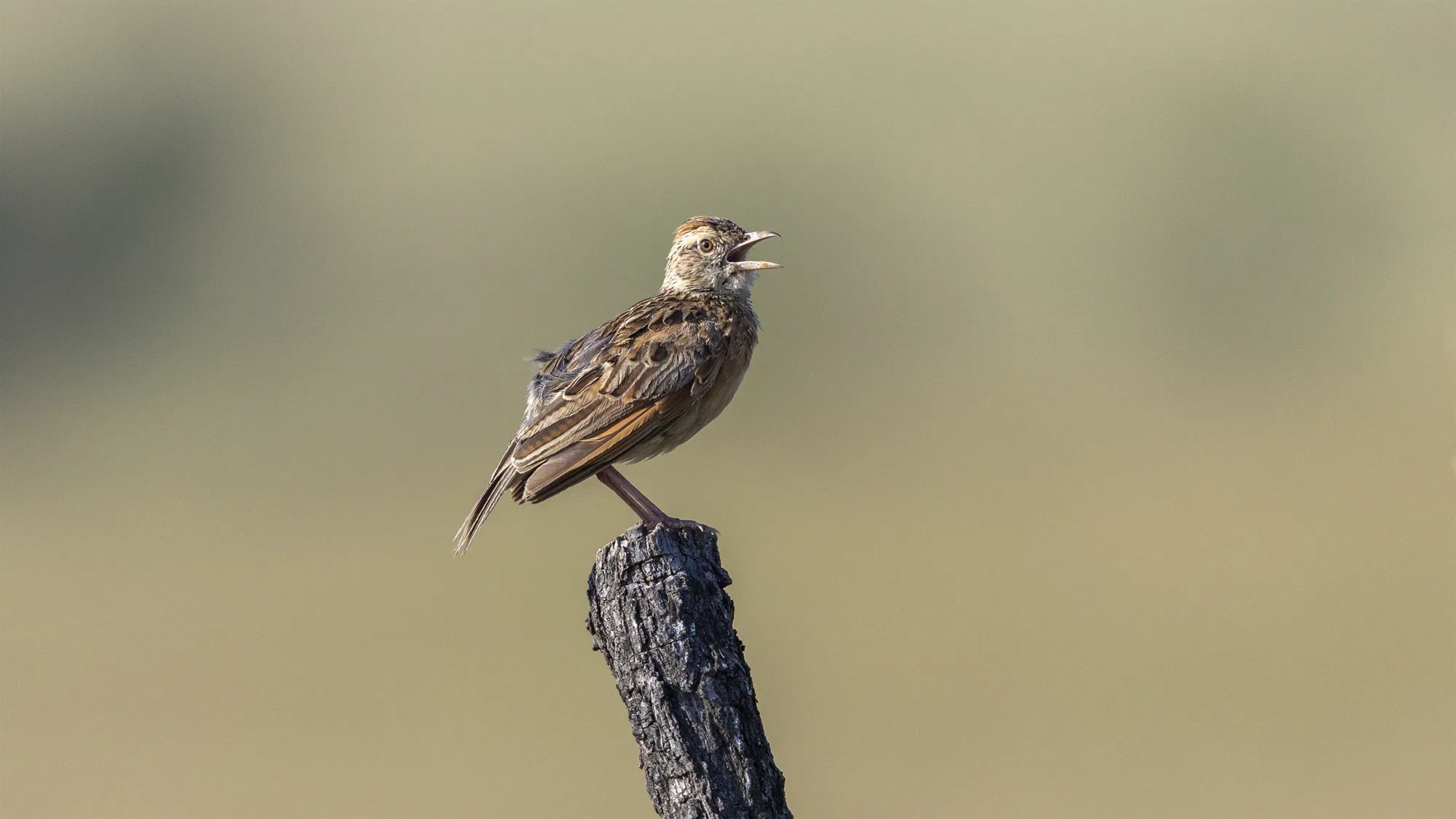
Verena is where we go for some of the region’s most sought-after grassland birds. White-bellied Bustard is one of the big targets, and displaying Melodious Larks over the grass can make for superb photographs. With a bit of luck, the grasslands also give us Denham’s Bustard, Black-bellied Bustard, Eastern Clapper Lark, Tinkling Cisticola and, when conditions are right, the elusive Black-rumped Buttonquail.
The warmer months add another layer. Summer migrants arrive, and raptors quarter the open country: Pallid and Montagu’s Harriers turn up as uncommon summer visitors, and the wide landscape is ideal for photographing birds in flight. Verena has also produced Short-tailed Pipit and Striped Pipit, two tricky species that reward patience and careful searching.
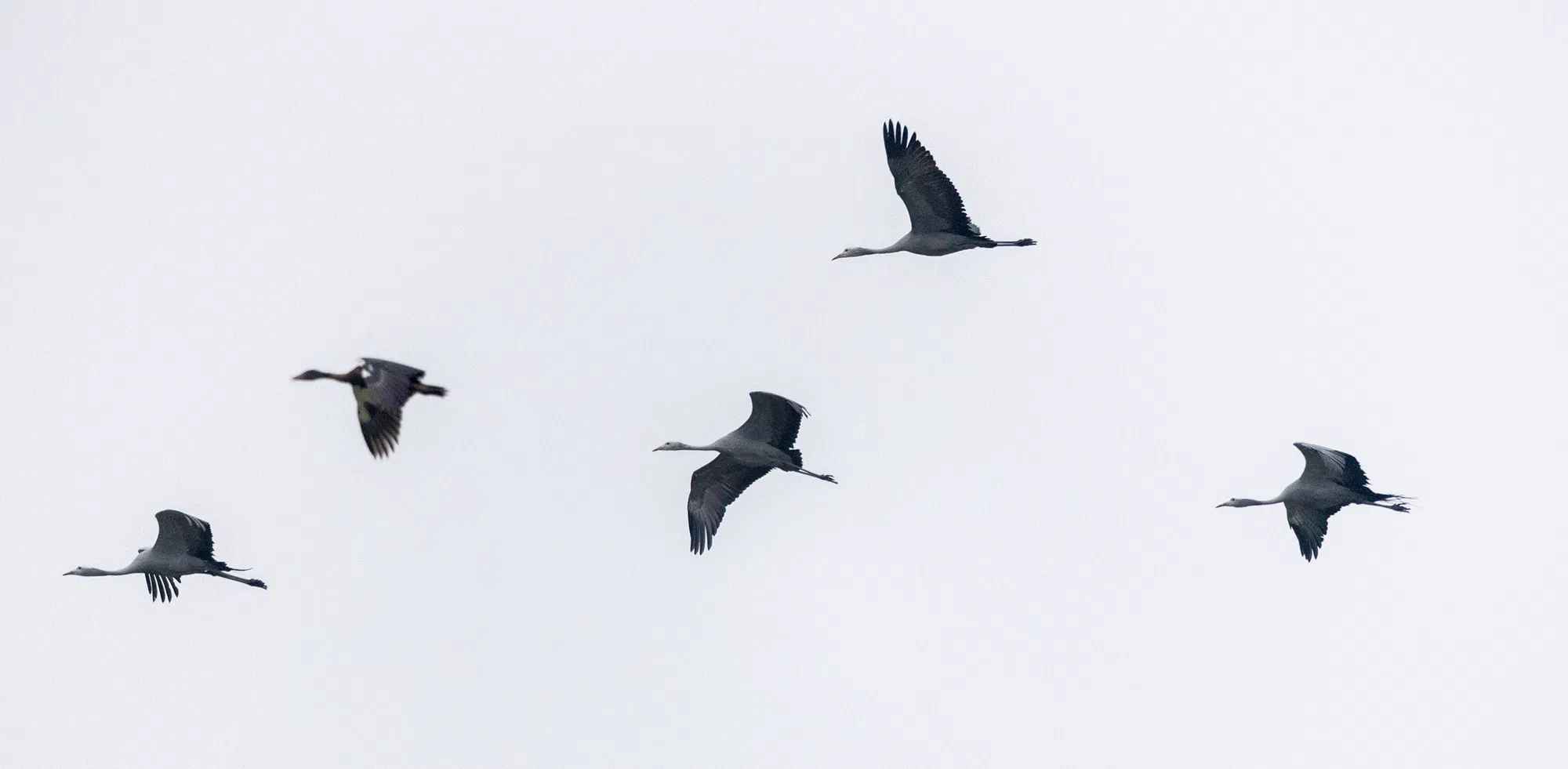
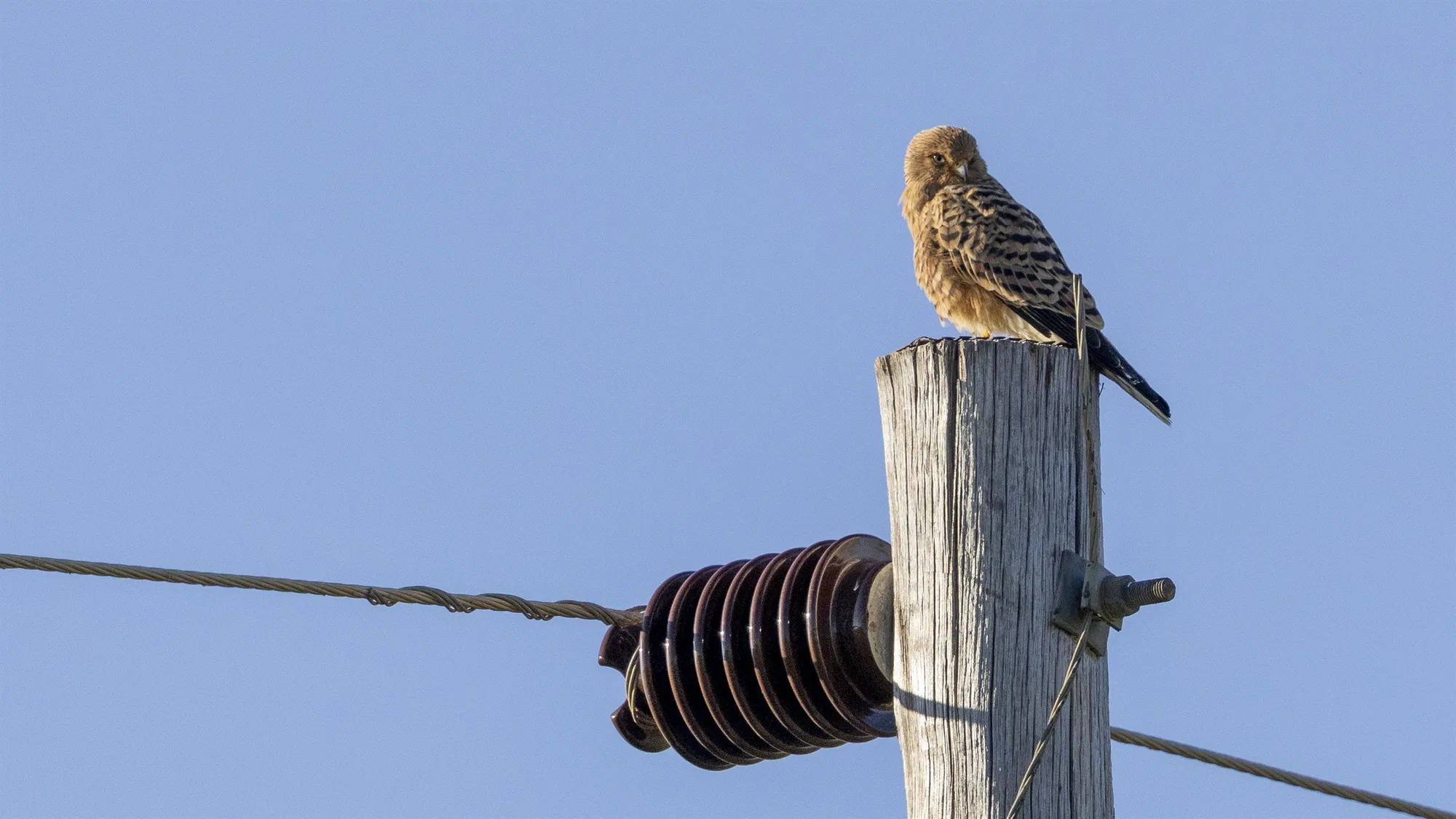
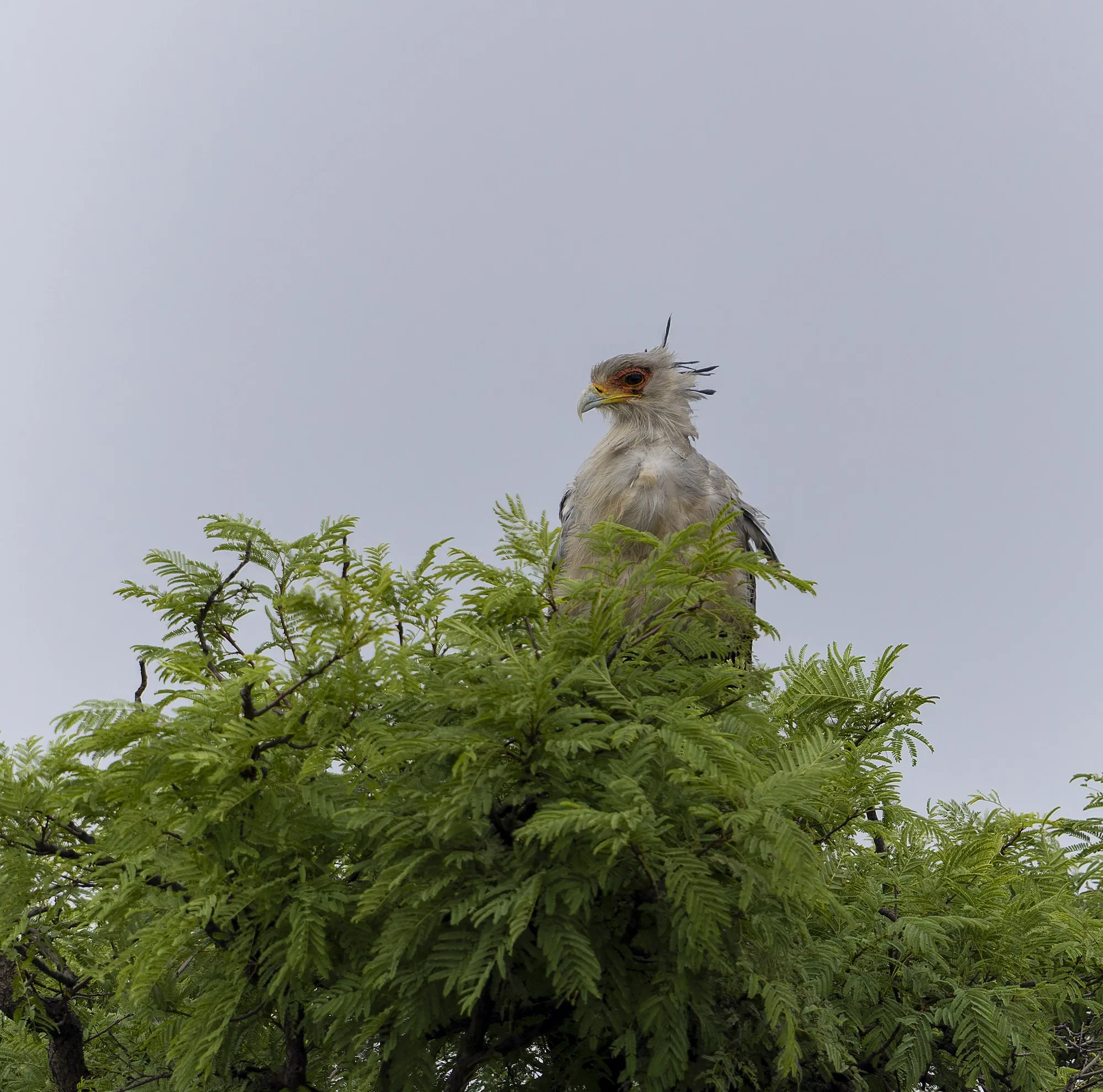
Mabusa Nature Reserve
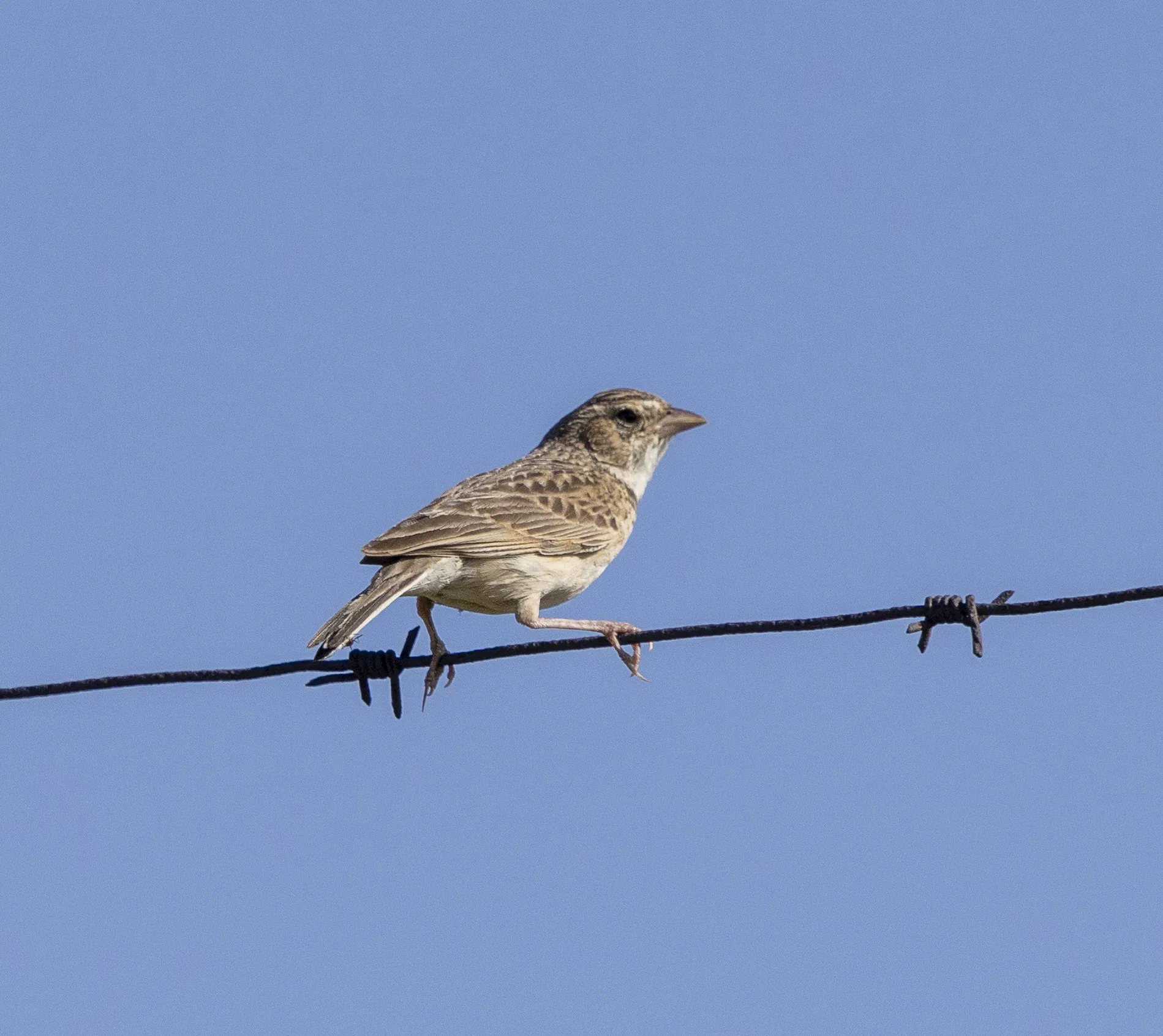
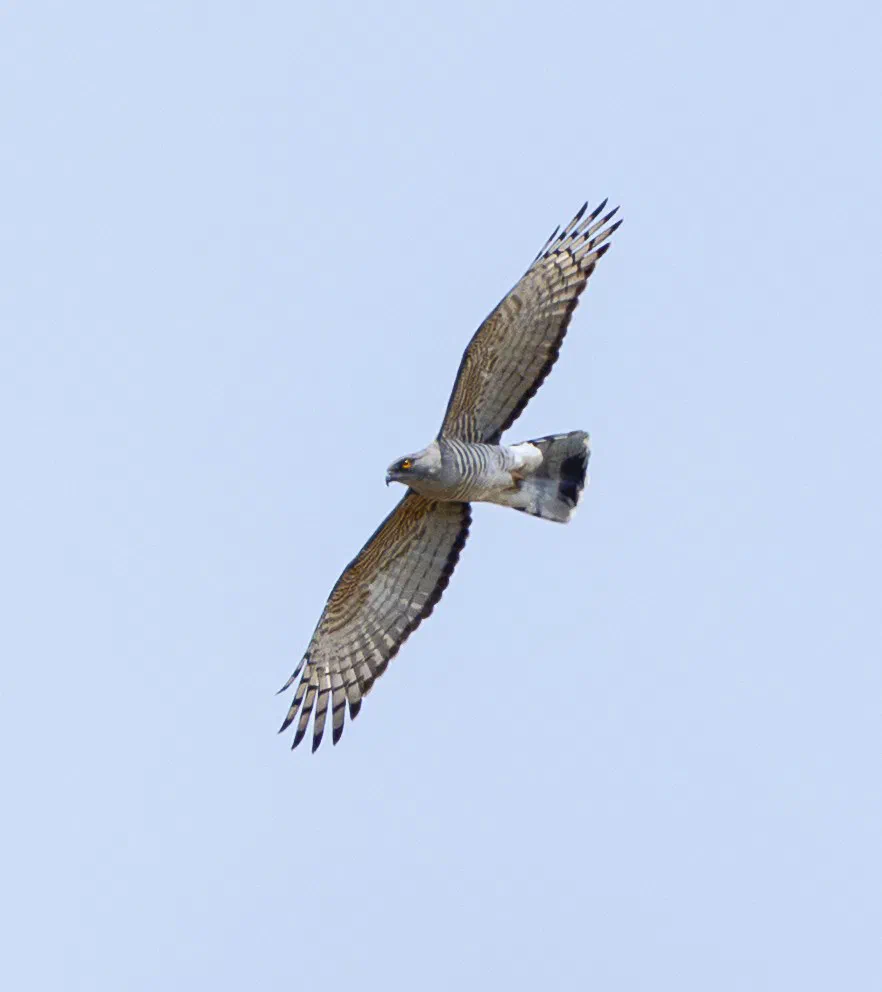
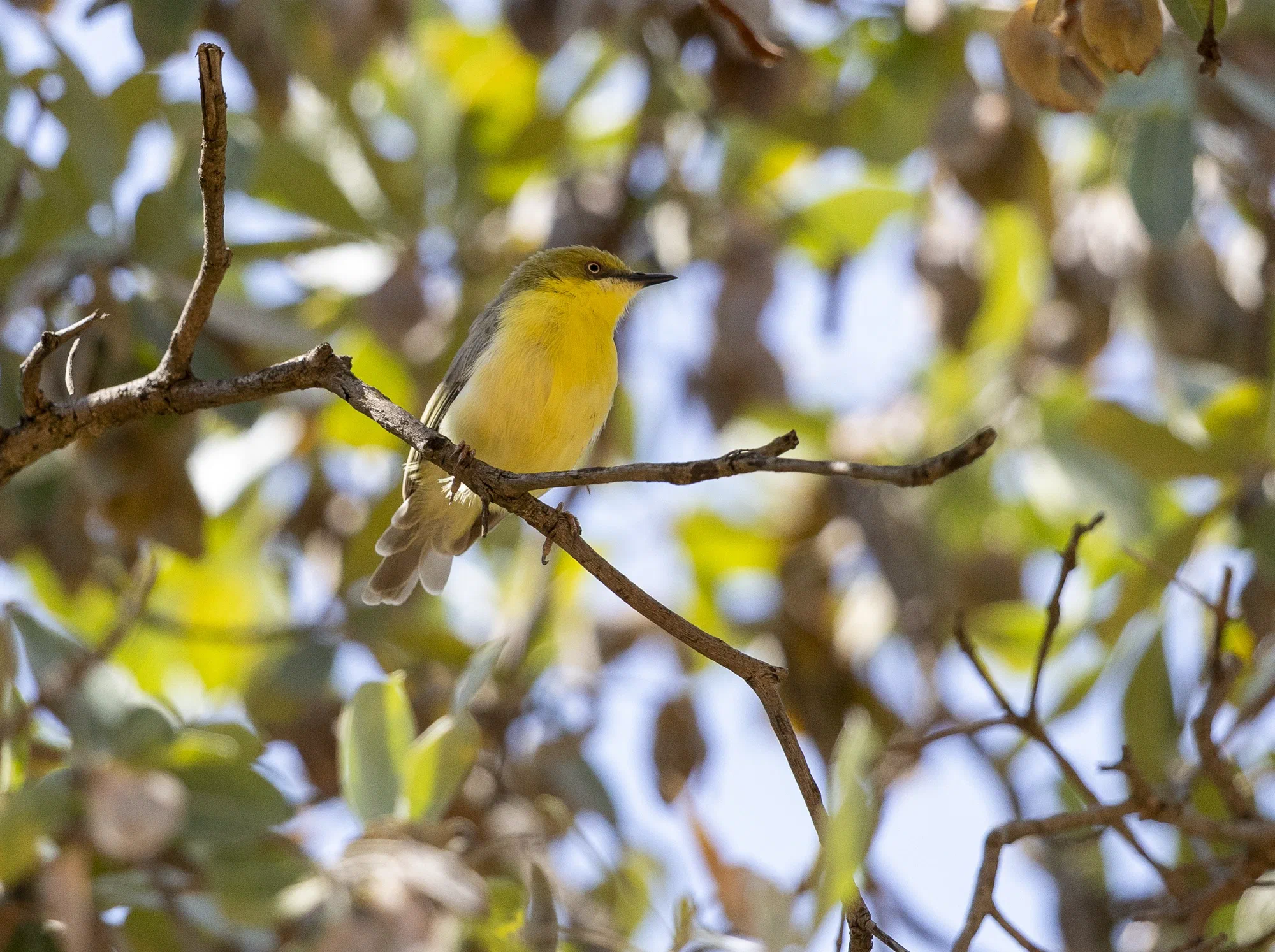
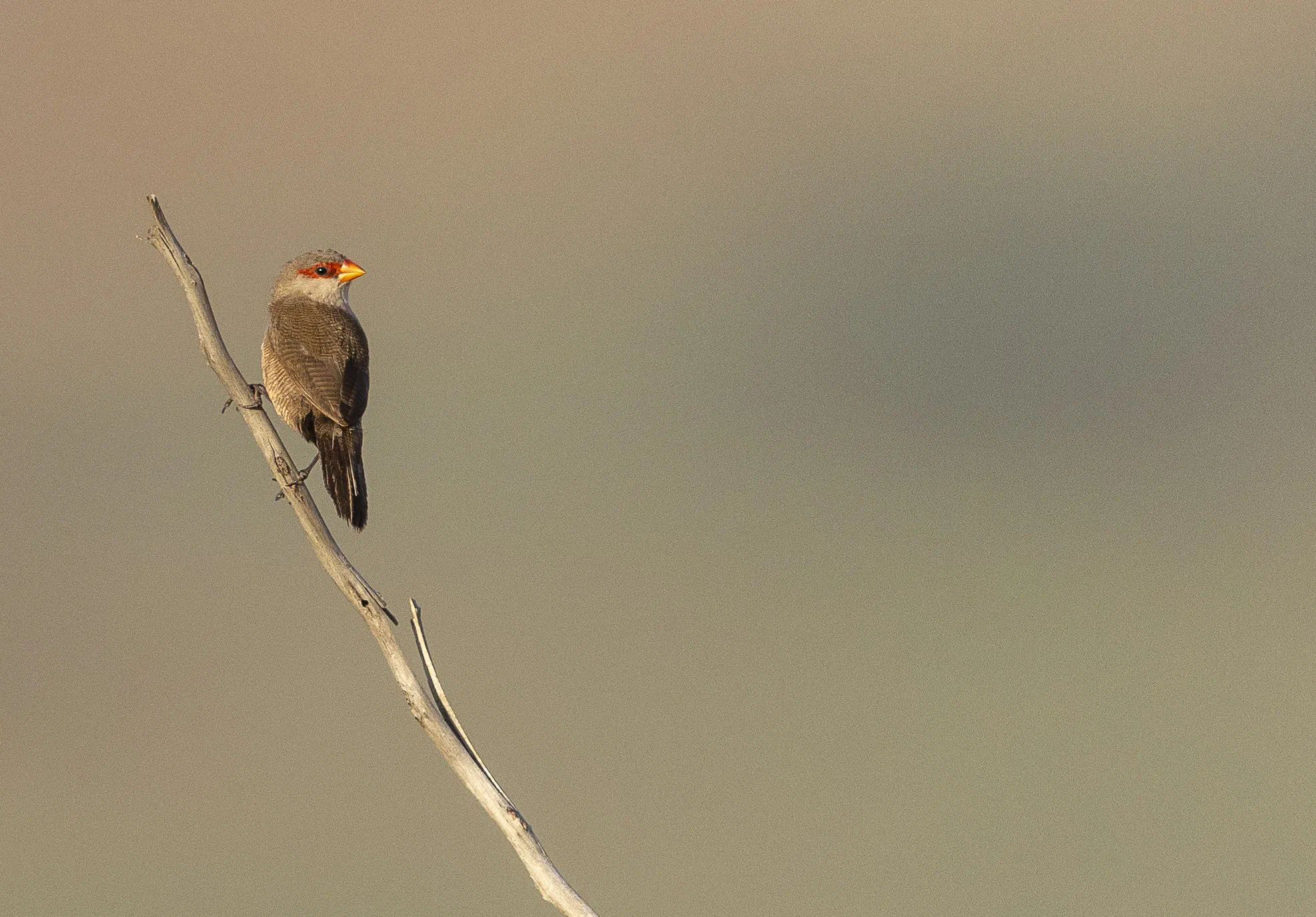
At Mabusa, the scene changes completely. Rocky ground and broad-leaved woodland bring a new set of specials: Shelley’s Francolin, Green-capped Eremomela, Fawn-coloured Lark and Short-toed Rock Thrush are the key birds here. Bushveld Pipit, Flappet Lark, Lazy Cisticola and Lizard Buzzard are all possible, and the wooded areas can also produce African Cuckoo-Hawk and Half-collared Kingfisher.
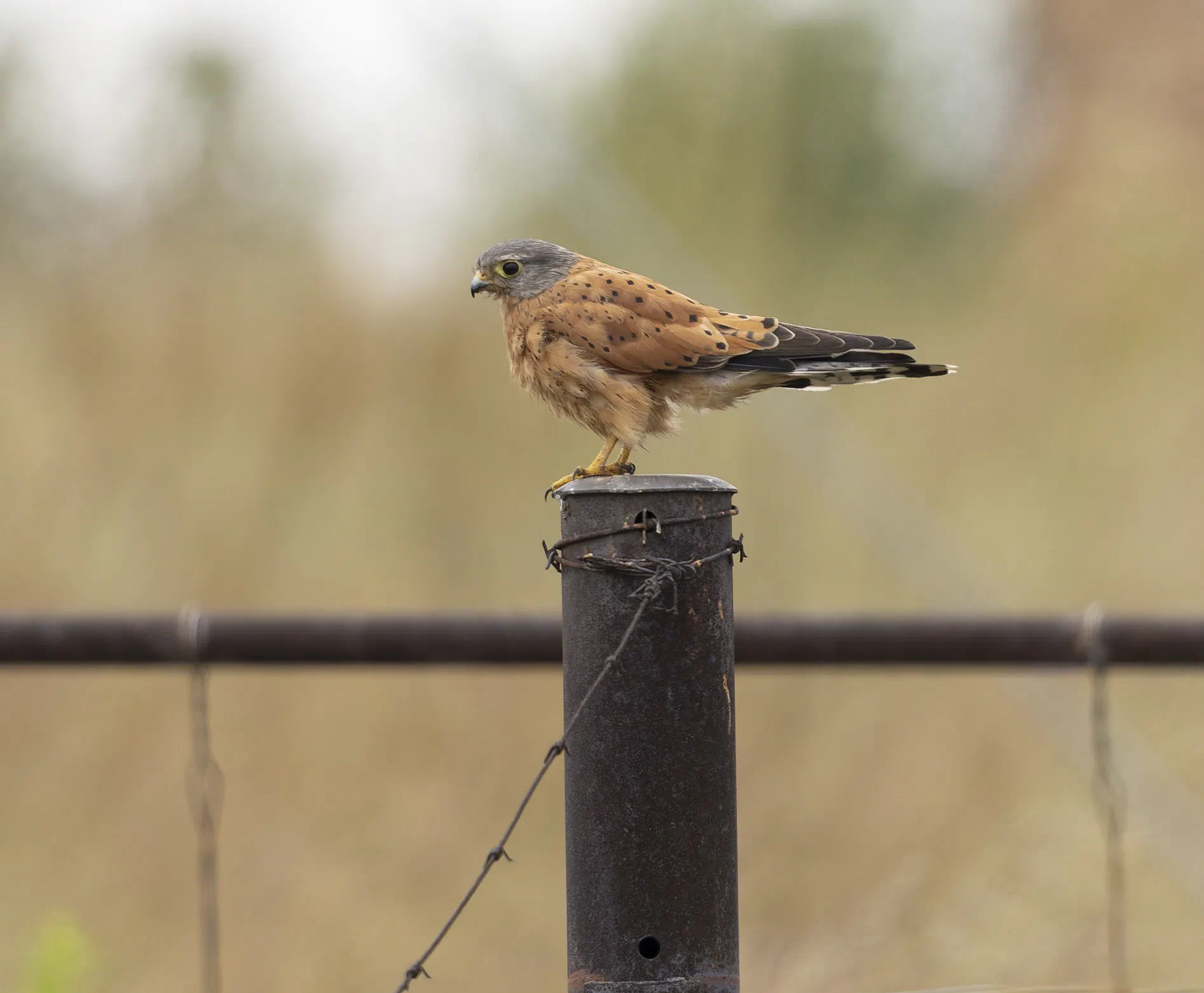
Mabusa is a real treat for photographers because of its mixed bird parties. Wait quietly and several species can move through the same patch of woodland, giving you one opportunity after another without walking far. The rocky slopes suit Short-toed Rock Thrush, Striped Pipit and Rock Kestrel, while the riverine sections bring a different mix of woodland and water birds.
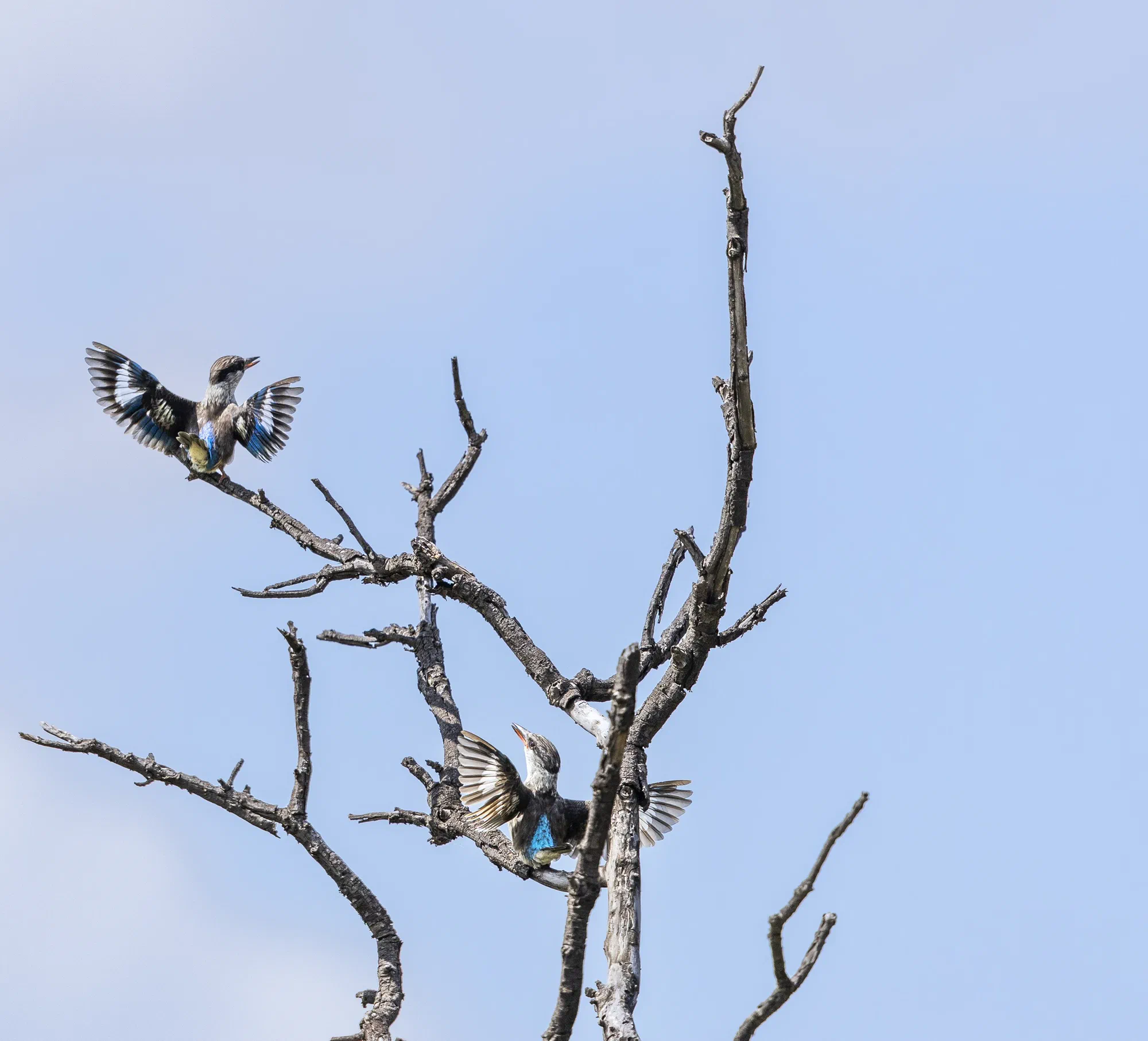
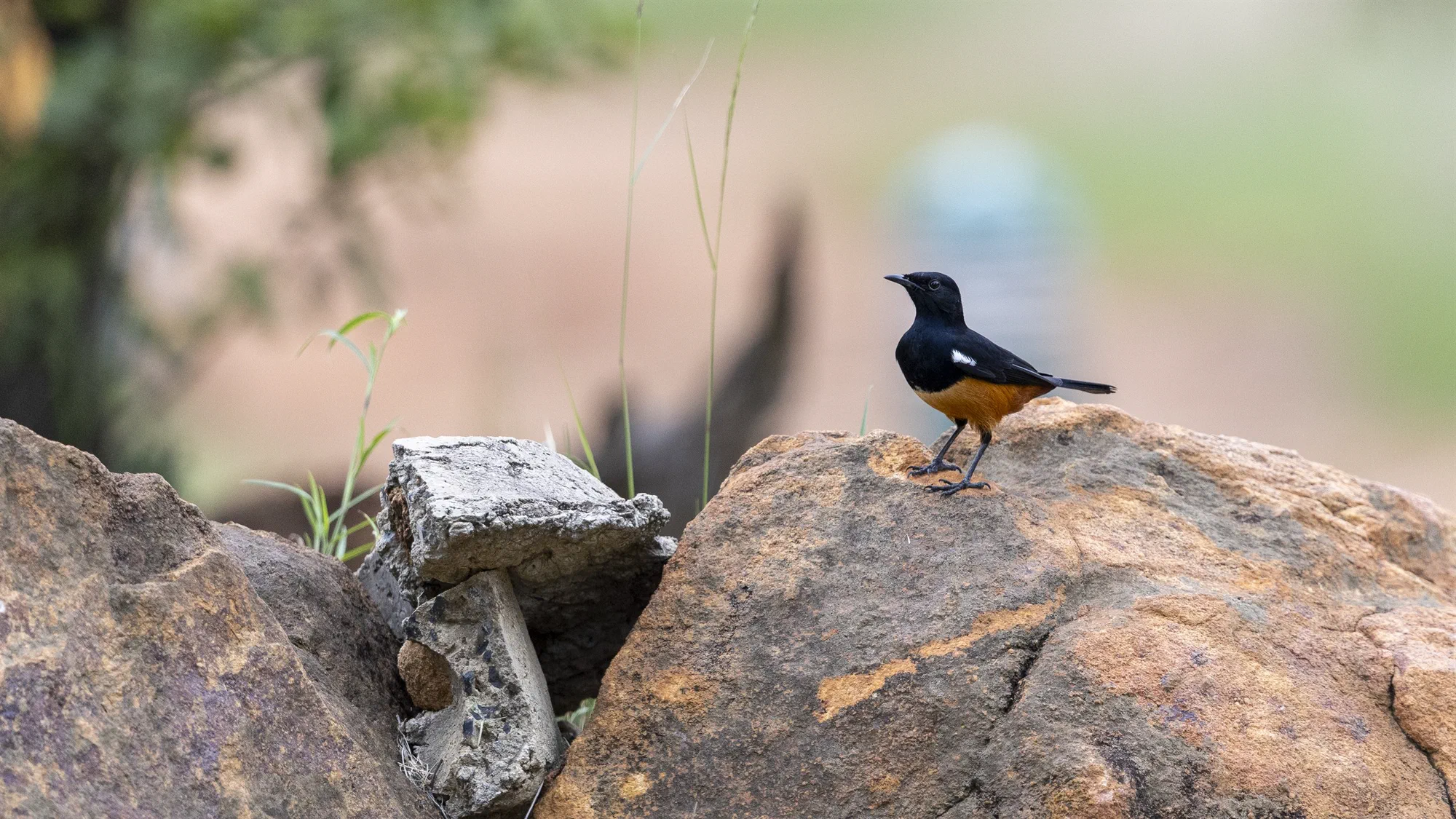
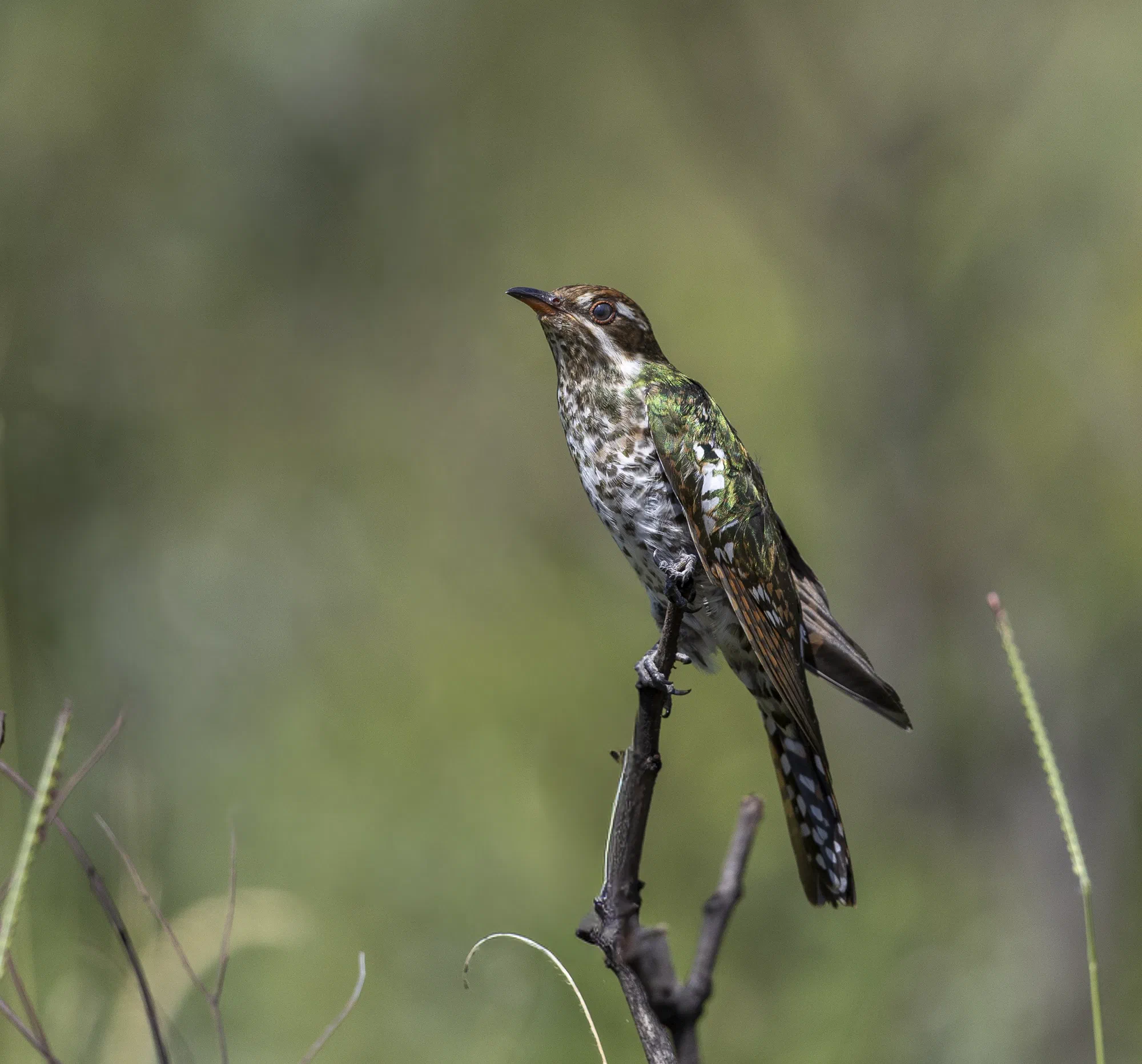
We change our approach with the habitat and with what you’d like to photograph. In the grasslands we scan wide areas, listen for calls and watch for displaying birds. At Mabusa we slow down and work the woodland edges, rocky slopes and bird parties. Either way, we’re thinking about light, background, behaviour and position, not just ticking a bird and moving on.
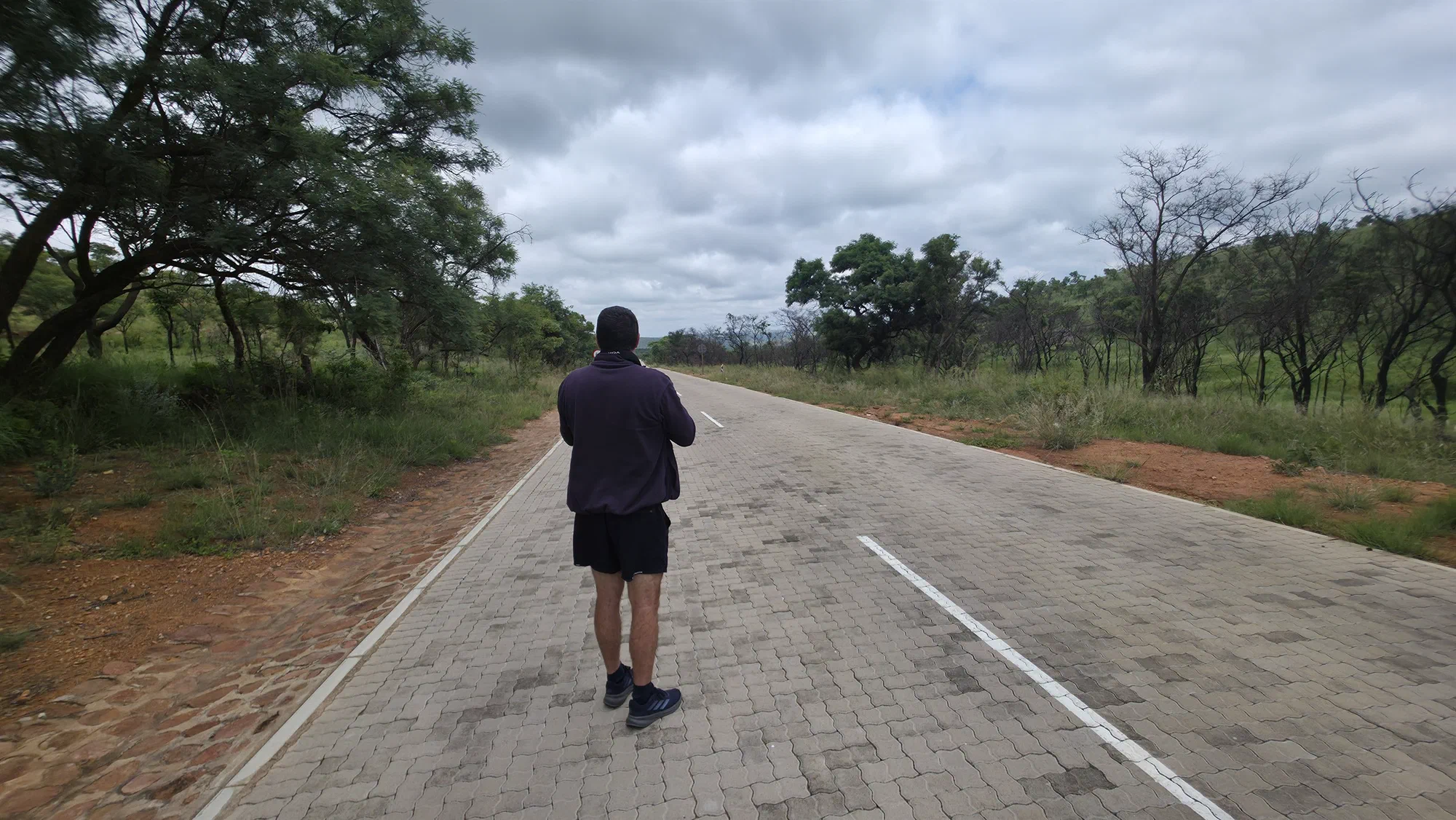
Two very different habitats, a long list of difficult birds, and the time to photograph them properly.