
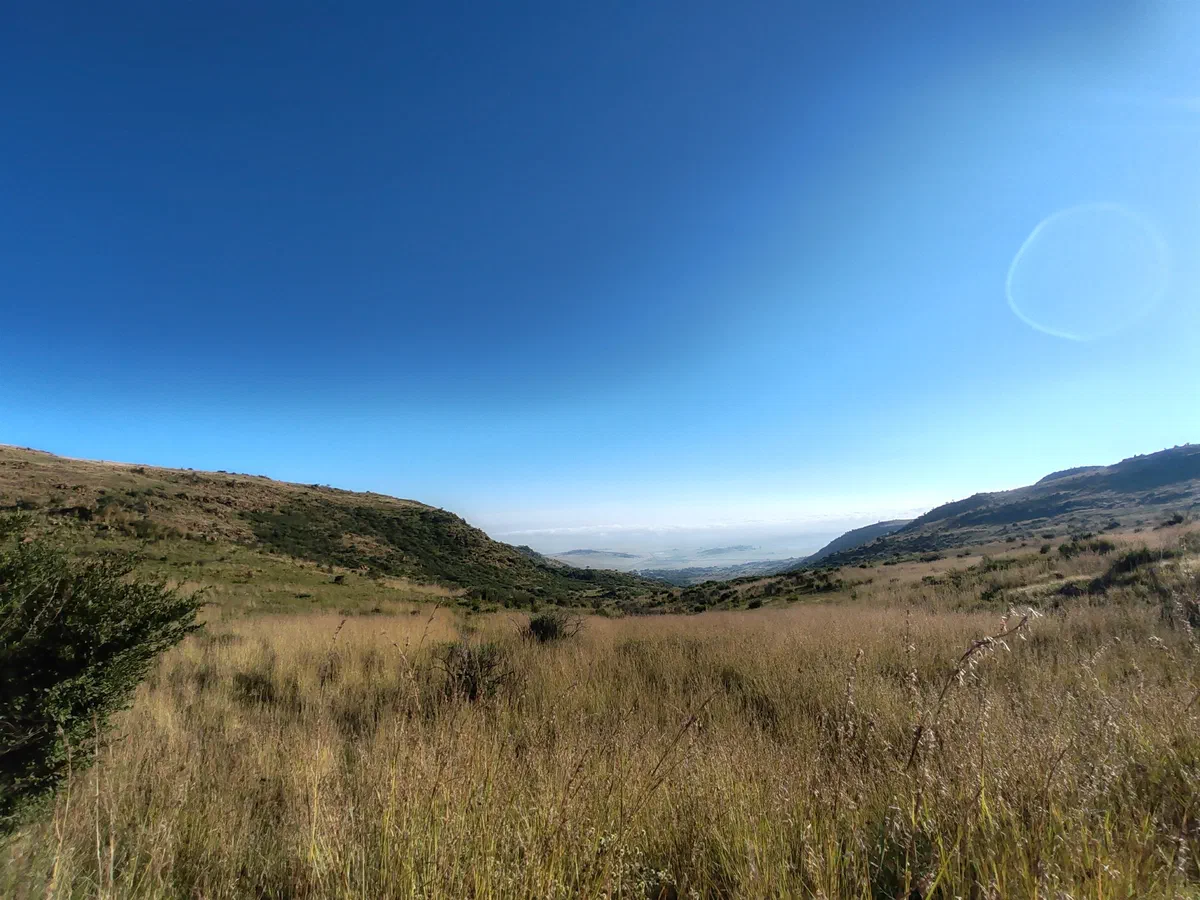
This day combines two of the most rewarding birding areas south-east of Johannesburg. We start at Suikerbosrand, where high-altitude grassland, rocky ridges and sheltered valleys hold a superb range of Highveld specials, then move on to Marievale for waterbirds, reedbeds and waders. Two completely different worlds in one outing.
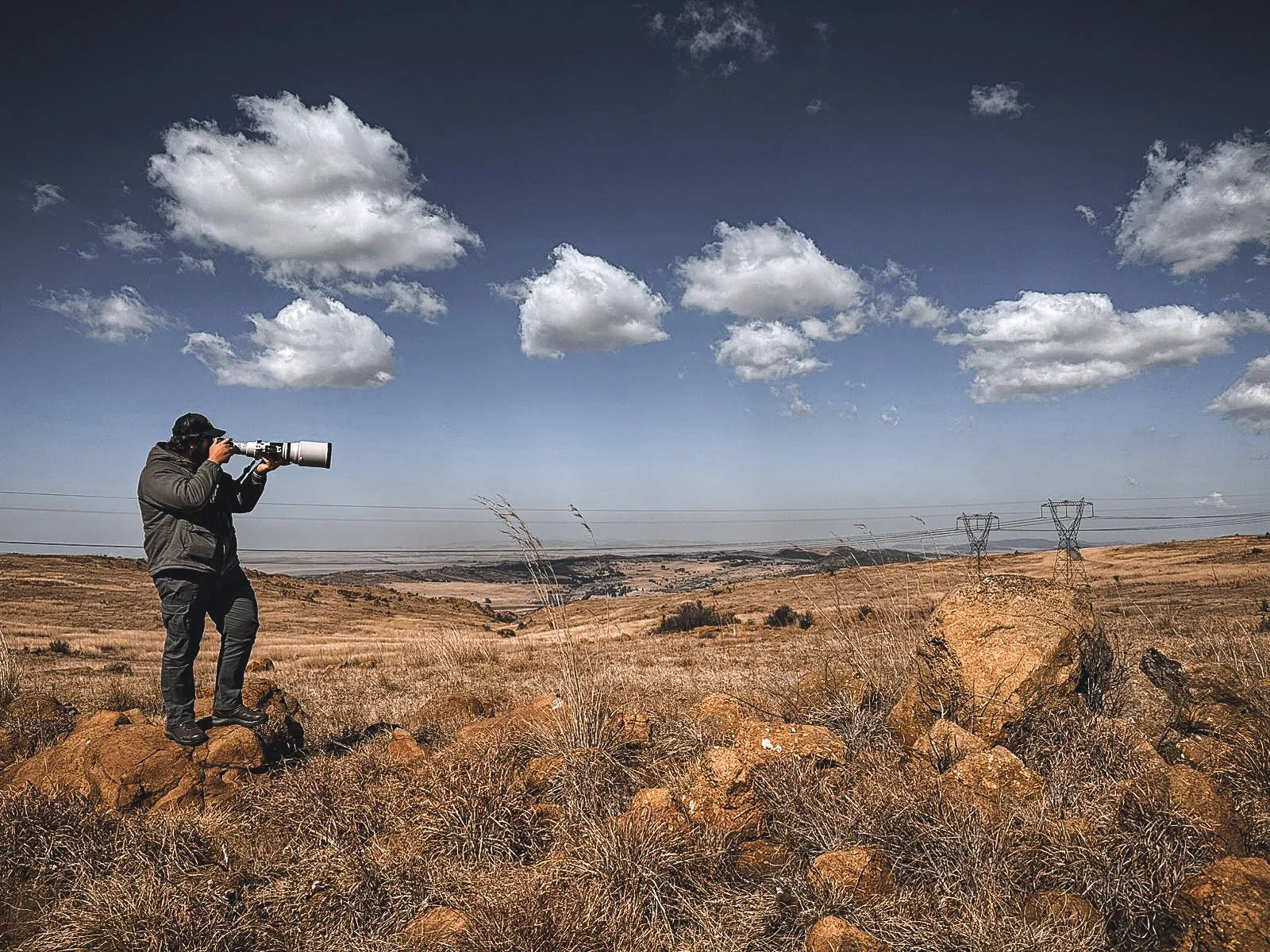
Suikerbosrand Nature Reserve
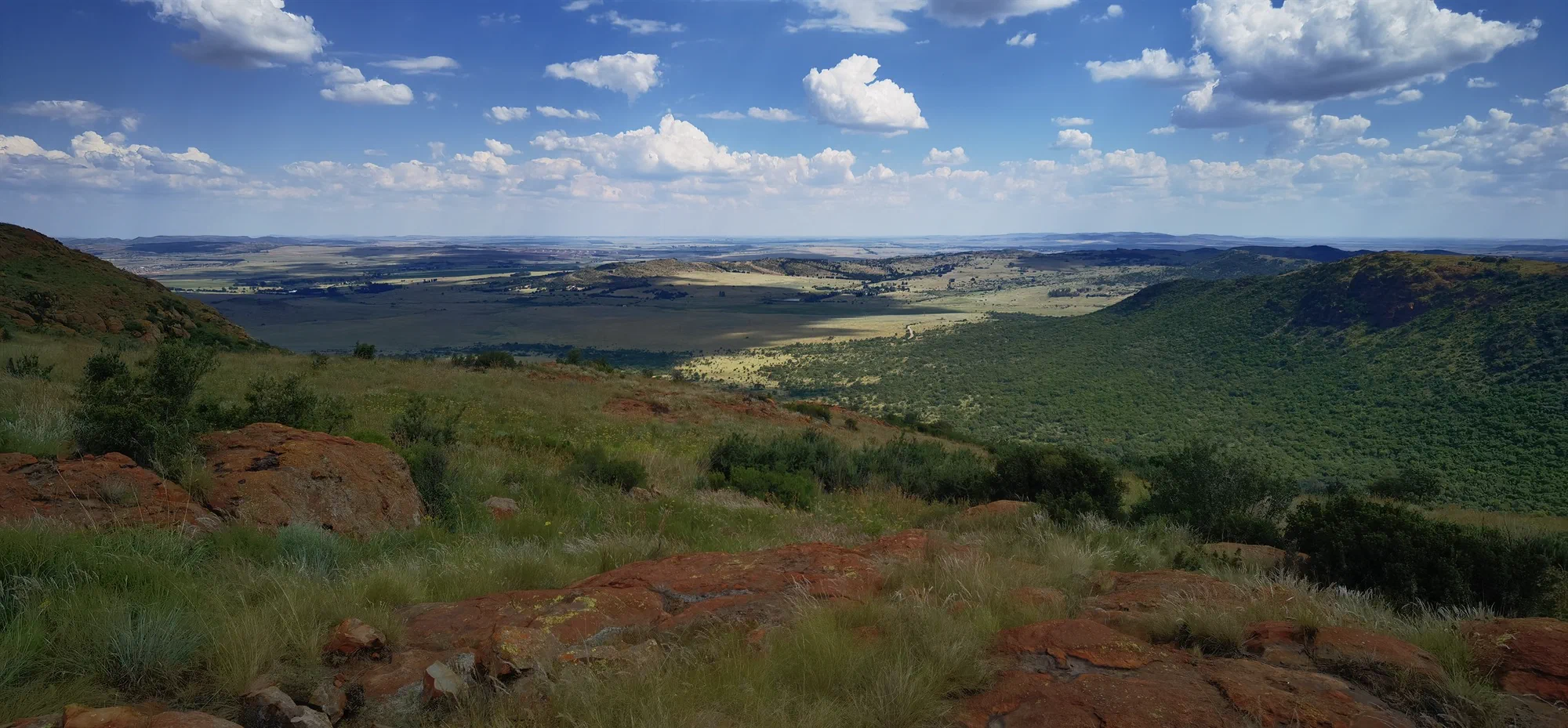
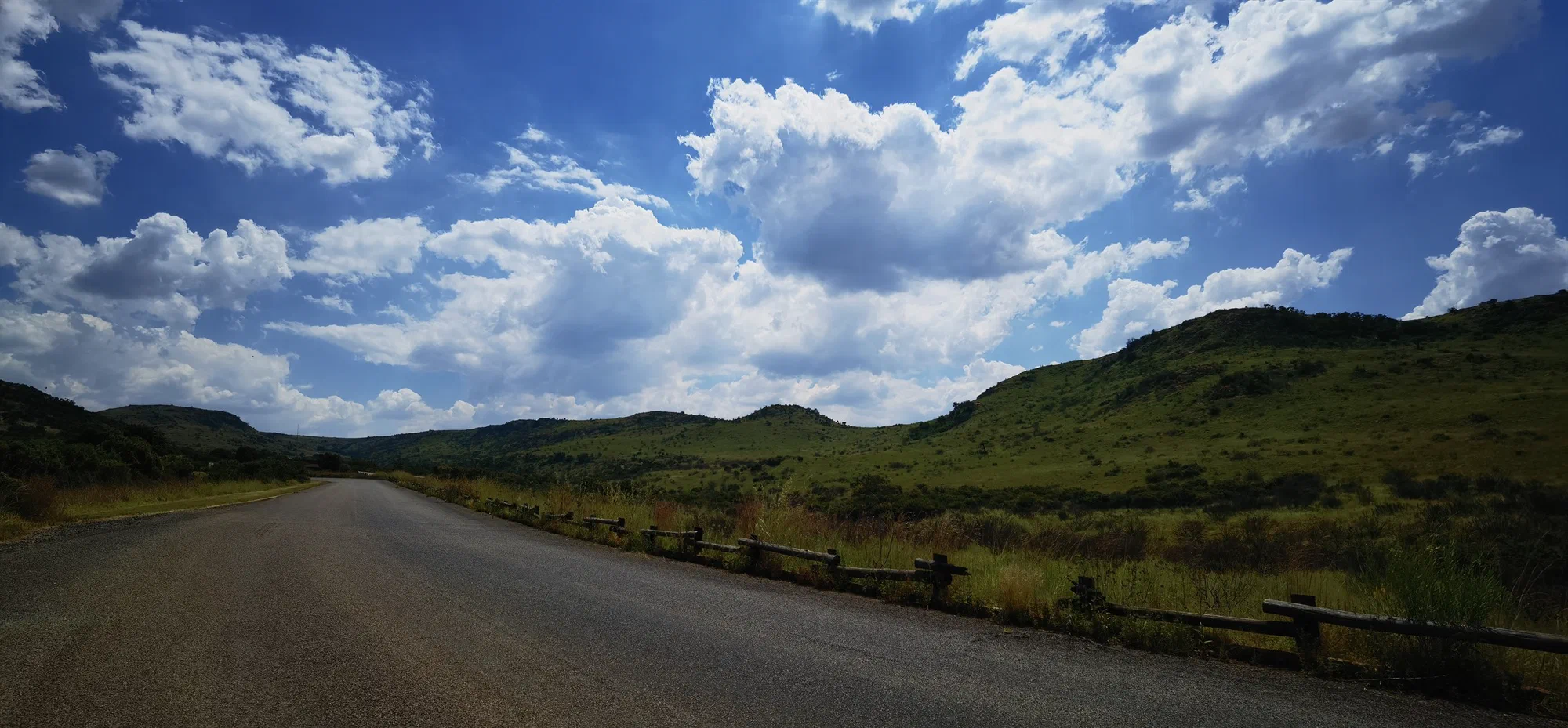
Suikerbosrand is one of the best Highveld birding destinations within easy reach of Johannesburg and Pretoria. The reserve covers more than 13,000 hectares and rises to almost 1,900 metres, with high grassland, rocky ridges, sheltered valleys, thornveld, woodland, wetlands and stands of protea and aloe. A long circular road lets us work through all of these, changing our approach as the habitat changes.
We like to be on the road early, when larks, cisticolas, pipits, francolins and bishops are active and calling. Early summer is especially good: the grassland birds are vocal, and the bishops and widowbirds are in breeding plumage.
The grasslands
The open grassland is the main attraction. We drive slowly, stop often and listen as much as we look; a calling lark or cisticola is often the only clue that a bird is nearby. Grey-winged Francolin is a key target, and the larks are excellent, including Eastern Long-billed, Melodious, Eastern Clapper, Spike-heeled and Pink-billed Larks, along with Wailing and Wing-snapping Cisticolas and several pipits. With patience and a little luck, Marsh Owl and African Grass Owl can be found quartering low over the grassland and wet areas.
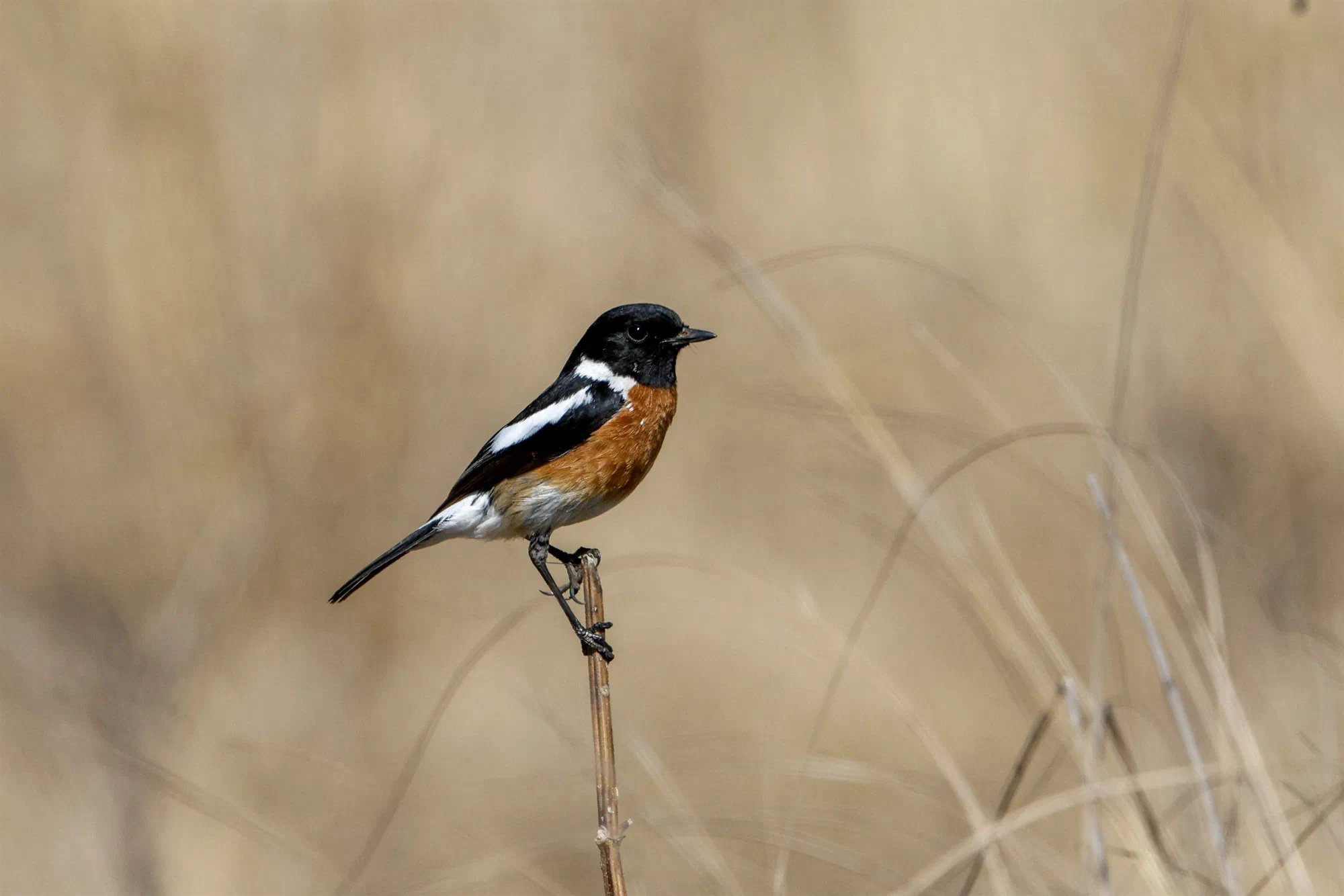
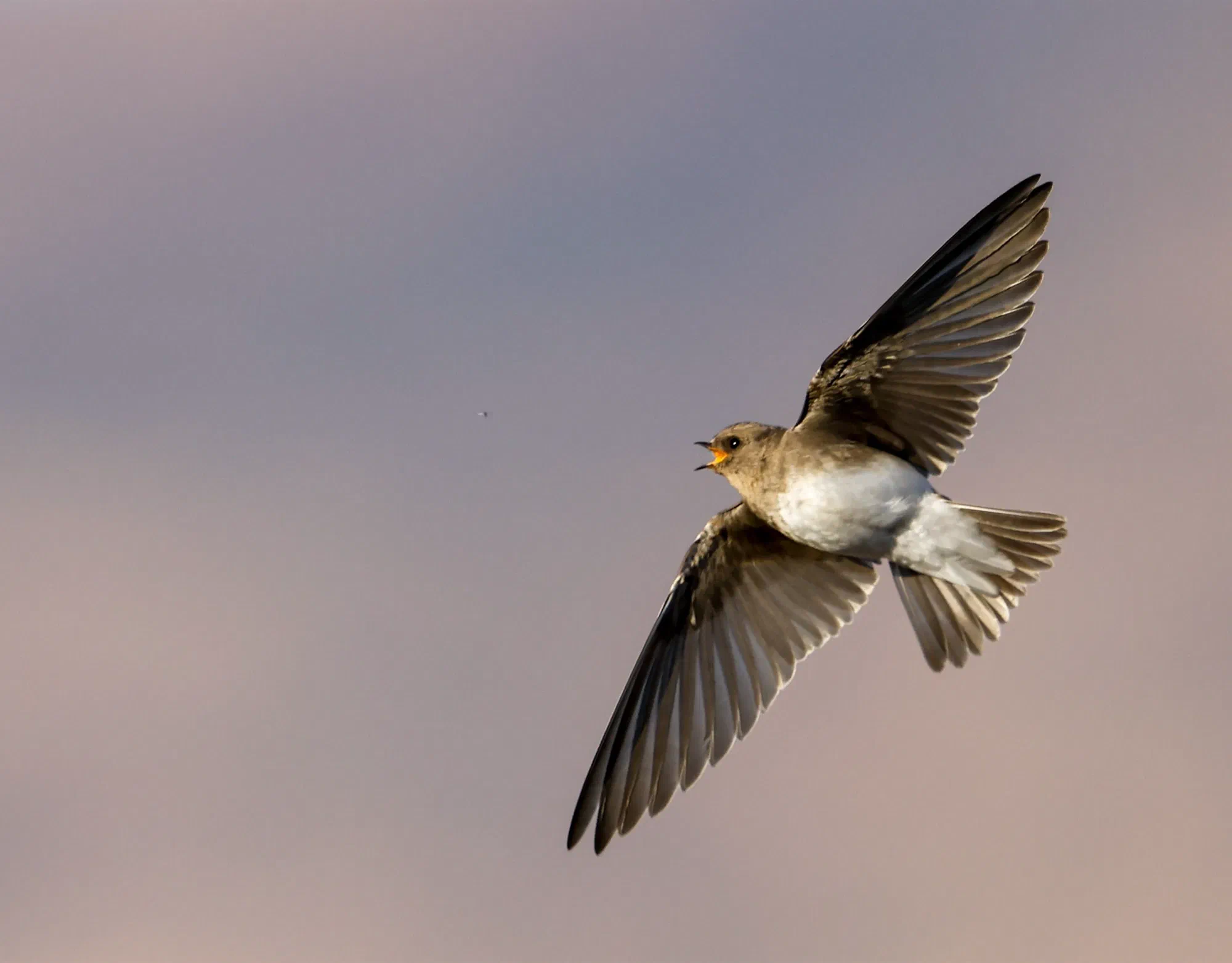
Ridges and valleys
Higher up, the rocky ridges hold Sentinel Rock Thrush, one of the reserve’s standout birds, especially in the colder months, together with Cape Rock Thrush, Mocking Cliff Chat and Cape Bunting. The open high ground is perfect for scanning whole slopes for raptors such as Jackal Buzzard, Black-winged Kite, Greater and Rock Kestrels and Secretarybird.
Down in the sheltered valleys and thornveld, the birding changes again, with African Red-eyed Bulbul, Ashy Tit, Acacia Pied and Crested Barbets, Common Scimitarbill and Kalahari Scrub Robin. These wooded areas are great for photography, with natural perches and smaller birds at closer range. Suikerbosrand is also one of the better Gauteng sites for Malachite Sunbird, which feeds on the flowering aloes, and a reliable spot for Cuckoo Finch.
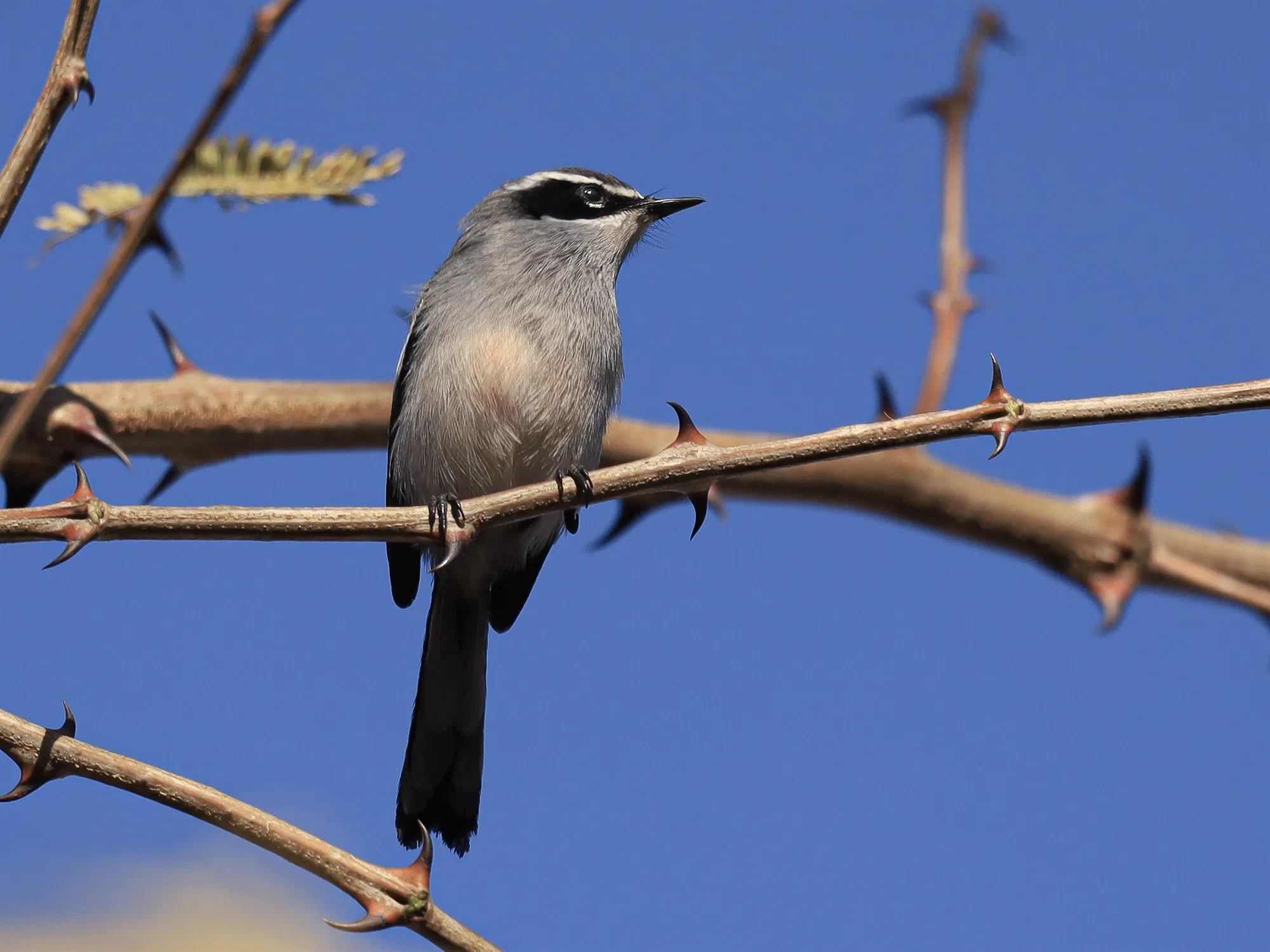
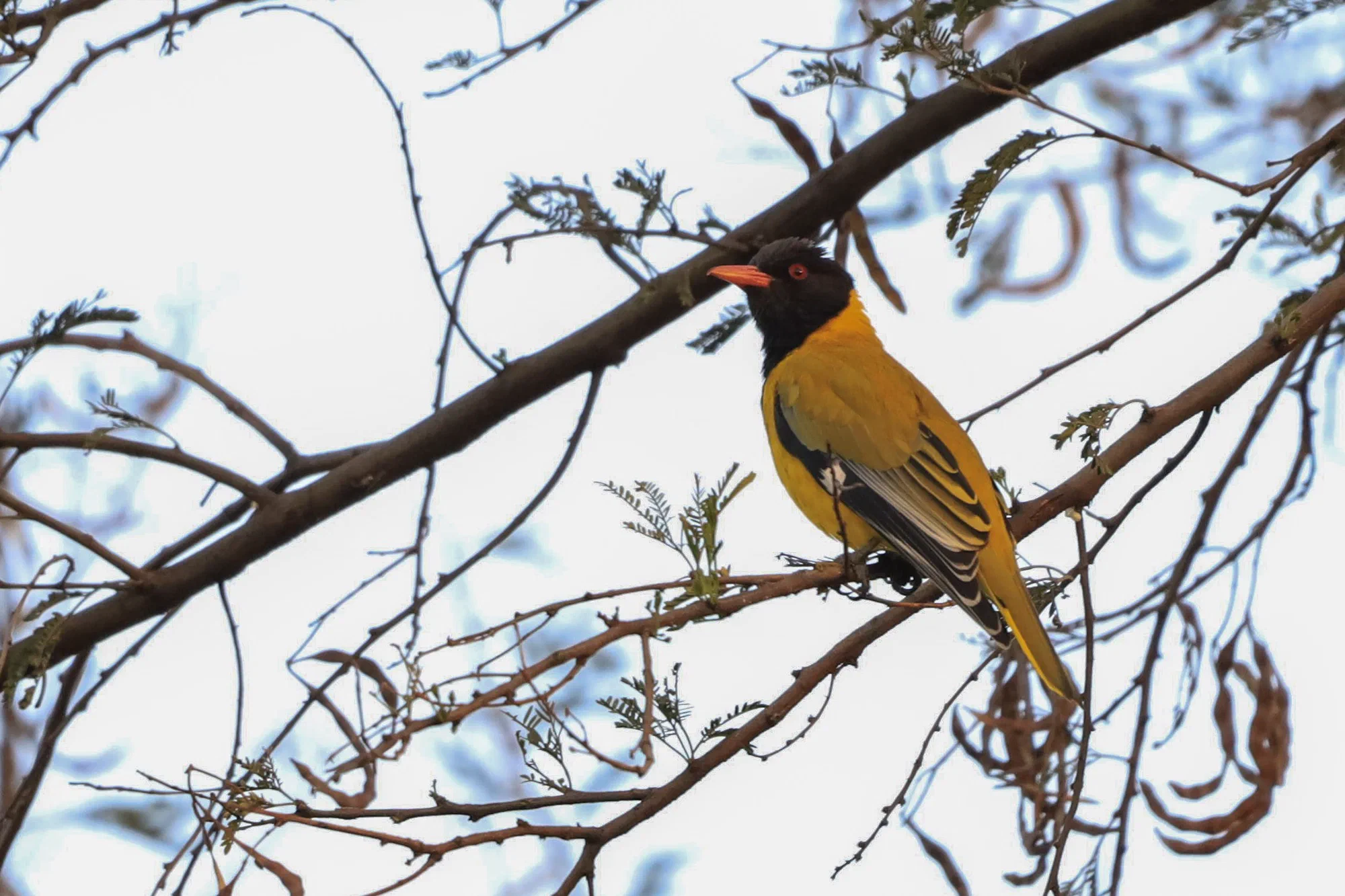
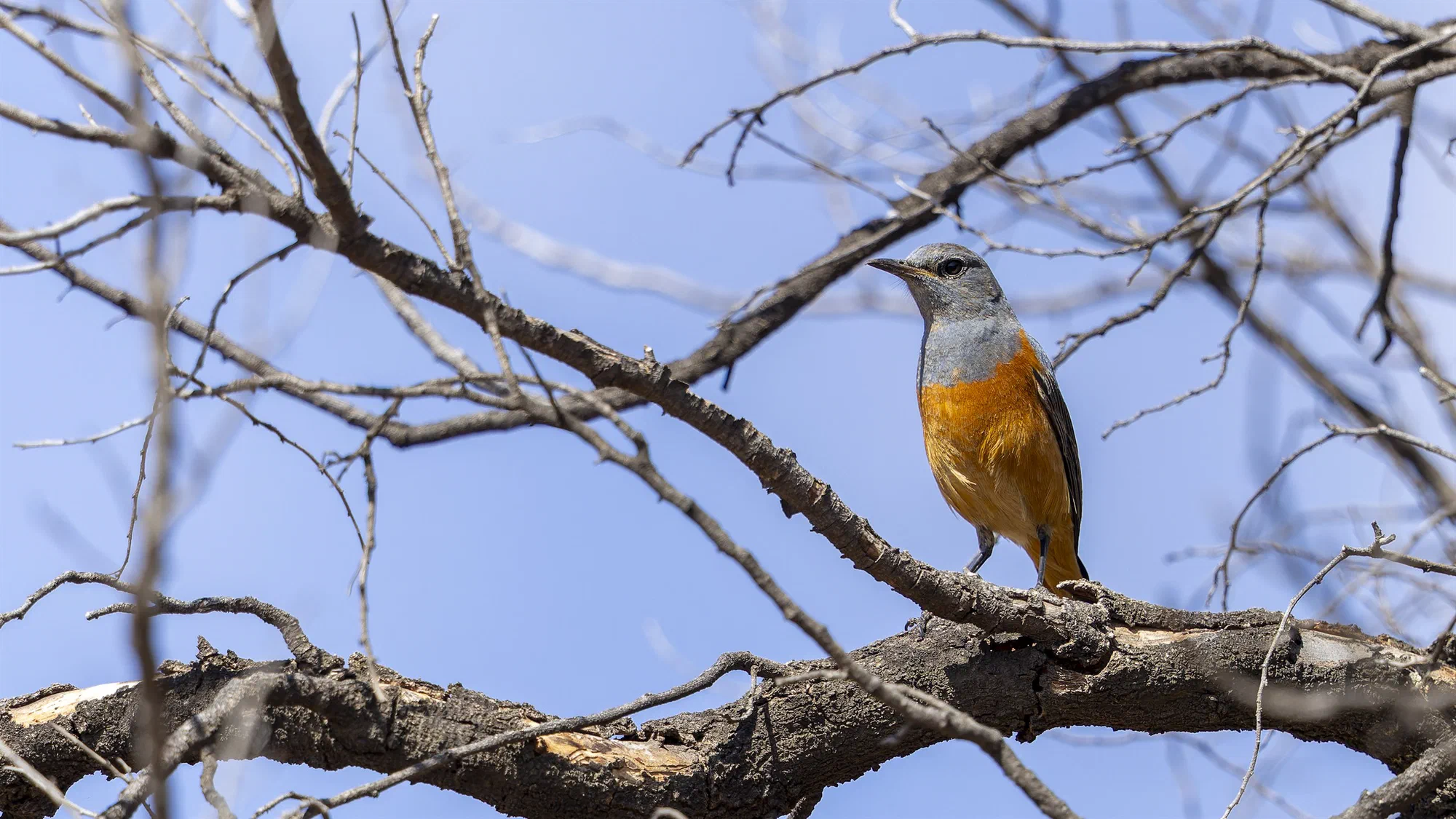
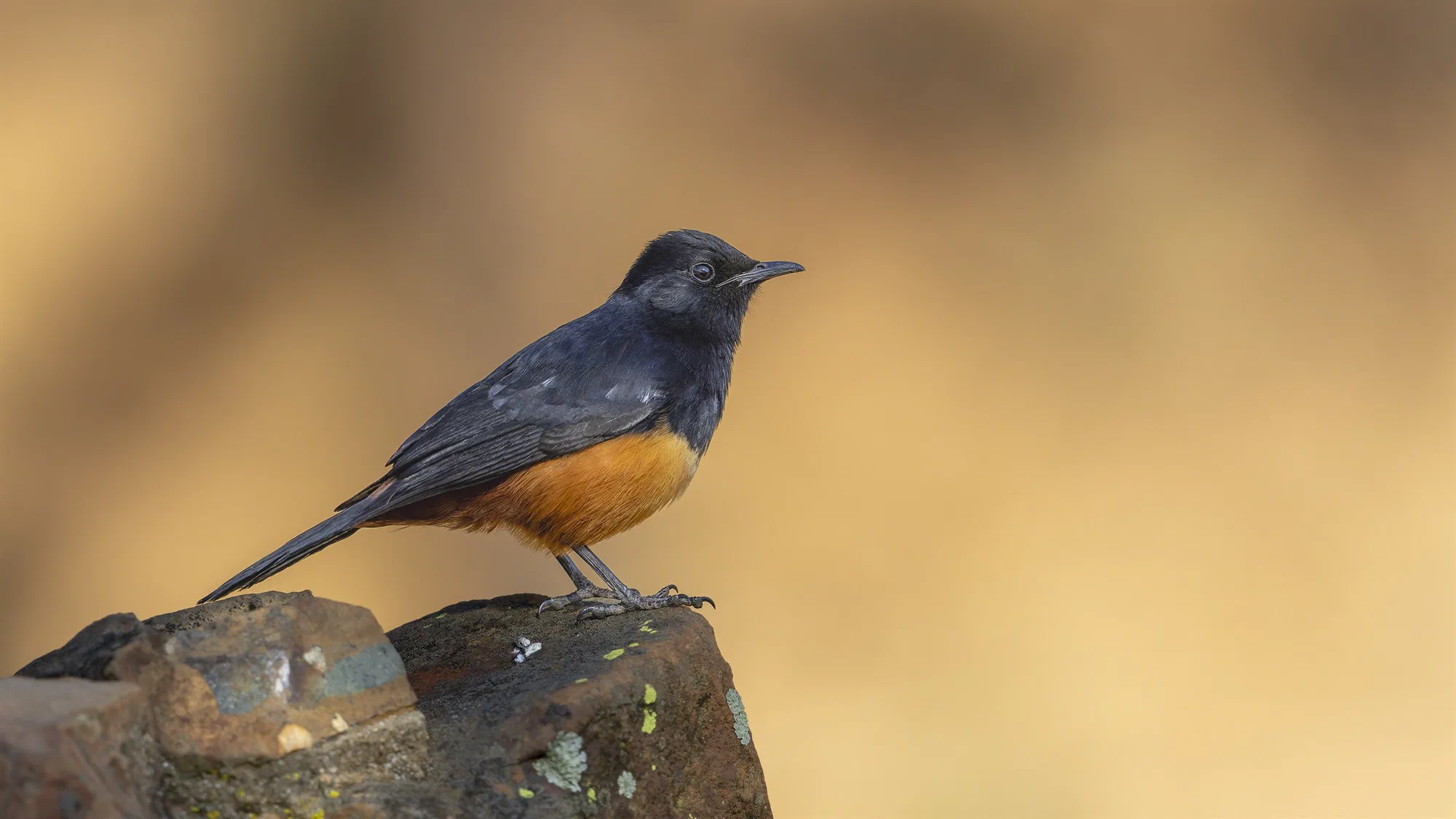
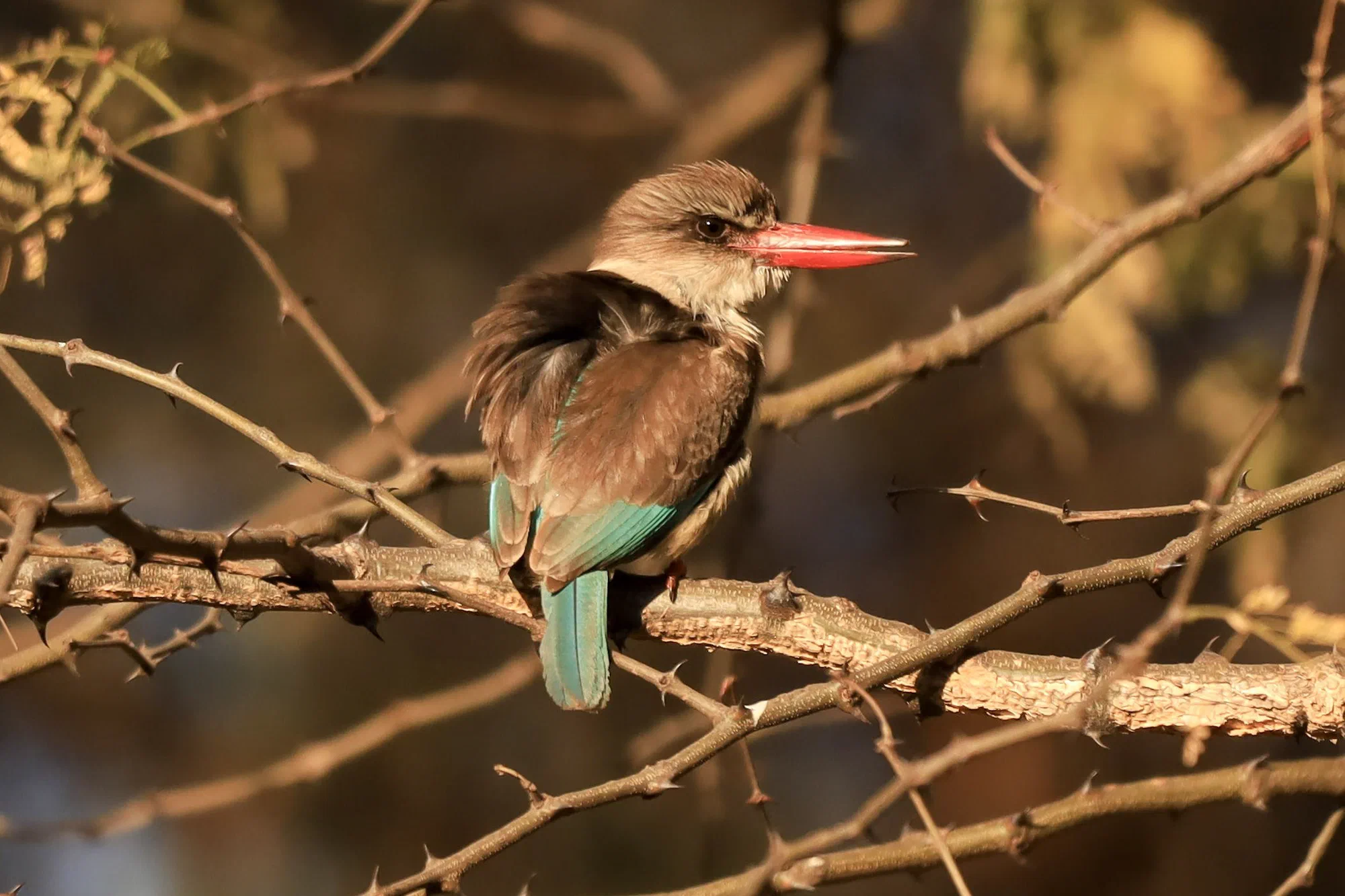
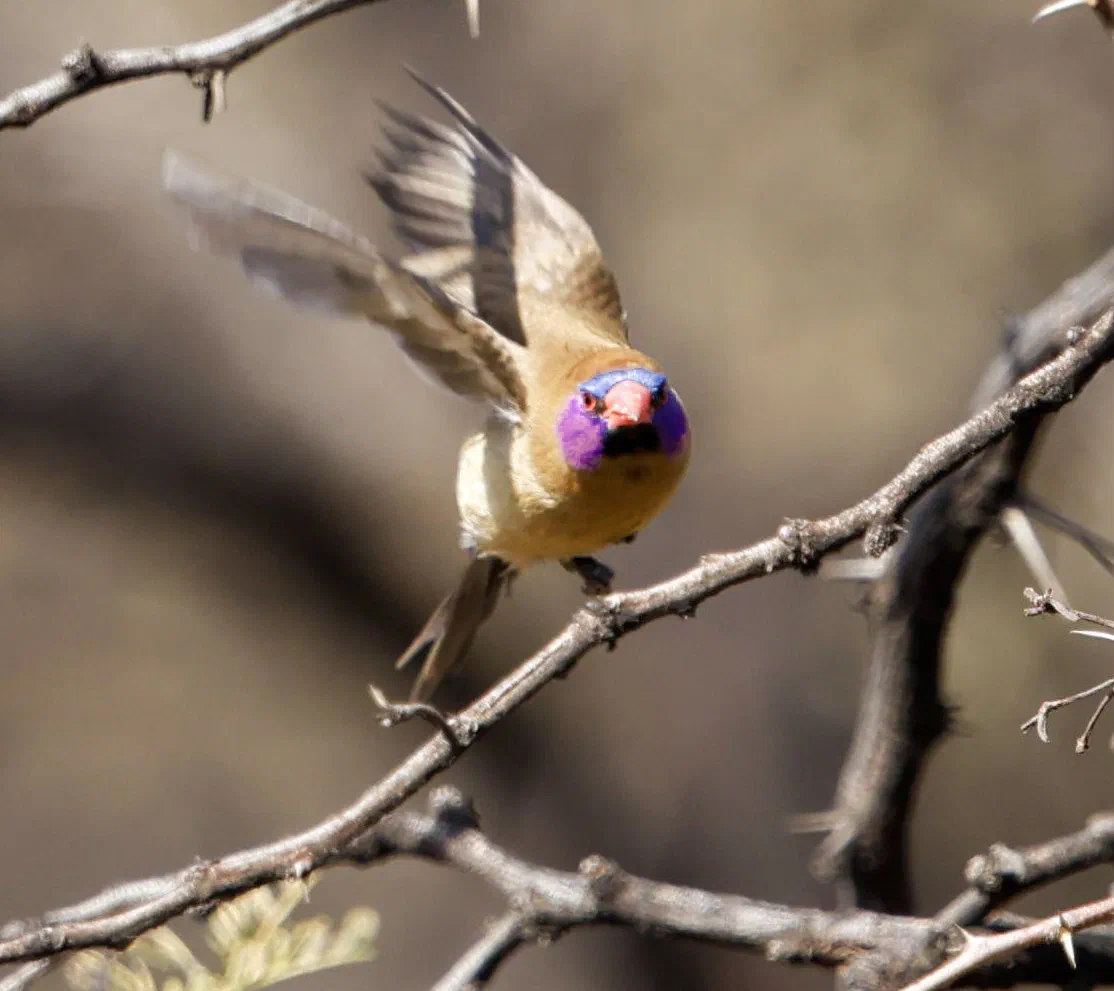
In a single morning we can move from open grassland to rocky ridges and down into sheltered valleys, adapting as we go, with plenty of chances to photograph birds displaying, calling and feeding against constantly changing backgrounds.
Marievale Bird Sanctuary
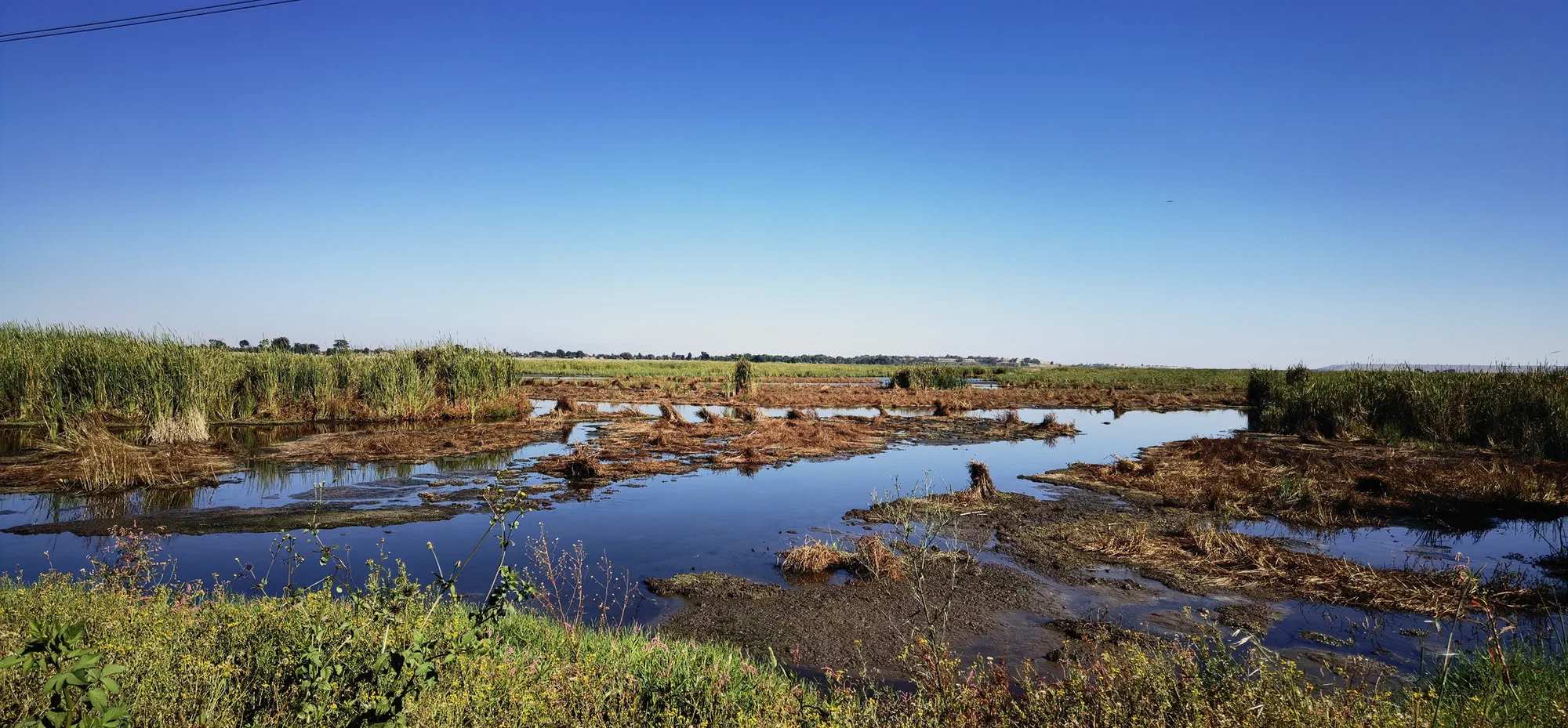
After a morning in the grassland, ridges and woodland of Suikerbosrand, Marievale takes us into a completely different world of shallow water, reeds, mudflats and wetland edges. The sanctuary sits in the southern part of the Blesbokspruit, a Ramsar wetland and Important Bird and Biodiversity Area, and its pans, reedbeds and grassy margins pack a remarkable variety of habitat into roughly 1,000 hectares.
Patience is everything here. We drive slowly, scan the open water, check the reed edges and spend time in the hides. There are five, and the Otter and Flamingo hides are especially good for watching the reedbeds, where Little Bittern is regularly seen. Water levels change everything: low water exposes mudflats for waders, while high water favours ducks, grebes, coots and herons. The same stretch of Marievale can look completely different from one visit to the next.
On the water
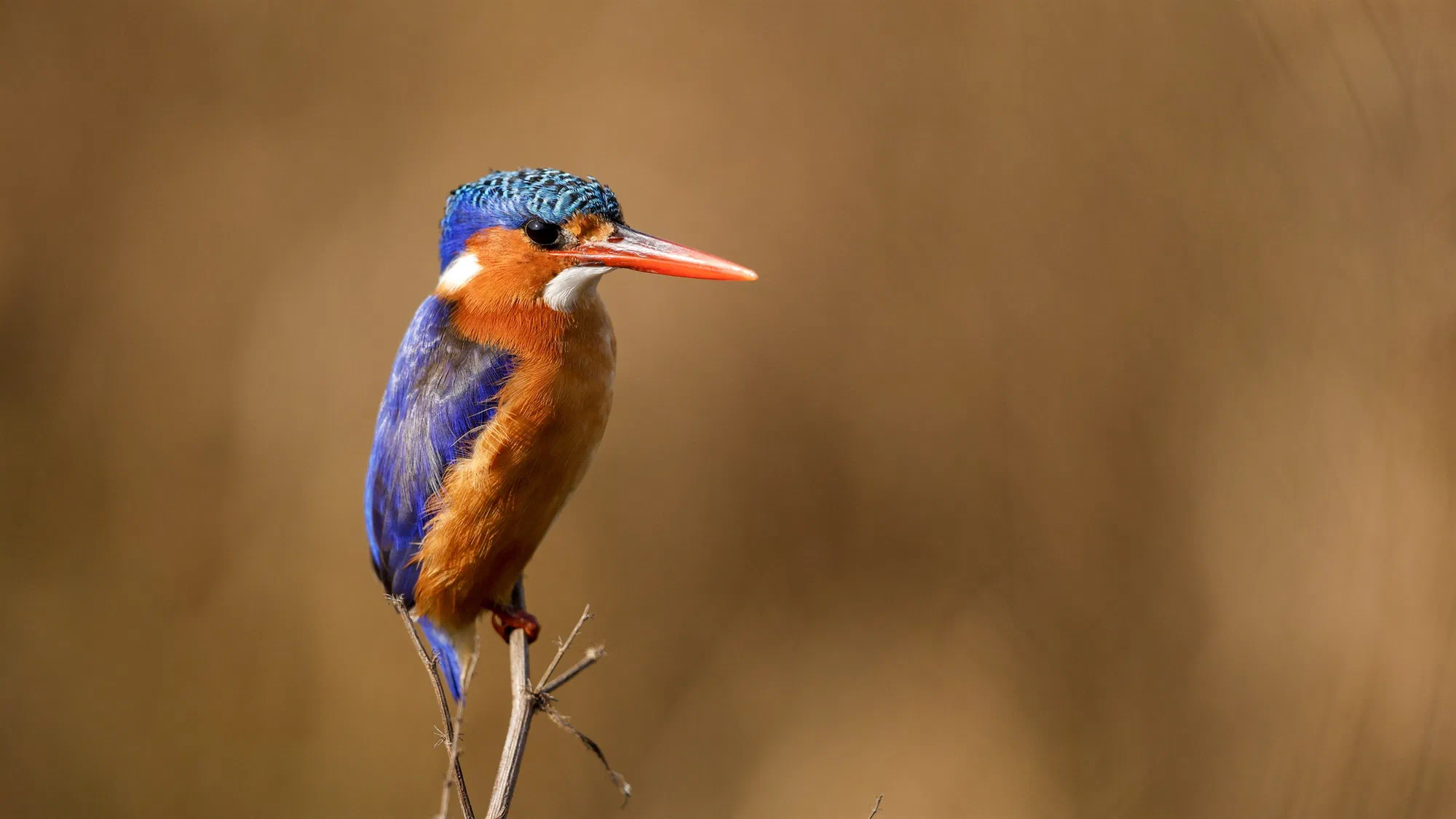
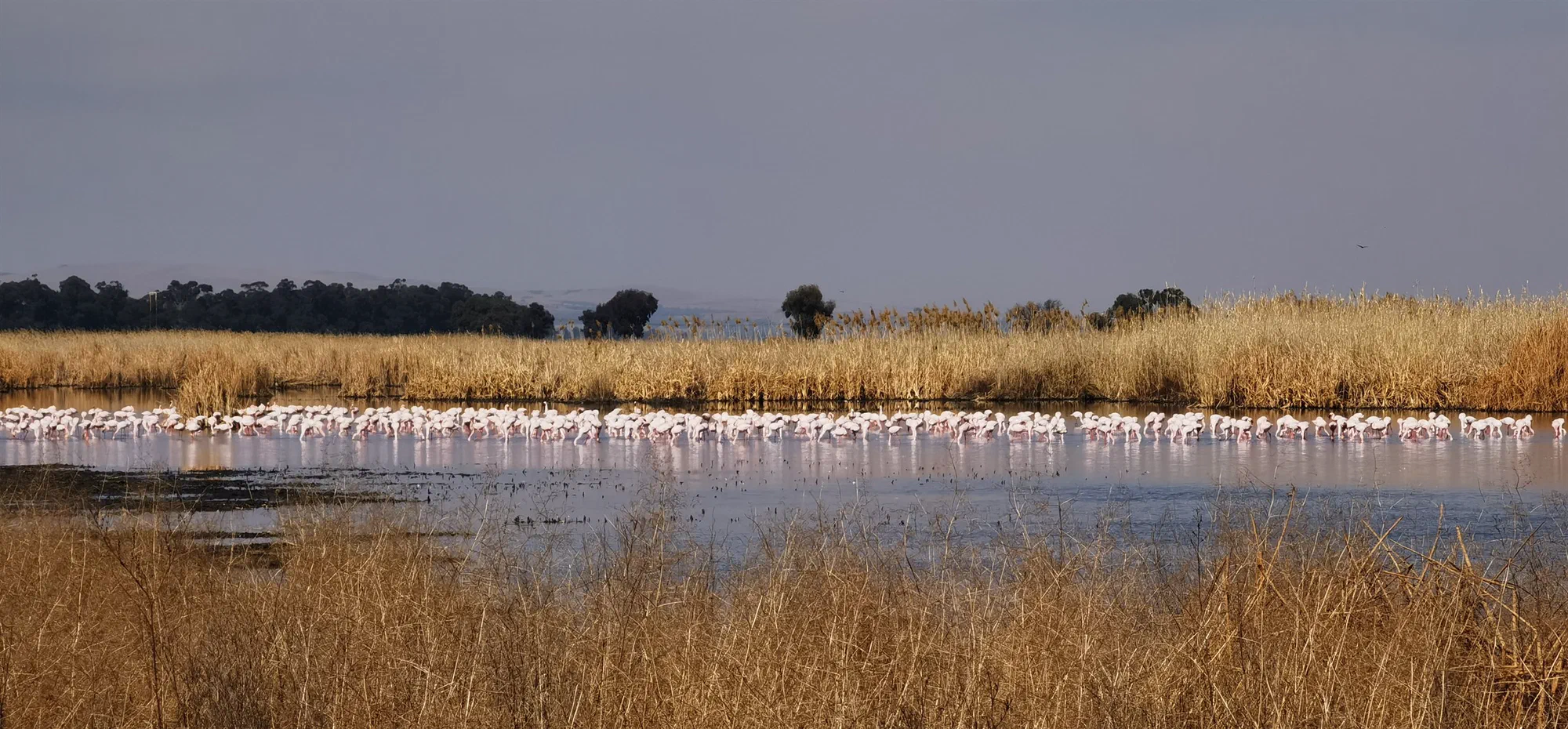
At first glance the pans seem full of Reed Cormorants, Red-knobbed Coots and Yellow-billed Ducks, but look through them and the variety opens up. Blue-billed Teal is one of our key targets and Fulvous Whistling Duck a great bonus, alongside Cape and Red-billed Teal, White-backed Duck, Cape Shoveler, Southern Pochard and South African Shelduck. Great Crested Grebe, African Darter and African Spoonbill are worth looking for too, and Greater and Lesser Flamingos visit from time to time, sometimes in sizeable groups.
Herons and the reedbeds
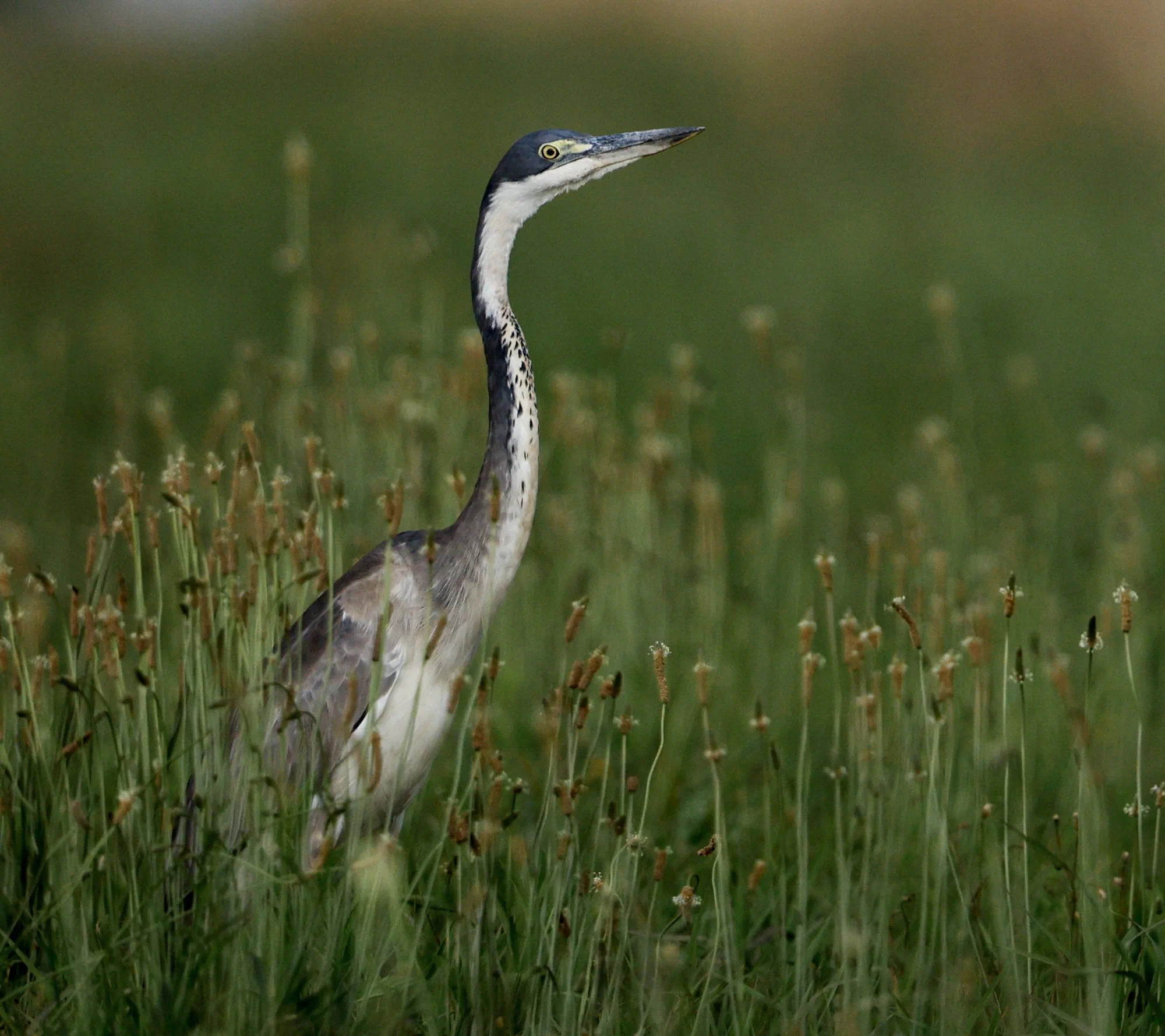
Marievale is one of the best places in Gauteng to see Goliath, Black, Squacco and Purple Herons together. Goliath Heron, one of Africa’s largest herons, makes a superb subject in a genuinely wild wetland setting, and Black Heron’s unusual feeding behaviour is always a pleasure to watch.
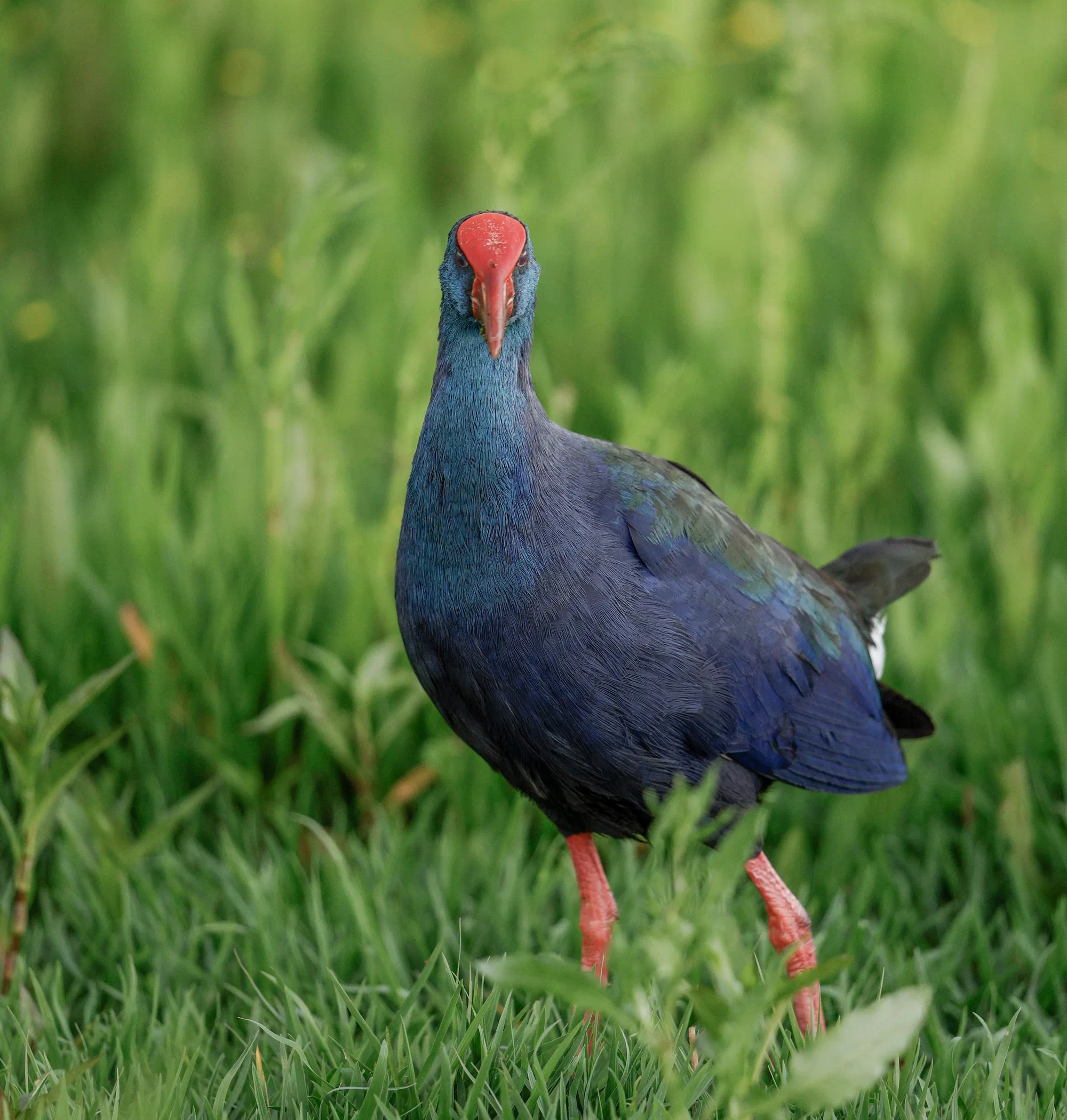
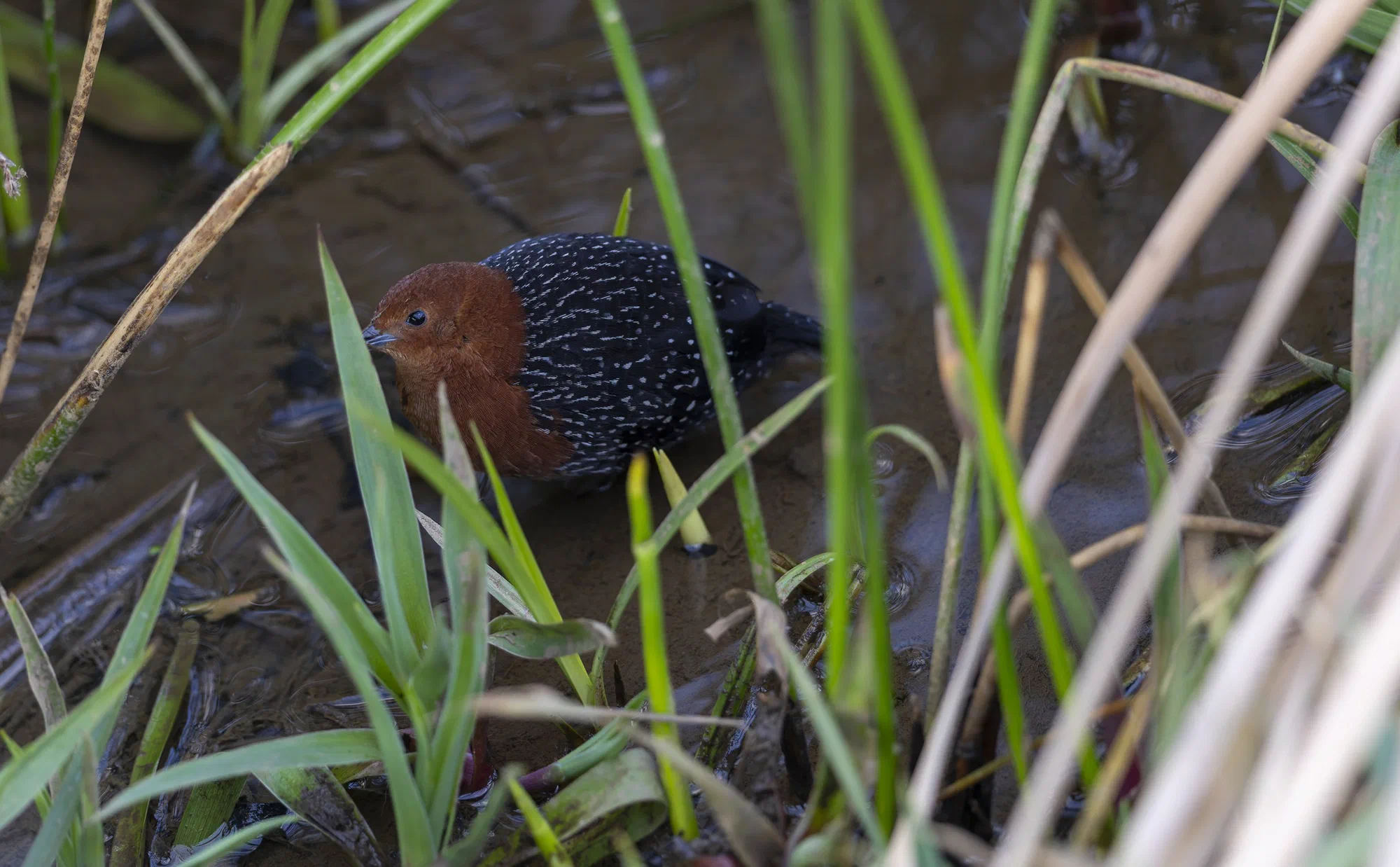
The extensive reedbeds hold the harder birds. African Swamphen and Black Crake show regularly, while African Rail, Baillon’s Crake and Red-chested Flufftail can stay hidden for long periods before suddenly crossing a gap in the reeds. Little Bittern, one of Marievale’s signature birds, is a master at disappearing into dense vegetation, so we watch the reed margins rather than expecting it to sit in the open. A rail or bittern showing for a few seconds can easily be the highlight of the morning.
Waders, raptors and the sky
When the mud is exposed, waders gather: Ruff, Curlew Sandpiper, Little Stint, Pied Avocet, Black-winged Stilt, Kittlitz’s Plover and more. Over the years the wetland has also attracted rarities such as Buff-breasted, Baird’s and Pectoral Sandpipers, Black-tailed Godwit and Black-winged Pratincole.
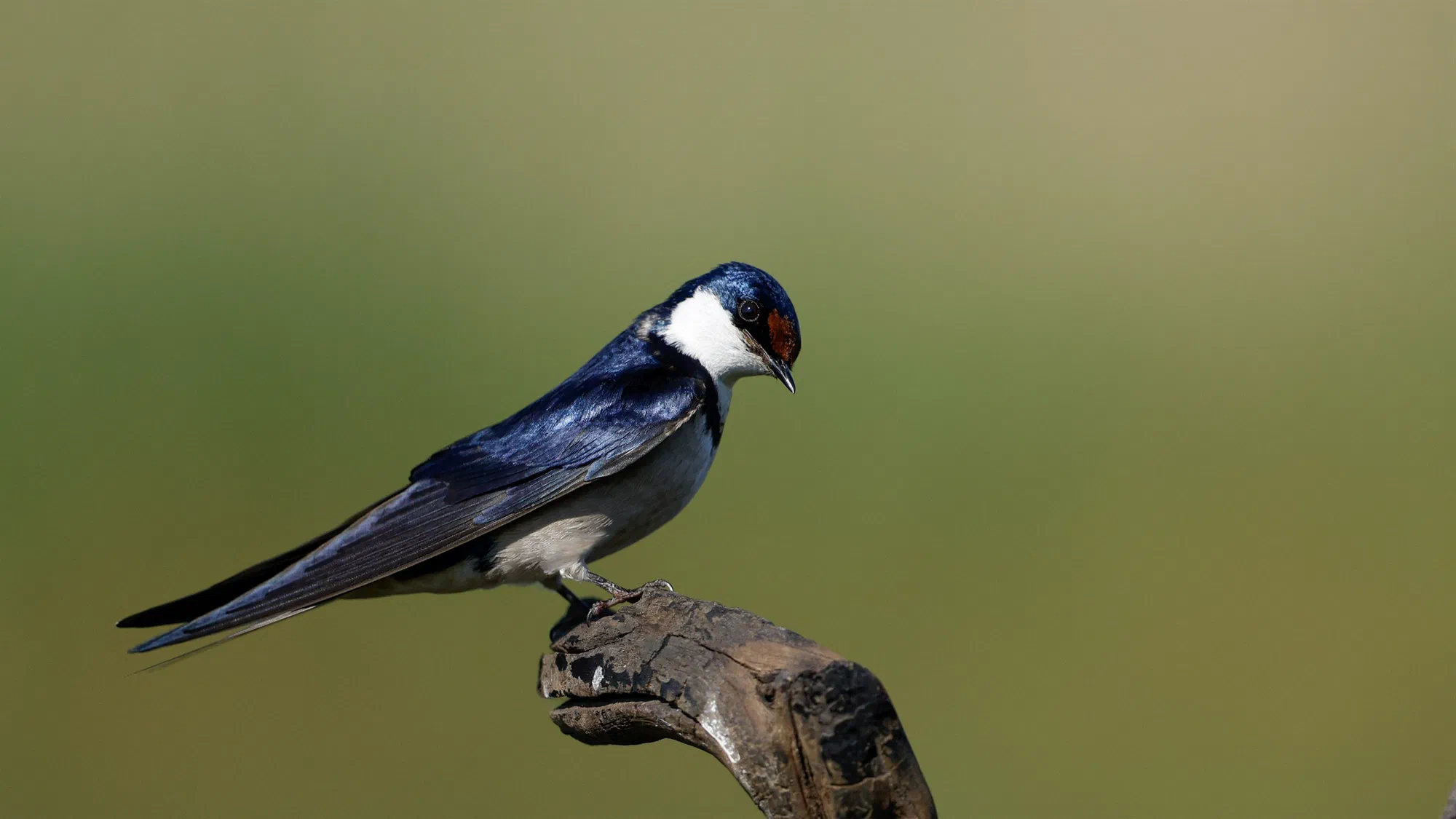
It pays to keep checking the sky. African Marsh Harriers hunt low over the reeds, flushing smaller birds as they pass, and African Fish Eagle and Black-winged Kite are often around. In summer, swifts, swallows and martins hawk insects over the water, a good chance to pick out Horus Swift, and the reeds come alive with warblers. It is a great place to practise identifying birds by call and behaviour.
The grassland edges
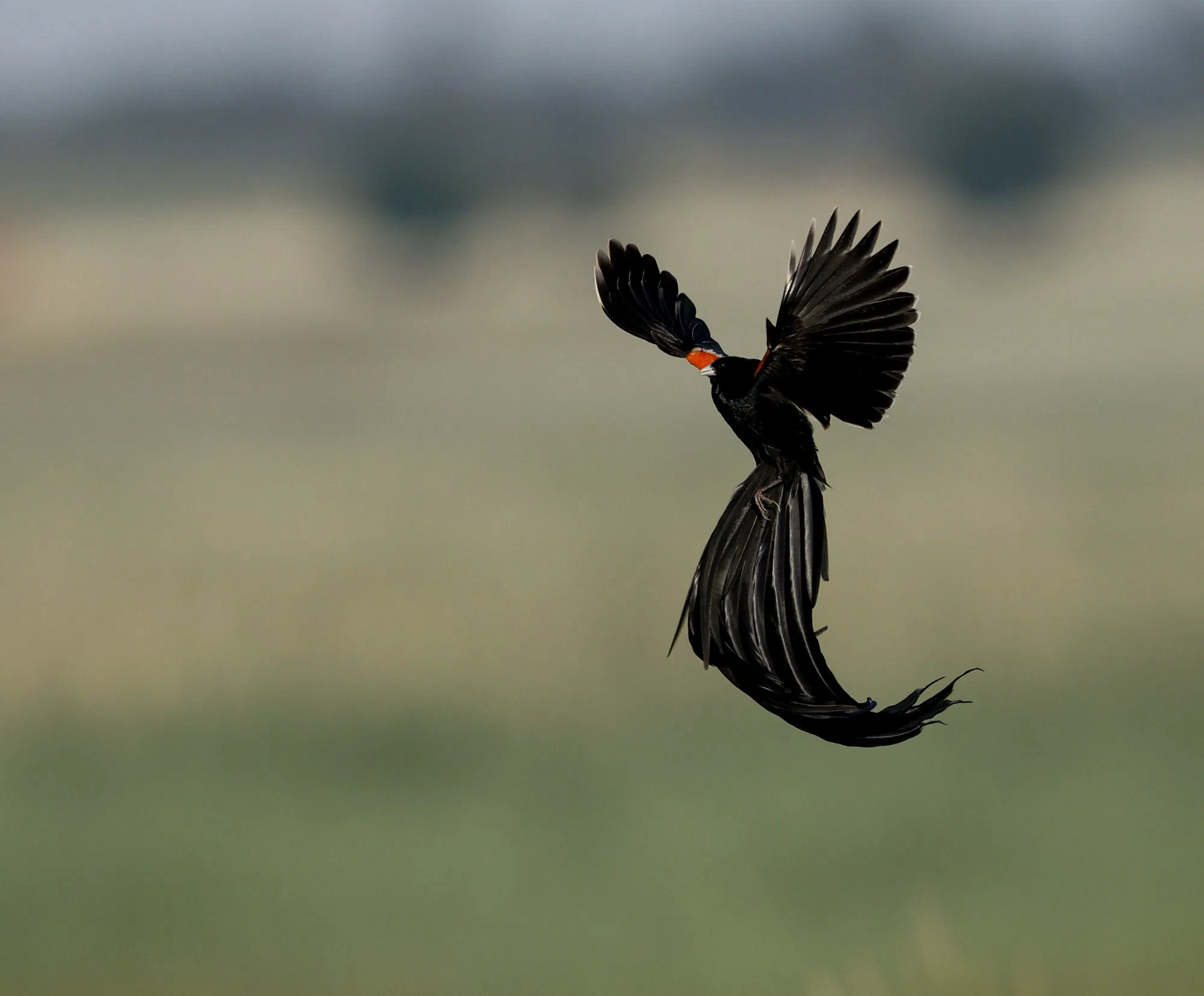
The grassland around the sanctuary adds one more layer: Cape Longclaw, Capped Wheatear, cisticolas, bishops and widowbirds. Fan-tailed Widowbird and Orange-breasted Waxbill are easy to overlook when everybody is focused on the water, so we deliberately scan the edges as we move between sections.
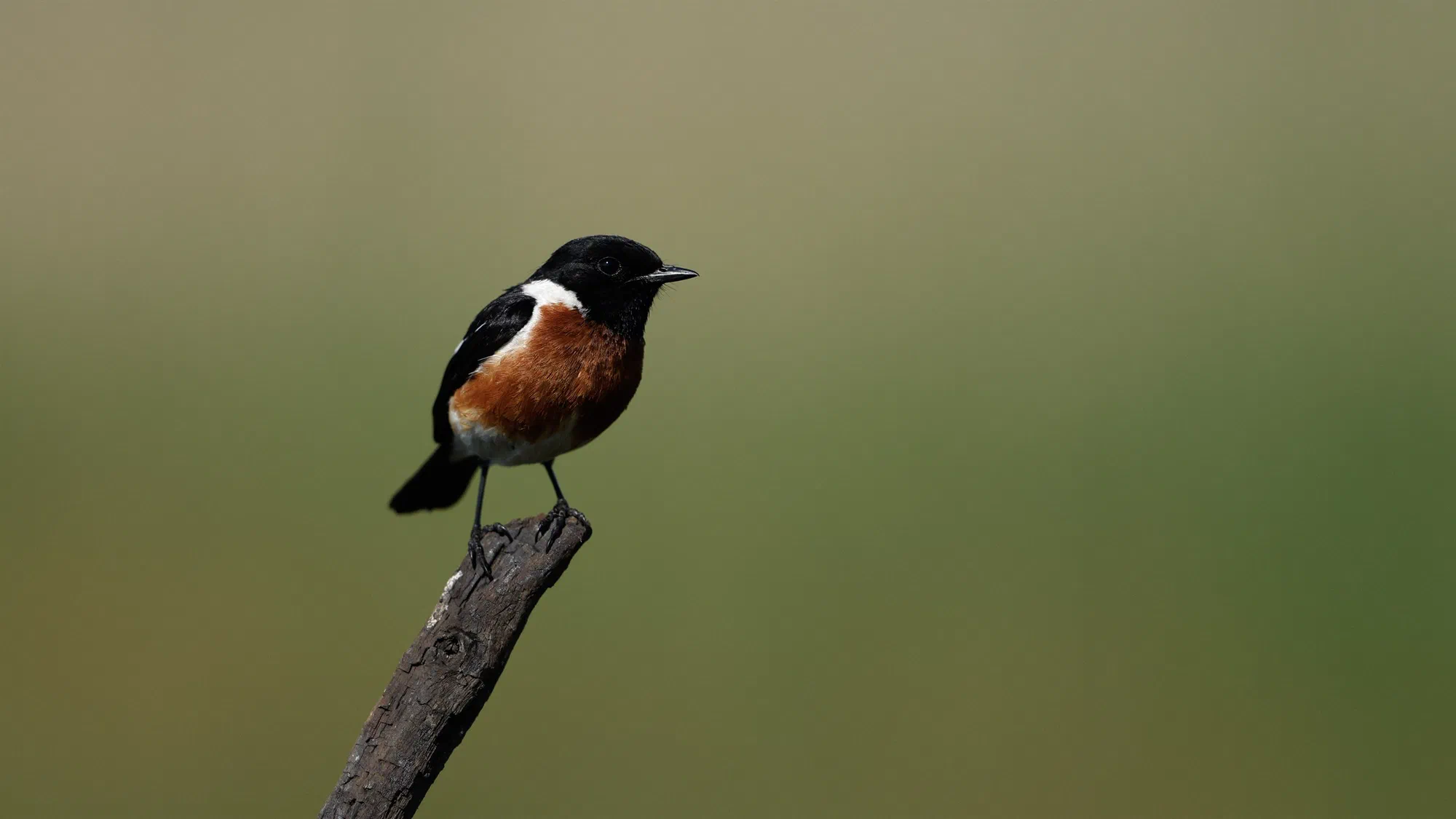
Marievale has recorded more than 280 species over the years. We bring a target list, but water levels, season, weather and migration decide what is there on the day, and for us that uncertainty is part of the attraction.