
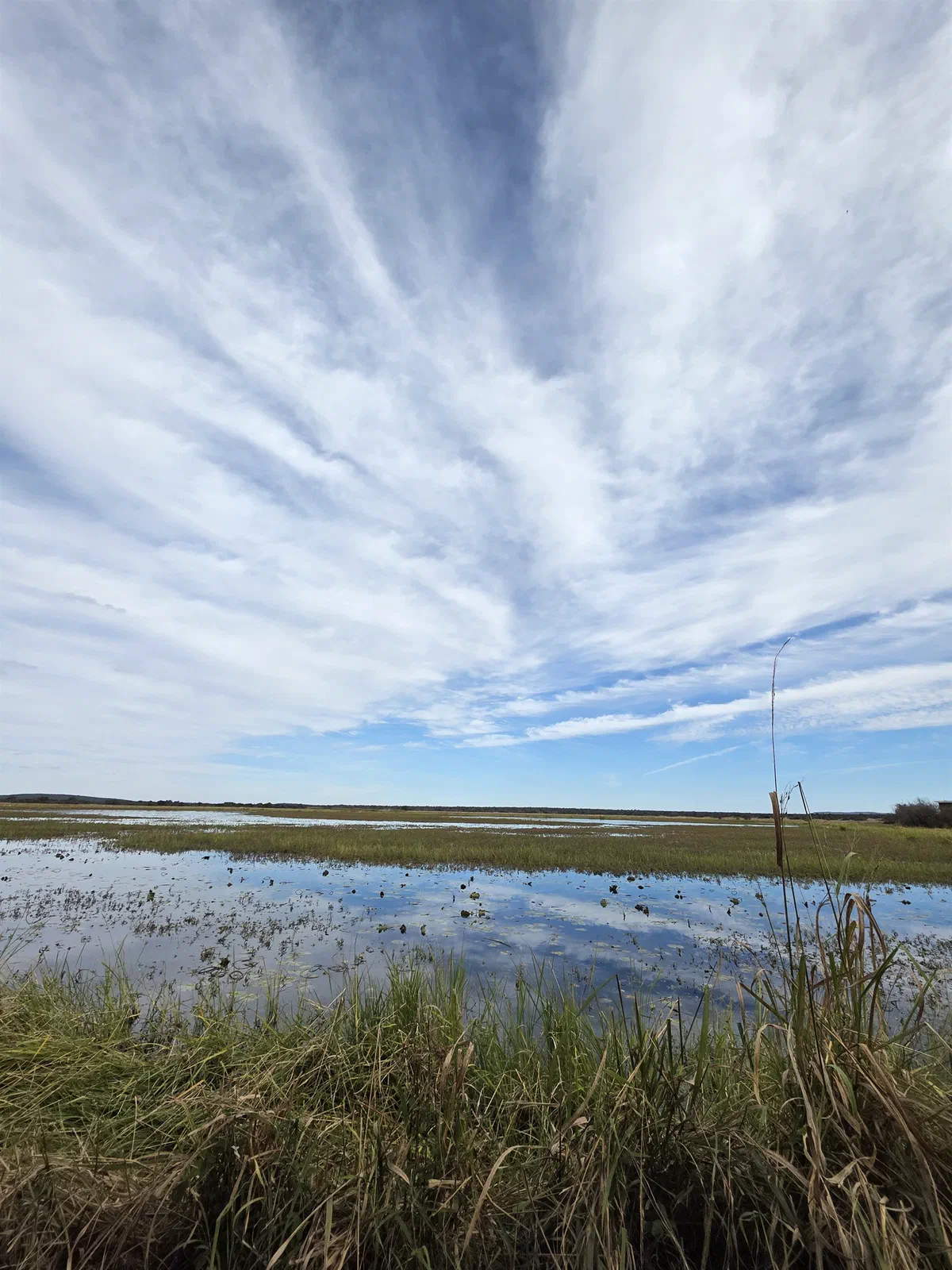
Nylsvley is one of South Africa’s great birding destinations. The reserve protects part of the Nyl River floodplain near Mookgophong in Limpopo, the largest inland floodplain in the country and a Ramsar wetland of international importance. More than 400 bird species have been recorded on and around the floodplain, close to half of everything found in South Africa.
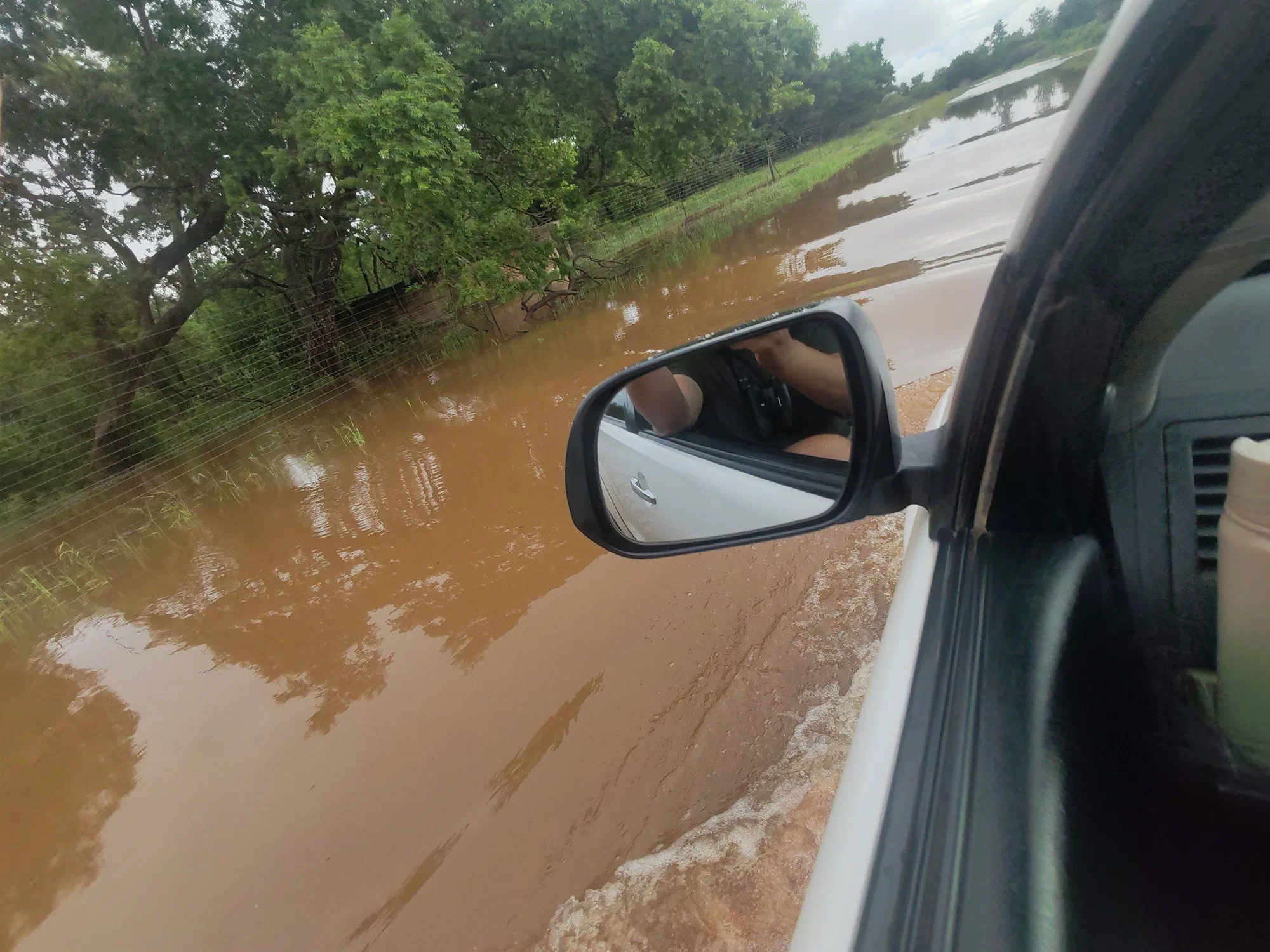
When the floodplain fills
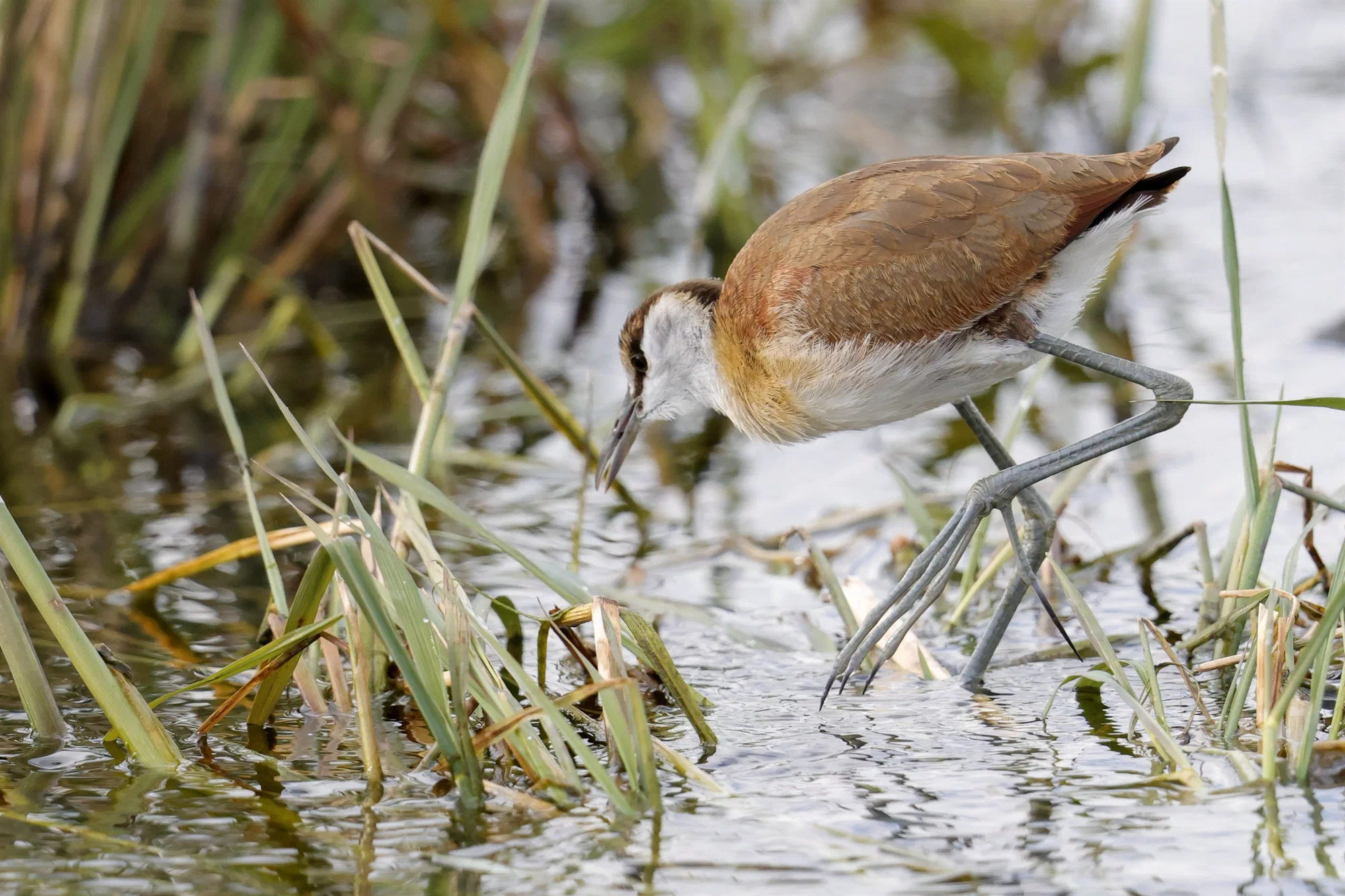
The floodplain only fills properly every few years, after good summer rains, and when it does the area is transformed. Tens of thousands of waterbirds gather, and Nylsvley holds some of the country’s largest breeding colonies of Great Egret, Black Heron, Squacco Heron and Black-crowned Night Heron. All three bitterns (Great, Little and Dwarf) breed here, and wet years bring the secretive specials: Striped Crake, Lesser Moorhen and Allen’s Gallinule. Up to 15 species of duck and goose have been recorded, including African Pygmy Goose, White-backed Duck, Fulvous Whistling Duck and Knob-billed Duck.
The hides and raised dykes at Vogelfontein are often the highlight, giving views over the flooded grassland where waterbirds, storks and raptors gather.
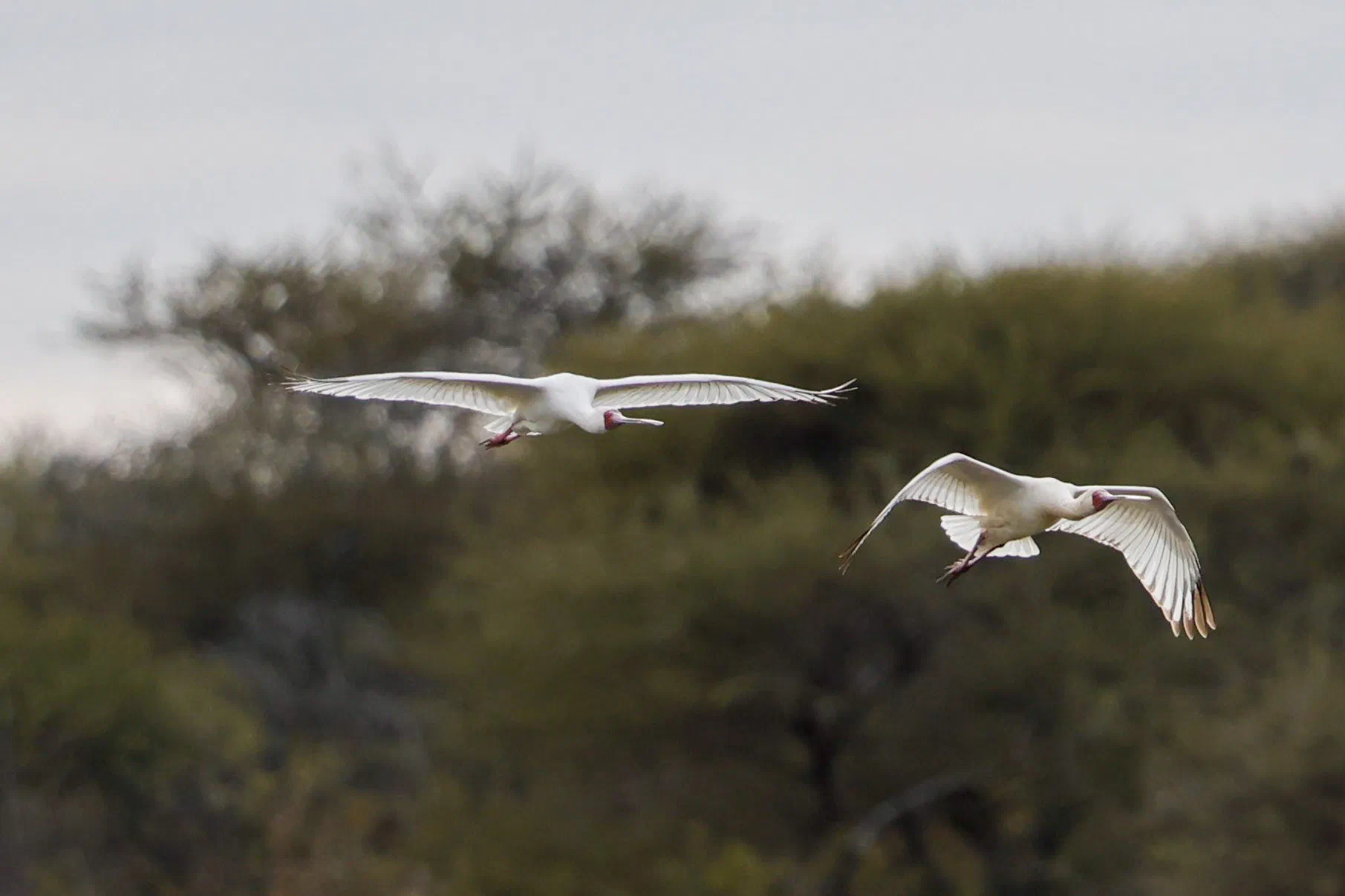
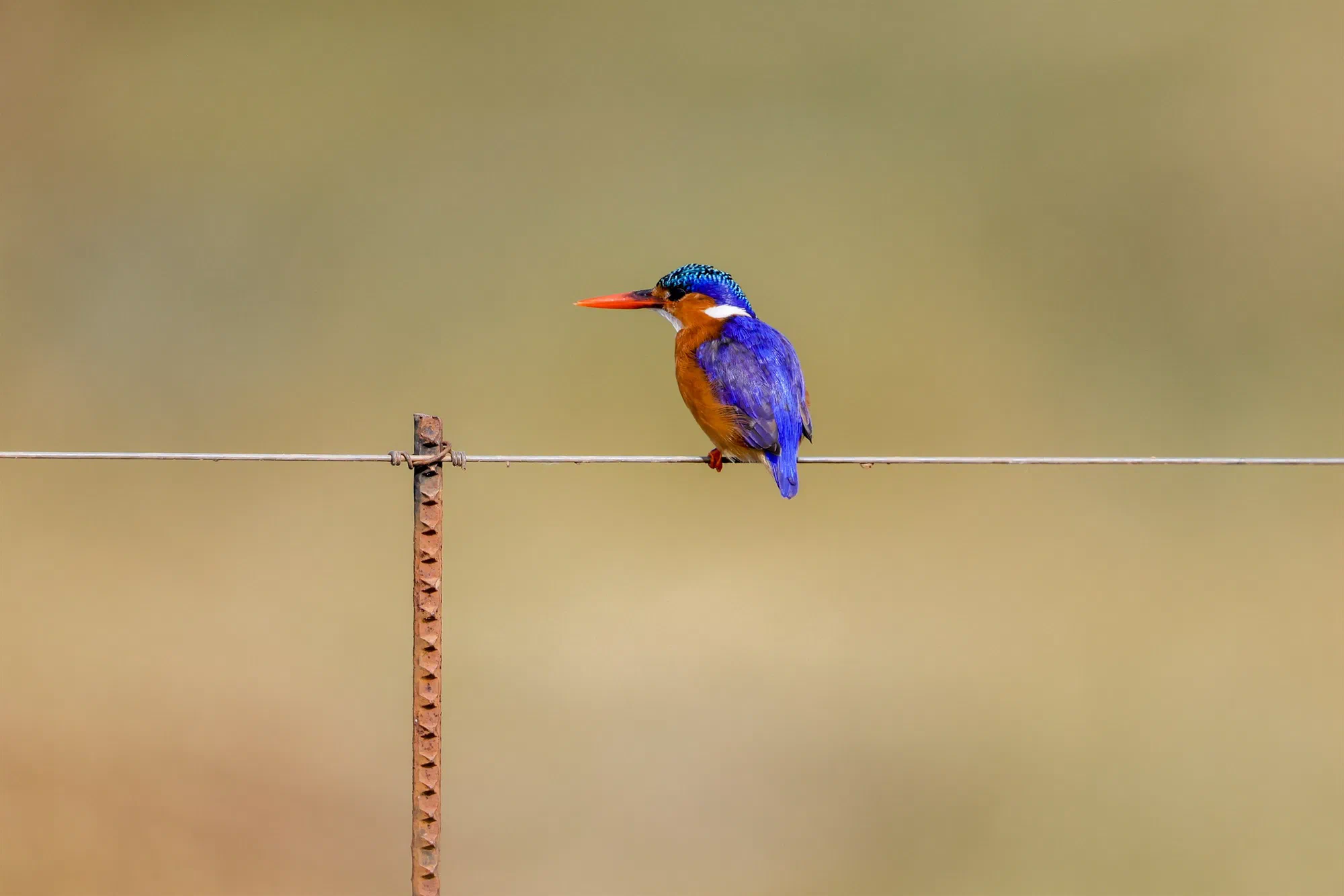
The bushveld, wet or dry
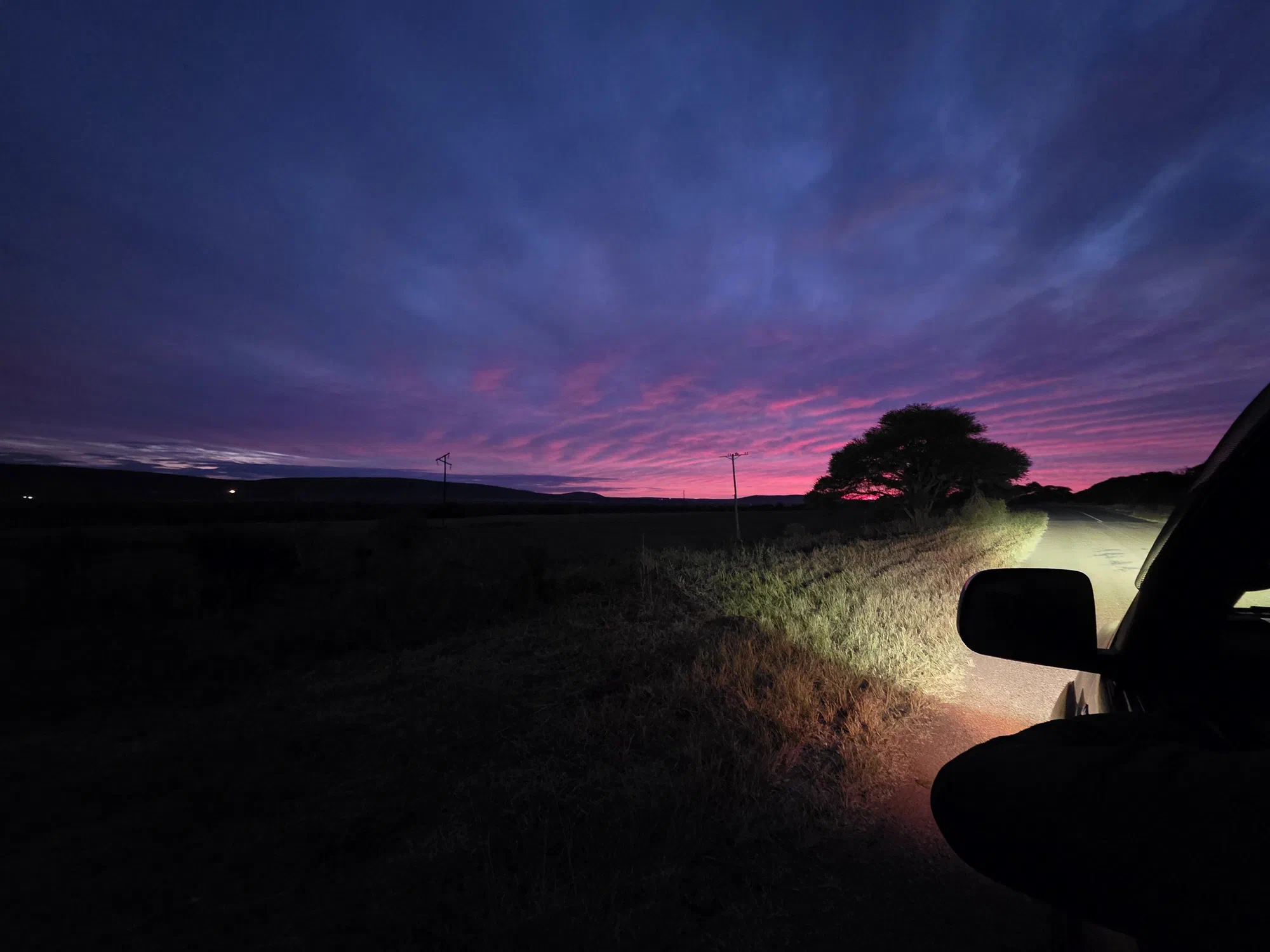
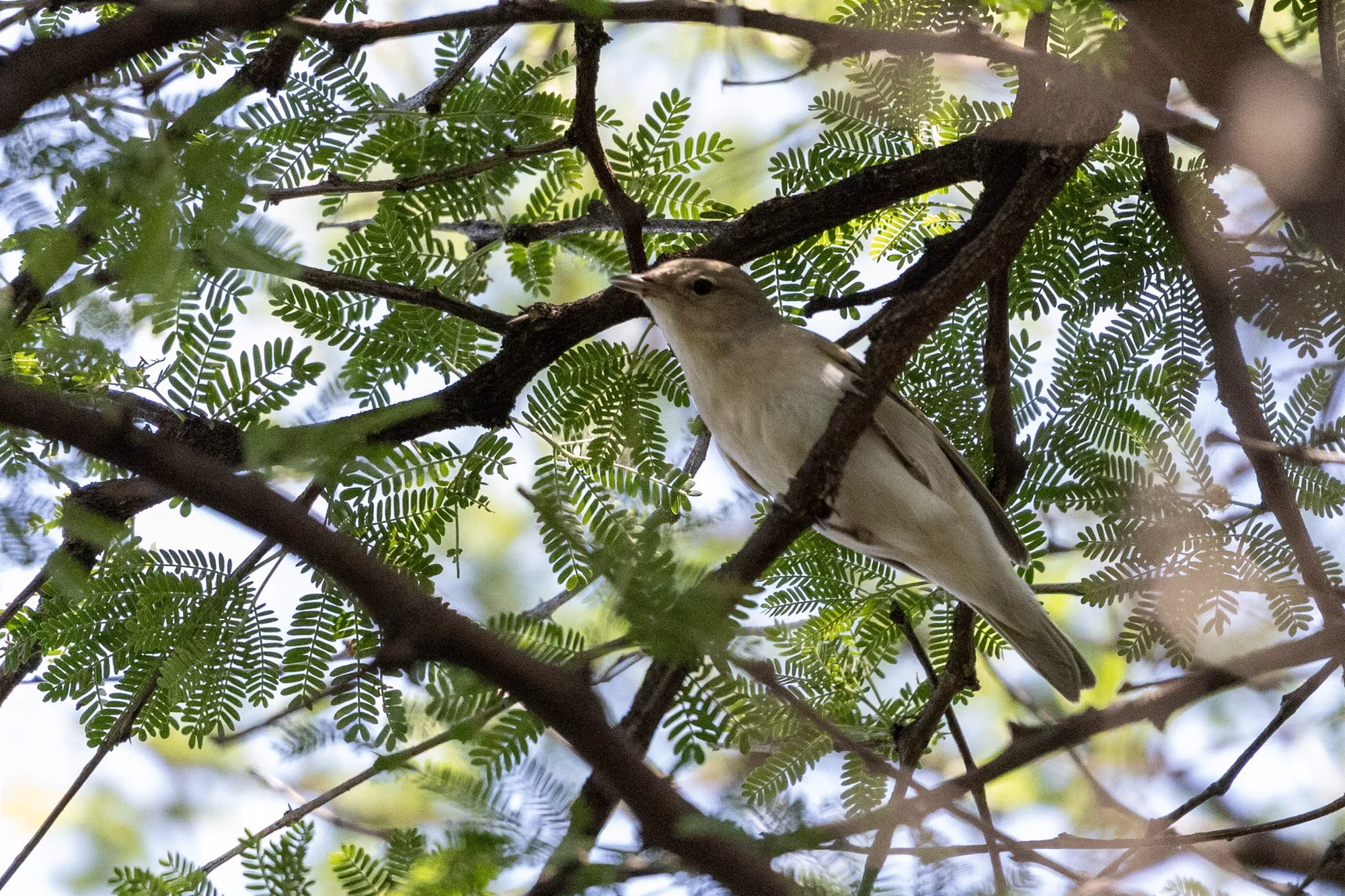
Even in dry years Nylsvley is well worth the trip. The thornveld and bushveld around the floodplain are rich in birds, with Bushveld Pipit and Tinkling Cisticola among the specials, woodpeckers, shrikes and bee-eaters along the edges, and as many as seven species of owl in the area. That is why we offer it all year round: when the vlei is dry we work the bushveld, and when it floods we have the best of both.
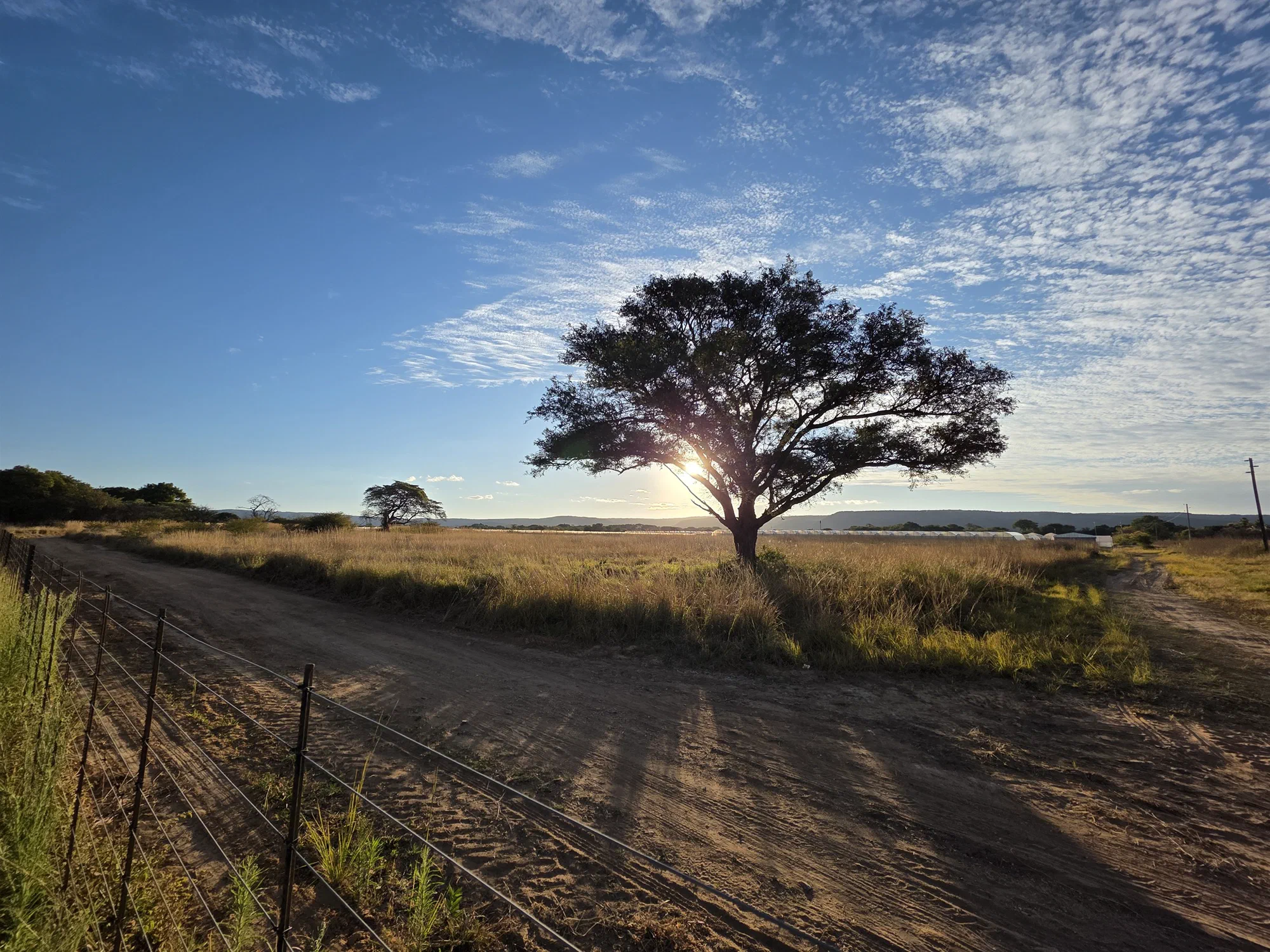
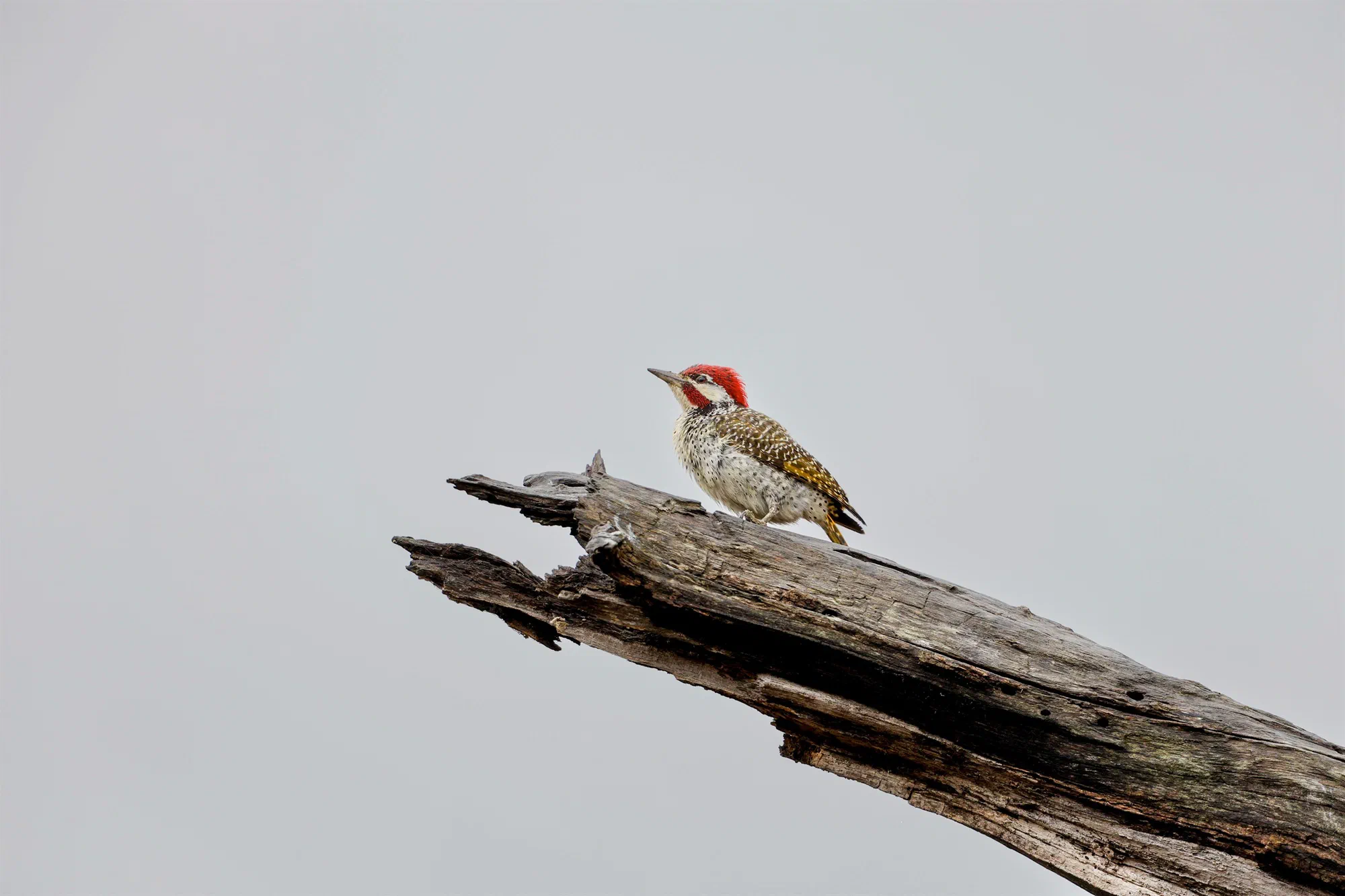
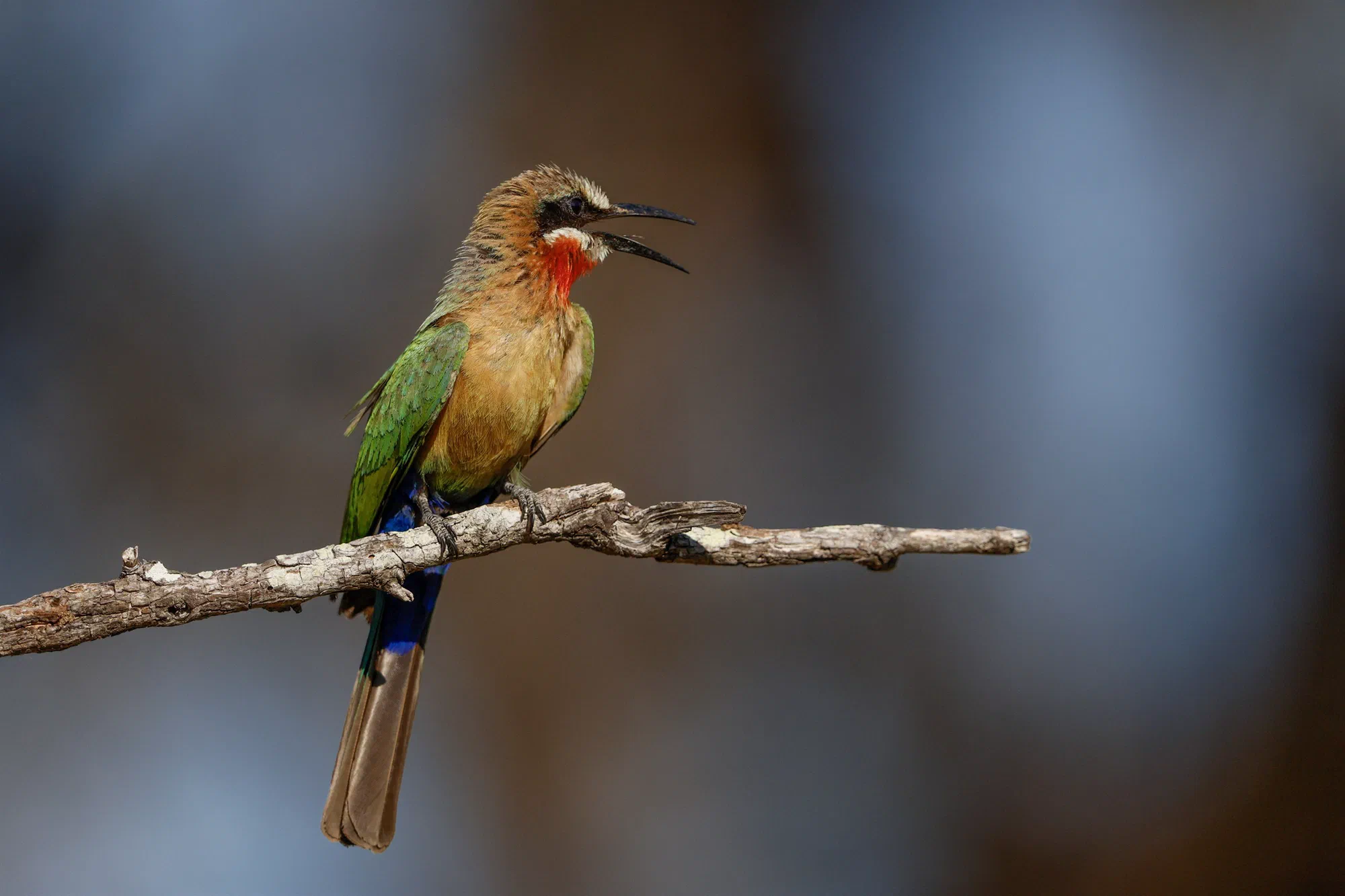
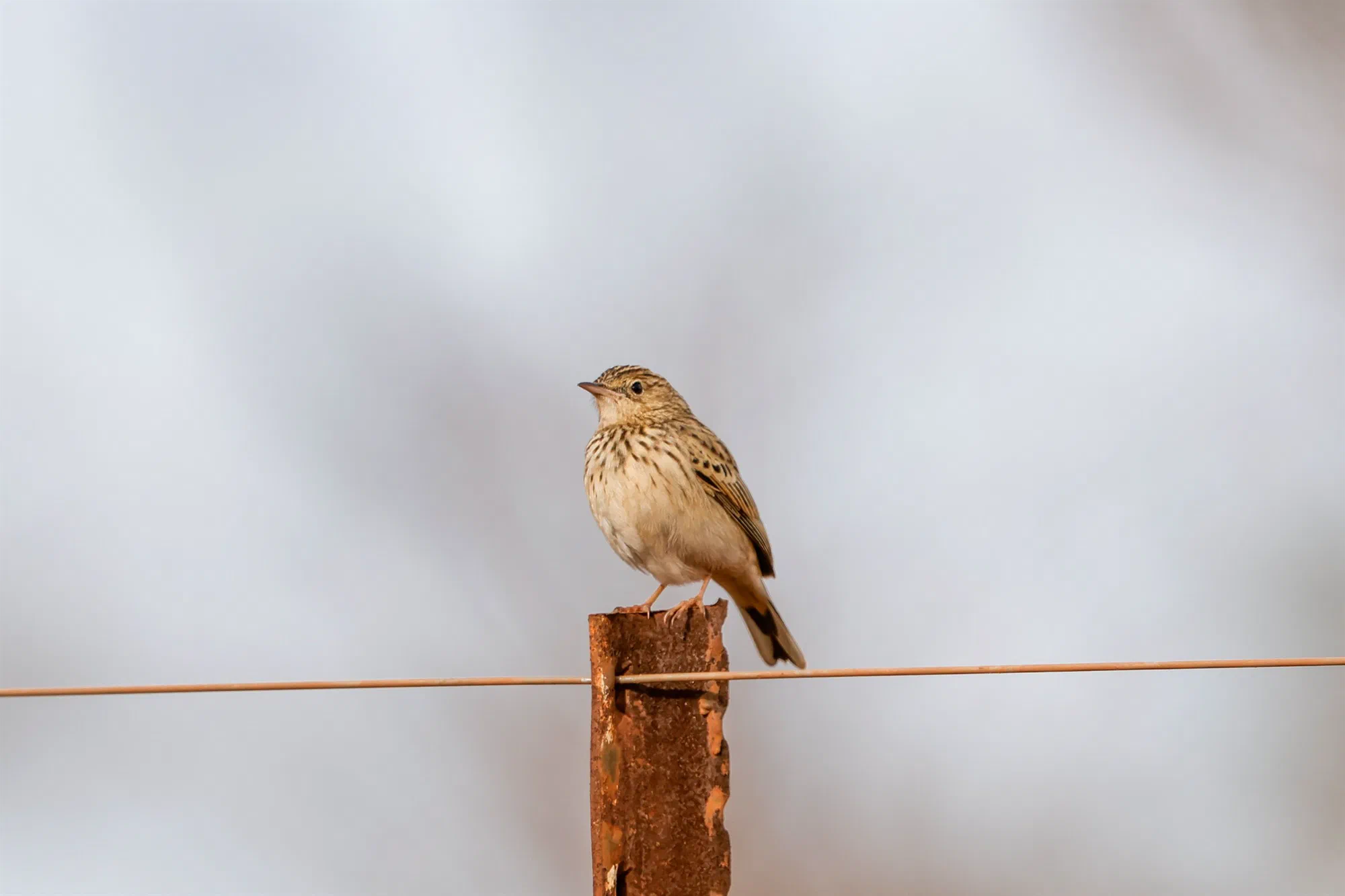
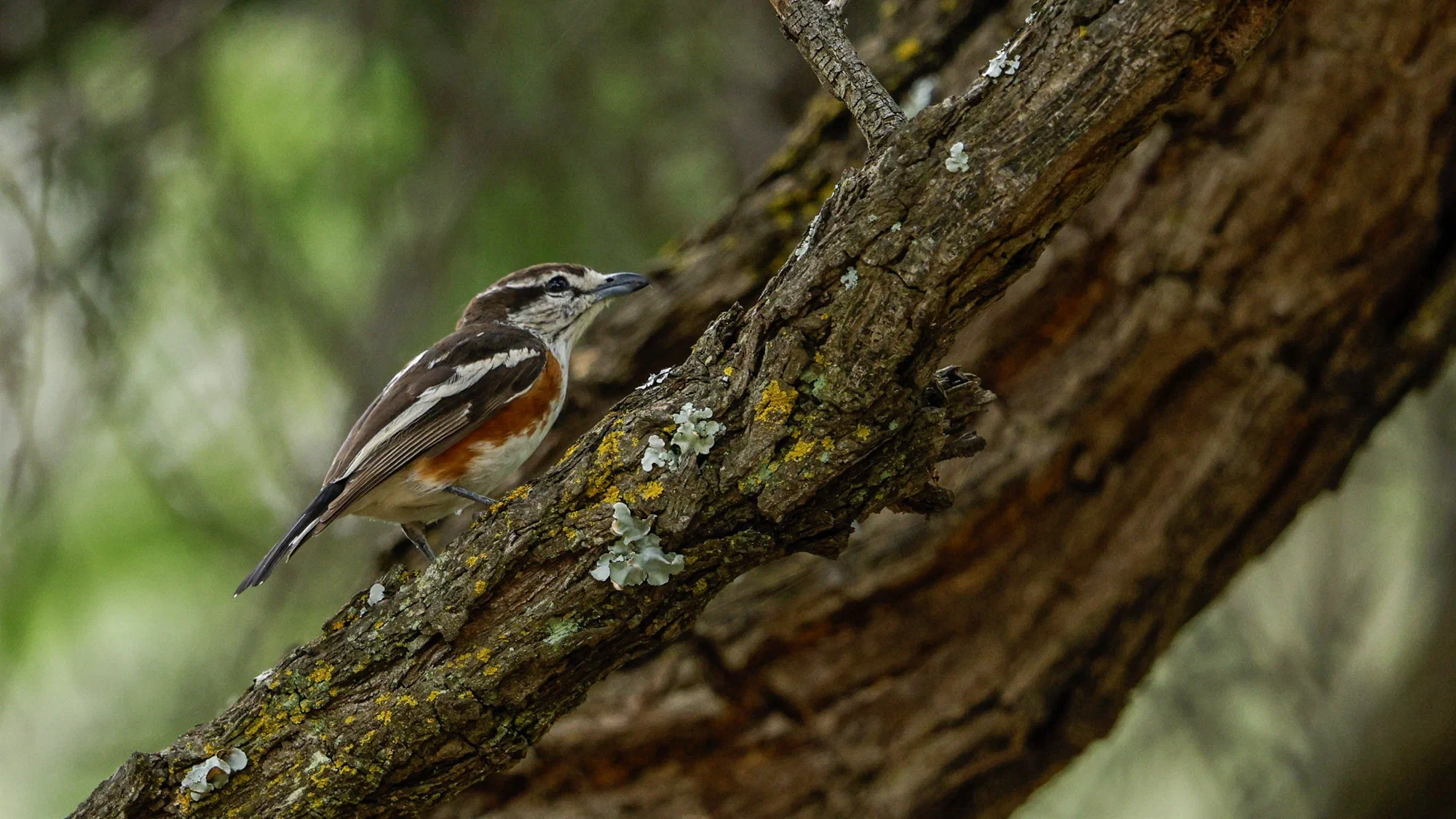
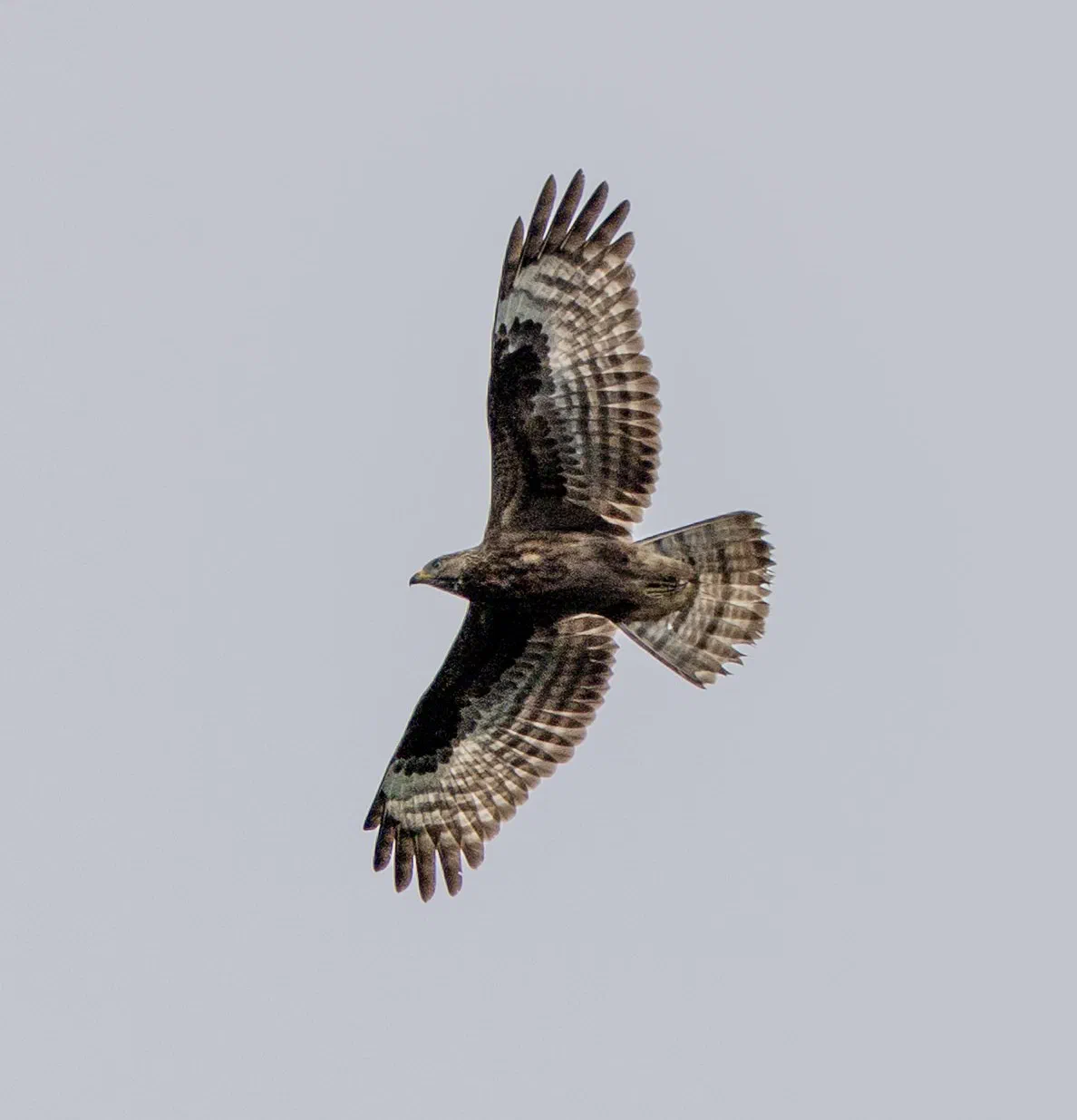
A floodplain that changes with every rain, and bushveld that never disappoints.