
Mkhombo Dam lies in the far north-western corner of Mpumalanga, on the Elands River, a little over an hour’s drive north of Pretoria. The nature reserve around it covers some 11,000 hectares of Kalahari-style thornveld, open grassland and seasonal wetland, and it is one of the most rewarding, and least visited, birding spots within reach of Gauteng.
A dam that changes with the rain
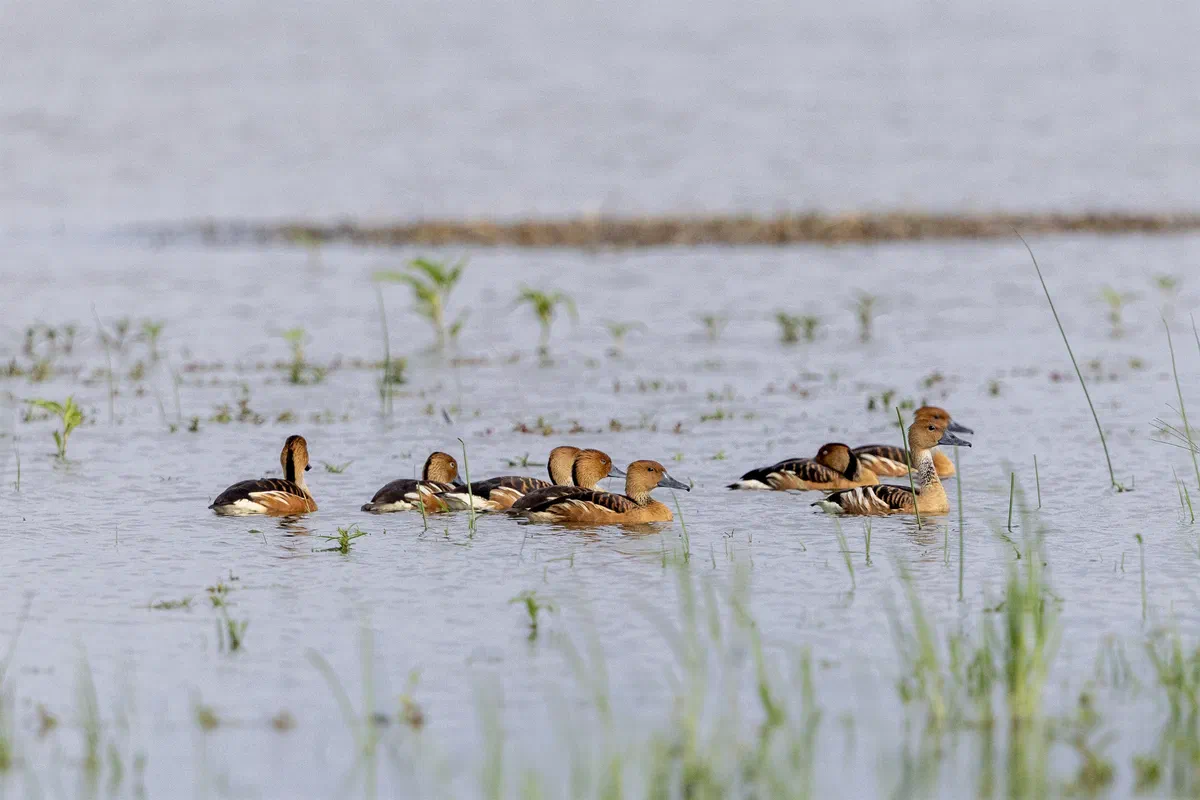
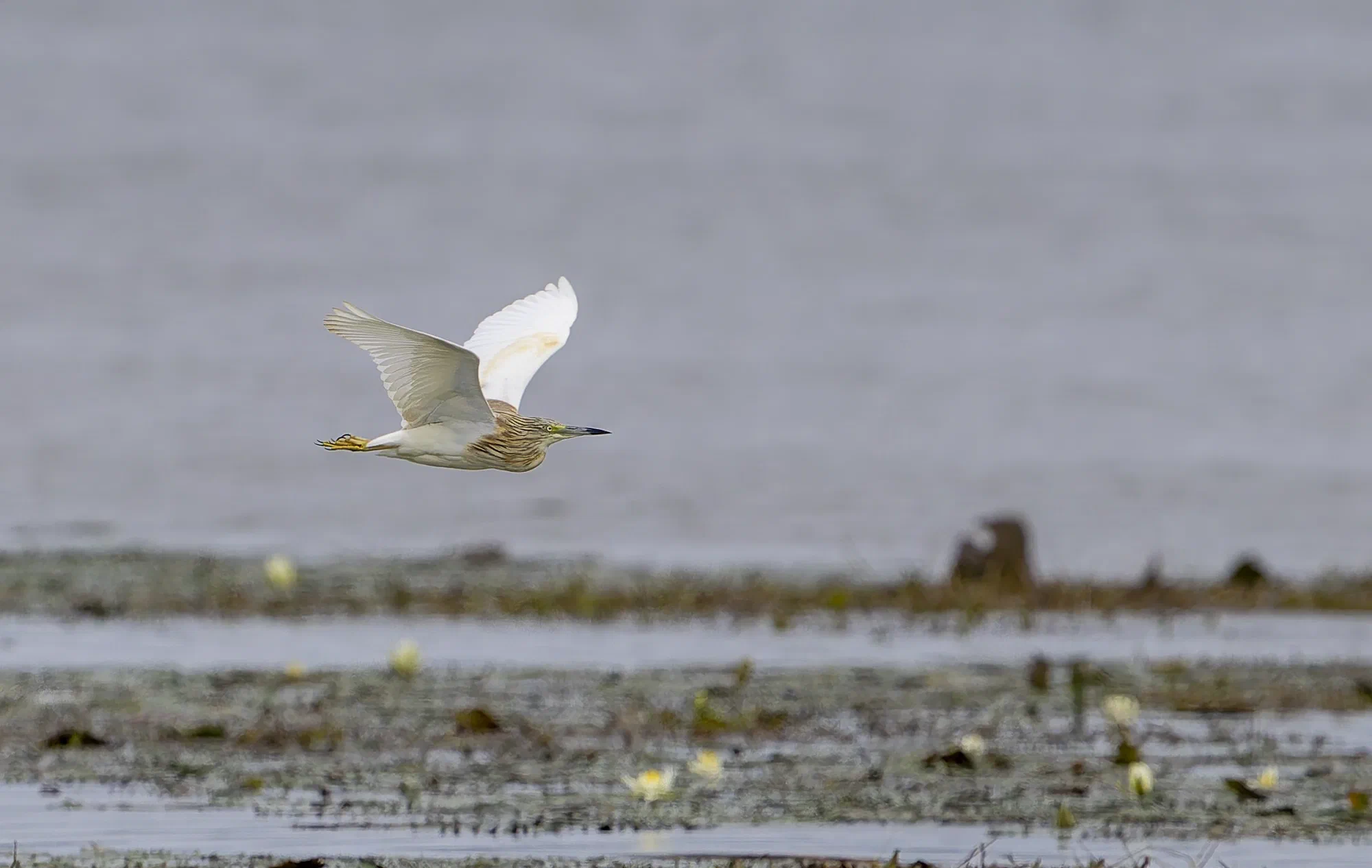
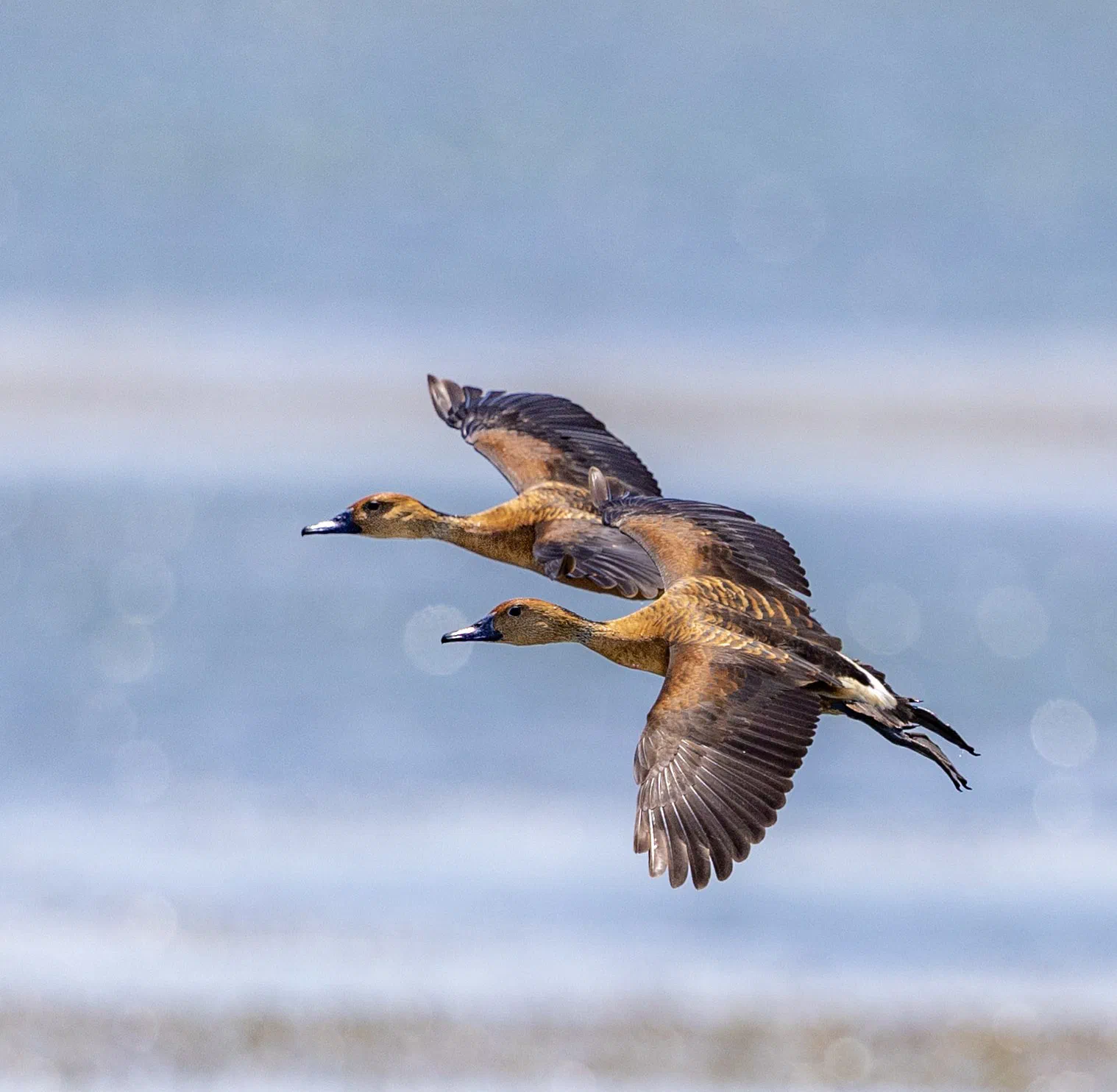
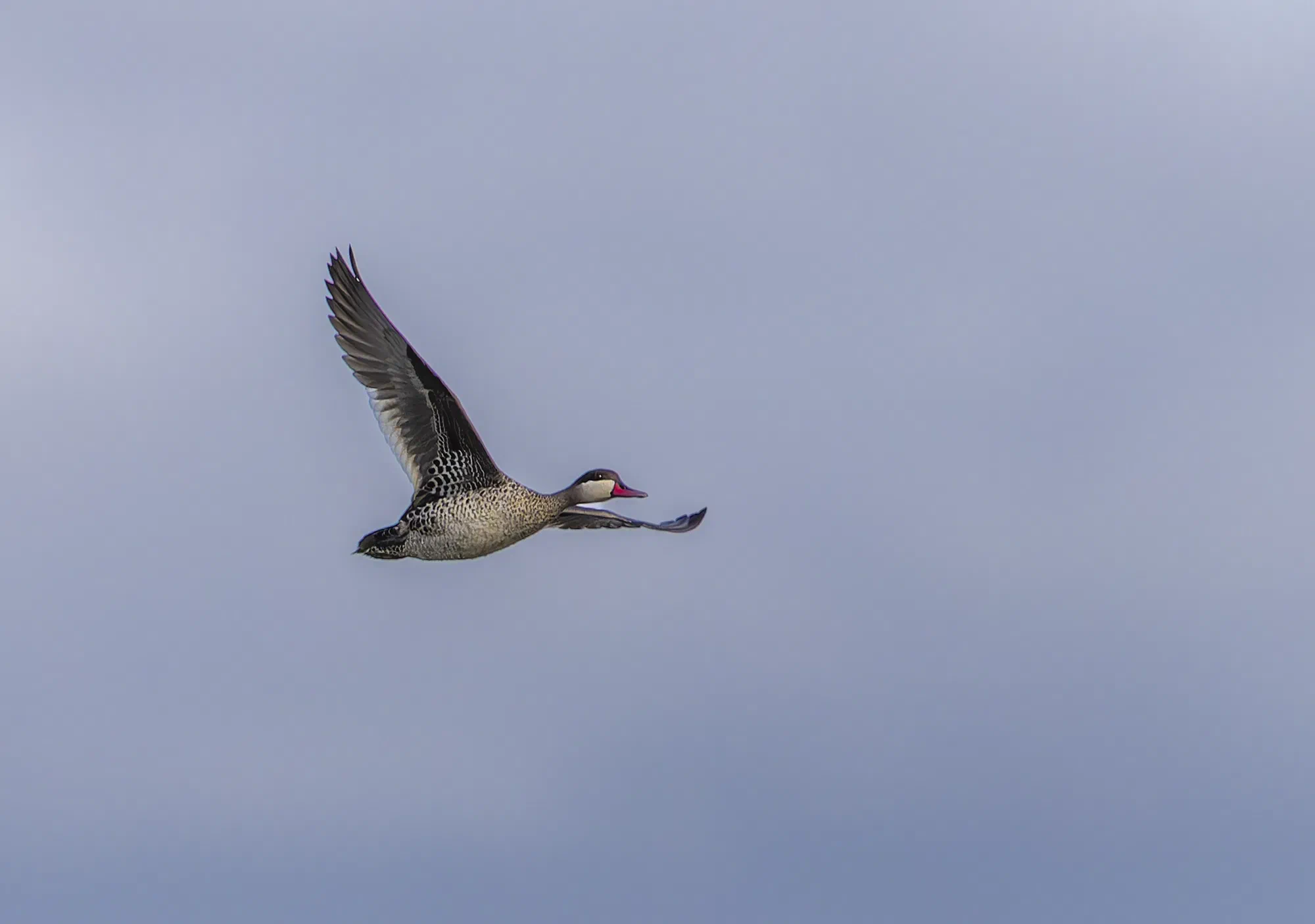
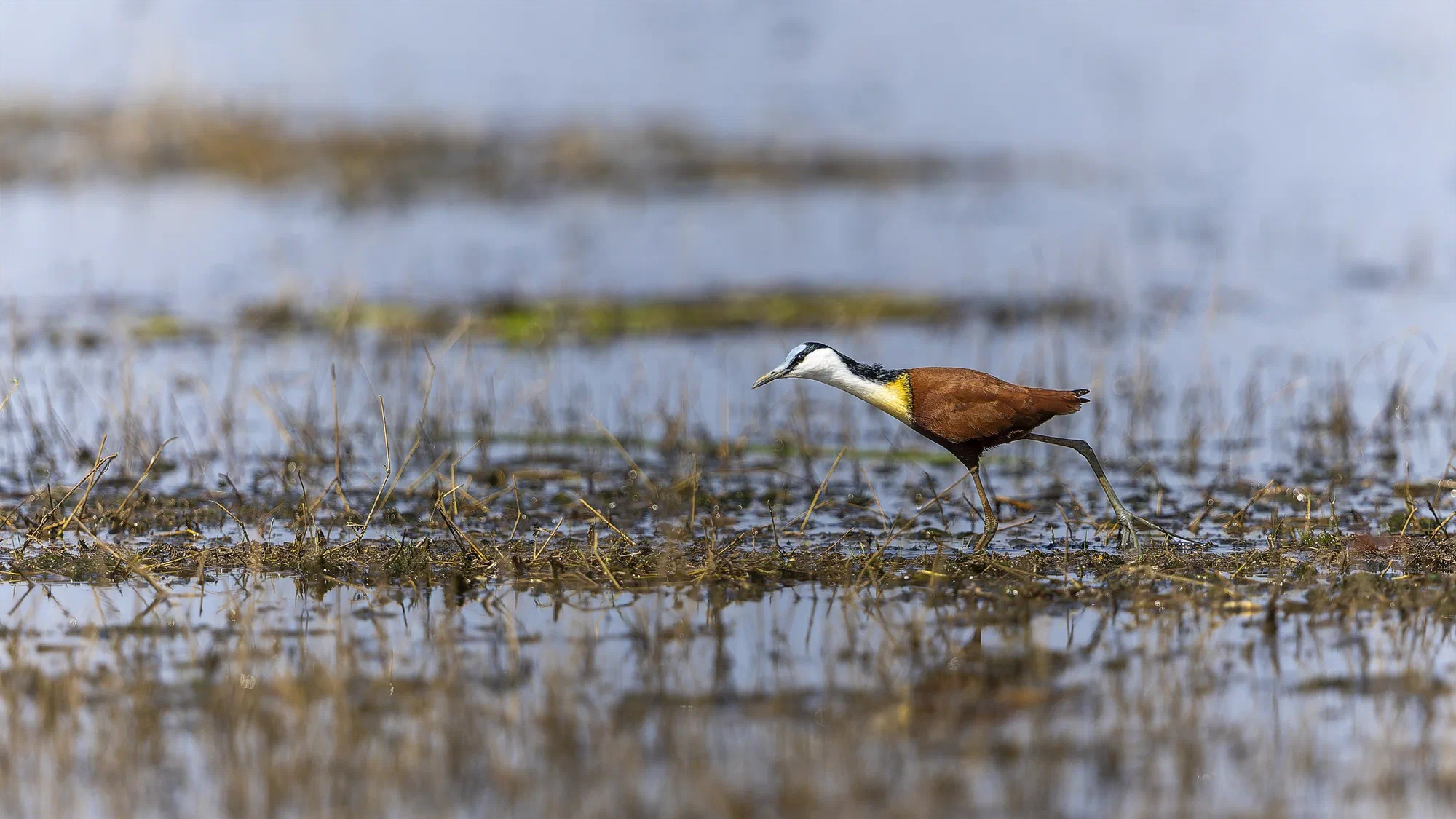
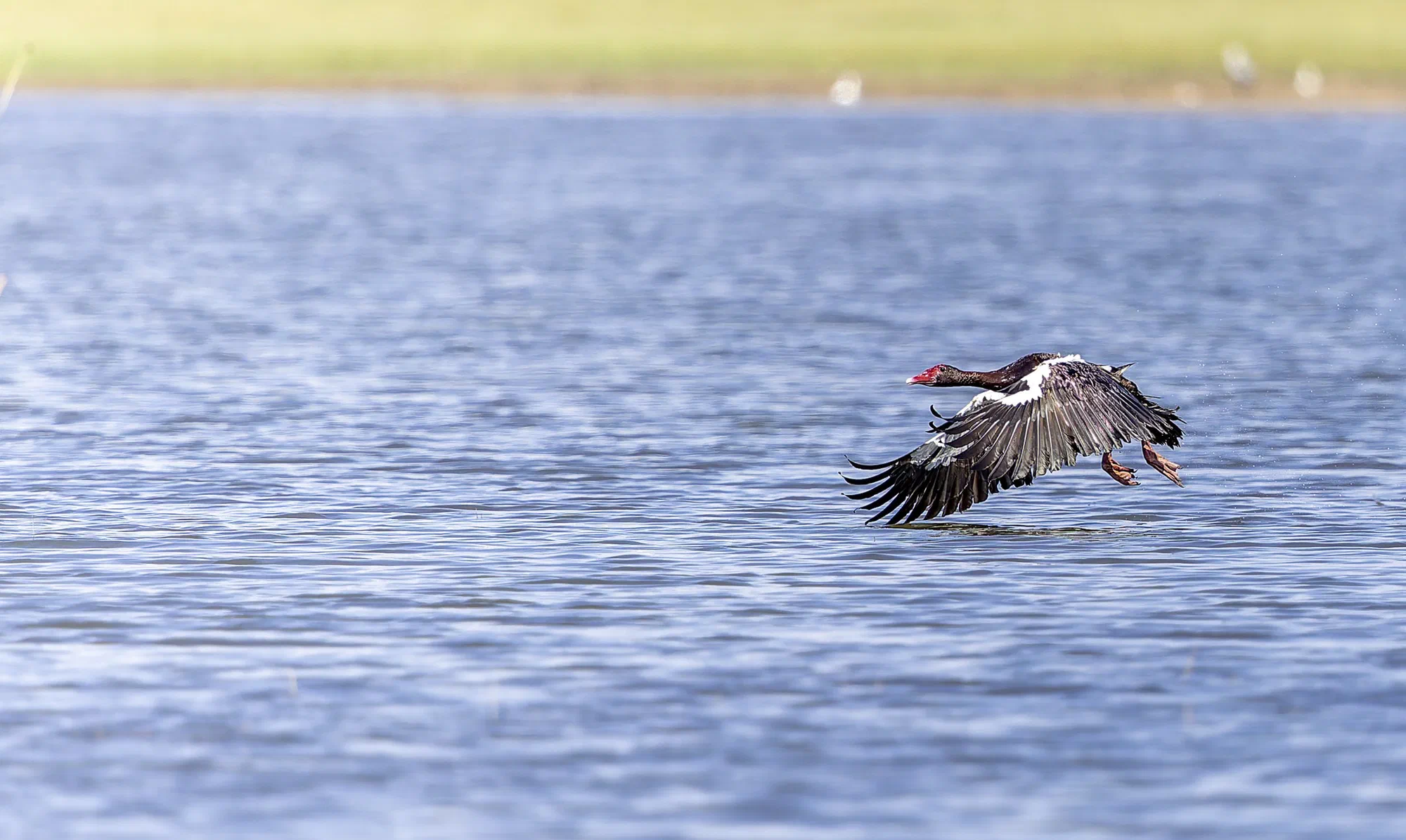
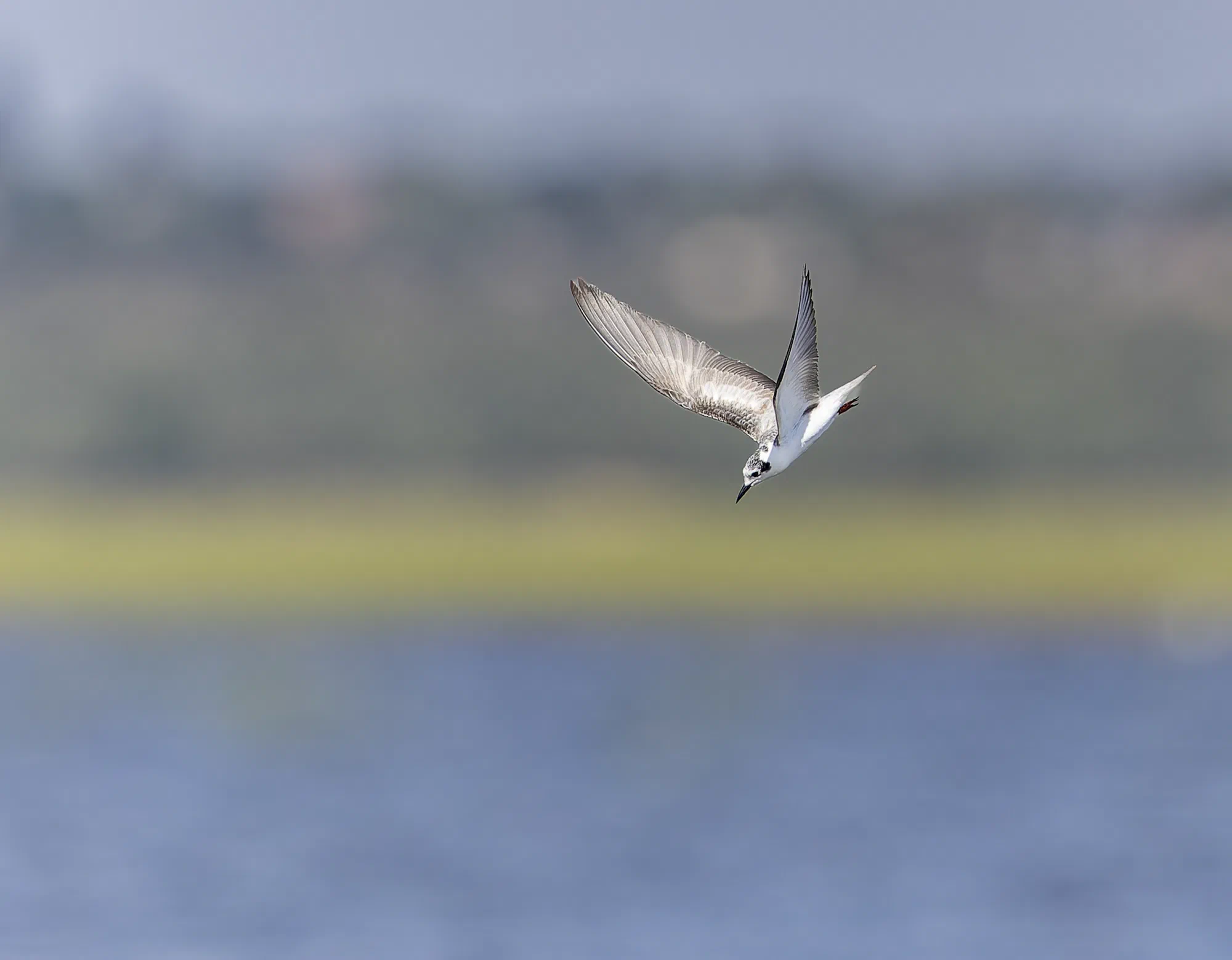
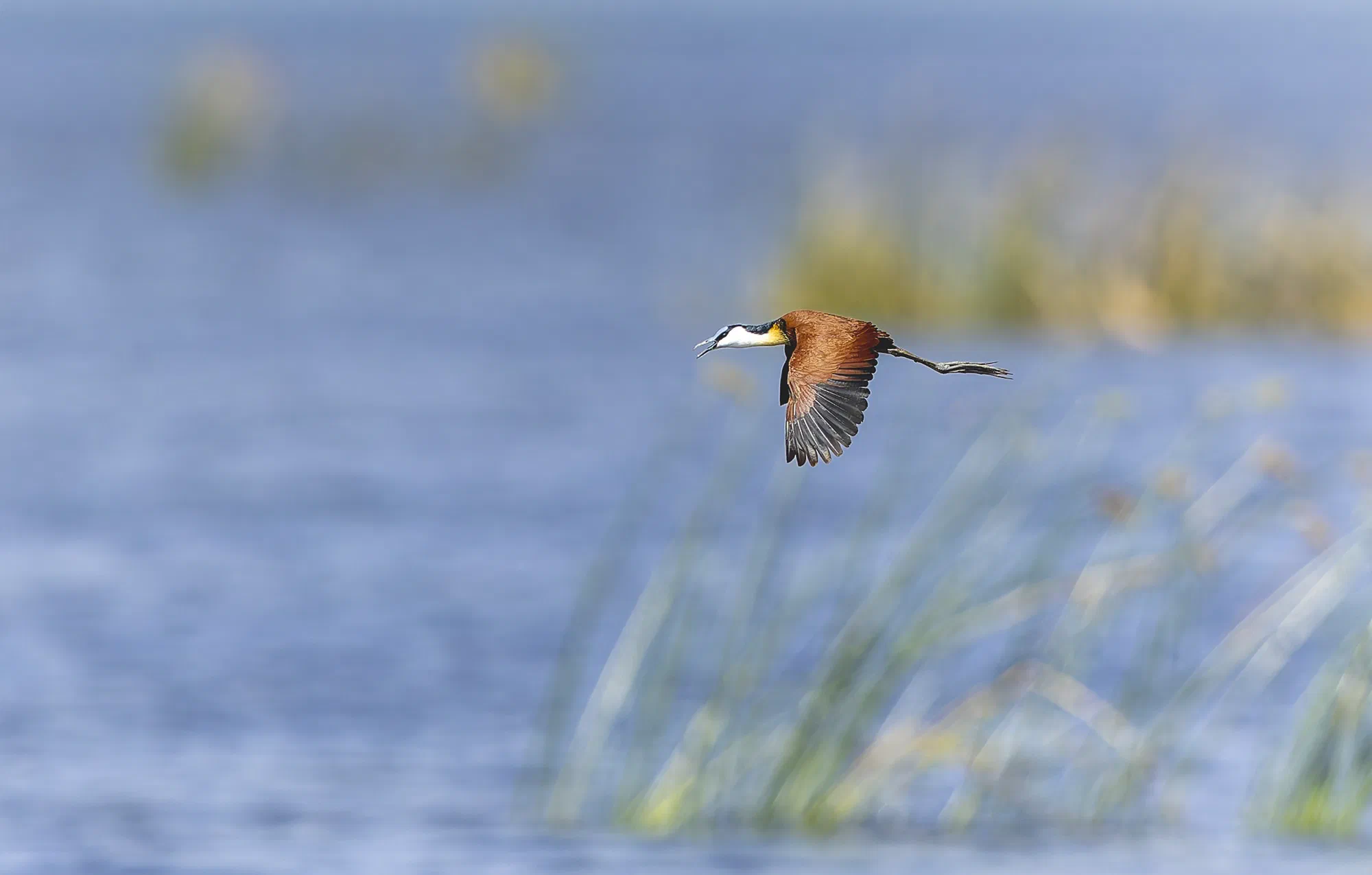
The water level decides what kind of day it will be. When the dam is full, the shoreline becomes a maze of reedbeds, flooded grassland and shallow pools, and the ducks can number in the hundreds: White-faced and Fulvous Whistling Ducks, Knob-billed Duck, Blue-billed and Red-billed Teal. Goliath, Black, Squacco and Purple Herons work the edges, with Glossy Ibis, African Spoonbill, Greater Flamingo and Great Crested Grebe out on the water.
Waders and rarities
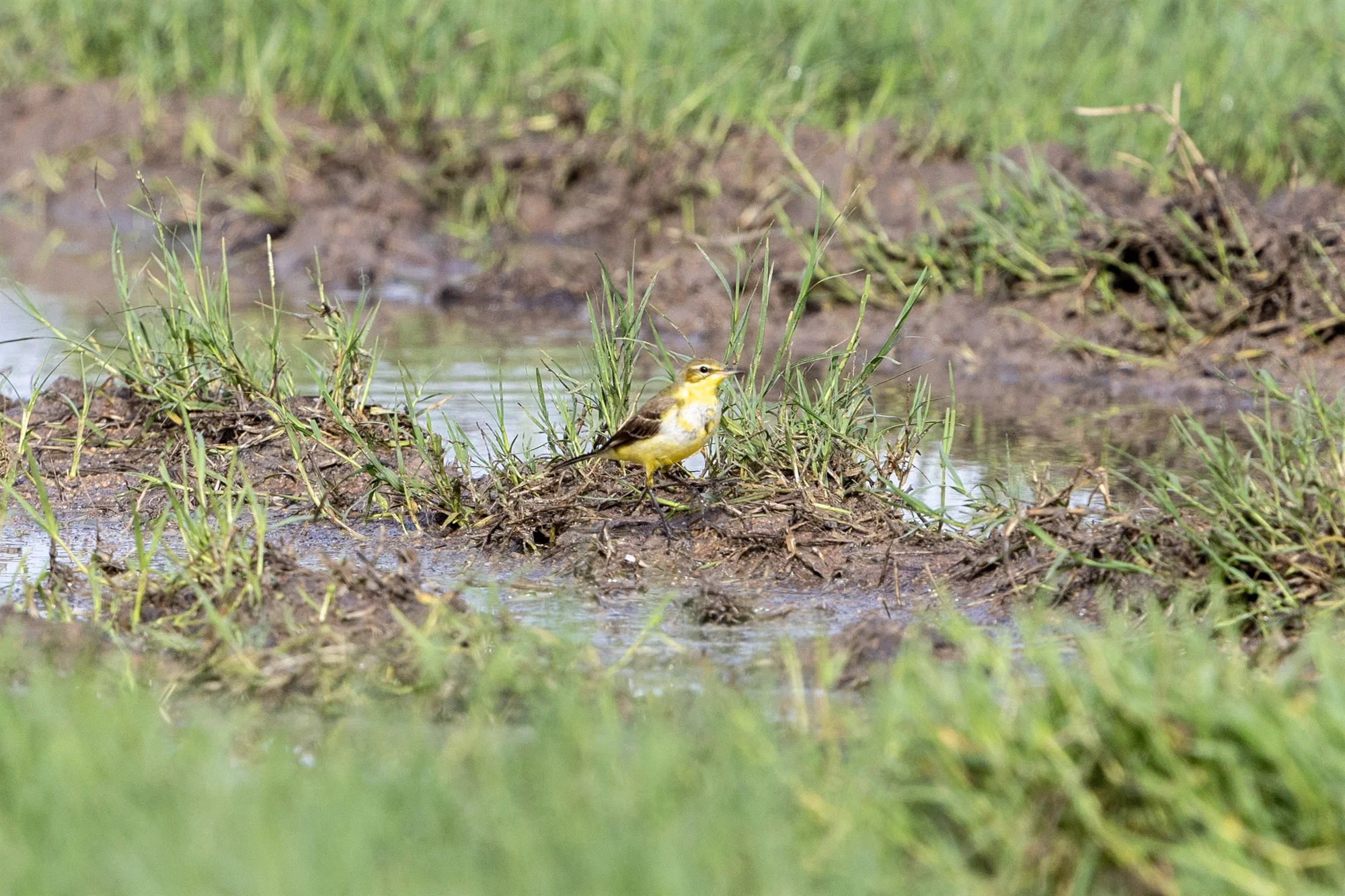
As the water drops, wide mudflats open up, and that is when the waders arrive. In summer, roughly October to March, the mud and shallow margins fill with migrant waders: Ruff, Wood, Marsh and Curlew Sandpipers, Little Stint, Common Greenshank, Pied Avocet, Black-winged Stilt, Kittlitz’s and Three-banded Plovers, and the secretive Greater Painted-snipe. In good years thousands of Black-winged and Collared Pratincoles gather on the flats, an unforgettable sight when the whole flock lifts at once. The southern shore, around Geddes Bay, has long been one of the best areas.
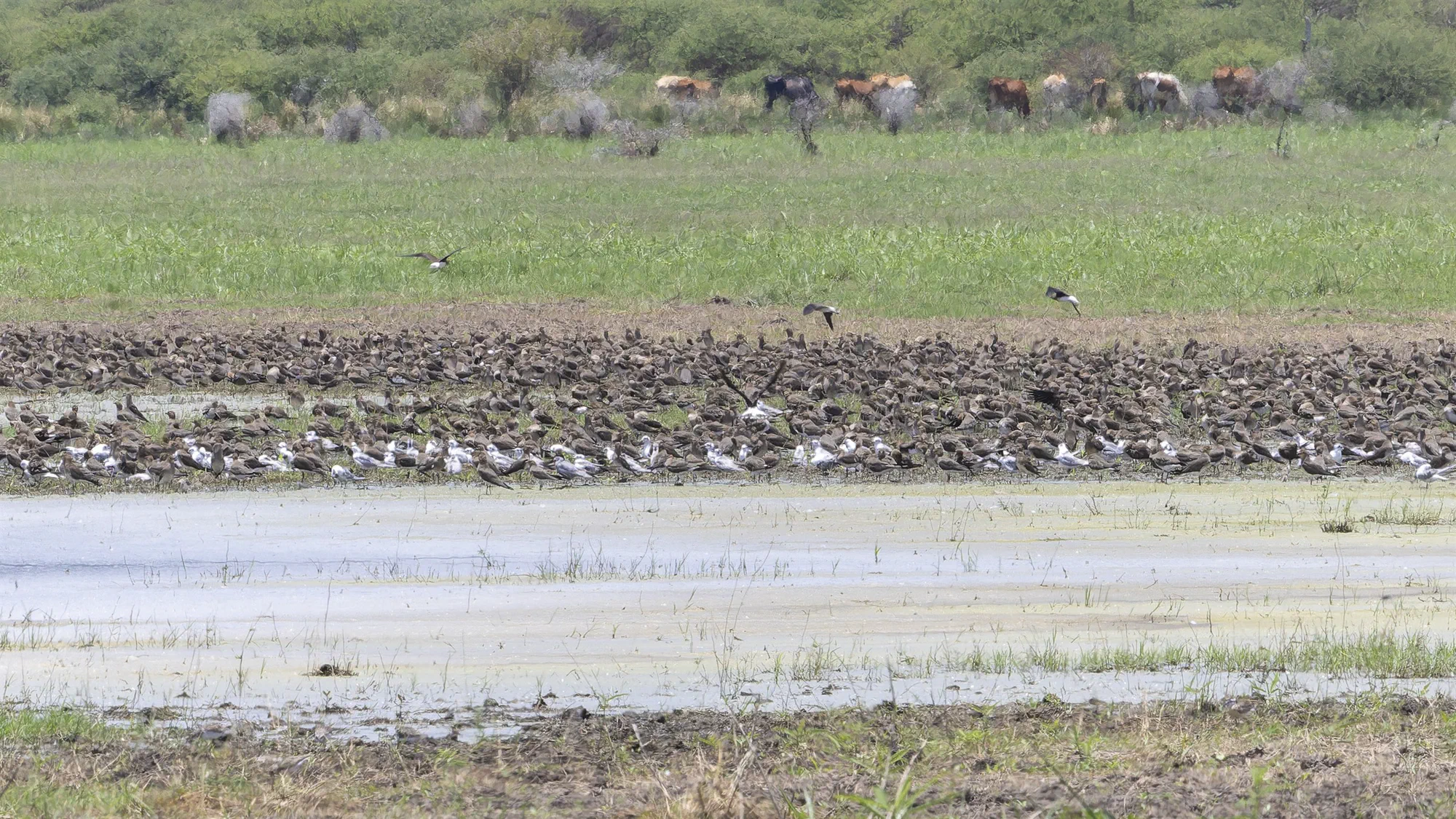
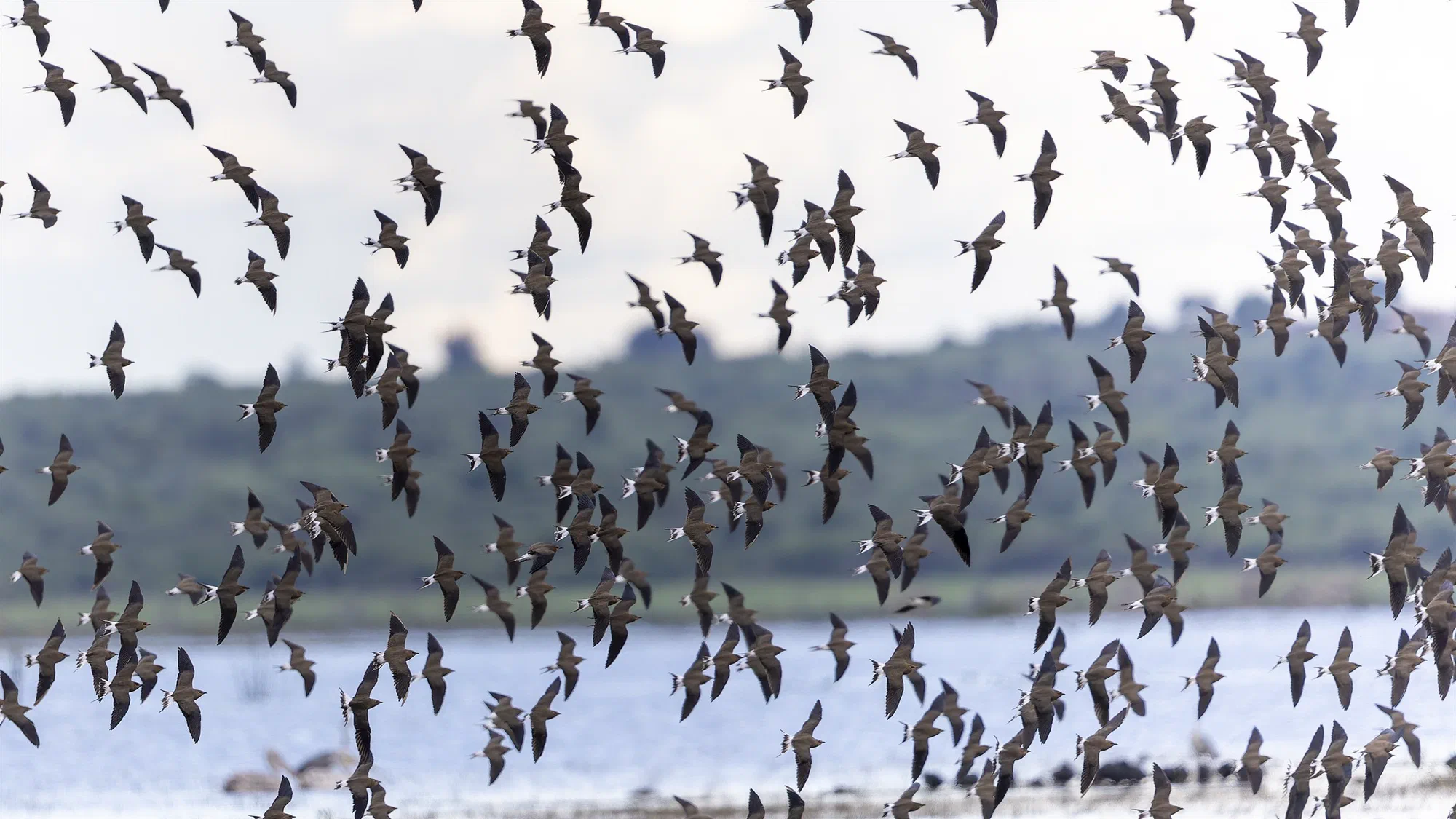
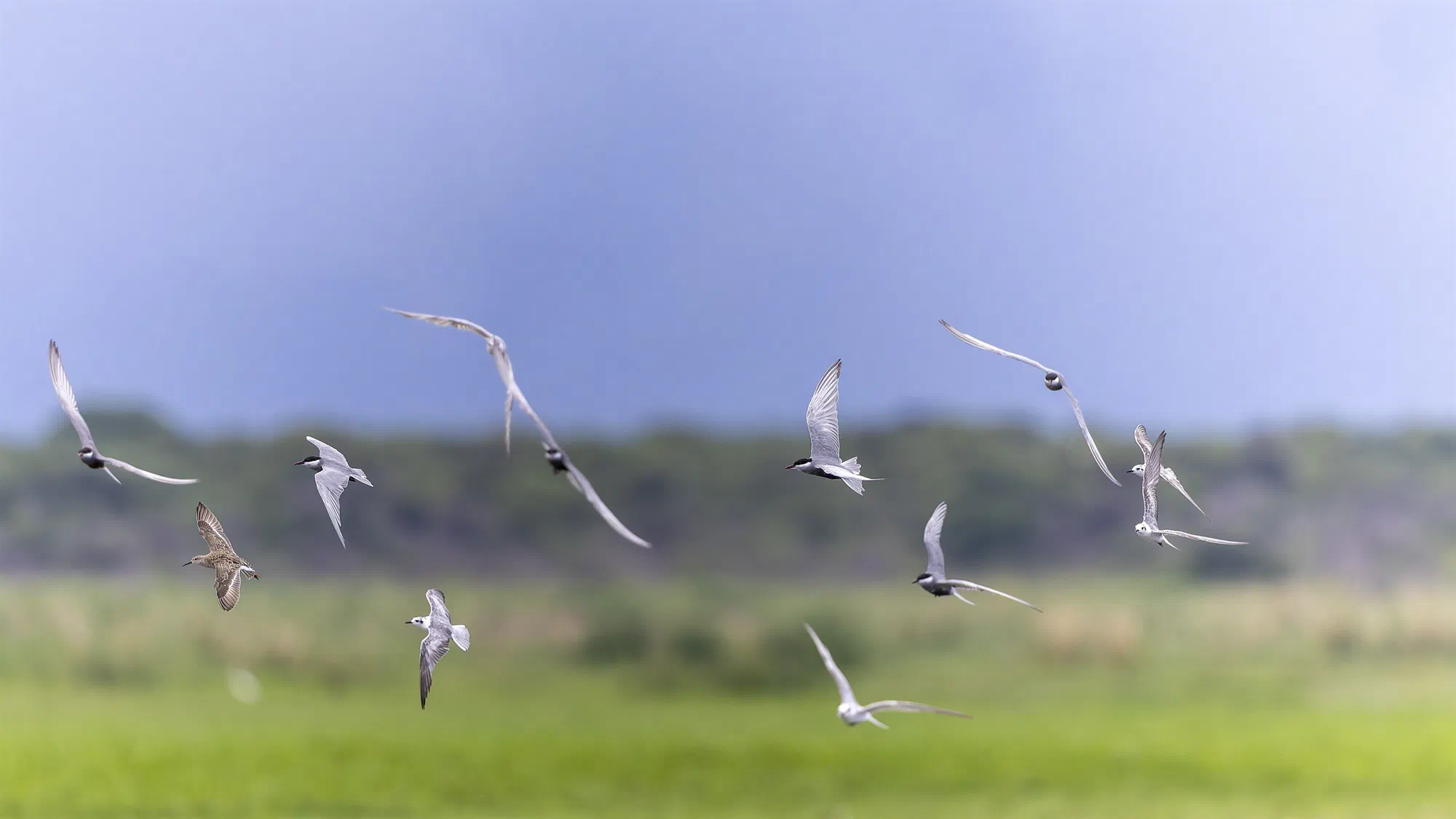
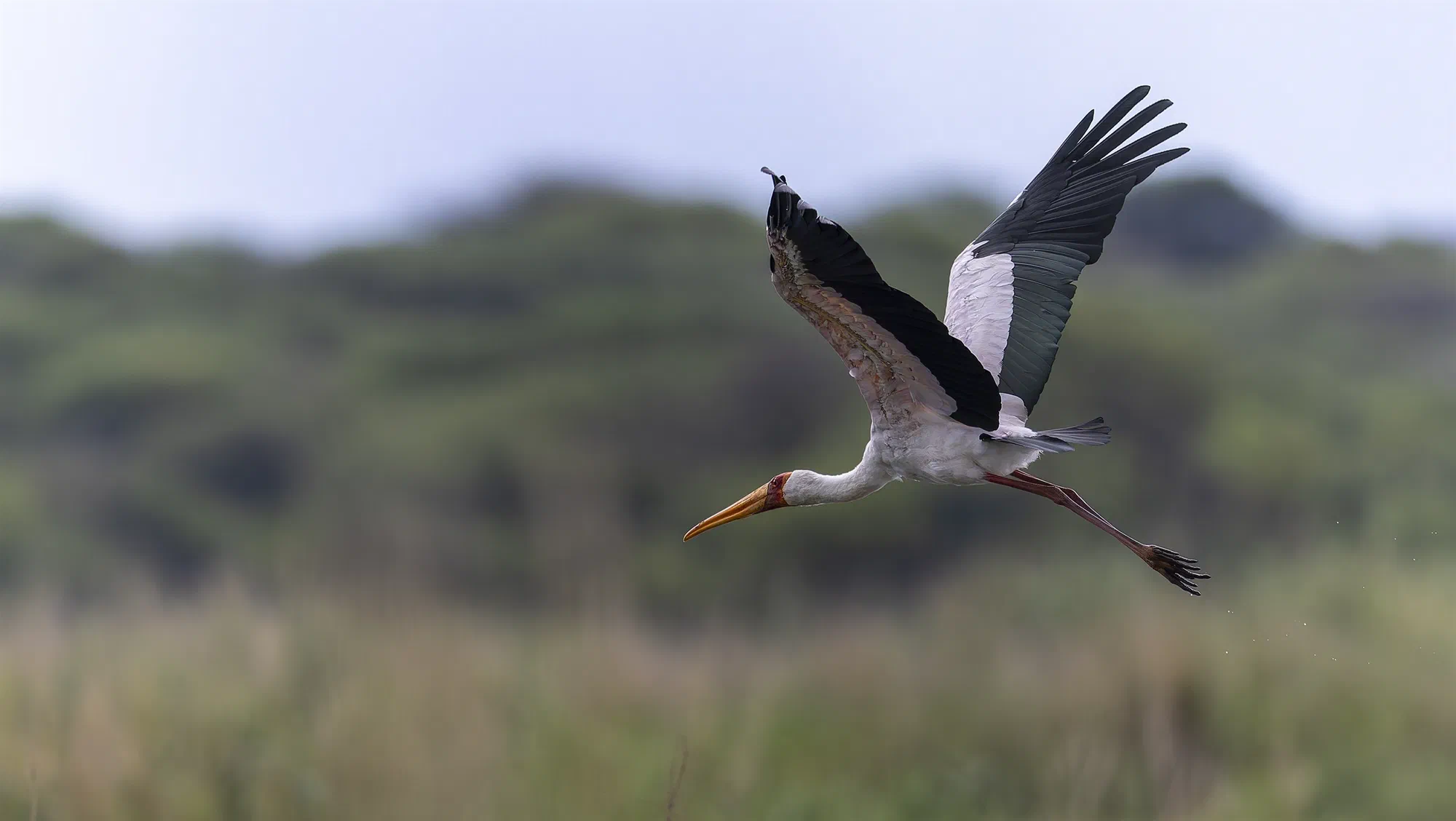
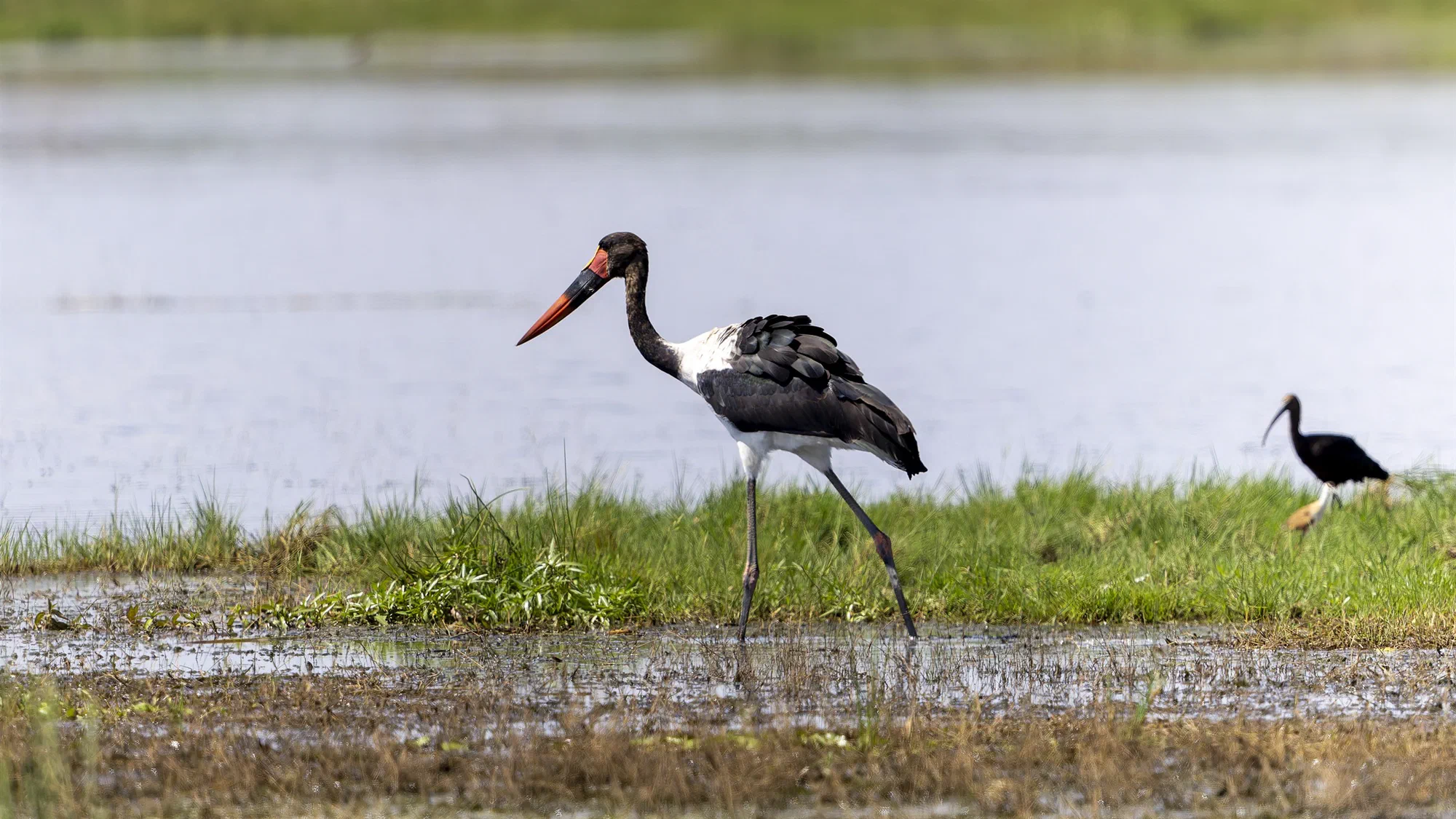
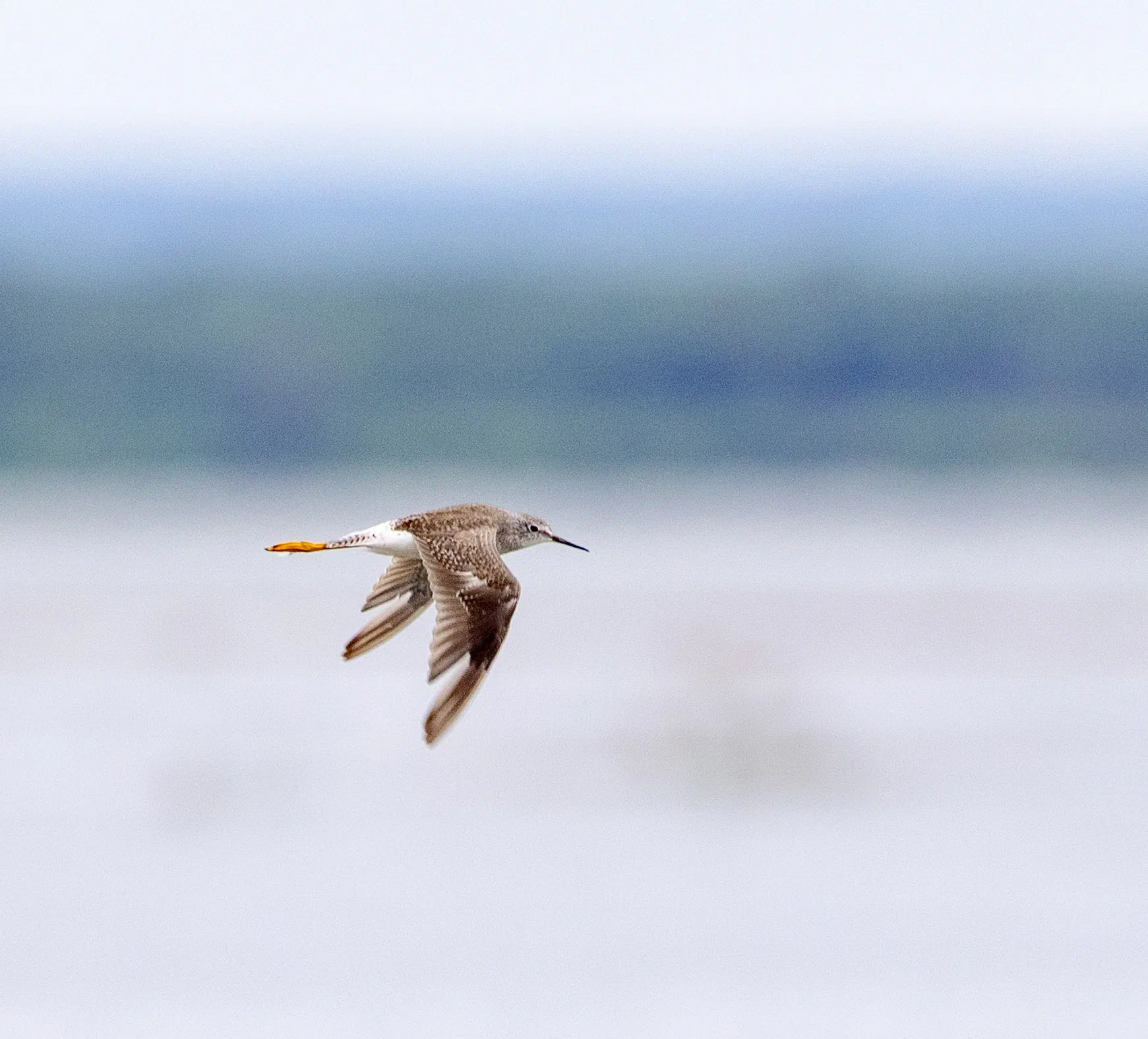
Under the right conditions, Mkhombo is a real rarity magnet. Over the years we have seen Caspian Plover, Slaty Egret, Broad-billed Sandpiper, Spotted Crake, Saddle-billed Stork and Lesser Yellowlegs here, and in the summer of 2025 it produced a mega rarity: a Red-throated Pipit. You never quite know what the next visit will bring.
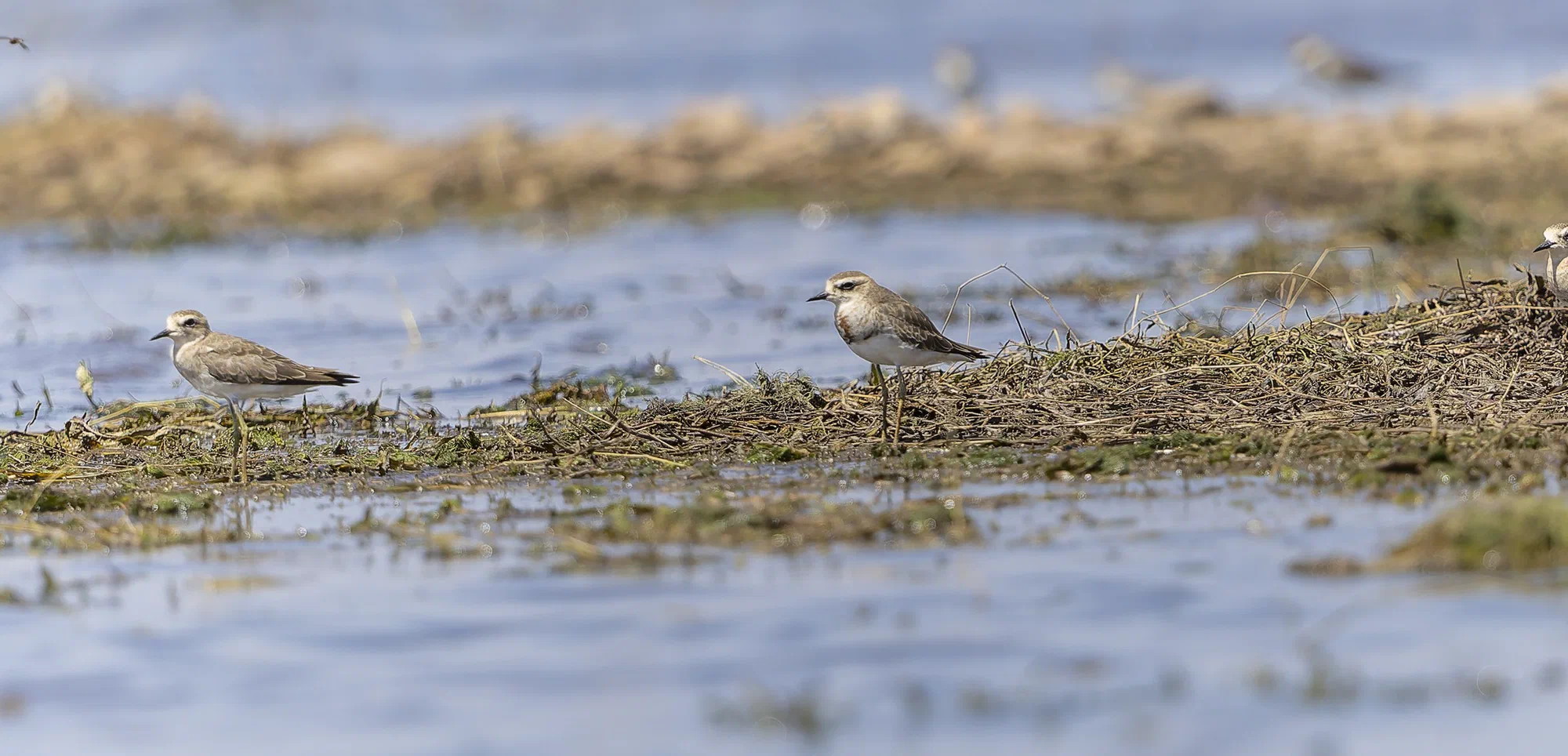
Summer brings its own specials, too: River Warbler and Icterine Warbler in the thickets, Great Spotted Cuckoo and African Cuckoo, and Western Osprey over the water.
The thornveld
Away from the water, the acacia thornveld is excellent birding in its own right. Barred Wren-Warbler, Southern Pied Babbler, Chestnut-vented Warbler, Scaly-feathered Weaver, Marico Flycatcher, Violet-eared and Black-faced Waxbills, Crimson-breasted Shrike, Kalahari Scrub Robin, Acacia Pied Barbet and Ashy Tit all occur. Yellow-bellied Eremomela and Bronze-winged Courser are regular specials, and Great Sparrow is worth looking for. Summer adds Red-backed and Lesser Grey Shrikes, and raptors include African Fish Eagle, Wahlberg’s Eagle, Gabar Goshawk, Greater Kestrel and Ovambo Sparrowhawk.
A real adventure
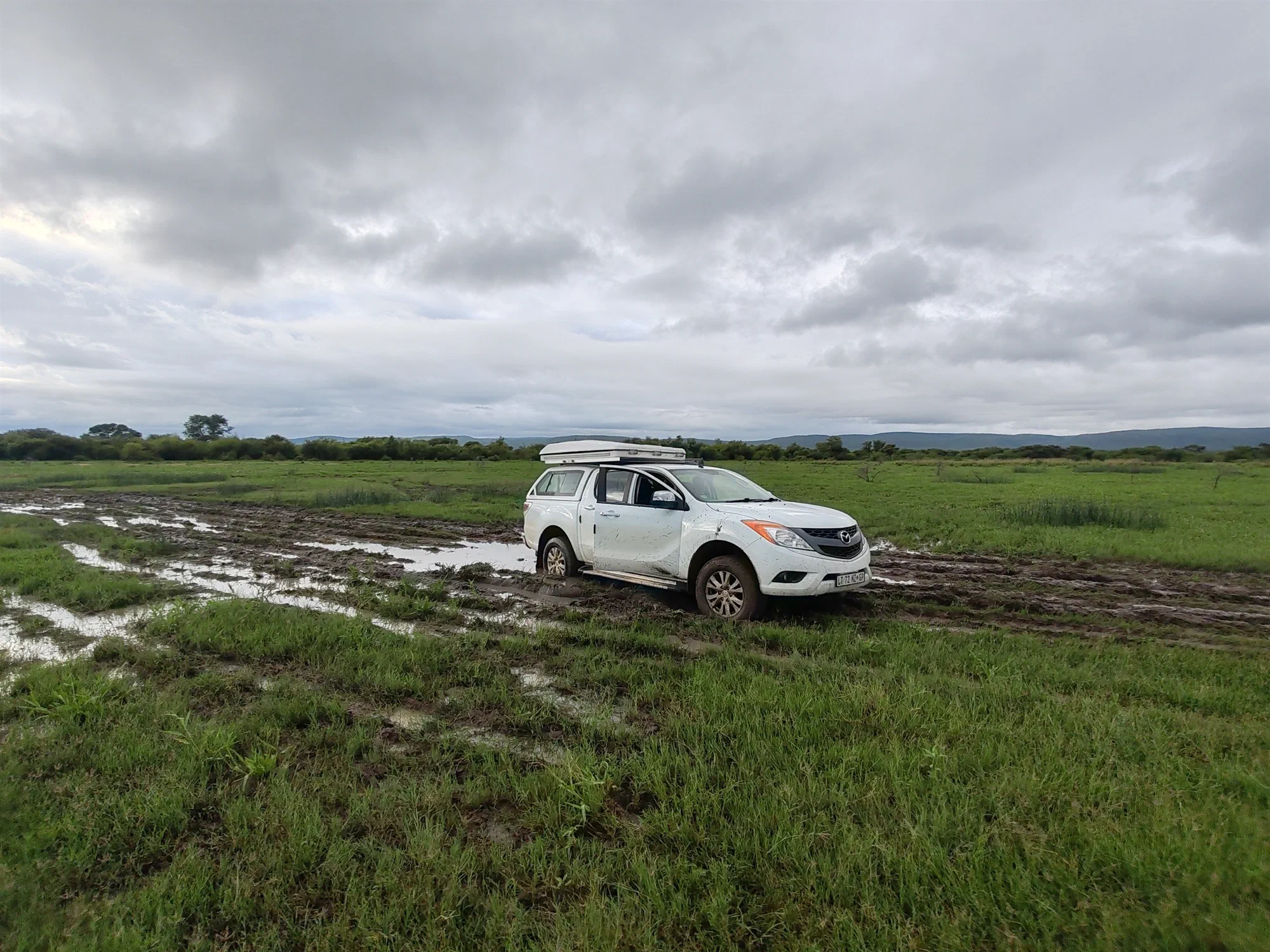
Mkhombo has very little infrastructure. The tracks are sandy, the shoreline can be muddy, and the birds on the flats are sometimes distant, so a telescope and a bit of patience go a long way. That is part of its charm: we know the tracks, we watch the conditions, and we position the vehicle so you can photograph the birds in good light without disturbing them.
A dam that never looks the same twice, and a day where anything can turn up.